The most important bird keeping tips all point to the same foundation: match the right species to your lifestyle, set up a safe and stimulating habitat before the bird arrives, stay consistent with daily care, and learn what "normal" looks like fast so you can catch problems early. Get those four things right and most beginner mistakes take care of themselves. Building on these tips, you can learn bird care by focusing on species needs, daily routines, and catching health issues early.
Bird Keeping Tips for Beginners: Setup, Care, Training, Health
Marcus Chen
16 Jun 2026
Picking your first bird (and being honest about your lifestyle)
Most first-time owners get this backwards. They pick a bird based on how it looks, then try to make their lifestyle fit. Do it the other way around. Ask yourself how much noise you can handle, how many hours a day you're actually home, and whether you want a hands-on companion or something more independent. The answer will point you to a species pretty quickly.
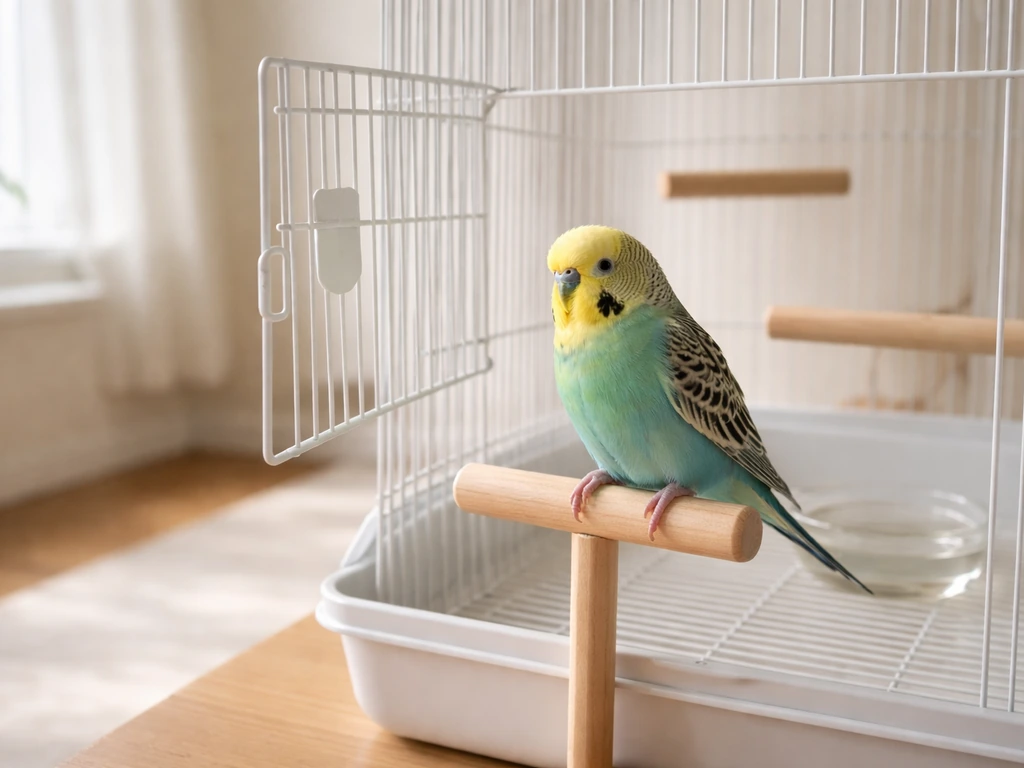
Budgies are the classic starter bird for good reason. They're small, relatively quiet (charming chatter rather than screaming), affordable, and genuinely affectionate when hand-tamed. A well-cared-for budgie lives 7 to 12 years, which is a real commitment but not the decades-long responsibility of a large parrot. They do best with a companion budgie if you're away for long stretches, since they're flock animals.
Cockatiels are a step up in size and personality. They're highly social and often prefer perching on you to sitting alone in a cage, which is charming if you have the time and mildly stressful if you don't. They're not as loud as larger parrots but they do whistle and call. Expect to spend real one-on-one time with a cockatiel daily or it will let you know it's unhappy.
Finches are the right choice if you want birds that are more about watching than handling. PetMD’s finch care sheet similarly notes that finches are generally hands-off and warns against forceful handling and busy or loud areas because stress can build quickly busy or loud areas and forceful handling. They're genuinely hands-off creatures and doing well means keeping them in pairs or small groups rather than forcing human interaction. Finches live 5 to 10 years depending on the species and care quality. They're lower-maintenance in terms of taming but they still need proper housing, diet, and enrichment.
| Species | Best for | Noise level | Hands-on? | Typical lifespan |
|---|---|---|---|---|
| Budgie | First-timers, smaller spaces | Low to moderate | Yes, with training | 7–12 years |
| Cockatiel | Social, interactive owners | Moderate | Yes, very affectionate | 15–20+ years |
| Finch | Observers, busy households | Low | No, hands-off | 5–10 years |
| Lovebird | Experienced beginners | Moderate to high | Yes, but feisty | 10–15 years |
One honest note: birds are very intelligent and social animals that require substantial daily attention. If you're away from home most of the day and can't arrange for interaction or a companion bird, reconsider the timing before committing. A bored or lonely bird develops behavioral problems fast.
Setting up the right habitat before your bird comes home
Set the cage up and let it air out for at least 24 hours before the bird arrives. This isn't just good practice, it gives you time to spot anything you missed, like bar spacing that's too wide or a perch that wobbles.
Cage size and bar spacing
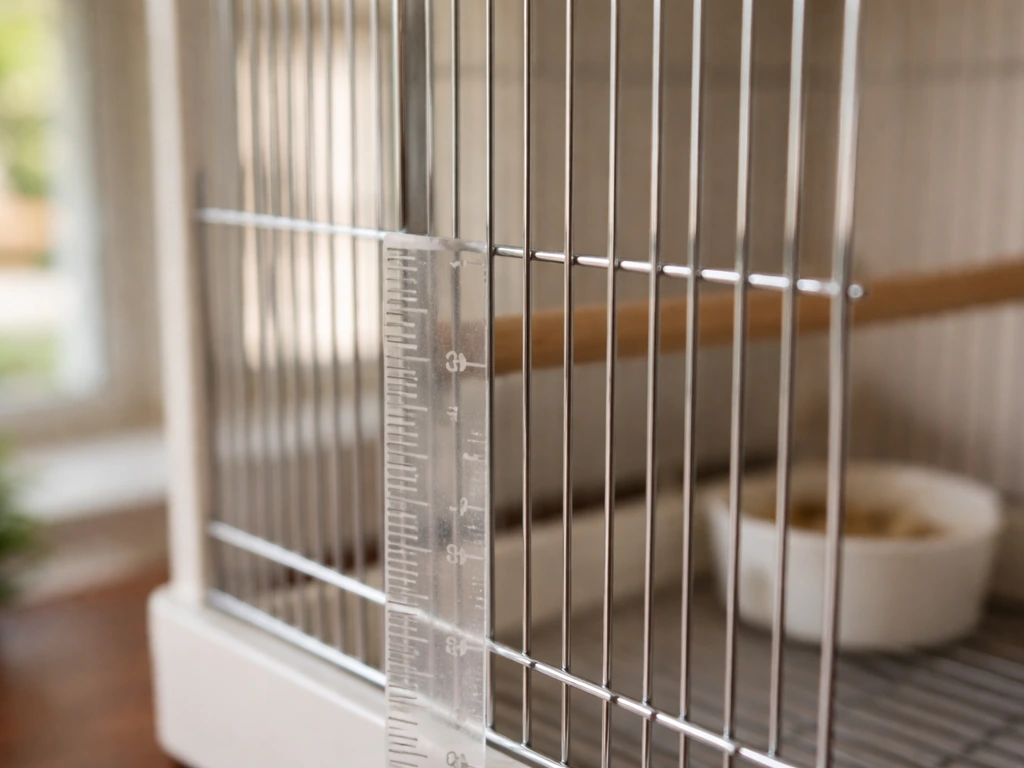
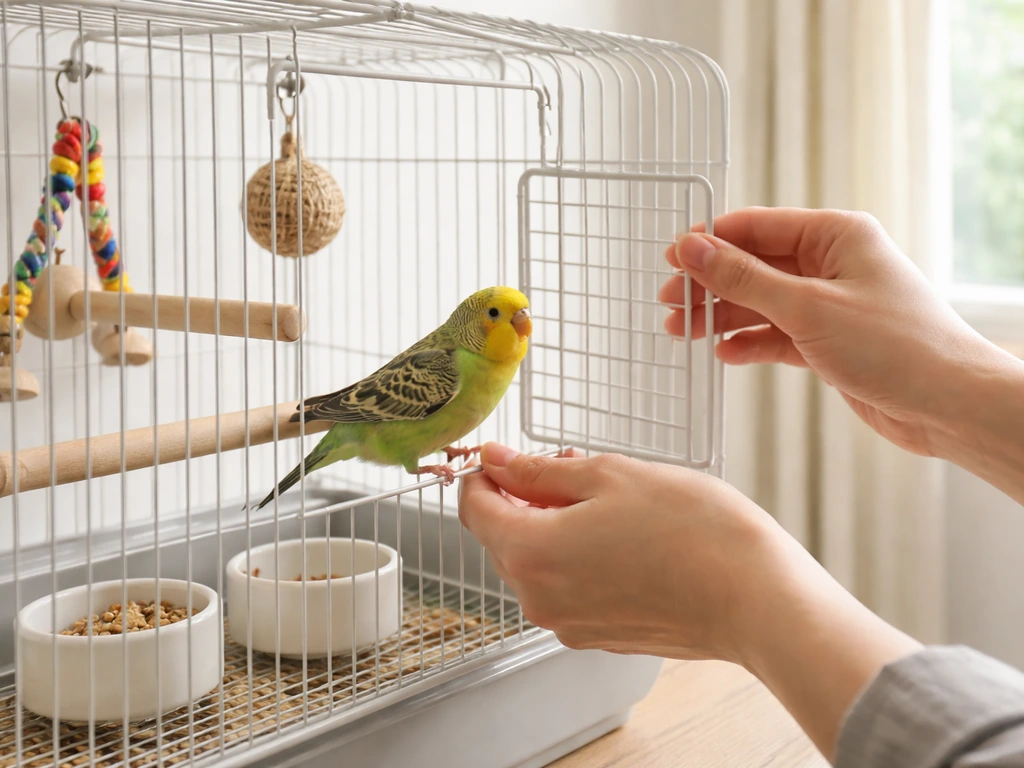
The minimum cage dimensions for a budgie, cockatiel, or lovebird recommended by veterinary guidance are 20 x 20 x 30 inches, but bigger is always better. For cockatiels specifically, aim for at least 30 inches wide by 30 inches tall and 24 inches deep if your budget allows. The bird needs room to climb and stretch wings without hitting the sides.
Bar spacing is the detail most beginners overlook and it matters a lot. For budgies and lovebirds, stick to 1/2 inch bar spacing. Lovebird care tips also include keeping their social needs in mind so they stay calm and healthy lovebirds. For cockatiels, 1/2 to 5/8 inch is safe. Anything approaching 1 inch is genuinely dangerous for small birds because their heads can get caught between the bars. This is not a theoretical risk. Check the spacing before you buy, and if you're buying online, measure the actual cage when it arrives.
Cage placement and ventilation
Place the cage in a room where the family spends time, ideally at or near eye level so the bird feels part of the action rather than isolated. Avoid the kitchen entirely (more on cooking fumes below), and keep the cage away from exterior doors, windows with drafts, and air conditioning vents. Birds need warmth and draft-free air. A position against a solid wall on one or two sides gives the bird a sense of security without cutting off social visibility.
Safe materials and what to skip
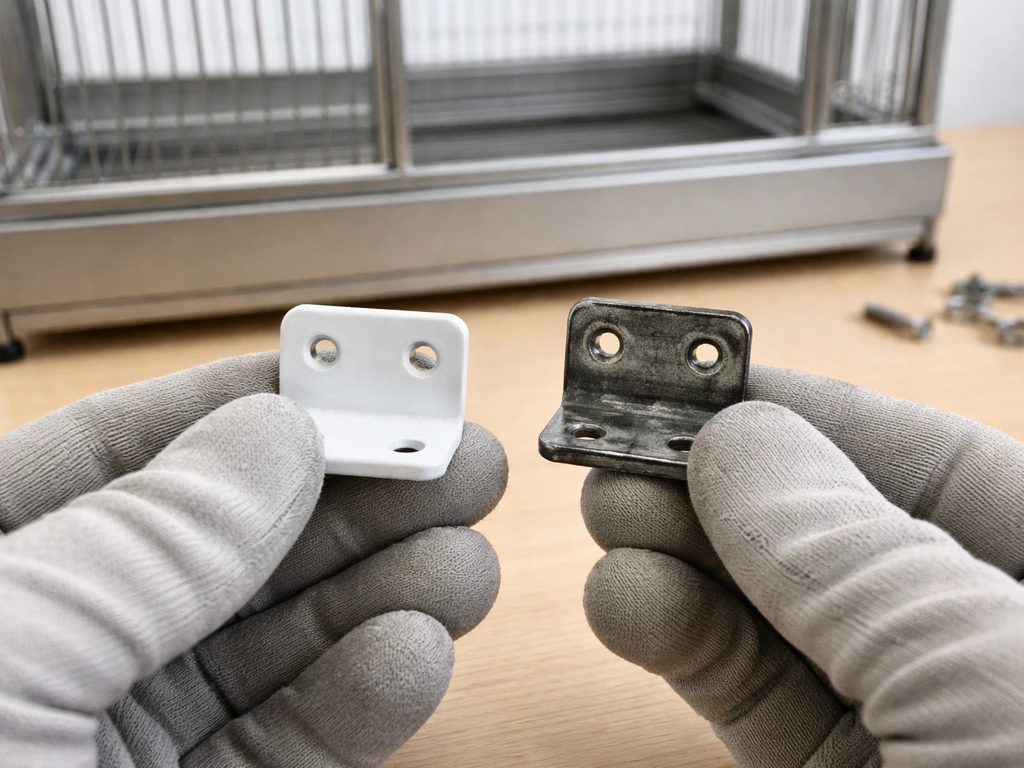
Use stainless steel or powder-coated cages with non-toxic coatings. Avoid anything with zinc or lead components, which are toxic if chewed. Perches should vary in diameter to keep the bird's feet healthy. Natural wood perches (untreated manzanita, java wood) are excellent. Sandpaper perch covers look useful but actually cause foot injuries, so skip them. For cage liner, unprinted newspaper or paper towels work well and make it easy to monitor droppings.
Daily care that actually keeps your bird healthy
Feeding: the seed vs. pellet debate
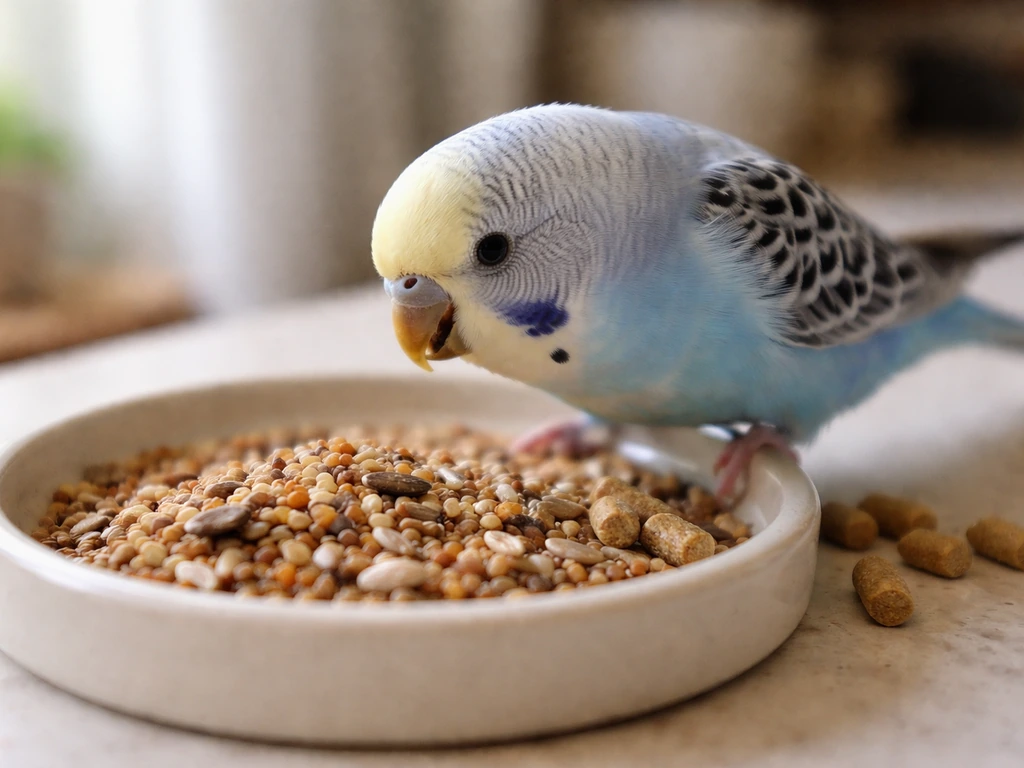
Here's where a lot of well-meaning advice goes wrong: seeds are not a complete diet. A purely seed-based diet is nutritionally deficient and a common cause of early health problems, especially in budgies and cockatiels. Pellets are formulated to be nutritionally balanced and should make up the majority of your bird's diet. For larger parrots, veterinary guidance recommends roughly 80% pellets, 10 to 15% vegetables, and 5 to 10% fruit. For budgies, aim for at least 60% pellets with fresh vegetables daily and seeds as a small supplement rather than the main event.
If you're bringing home a bird that's been eating only seeds (common with birds from pet stores), convert gradually. A good starting approach is a 20% pellet to 80% seed ratio for about two weeks, then slowly increase the pellet proportion while monitoring the bird's weight and droppings. Don't start a conversion if the bird is unwell. During the transition, watch that the bird is actually eating the pellets and not just flicking them aside to get to the seeds underneath.
Water and feeding hygiene
Change water every single day, minimum. Some birds dip food into their water bowl, which makes it go off fast. If your bird does this, consider switching to a water bottle, which keeps the water cleaner between changes. Food dishes should be wiped out daily and deep-cleaned with warm soapy water a few times a week. Keep cage cleaning tools separate from your household cleaning supplies and don't use strongly scented or chemical-heavy cleaners near the bird.
Cleaning the cage without stressing your bird
Do a light spot-clean daily (change the liner, wipe down perches and dishes) and a more thorough clean weekly. When you clean, move the bird to a safe secondary location rather than working around it inside the cage. Avoid dry sweeping or blowing dust around, since bird dander and droppings can carry bacteria. A damp wipe-down is safer. For disinfecting, use a bird-safe cleaner or diluted white vinegar and rinse thoroughly before letting the bird back in.
Sleep schedule
Birds need 10 to 12 hours of uninterrupted sleep in a dark, quiet environment. This is not optional. Chronic sleep deprivation causes stress, behavioral issues, and immune problems over time. Use a cage cover or move the bird to a quieter room at night. Keep the schedule consistent: birds thrive on routine and will tell you loudly when their bedtime is being ignored.
Enrichment and training: how to keep your bird tame and mentally sharp
A bored bird is a destructive, loud, or self-harming bird. Enrichment is not a nice extra. It's part of the basic care package.
Toys and foraging
Rotate toys every week or two rather than packing the cage full all at once. Novelty matters to birds. Foraging toys, where the bird has to work to get a treat out of a container or wrapper, are especially valuable because they engage the bird's natural problem-solving instincts and reduce boredom-related behaviors. You don't need to spend a lot. A piece of food wrapped in paper, or a foraging box with hidden seeds, works just as well as an expensive commercial toy.
Handling and taming without forcing it
The biggest handling mistake is going too fast. A new bird needs a few days to just settle in before you start reaching into the cage. Let it get used to your voice and presence first. When you do start handling, use positive reinforcement rather than grabbing. Offer a treat from your hand, let the bird come to you, and stop each session before the bird gets stressed rather than pushing until it bites or retreats.
Target training is one of the most effective tools for taming a nervous bird. It involves teaching the bird to touch a small stick or target with its beak, rewarding each touch with a treat. This gives the bird a clear way to earn rewards without feeling cornered, and it builds trust faster than repeated forced handling ever will. Start with short 5-minute sessions once or twice a day.
Finches are a different case entirely. They don't benefit from or enjoy hands-on handling and will find it stressful. For finches, enrichment is about cage complexity: varied perch heights, live or dried plants, foraging opportunities, and always keeping them with at least one other finch.
Health basics: catching problems before they become emergencies
Birds are prey animals, which means they're hardwired to hide illness. By the time a pet bird looks visibly sick, it has often been unwell for days or even weeks. This is the single most important thing to understand about bird health: what looks like a sudden decline is almost never sudden. Your job is to know your bird's "normal" well enough to catch the early, subtle signs.
Warning signs to watch for
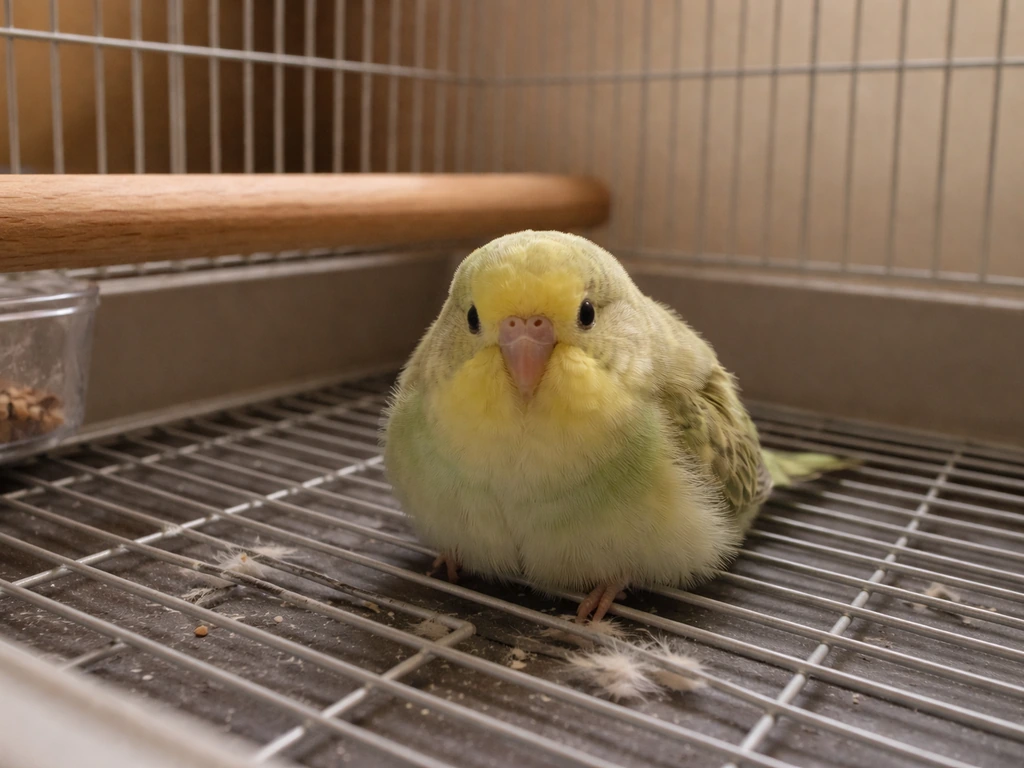
- Fluffed feathers outside of normal preening or napping (especially combined with other signs)
- Sitting on the cage floor rather than a perch
- Changes in droppings: color, consistency, or volume
- Reduced appetite or not eating for more than 24 hours
- Labored or noisy breathing, tail bobbing with each breath
- Discharge from nostrils or eyes
- Unusual lethargy or sudden loss of vocalizations
- Weight loss (use a small kitchen scale weekly to track this)
Any one of these signs warrants a call to an avian vet, not a wait-and-see approach. Merck Veterinary Manual also advises that if a pet bird shows concerning signs, you should take it to an avian vet promptly because clinical signs can be subtle or appear late Illness in Pet Birds. Because birds mask illness so effectively, even a vague sense that something is "off" with your bird is worth acting on quickly.
Vet timing
Take your new bird to an avian vet within a few days of bringing it home, even if it seems perfectly healthy. This establishes a baseline and catches any issues that the bird arrived with but isn't showing yet. Not all vets are trained in avian medicine, so look specifically for a vet with avian experience or a board-certified avian specialist. Annual wellness checks are recommended after that.
Beginner mistakes that are more common than anyone admits
Air quality and fumes
This is the one that catches new bird owners completely off guard. Birds have an extremely efficient respiratory system, which makes them far more vulnerable to airborne toxins than mammals. If you are considering bird taxidermy for a natural, lifelike preservation look, it helps to plan carefully and follow safe preparation steps bird taxidermy for beginners. Non-stick cookware, including anything with a PTFE or Teflon coating, releases fumes when overheated that can kill a bird within minutes. This is not an exaggeration. Keep birds out of the kitchen entirely or, at minimum, never use non-stick pans if the bird is in an adjacent room with airflow connection.
Beyond non-stick pans, the list of fume hazards is longer than most people expect: scented candles, air fresheners (plug-in or spray), cleaning product fumes, paint and varnish, hairspray and other aerosol products, essential oils, and even dirty HVAC ducts can all cause respiratory distress. When in doubt, ventilate the room thoroughly and move the bird to a different area before using any of these products. If a bird is exposed to fumes and shows any respiratory distress, treat it as an emergency.
Drafts and temperature extremes
Drafts are a genuine health risk for birds, especially at night. A cage placed near a drafty window or an air conditioning vent that cycles on and off can chill a bird repeatedly and suppress its immune system. The fix is simple: position the cage away from direct airflow and cover it at night, but make sure the cover still allows adequate ventilation.
Improper foods
Avocado is toxic to birds and should never be given. Onion, garlic, chocolate, caffeine, alcohol, and the pits/seeds of fruits like apples and cherries are also dangerous. Salty, fatty, or processed human food has no place in a bird's diet. When introducing new fresh foods, add one thing at a time and watch for any reaction.
Loneliness and under-stimulation
This is probably the most overlooked mistake. Birds, especially parrots and cockatiels, need regular social interaction every day. A bird left alone in a cage for 8 to 10 hours with no stimulation will develop stress behaviors: feather plucking, excessive screaming, repetitive movements. If your schedule genuinely doesn't allow for daily one-on-one time, consider getting a same-species companion bird or honestly reconsidering whether the timing is right. These issues overlap with what's covered in more detail in the common mistakes that bird owners make, which is worth reading alongside this guide. If you want more specifics, review the 12 common mistakes that bird owners make alongside this loneliness and under-stimulation guidance.
Physical hazards inside the home
- Open water sources: toilets, sinks, pots on the stove, large water glasses — birds can drown
- Ceiling fans running during out-of-cage time
- Other pets, including cats and dogs, in the same space as a free-flying bird
- Windows and mirrors that a bird in flight can crash into
- Toxic houseplants (poinsettia, philodendron, and many others)
- Electrical cords within chewing reach of the cage
Your first 30 days: a realistic routine
The first month is about building trust, establishing routine, and learning what your specific bird is like. Don't try to rush taming or pack in too many new experiences at once. Here's how to structure it.
Days 1 to 3: Settle in, hands off
Place the cage in its permanent location and let the bird adjust. Talk to it softly, go about your normal routine nearby, and avoid reaching into the cage beyond food and water changes. The bird needs to learn that your presence is not a threat before anything else can happen.
Days 4 to 7: Vet visit and first observation baseline
Schedule the avian vet visit this week. Weigh the bird at home on a kitchen scale and record it. Start noting what normal droppings look like. Observe eating and drinking patterns. This baseline data is genuinely useful if you need to describe symptoms to a vet later.
Week 2: Introduce hand presence and begin diet review
Start offering treats from your hand at the cage door. If the bird is on an all-seed diet, begin the gradual pellet transition this week using the 20% pellet / 80% seed ratio and monitor closely. Introduce one or two simple toys and watch which ones get attention.
Weeks 3 to 4: Begin short training sessions and out-of-cage time
If the bird is comfortable with your hand presence, begin 5-minute target training sessions. If it's a parrot-type bird, offer supervised out-of-cage time in a bird-proofed room. Keep sessions short and positive. Rotate in a new toy and remove one that's been ignored. By the end of week four you should have a clear sense of your bird's personality, preferences, and daily rhythms.
30-day checklist
- Cage set up with correct bar spacing, perch variety, and liner before bird arrives
- Cage placed away from kitchen, drafts, and direct sunlight
- Fresh water changed daily, food dishes cleaned regularly
- Avian vet visit completed within first week
- Baseline weight recorded and droppings observed
- Pellet transition started if bird arrived on all-seed diet
- Sleep schedule established with 10 to 12 hours of dark, quiet rest
- Non-stick cookware and aerosol products kept away from bird's environment
- Toxic foods identified and removed from areas where the bird could access them
- At least one foraging or enrichment activity introduced
- Short daily handling or interaction sessions started (species-appropriate)
- Physical hazards in the home identified and addressed
Get through this first month and you'll have the core of a solid, long-term care routine. Most of the problems that show up in year two or three trace back to habits formed (or skipped) in the first few weeks. Build the right ones now and bird keeping becomes genuinely rewarding rather than a daily scramble to fix avoidable problems.
FAQ
How much daily attention do bird keeping tips actually require, if I work full-time?
Plan on a consistent daily interaction window, even for less hands-on species. If you are away, the best substitute is another same-species bird plus your own reliable human time in the morning or evening, aim for at least 30 to 60 minutes of meaningful interaction beyond general presence.
What’s the safest cleaning schedule for beginners, and when should I clean more often?
Use your bird’s routine and droppings as the guide, not just the calendar. Start with daily water and liner changes, wipe food bowls daily, and do a weekly deep clean, but increase cleaning frequency if the bird is messy, the enclosure is humid, or droppings sit longer than a few hours.
Can I handle my bird immediately, or should I wait until it settles in?
Yes, and the risk is higher than many people expect. Provide toys and perches first, then introduce your hands slowly at the cage door, and keep any handling to short sessions, stop before the bird retreats, if aggression increases or bites become frequent, pause and focus on target training.
How do I change my bird’s diet or routine during the first month without causing stress?
Do it gradually and in a way that prevents stress and refusal. Move the bird only when needed, keep the lighting and room temperature similar, and for diet changes use the same week-by-week conversion approach, if the bird loses weight or has unusual droppings, contact an avian vet before continuing.
What are the most important early health red flags that mean I should call an avian vet right away?
Because birds mask illness, rely on trends. Call an avian vet promptly if you see changes in breathing, tail-bobbing, reduced appetite, fluffed posture, lethargy, weight loss, blood in droppings, or persistent diarrhea, even if the bird still looks “mostly normal.”
How often should I weigh my bird, and what weight changes are concerning?
Weighing matters, even if your bird seems fine. Weigh at least once per week with a kitchen scale that you tare properly, track the numbers, and treat any steady downward trend as urgent, small daily fluctuations can happen but a consistent drop is not normal.
Are there invisible air risks I should watch for beyond scented candles and non-stick pans?
Avoid household air hazards before anything else. Keep cooking and cleaning fumes away, use a HEPA air purifier if you can (especially in the room where the cage sits), and never rely on “crack a window” as the only protection when using strong aerosols or sprays.
How can I tell if my bird is actually eating pellets during a seed-to-pellet transition?
When converting from seed diets, “not eating” can be gradual refusal rather than a clear stop. Offer pellets in a few familiar spots, reduce seed access slowly, and confirm ingestion by checking that pellets disappear or are eaten, if the bird is not taking pellets within the expected transition window, ask an avian vet.
Can I introduce a second bird right away, or should I quarantine first?
It depends on the bird, but a safe default is one species at a time for the first introduction. For social species like finches, set up proper pairing carefully, quarantine new birds separately at first, and watch for aggression, mismatched pairs can cause chronic stress and injuries.
What are realistic expectations for potty training and preventing a messy cage?
For potty training and hygiene, remove opportunities for messy behavior and reward desired habits, do not punish. Clean liners regularly, use consistent spot-cleaning after specific times, and consider placing food and water so they do not splash into the sleeping area.
Where should I place the cage to prevent drafts and also reduce stress at night?
Cage placement affects behavior and health. Put the cage where your household is active, but avoid direct sunlight that overheats, drafts at floor level, and night-time disturbance from TV or bright lights, use a cover that reduces glare while still allowing airflow.
Should I add vitamins or supplements to beginner bird diets?
Yes. If your bird is changing behavior, it can be tempting to add supplements, but many “natural” additives can be risky. Stick to the diet plan first (pellets plus appropriate fresh foods), and if you want to use anything extra, confirm with an avian vet because dosing varies by species.
What should my emergency plan look like for toxic fumes or sudden breathing trouble?
Have a simple emergency plan. Know your nearest avian vet, keep carrier access ready, and if a bird experiences fume exposure or respiratory distress, treat it as urgent and move the bird to clean air immediately while arranging transport.
Next Articles
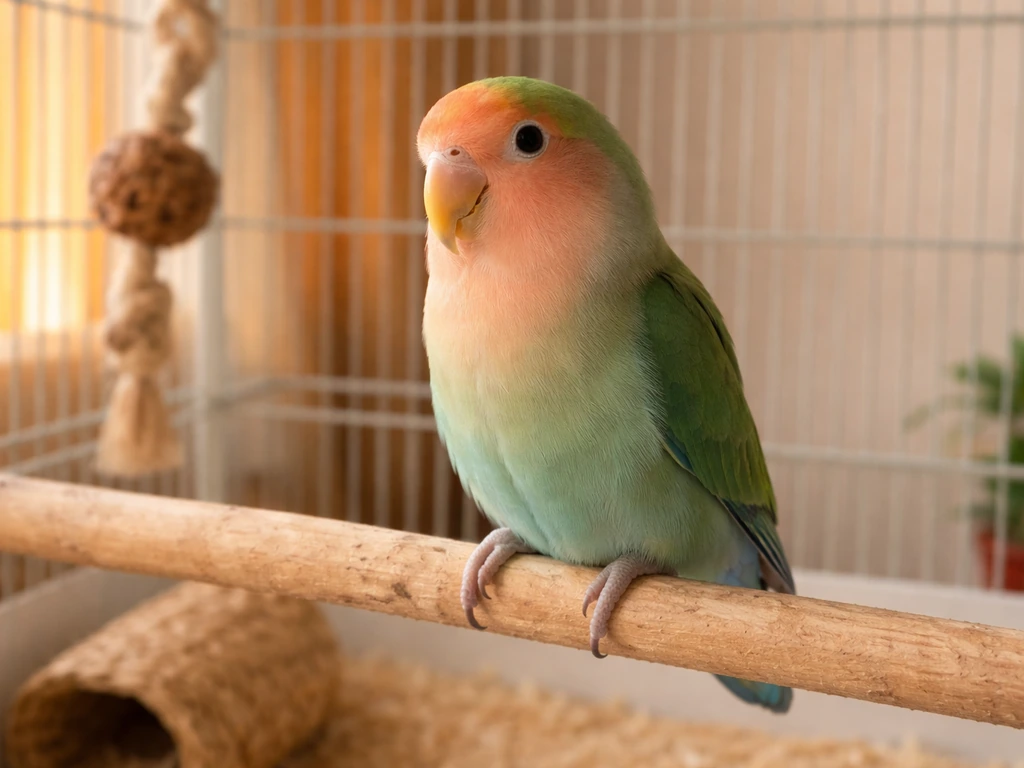
Love Bird Care Tips: Beginner Guide for Healthy, Happy Lovebirds
Beginner love bird care tips: pick the right pair, set up a safe cage, feed and bond daily, fix common issues fast.
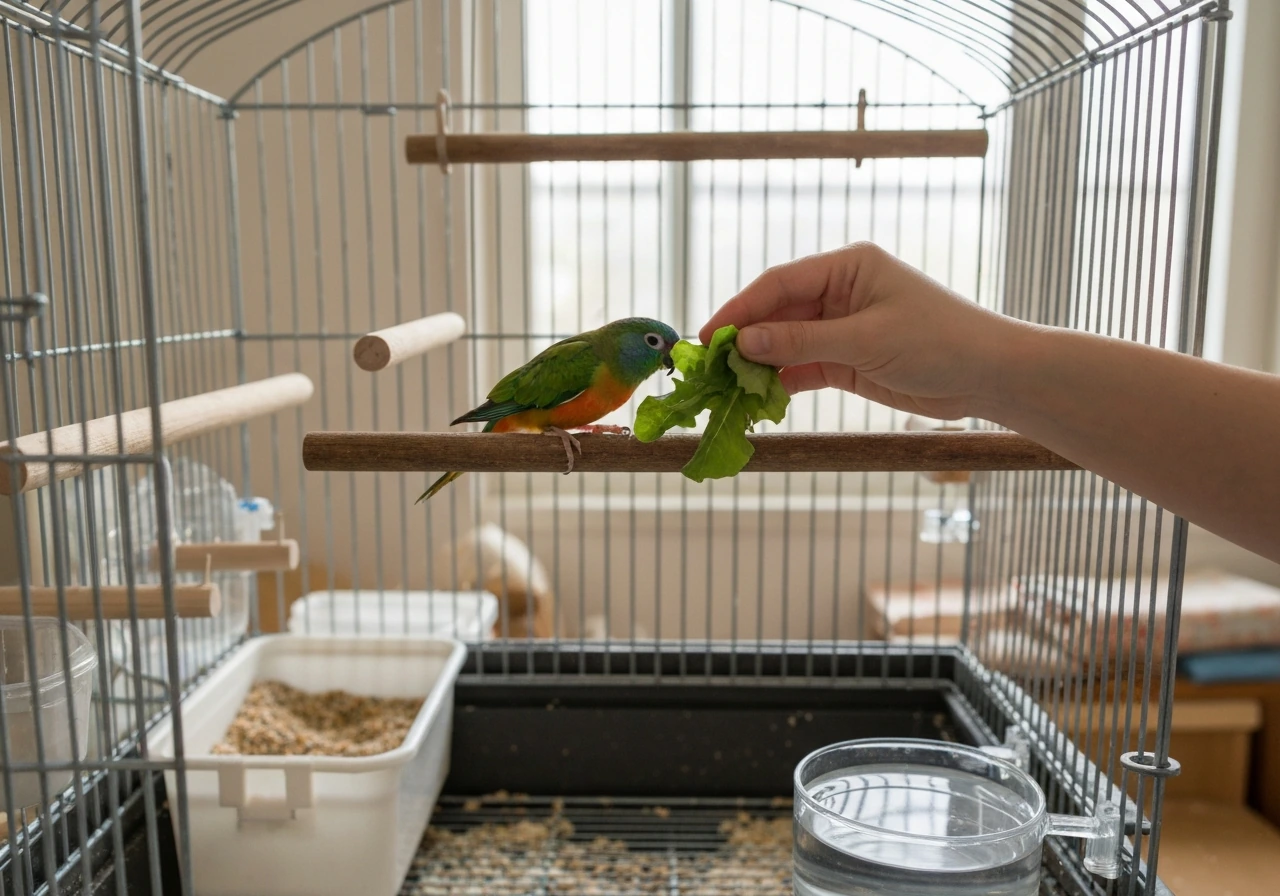
12 Common Mistakes Bird Owners Make and How to Fix Them
Fix 12 everyday bird-owner mistakes fast with signs to watch and step-by-step changes for health, behavior, and happines
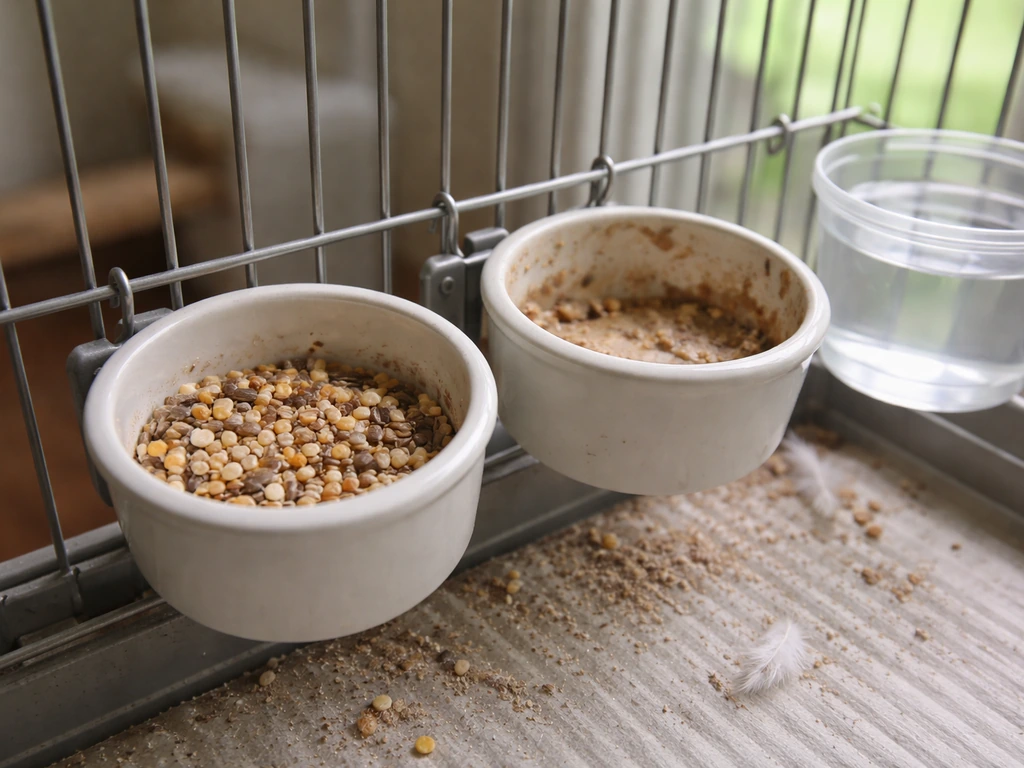
Bird Table Problems: Troubleshooting and Fixes for Pet Birds
Troubleshoot bird table problems fast: feeding setup, hygiene, pests, mold, pickiness, crowding, placement, and vet red