Learning bird care comes down to four things done consistently: choosing a species that actually fits your lifestyle, setting up a safe and stimulating habitat before the bird arrives, building a daily routine you can stick to, and knowing what warning signs mean trouble. Get those four right and you'll have a healthy, bonded bird. Skip any one of them and you'll spend months troubleshooting problems that are almost entirely preventable.
Learn Bird Care: Beginner Checklist, Routine, and Health Tips
Marcus Chen
24 May 2026
Choosing your first bird
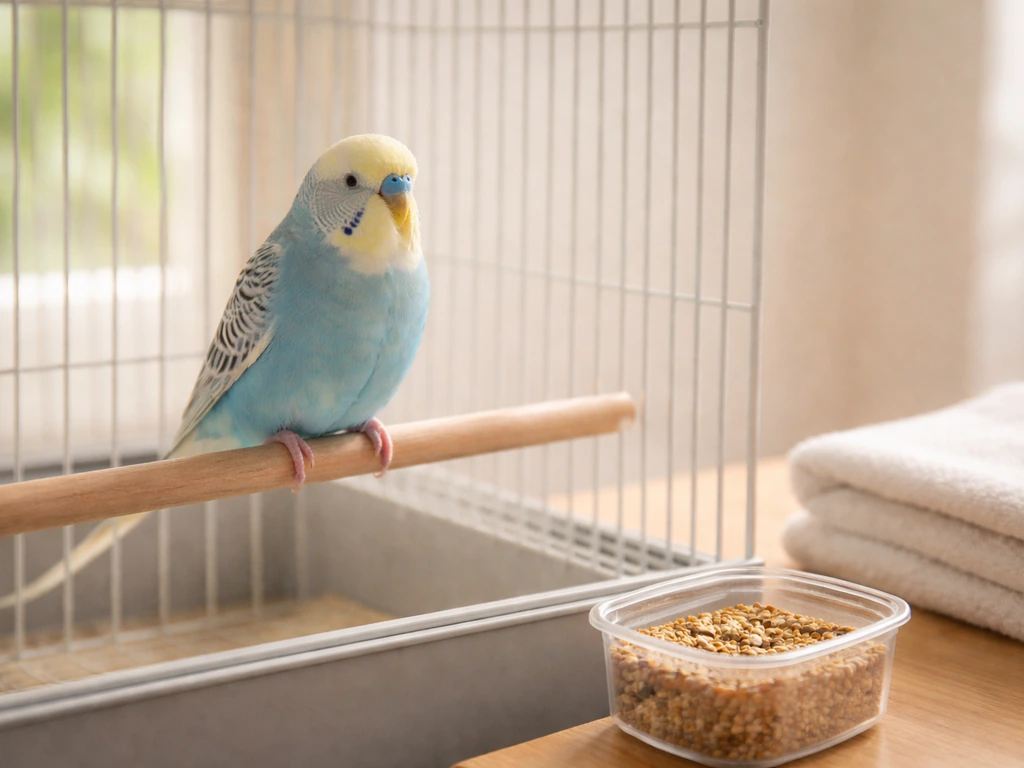
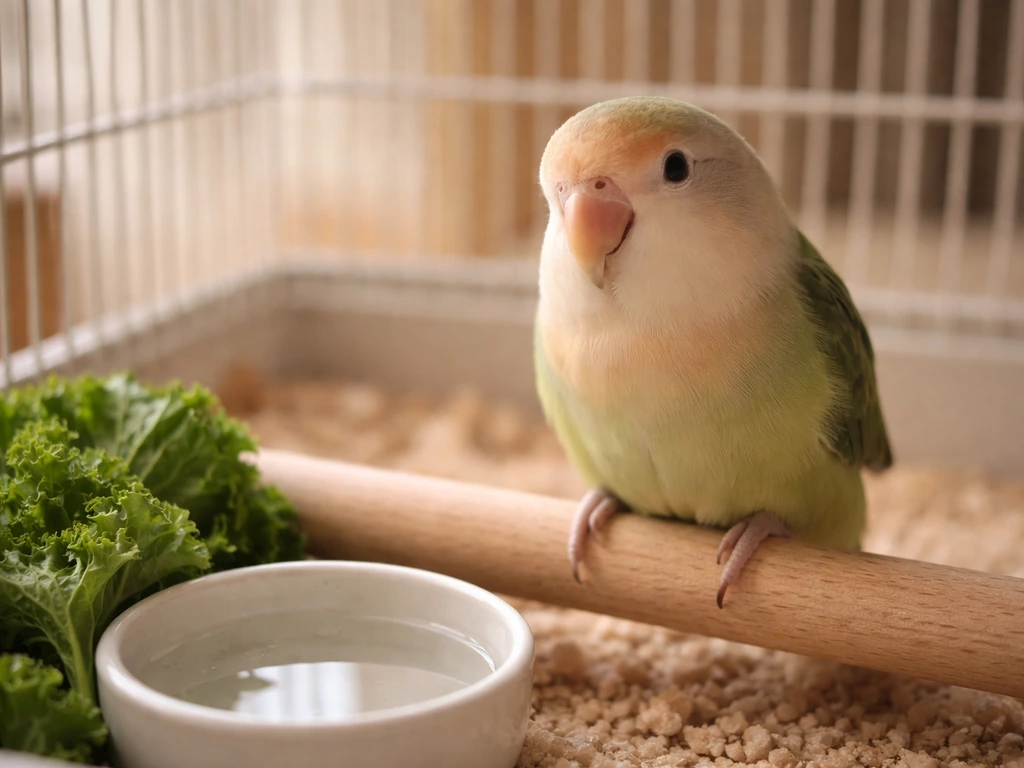
The most common mistake new owners make is choosing a bird based on looks or a five-minute interaction at a pet store. Species temperament, noise level, lifespan, and how much hands-on time they need are far more important than color. Here's an honest breakdown of the birds that genuinely work well for beginners.
| Species | Noise Level | Lifespan | Handling Needs | Best For |
|---|---|---|---|---|
| Budgerigar (Budgie) | Low to moderate | 6–12 years | Daily short sessions | Apartment dwellers, first-timers |
| Cockatiel | Moderate | 15–25 years | Daily, loves shoulder time | People home often, families |
| Lovebird | Moderate to high | 10–15 years | High — needs daily bonding | Attentive, experienced-ish owners |
| Canary | Moderate (singing) | 10–15 years | Low — mostly watching | People who want a bird without handling |
| Conure (Green Cheek) | Moderate | 15–30 years | Very high, very social | Active owners with time to spare |
If you're truly starting from scratch, a budgie or cockatiel is almost always the right call. Both species are hardy, forgiving of beginner mistakes, and genuinely affectionate when handled regularly. Lovebirds are wonderful but they need significantly more dedicated social time than most beginners expect, if you're curious about that species specifically, it's worth reading more targeted lovebird care tips before committing. Canaries are the exception to the "you must handle your bird" rule: they're content being watched and listened to rather than touched, which suits a lot of people perfectly.
Before you buy, ask yourself three honest questions: How many hours per day is someone actually home? Can you tolerate noise (even budgie chirping is constant during waking hours)? And are you prepared for a 10-to-25-year commitment? Birds are not low-maintenance pets. They're also not as independent as fish. Somewhere in between, closer to a cat that squawks.
Setting up the habitat: what you actually need
Get the cage and equipment sorted before the bird comes home. Moving a stressed new bird in while you're still assembling things is a bad start for both of you.
Cage size and bar spacing
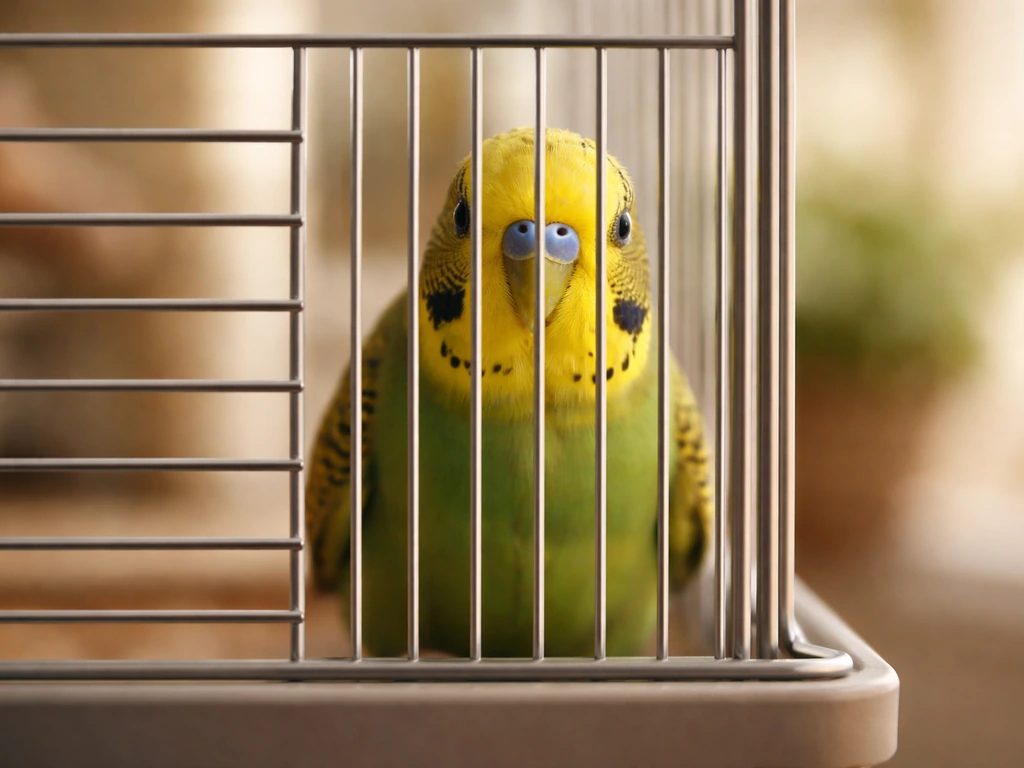
For budgies, cockatiels, and lovebirds, the minimum cage size recommended by the Merck Veterinary Manual is 20 x 20 x 30 inches, with bar spacing of no more than 0.5 inches. Bar spacing matters enormously, wider bars let small birds poke their heads through and get stuck or injured. Go bigger than the minimum whenever you can; a larger cage is one of the easiest welfare upgrades you can make. The bird should be able to fully spread both wings without touching the sides.
Placement
Place the cage in a room where the family spends time (birds are social and get anxious in isolation), but not in the kitchen. The kitchen is the single most dangerous room in the house for a bird, more on that in the air quality section. Keep the cage away from drafts, direct heating/cooling vents, and windows that get intense afternoon sun. Birds need a dark, quiet rest period of 10 to 12 hours per night, so a cage cover or a room where lights go off at a consistent time matters more than most beginners think.
Essential equipment checklist
- Appropriately sized cage with correct bar spacing (see above)
- At least 2–3 perches of varying diameter and texture (natural wood perches like manzanita and java wood are ideal — they keep nails trim and feet healthy)
- Stainless steel or ceramic food dishes — at minimum two, ideally three (one for pellets/seed, one for fresh food, one for water)
- Cage liner or paper substrate (plain newsprint or parchment paper is fine — avoid corncob or walnut shell bedding, which can harbor mold and bacteria)
- Cage cover for nighttime
- Spray bottle for misting (most birds enjoy a light mist for bathing)
- Bird-safe cleaning supplies: diluted white vinegar or an avian-specific cage cleaner, never bleach or ammonia near the bird
- A small first aid reference card from your avian vet (get this during your first checkup)
- Full-spectrum or UV-B lighting if the bird won't get natural indirect sunlight daily
Out-of-cage time is not optional. Even in a spacious cage, birds need daily supervised flight or movement in a bird-safe room. A playstand or tabletop gym near the family space makes this easy and doubles as enrichment.
Daily care routines
Consistency is more important than perfection here. A simple repeatable routine prevents most health and behavioral problems before they start.
Feeding
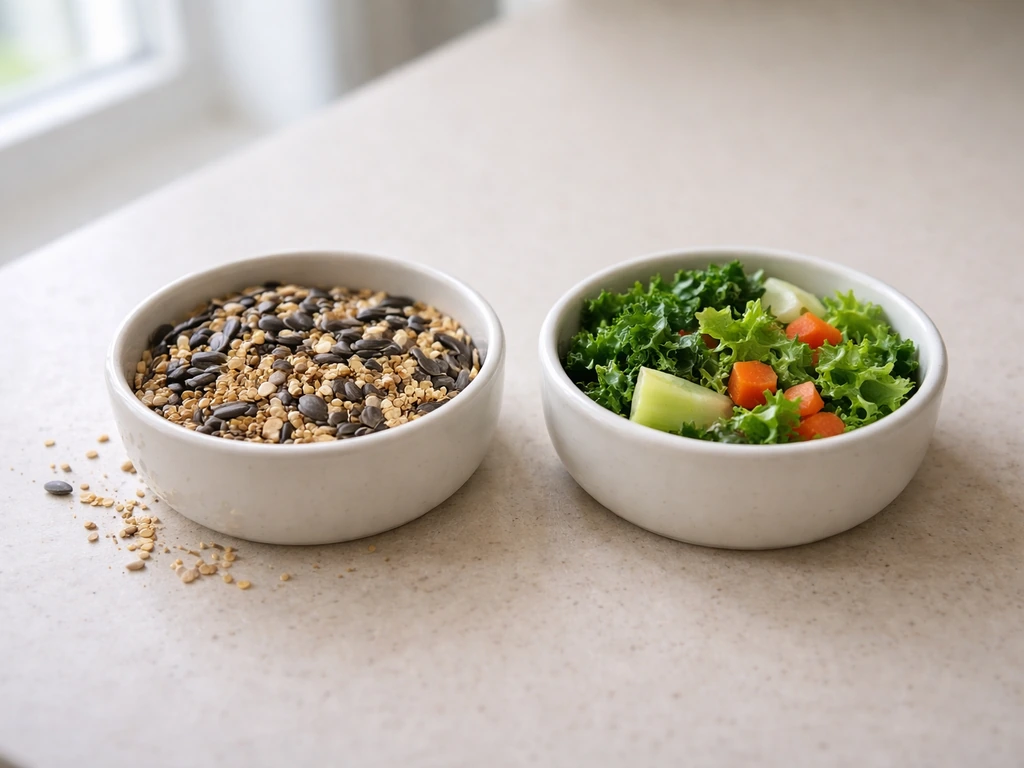
The popular advice to feed birds a "seed diet" is one of the most persistent myths in pet bird keeping, and it genuinely costs birds years off their lives. Seeds are high in fat and nutritionally incomplete. According to Merck Veterinary Manual, pellets should be the dietary foundation for most pet birds, with seeds offered occasionally rather than as the main course. If your bird was raised on seeds (common with pet-store birds), switching takes time. The Merck-recommended approach is to start with a 20% pellet / 80% seed mix for about two weeks, then gradually shift the ratio toward pellets over the following weeks.
Fresh vegetables should be offered daily in small amounts. Dark leafy greens like kale, romaine, and bok choy are good starting points. Carrots, bell peppers, and cooked sweet potato also work well. Fruit is fine in small quantities but it's high in sugar. Rotate what you offer to keep things interesting and nutritionally varied.
Foods to never offer: avocado (the persin content is toxic across all parts of the plant), chocolate (theobromine and caffeine are toxic to birds, contact a vet or Pet Poison Helpline immediately if your bird eats any), caffeine in any form, alcohol, onion, garlic, and anything high in salt or artificial sweeteners. If you're ever unsure, check before offering it.
Water
Change water every single day, minimum. Birds drop food, droppings, and feather dust into their water dish constantly. Bacteria grow fast in a warm dish. Use filtered or clean tap water, and rinse the dish with hot water before refilling, don't just top it up.
Cleaning schedule
| Task | Frequency |
|---|---|
| Change cage liner/paper | Daily |
| Wash food and water dishes | Daily |
| Wipe down cage bars and perches | Every 2–3 days |
| Scrub and disinfect the full cage | Weekly |
| Replace worn perches and toys | As needed (monthly check) |
| Deep clean playstand and accessories | Every 2 weeks |
Temperature, humidity, and rest
Most common pet birds do well between 65 and 85°F (18–29°C). Avoid sudden temperature drops, which stress the immune system. Humidity between 40–60% is comfortable for most species and helps with feather condition. Cover the cage at a consistent time each night and uncover it at a consistent time each morning, birds thrive on predictable light/dark cycles, and irregular schedules can cause hormonal and behavioral issues.
Health basics: what to watch and when to act
Birds are prey animals by instinct, which means they hide illness until they can't anymore. By the time a bird looks obviously sick, it has often been unwell for days. Learning to read subtle early signs is one of the most important skills you can develop as a bird owner.
Early warning signs
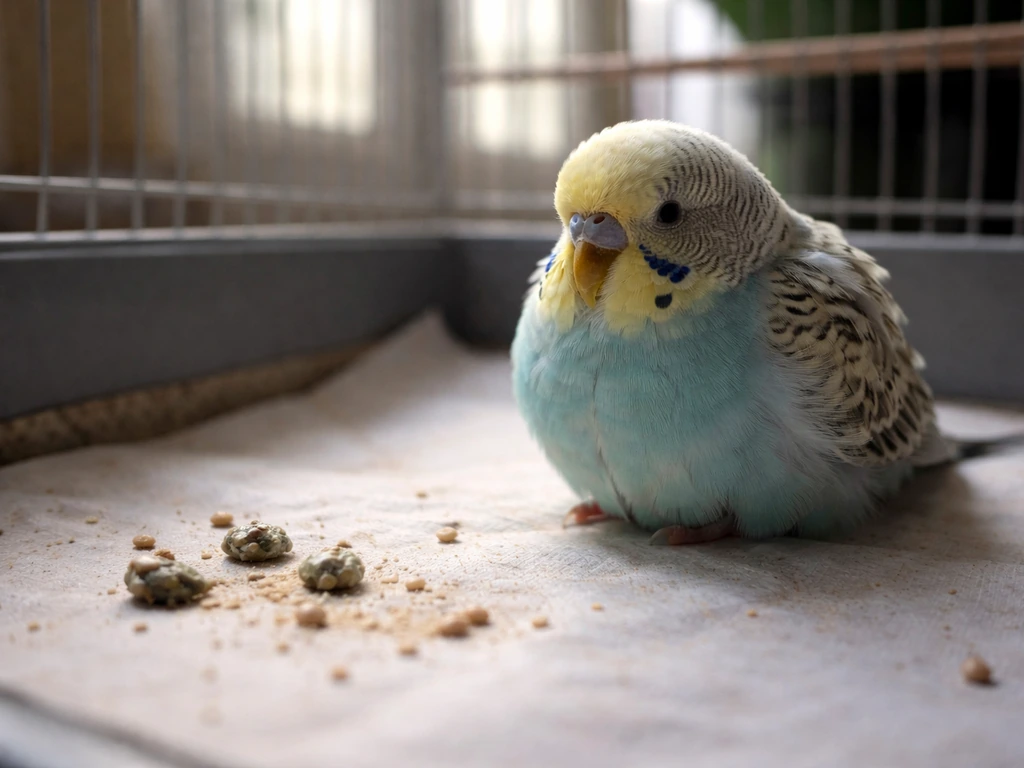
- Puffed feathers for extended periods (not just brief nap puffs)
- Sitting on the cage floor — healthy birds almost always perch
- Changes in droppings: very watery, discolored (red, black, or bright yellow/green), or dramatically more/less volume than normal
- Loss of appetite or reduced food consumption
- Discharge from nostrils, eyes, or mouth
- Labored breathing, tail bobbing with each breath, or open-mouth breathing
- Sudden behavior changes: uncharacteristically quiet, aggressive, or unresponsive to your presence
- Weight loss (weigh your bird weekly on a gram scale — this is the single best early health indicator)
Common health issues in new birds
Respiratory infections, psittacosis (chlamydiosis), intestinal parasites, and feather-destructive behaviors are among the most common issues new owners encounter. Mites are less common indoors than many people assume but still worth screening for, especially with birds from pet stores. Cornell University's avian diagnostic labs note that baseline workups for new birds typically include fecal flotation for parasites, acid-fast staining to check for certain bacterial infections, and cultures if infection is suspected. That's exactly the kind of workup to request at your first vet visit.
Building a vet plan before you need it
Find an avian-certified vet before bringing your bird home. General-practice vets are not the same as avian vets, bird anatomy, physiology, and disease presentation are different enough that you really want someone with specific experience. Schedule a baseline wellness exam within the first two weeks of ownership. After that, annual checkups are the standard for healthy birds. If you see any warning signs from the list above, call the vet the same day, don't wait to see if it improves.
For emergencies (suspected toxin ingestion, severe respiratory distress, bleeding, trauma), have the number of your avian vet and the nearest 24-hour emergency animal hospital saved in your phone right now. If your bird ingests a known toxin like chocolate or avocado, call the Pet Poison Helpline (1-800-213-6680 in the US) while you're driving to the vet, not instead of going.
Enrichment, handling, and building a bond
A bored bird is a loud, destructive, or self-destructive bird. Feather plucking, screaming, and repetitive pacing are almost always signs of insufficient mental stimulation or social contact. Enrichment is not optional, it's core care.
Enrichment strategies that work
- Rotate 2–3 toys in the cage every few days so things stay novel (birds habituate fast)
- Offer foraging opportunities: hide pellets or small treats inside paper cups, rolled-up paper, or purpose-made foraging toys so they have to work for food
- Provide chewable materials: untreated softwood blocks, palm fronds, or cardboard strips satisfy the natural urge to destroy things
- Play background music or nature sounds during the day if you're out — many birds enjoy it
- Give daily out-of-cage time in a bird-safe space, ideally with you present and interacting
Handling and early training
Start slowly. For the first few days after bringing a new bird home, just sit near the cage, talk quietly, and let the bird get used to your presence without pressure. Offer treats (a small piece of millet spray works perfectly for budgies and cockatiels) through the cage bars before attempting handling. The first physical goal is "step up", teaching the bird to step onto your finger on cue. Present your finger just below chest height, say "step up" calmly, and wait. Reward immediately with a treat and praise when they comply. Keep sessions under five minutes at first.
Positive reinforcement is the only training method worth using with birds. Punishment-based approaches damage trust and create fear responses that can take months to undo. Patience and consistency matter more than frequency, two short, positive five-minute sessions daily will build a better bond than one long frustrated one. Avoid grabbing or chasing, and let the bird return to the cage on its own terms when it's done. Trust is the whole foundation.
Air quality, safety, and household hazards
Birds have incredibly efficient respiratory systems, which is great for flying, and terrible when there are airborne toxins in the house. Their lungs process air more thoroughly than mammalian lungs, which means they absorb airborne chemicals faster and at lower concentrations. This is why a fume that barely bothers a human can kill a bird in minutes.
The non-stick cookware problem
PTFE (polytetrafluoroethylene), the coating used in non-stick cookware like Teflon, releases toxic fumes when overheated. According to both PetMD and VCA Animal Hospitals, birds exposed to PTFE fumes need immediate emergency veterinary care, it's that fast-acting and that serious. The safest approach is to replace non-stick cookware in your home with stainless steel or cast iron. At minimum, never allow non-stick pans to heat empty or exceed medium heat, and keep the bird completely out of the kitchen at all times.
Other airborne hazards
- Aerosol sprays of any kind: air fresheners, hairspray, cooking sprays, spray cleaners — all dangerous near birds
- Scented candles and incense: the combustion byproducts and fragrance chemicals irritate avian airways
- Cigarette and vape smoke
- Cleaning fumes: bleach, ammonia, oven cleaners — ventilate thoroughly and keep bird in another room for at least 30 minutes after use
- New furniture, carpets, or paint (off-gassing): give these items 48–72 hours to ventilate before allowing the bird back in the room
- Carbon monoxide from gas appliances, fireplaces, or attached garages — a CO detector near the bird's area is a smart addition
Physical safety and other pets
Birds can drown in open water containers, get crushed under rocking chairs, fly into ceiling fans, or land on a hot stovetop. During out-of-cage time, ceiling fans must be off, toilet lids closed, and windows either closed or covered with a screen the bird can't push through. Cats and dogs can seriously injure or kill a bird even during what looks like calm interaction, the bacteria in a cat's mouth alone (Pasteurella) can cause fatal infection from a single small scratch or bite. Supervised, separated, and gradual is the only safe approach to introducing birds and other pets.
Realistic budgeting for bird care
New bird owners consistently underestimate costs, especially in the first year. Here's an honest breakdown to help you plan.
| Category | One-Time / Setup Cost | Ongoing Monthly Cost |
|---|---|---|
| Bird (budgie/cockatiel) | $20–$150 | — |
| Cage (appropriate size) | $80–$300 | — |
| Perches, dishes, initial toys | $40–$80 | $10–$20 (replacements) |
| Pellet food + fresh produce | — | $15–$30 |
| Cage liners and cleaning supplies | — | $10–$15 |
| Initial vet wellness exam | $75–$200 | — |
| Annual vet checkup (budgeted monthly) | — | $10–$20 |
| Emergency fund (strongly recommended) | $200–$500 saved | Top up as needed |
| Full-spectrum lighting (if needed) | $30–$80 | $5–$10 (electricity) |
Realistically, expect to spend $300 to $600 in the first month once you include setup and the first vet visit. After that, a budgie or cockatiel runs about $50 to $75 per month in routine costs. The big variable is veterinary care. Avian vets are often more expensive than general practice vets, and specialist visits and diagnostics can run $200 to $500 or more for unexpected illness. Pet insurance for birds exists (companies like Nationwide offer it) and is worth pricing out for species with long lifespans.
As your bird settles in over the first few months, you'll naturally calibrate: you'll learn which toys they actually use, how much fresh food goes to waste versus gets eaten, and which cleaning products work best for your setup. Don't over-invest in gear before you know the bird's personality and preferences. Start simple, observe carefully, and add things deliberately. The birds that thrive are the ones whose owners pay attention, not the ones with the most expensive setups.
Your action plan for this week
- Decide on a species honestly based on your schedule, home size, and noise tolerance — not just which one looks coolest
- Order or buy a correctly sized cage with 0.5-inch bar spacing before the bird comes home
- Stock up on quality pellets (brands like Harrison's, Roudybush, or Zupreem Natural are solid starting points), a variety of fresh vegetables, and a foraging toy
- Locate and call an avian vet in your area — book a baseline wellness appointment for within two weeks of getting the bird
- Bird-proof one room: remove or cover non-stick cookware access, store aerosols elsewhere, install a ceiling fan guard or commit to keeping it off during out-of-cage time
- Save the Pet Poison Helpline number (1-800-213-6680) and your avian vet's after-hours contact in your phone today
- Set up a weekly gram-scale weigh-in routine to track health over time — it takes 60 seconds and it's the single best early warning system you have
Bird care is a skill that builds over time. These bird keeping tips will help you build habits that keep your bird healthy and comfortable from day one. Even experienced owners who've had birds for years are still learning species nuances, refining diets, and adapting enrichment. Avoiding the most common beginner mistakes, seed-only diets, wrong cage sizing, skipping the vet, and underestimating air quality risks, puts you ahead of the majority of first-time owners before your bird even comes home. Start there, stay consistent, and you'll figure out the rest. If you are thinking about bird taxidermy for beginners, learn the risks and requirements before you try anything on your own.
FAQ
Do I still need a vet check if my new bird seems healthy?
Yes. Birds often look “fine” while carrying illness, so schedule the baseline wellness visit within the first two weeks even if your bird is eating and singing. If you can, ask the vet to review the bird’s diet transition plan (especially if it came from a seed-heavy background) and to provide a written checklist for at-home monitoring.
What if my bird won’t eat pellets after switching from seed?
Plan on a gradual diet change across several weeks, but don’t keep a seed-heavy ratio if stool quality worsens or appetite drops. If your bird refuses pellets for more than a couple of weeks, switch pellet textures or forms (crumbles versus larger pellets) and consider pairing pellets with a favorite safe vegetable, but involve your avian vet if weight loss occurs.
How often should I clean food and water dishes beyond changing water daily?
Keep an eye on water cleanliness, but also use the same approach for food bowls, remove wet or spoiled vegetables within a few hours, and rinse dishes with hot water daily. Avoid soaking seed in the water dish, it spoils quickly and can complicate pellet transitions.
Can I use fans or air conditioning, and how do I avoid draft stress?
Yes, but use temperature targets and steady airflow. Instead of drafts or blasts of air, maintain a comfortable room temperature and use indirect ventilation, then watch for signs like open-mouth breathing, tail bobbing, or sitting fluffed for long periods. If you need AC or a fan, keep the bird positioned so it cannot sit in the direct airflow.
How do I manage light and darkness if my household wakes up at different times?
Aim for predictable sleep and light timing, but avoid sudden bright changes during the first week. If your household has early morning activity, use a consistent room schedule and consider a quality cage cover that blocks light without overheating, then uncover at the same time daily.
What are the biggest safety hazards I should check before letting my bird fly around?
For out-of-cage time, choose a bird-safe room and do a “hazard sweep” every session: turn off ceiling fans, secure windows and screen gaps, close toilet lids, and remove accessible cords, houseplants, and small items. Also keep the floor free of hot cookware or open water, and supervise constantly even if the bird seems calm.
How often should I bathe or mist my bird, and is it required?
Most birds do not need frequent bathing, and overdoing it can dry skin or stress the bird. Provide a consistent option like a shallow bath or misting only a few times per week (more or less depending on your bird’s response), and never force bath time if the bird is fearful.
My bird is plucking feathers, what should I check first before assuming it’s boredom?
If your bird plucks feathers or paces for more than a short adjustment period, treat it as a care signal, not a personality quirk. Common fixes to try first are increasing daily interaction, adding foraging toys, ensuring a full dark rest period, and removing stressors like kitchen fumes or constant noise. If behavior persists after those changes, book a vet visit to rule out pain, parasites, or other medical causes.
How should I handle it when my bird won’t step up or keeps biting?
Use a simple positive routine: step up should be short, calm, and repeatable. Do not chase, corner, or grab, and if your bird resists, end the session and try again later with a treat closer to the cage bar. If biting happens, pause and reassess triggers like hunger, fatigue, or handling too soon after meals.
What should I save in my phone for emergencies, beyond the vet numbers?
You can store emergency numbers and also add a “quick info” note on your phone with your bird’s species, approximate age, current diet (pellet brand if known), and any known exposures (for example, a new non-stick pan used). This helps an emergency team act fast when seconds matter.
What should I do if I think my bird is overheating or stressed by heat?
Birds can overheat quickly even when the room feels only warm, especially near sunlit windows or hot surfaces. If you suspect heat stress, move the bird to a cooler, shaded spot, monitor breathing, and call your avian vet immediately rather than trying home remedies. Never use ice directly on the bird.
How do I avoid surprise costs in my bird budget during the first year?
Costs vary, but the most common budget trap is assuming vet costs will be “one-time.” Ask your avian vet what a typical new-bird workup includes for your species, and request an estimate range for the diagnostics you might need (fecal testing and basic infectious screening). Also set aside money for long-term basics, like pellet/vegetable supplies, replacement toys, and cage-safe cleaning products.
Next Article
Garden Bird Checklist: Wild Species, IDs, and Tracking Tips
Ready-to-use wild garden bird checklist with IDs, field marks, tracking tips, and a bird station setup for beginners.