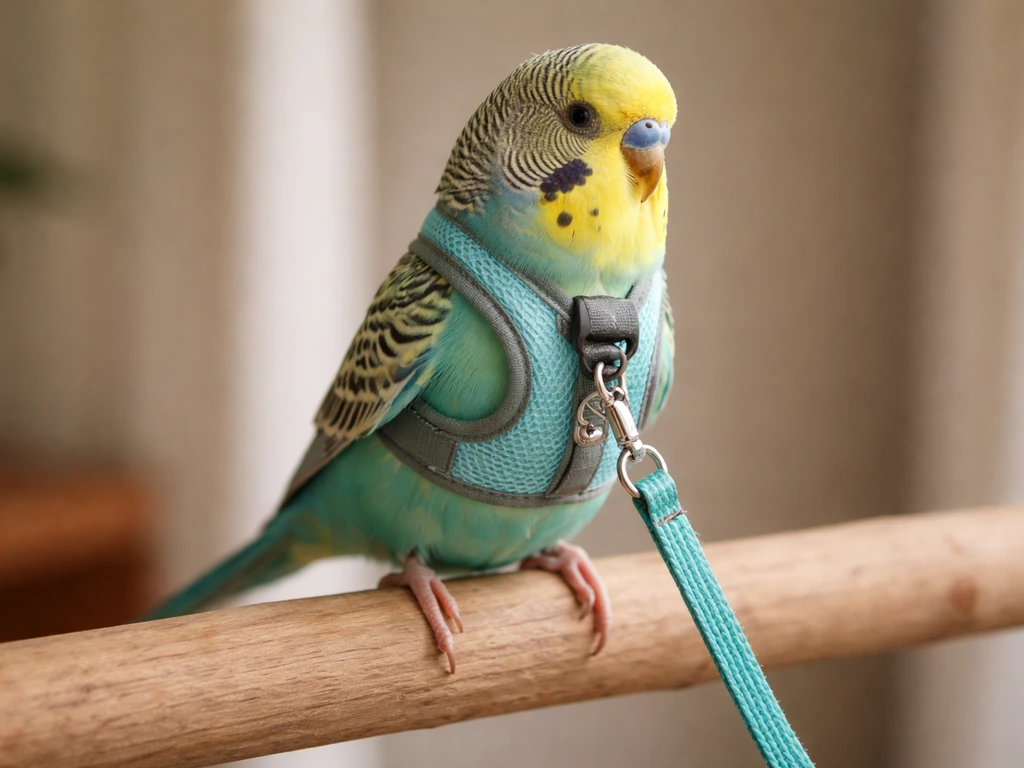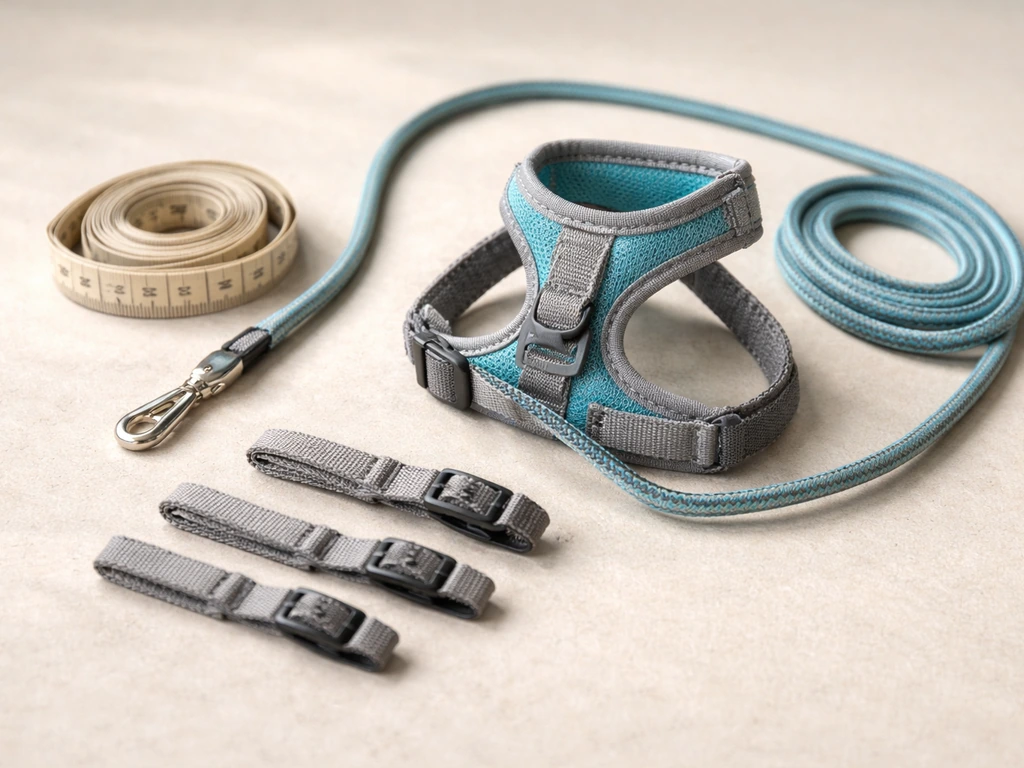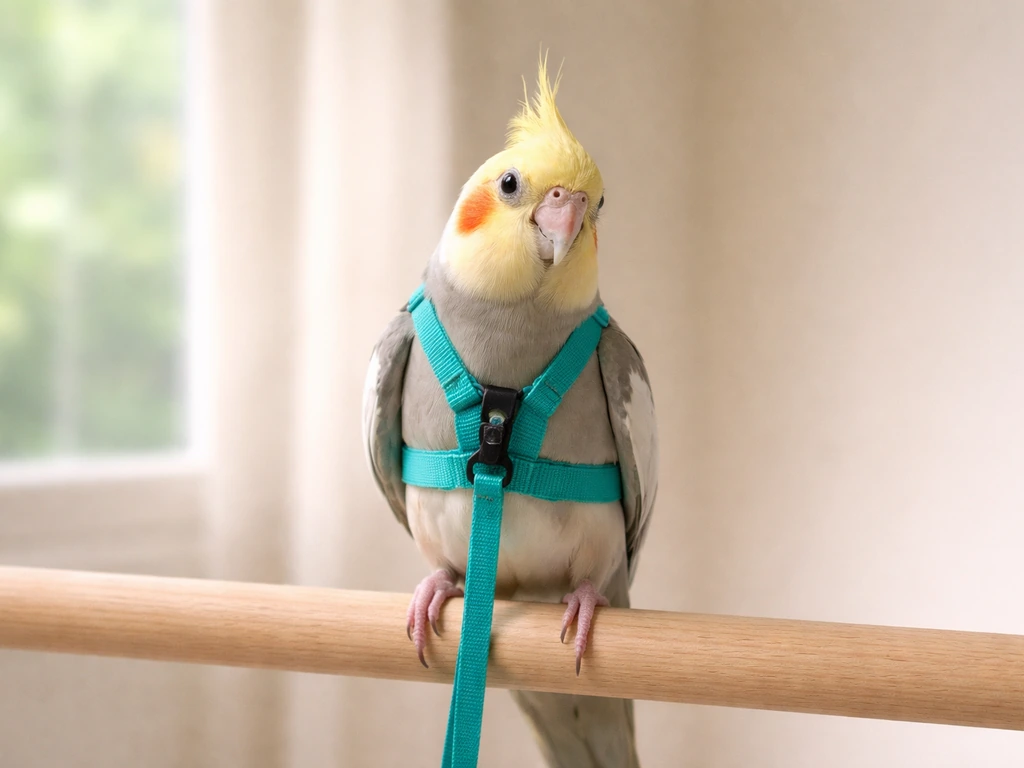
For most conures, the Aviator Harness in Petite or Small size is the best starting point. It's escape-resistant, comes with an elastic leash that absorbs sudden jolts, and fits the 75–130 gram body range that covers green cheeks, brown throats, and similar small-to-medium conures. If your bird is on the larger side (sun conure, jenday, nanday), bump up to Small.
Best Bird Harness for Conure: Fit, Training, and Top Picks

Marcus Chen
11 Jun 2026
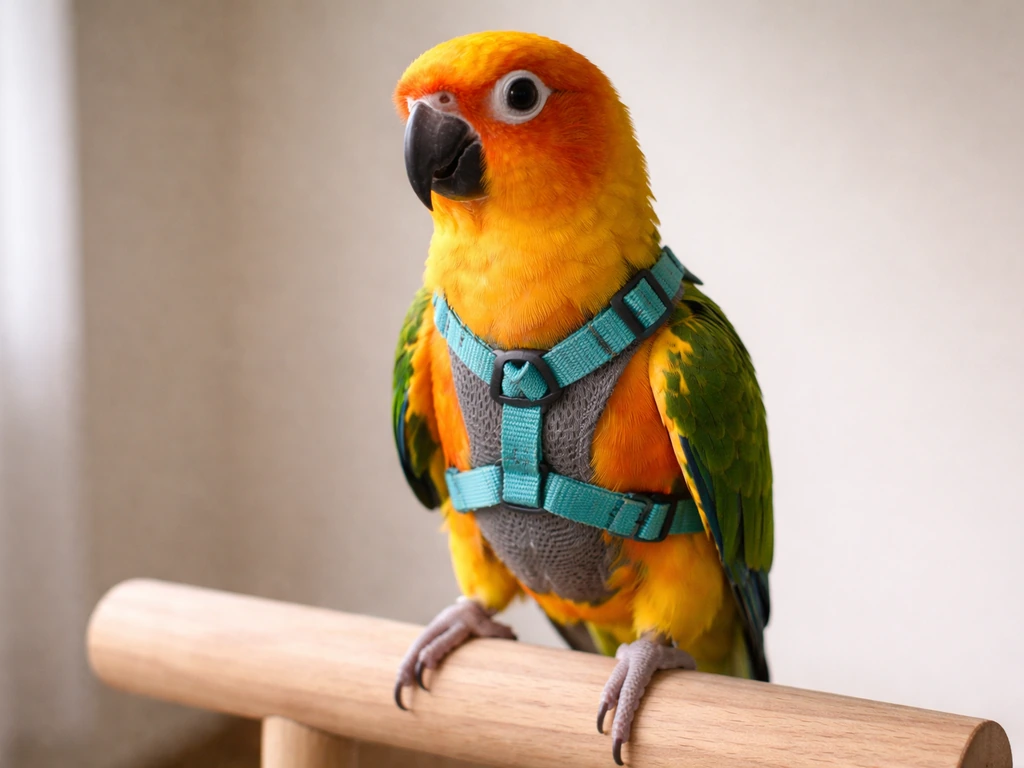
If you want quicker daily on/off without fiddling with loops, the Double T Bird Harness with its quick-release buckle is a solid alternative. If you’re shopping for the best small bird harness, focus on sizing and a secure fit before choosing a quick-release style. But the harness itself is only half the equation. A good leash is just as important as the harness itself, so look for one designed for secure attachment and comfortable tension.
Fit, acclimation, and knowing when NOT to use one will make or break the whole experience.
Does your conure actually need a harness?
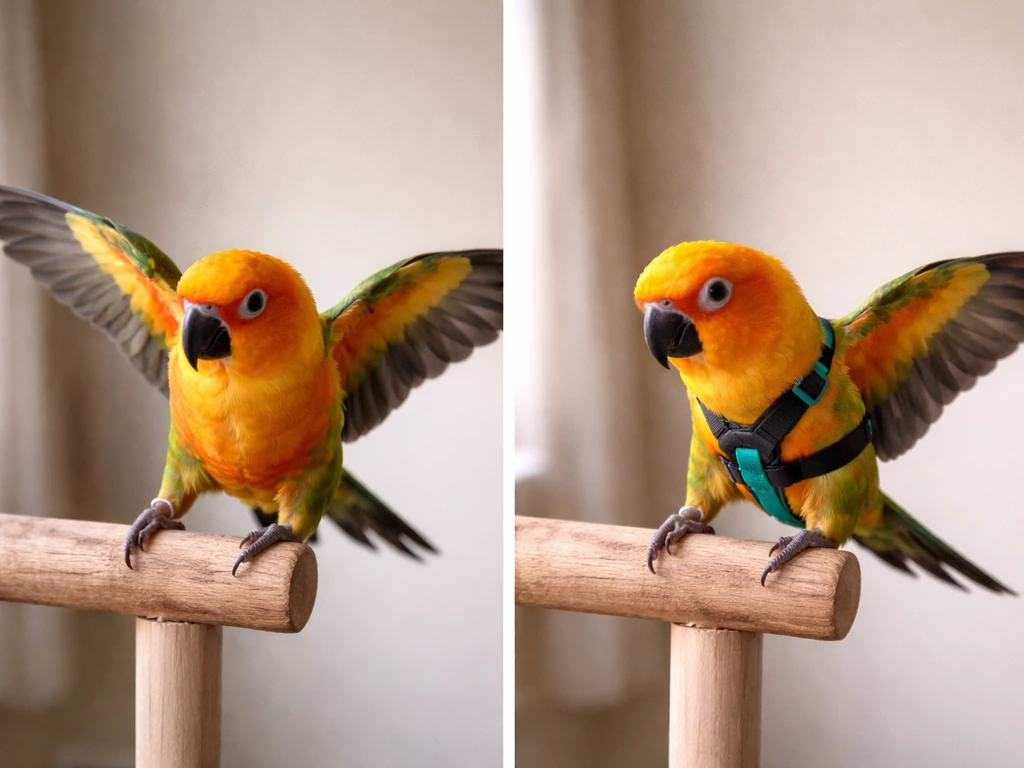
A harness is not a requirement for every conure owner, and it's worth being honest about that upfront. The main reason to use one is outdoor freedom: letting your bird sit on your shoulder at the park, explore a garden, or travel without being locked in a carrier. If your conure is fully flighted and you want to take it outside, a harness is genuinely one of the safest options available because it prevents sudden escapes without clipping wings. That's a real, practical benefit.
That said, a harness is not a substitute for recall training, and it doesn't make outdoor environments inherently safe. Crowds, dogs, traffic, and unfamiliar birds all stay dangerous regardless of what your bird is wearing. Think of the harness as a backup layer, not a permission slip for higher-risk outings. If your bird is mostly kept indoors, has clipped wings, or you're not planning supervised outdoor adventures, a harness may not be something you need right now at all. A good bird carrier might serve you better for transport situations.
How to choose the right harness style for a conure
Conures are small-to-medium parrots with active bodies, strong beaks, and a tendency to wriggle. The harness style you pick needs to address all three of those things. There are two main styles worth considering for conures specifically.
Figure-8 / loop-style harnesses
This is the Aviator's design. The harness forms a loop around the chest and another around the back, connected by a piece that runs between the wings. The attachment point for the leash sits on the bird's back. A good leash helps you keep control during walks while staying comfortable for your bird best bird leash.
Because it distributes tension across the chest and back rather than a single point, it's less likely to put strain on any one area when your bird moves or the leash goes taut. The Aviator specifically is designed so the harness automatically shifts from chest to back attachment as the bird climbs or flaps, which means there's no sudden yank on a fixed point.
Quick-release buckle harnesses
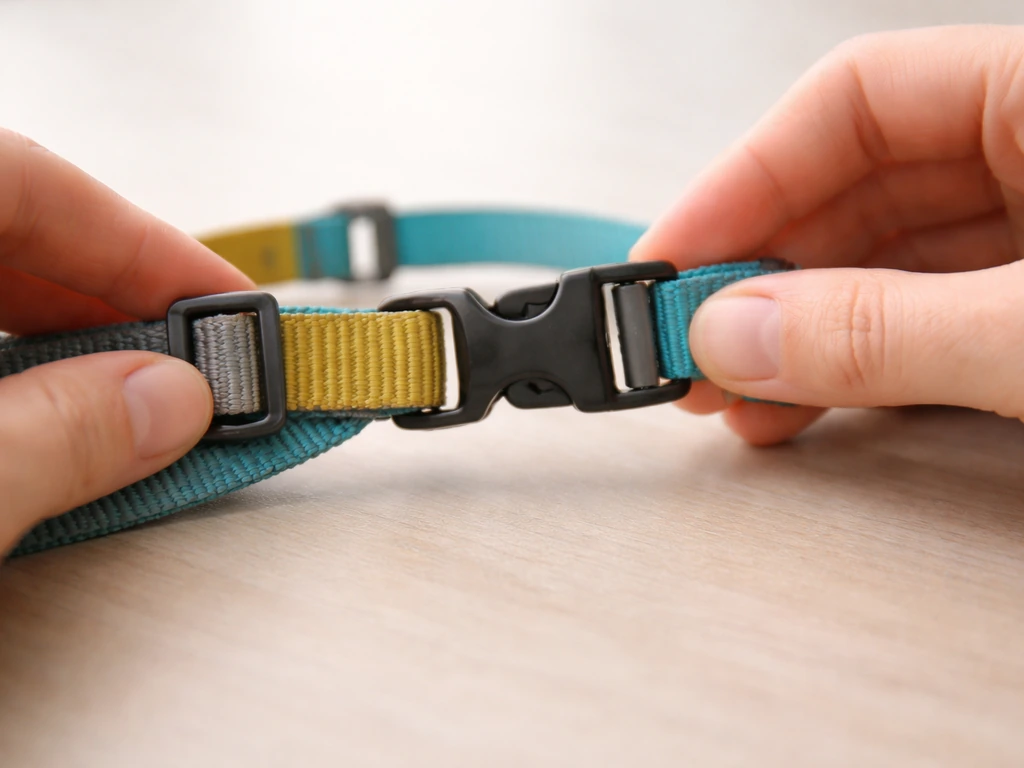
The Double T Bird Harness (made in Australia from polyester webbing) uses a quick-release buckle that makes daily on/off significantly faster once your bird is trained. This is genuinely useful if you're putting the harness on and taking it off multiple times a day and don't want to renegotiate the loop placement every time. The trade-off is that buckle-style harnesses require a bit more precision in initial sizing since they don't auto-adjust the same way.
For most first-time conure owners, start with the Aviator. The loop design is more forgiving during early training when your bird is learning to tolerate the feel of it, and the attached elastic leash prevents hard jerks that could startle or injure your bird. Once you're comfortable with harness use and want faster daily wearability, the Double T is worth considering as a second harness.
How to measure your conure and find the right size
Getting sizing wrong is the most common beginner mistake with bird harnesses, and it has real consequences. A harness that's too tight can compress the chest and restrict breathing. Birds breathe using their entire body wall, so any pressure around the torso is a breathing issue, not just a comfort issue. Too loose and the harness becomes an escape risk or a tangling hazard.
The two measurements you need are girth (the circumference around the widest part of your bird's chest, just below the wings) and length (back of the neck to base of tail). Measure with a soft tape measure while your bird is calm, ideally perched upright. Do not pull the tape snug. You want a relaxed circumference. For reference, a green cheek conure typically falls in the Petite range on the Aviator chart (75–110 grams body weight), while a sun conure or jenday at 100–130+ grams usually fits Small.
| Conure Type | Approx. Weight | Aviator Size | Double T Size |
|---|---|---|---|
| Green Cheek Conure | 60–80g | Petite | Small (per brand chart) |
| Brown Throat Conure | 80–100g | Petite | Small |
| Sun Conure | 100–130g | Small | Small–Medium |
| Jenday Conure | 110–140g | Small | Small–Medium |
| Nanday Conure | 130–160g | Small | Medium |
Always cross-reference weight with girth when possible. Weight alone can be misleading because some conures are stockier than others at the same gram count. Once the harness is on, you should be able to slide one finger underneath the chest loop without force. If you can't slide a finger in, it's too tight. If you can fit two fingers easily and the loop shifts around on its own, it's too loose.
The best harness options for conures: honest pros and cons
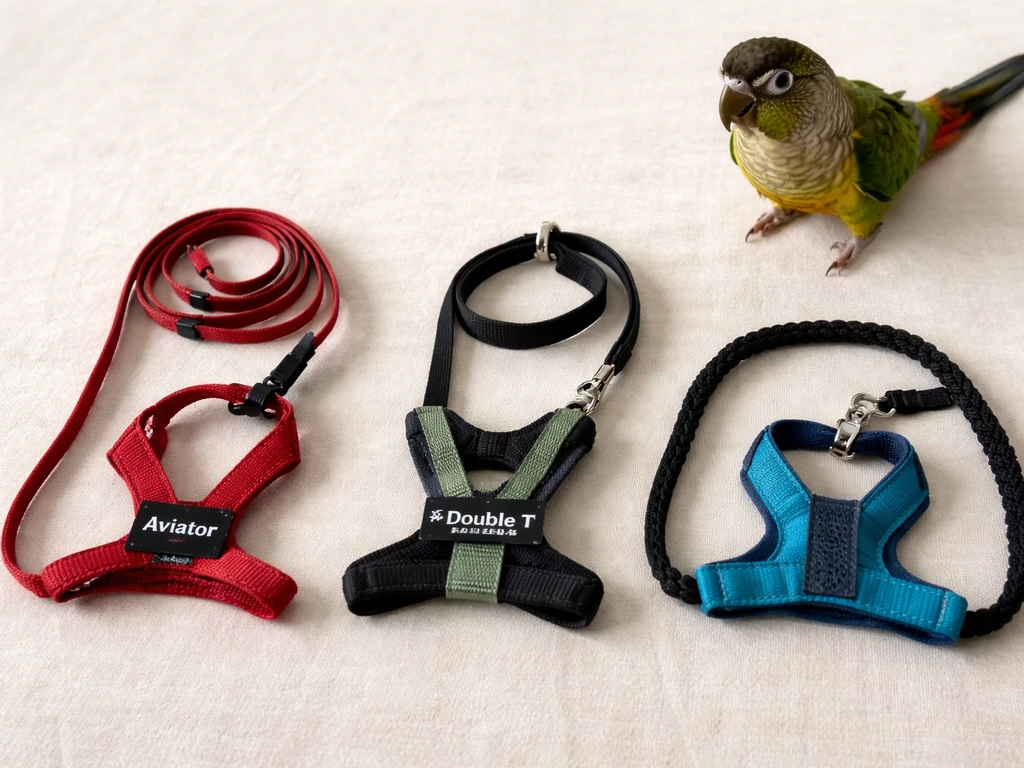
| Harness | Best For | Pros | Cons |
|---|---|---|---|
| Aviator Harness (Petite or Small) | First-time users, green cheeks, small-to-medium conures | Escape-resistant design, elastic leash absorbs shock, auto-adjusts on back/chest, comes with training info, widely available | Takes practice to put on, loop threading can be fiddly at first, not the fastest daily option |
| Double T Bird Harness (Small) | Experienced owners wanting fast daily on/off | Quick-release buckle, handmade polyester webbing, durable, Australian-made quality | Less widely available outside Australia, buckle sizing less forgiving, no included leash shock absorption |
| Aviator with Leash Extension | Owners who want more outdoor range after initial training | Adds distance without replacing the harness, designed to work with existing Aviator setup | Only useful after full harness training is complete, adds cost |
If you're buying your first harness today and your conure is a green cheek or similarly sized bird, get the Aviator Petite. If you have a sun conure or larger, get the Aviator Small. Order both sizes if you're genuinely unsure, because being stuck with the wrong fit is more frustrating than the cost of an extra harness. Once your bird is comfortable wearing it and you've done a few weeks of training, the leash extension is a nice add-on for longer outdoor sessions. If you're trying to zero in on the best bird vest for your conure, start by matching the harness style to your bird's size and how you plan to use it outdoors.
How to introduce the harness safely, step by step
This is where most people go wrong. They buy the harness, try to put it on the bird the same day, get bitten or scared, and then the harness sits in a drawer forever. The introduction process needs to be blank" rel="noopener noreferrer">slow, reward-based, and structured around what your bird is already comfortable with. Use positive reinforcement and keep acclimation slow so the bird learns to tolerate the harness blank" rel="noopener noreferrer">reward-based. Rushing this step creates a bird that fears the harness rather than tolerates it.
- Days 1–3: Place the harness near your bird's cage or on its play stand without attempting to handle the bird with it. Let the bird look at it, investigate it, and get used to its presence. Reward calm or curious behavior with a favorite treat.
- Days 4–7: Hold the harness in your hand during regular handling sessions. Let your bird touch or beak it. Reward any neutral or positive interaction. Do not attempt to loop it over anything yet.
- Days 8–12: Practice opening the loops and moving the harness near your bird's head and body while they're perched or on your hand. Reward tolerating the proximity. Stop immediately if your bird shows stress signals (feathers slicked tight, panting, trying to flee).
- Days 13–18: Begin threading the head loop over your bird's head for a second or two and immediately removing it, followed by a high-value treat. Repeat many times across multiple short sessions (2–3 minutes each).
- Days 19–25: Extend the time the head loop is on before removing it. Begin gently guiding the wing loops into position without fully securing them. Keep sessions short and end on a positive note every time.
- Week 4 and beyond: Work toward fully securing the harness for increasing durations indoors before attempting any outdoor use. The bird should be calm and eating treats while wearing it before you ever take it outside.
The reward you use matters. Use the best treat your bird actually responds to. For most conures that means a small piece of almond, walnut, or a bite of their absolute favorite food, reserved only for harness training. If your bird will take a treat while the harness loop is over its head, that's a genuine green light to continue. If it won't eat, that's a signal the bird is too stressed and the session should end.
Never physically force the harness on a panicking bird. Improper physical restraint that squeezes the chest is genuinely dangerous for birds. Unlike mammals, birds breathe using the movement of their body wall, and compressing the chest during a struggle can cause respiratory distress quickly. If your bird is struggling hard, stop, put the harness down, and go back to an earlier step in the sequence.
Safety checklist and beginner mistakes to avoid
Here's the quick reference list I wish someone had handed me before I started. Go through this every time, especially during the early weeks.
- Fit check before every outing: one finger should slide under the chest loop without forcing it
- Never leave a harnessed bird unsupervised, even for a minute
- Check the leash attachment point and clip before each use for wear or cracking
- Keep the leash short enough that your bird cannot reach a fence, branch, or railing it could tangle around
- Avoid harnessing a bird that is in active molt (pin feathers are sensitive and painful to pressure)
- Do not use the harness in extreme heat or cold since birds regulate temperature through body movement
- Do not expose a newly harnessed bird to dogs, cats, or high-traffic environments until it is fully calm wearing the harness indoors
- Have your bird microchipped or leg-banded in addition to harness use since harnesses are not damage-proof
- Order a backup size if your bird is on the border between two sizes
- Check clip and leash hardware compatibility if you buy third-party clips or extensions
The most common beginner mistake is skipping the indoor acclimation phase and heading outside too early. The second most common mistake is using a harness as a reason to put the bird in situations it isn't ready for. A harness doesn't make your bird safer around a dog. It just means it can't fly away from the dog. That's a critical distinction.
When to skip the harness entirely, and what to do when fit or behavior isn't working
Some conures should not be harnessed, at least not yet, and some situations call for a different approach altogether. Here's when to put the harness away.
Health-related reasons to stop
- Active molt with visible pin feathers on the chest, back, or neck — the pressure is painful and can break blood feathers
- Any respiratory issue, labored breathing, or recent illness — the harness should never add any chest restriction to a bird already struggling to breathe
- Post-surgical recovery or current injury to the wings, keel, or back
- Underweight bird where girth is significantly smaller than normal for the species — no size will fit safely
Behavior-related reasons to pause
- Your bird shows prolonged fear responses (stress bars on feathers, refusal to eat near the harness after 3+ weeks of gentle introduction) — consult an avian vet or behavior consultant before continuing
- Your bird has a history of self-injurious behavior or feather destruction that could be worsened by the tactile stress of a harness
- Your bird bites hard enough to draw blood during every handling attempt — the harness introduction process requires basic trust between bird and owner to work safely
Troubleshooting fit problems
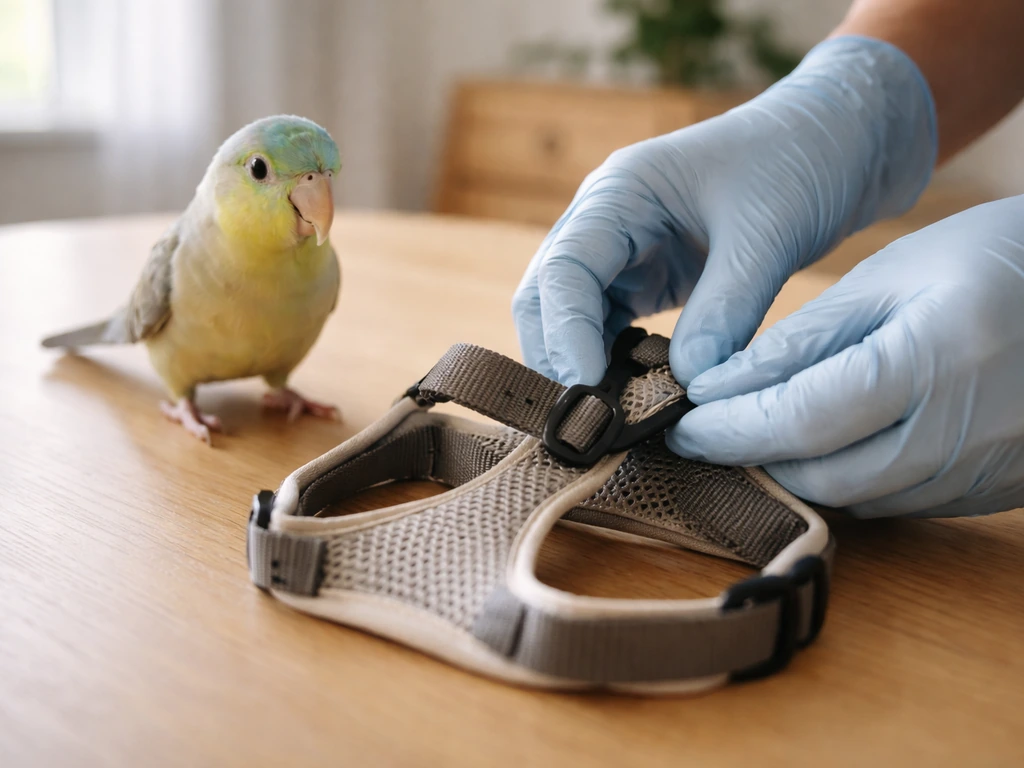
If the harness keeps riding up, the chest loop is probably too large. If your bird is constantly trying to step out of it or the back piece slides to one side, the girth measurement is off. With the Aviator, small adjustments to how you thread the loop can make a noticeable difference in fit without needing a different size. If you've genuinely tried both adjacent sizes and neither fits correctly, the Double T brand (which uses girth-based sizing with more specificity) may give you a better match for an unusual body shape.
If your bird tolerates the harness fine at home but panics the moment you step outside, that's an environment problem, not a harness problem. Go back to indoor practice in more stimulating settings first: turn the TV on, have other people in the room, open a window. Build up the level of stimulation gradually before outdoor use. That staged approach is the same principle behind all good bird acclimation work, and it applies just as much to harness outings as to anything else.
If outdoor adventures aren't the goal but safe transport is, also take a look at what bird carriers can offer since a well-ventilated carrier is sometimes a lower-stress option than a harness for certain birds and certain situations. For smaller birds like cockatiels, the fitting and training considerations overlap significantly with conures, so many of the same steps apply if you're managing multiple birds of different sizes. If you're specifically shopping for the best bird harness for cockatiel, focus on a secure but gentle fit and a style your bird can acclimate to quickly.
FAQ
Can I use a harness on a conure that is clipped (or partially clipped) wings?
Yes, but treat it as a training tool first. Even with clipped wings, you still need staged acclimation, and the harness can shift or rub if the fit is off. If your bird panics outdoors, prioritize indoor stimulation practice before assuming clipping reduces risk enough to proceed.
How tight is “safe” during the fit check, and what signs mean the harness is too tight?
Use the relaxed fit rule (one finger under the chest loop without force). If the bird is breathing hard, lifting or straining its body to work the chest area, or the harness leaves visible pressure marks, stop and re-check girth and loop positioning before continuing training.
Should the leash be clipped on right away during first-time harness training?
Generally no. Start with the harness on without the leash for short sessions, then add leash presence later once your conure can eat while the harness is in place. This prevents accidental tension on an unacclimated bird when you move or reposition.
What if my conure keeps rubbing the harness or trying to preen the loops?
Small adjustments and distraction can help, but persistent rubbing is often a fit or material issue. Confirm the chest loop is not riding too high and that the back piece sits centered, then extend training time gradually. If rubbing happens only when you walk around, the issue may be your movement speed rather than the harness.
Is a quick-release buckle (Double T style) less safe than the Aviator design?
It can be equally safe, but it demands better initial sizing. Because it lacks the same automatic shifting behavior, confirm the buckle does not allow the loop to loosen when your bird flaps or climbs. Always do a brief “tug and movement” check on the fit indoors before going outside.
How do I choose between sizing by weight versus girth for my conure?
Girth usually matters more for avoiding chest compression. Weight can be misleading if your bird is stockier or more muscular at the same gram range. If weight suggests Small but girth falls between sizes, pick the size that passes the one-finger-under test without forcing.
Can I leave the harness on for long periods at home?
Short, supervised sessions are best. The goal is acclimation, not all-day wear, because even well-fitted loops can cause friction or stress over time. If your bird is calm and preening normally, you can extend duration slowly, but remove it before naps and always monitor closely.
What should I do if the harness slides or the attachment point ends up in the wrong place?
First, re-check girth measurement accuracy (widest chest area just below the wings). For the Aviator, small threading and loop placement adjustments can correct riding-up behavior. If you consistently see misalignment in both adjacent sizes, consider switching style to a harness with girth-based specificity (like the Double T approach).
Do I need a leash extension for daily walks, or is the included leash enough?
For brief, nearby sessions while your bird is learning, the included elastic leash is usually sufficient. Add an extension only after training is stable, because extra length increases the chance of getting tangled or creating leverage that makes a new bird uncomfortable.
When should I stop using the harness and switch to a carrier or different plan?
Stop if your bird panics immediately outdoors despite weeks of indoor practice, if the harness repeatedly causes pressure issues, or if you cannot achieve a stable fit after trying adjacent sizes. A well-ventilated, low-stress carrier may be safer for transport or short outings when your bird is not ready for shoulder time.
Is it safe to rely on the harness around dogs or crowds?
No. A harness can prevent escape, but it does not remove other risks like dog predation instincts, crowd collisions, or aggressive unfamiliar birds. Treat harness outings as “still supervised and controlled,” never as a substitute for distance, barriers, and environment management.