Bird launchers are devices originally designed for dog training, where they mechanically or electronically release a live bird into flight at a chosen moment during a training session. In the dog training world, that's their primary job. But if you landed here as a pet bird owner wondering what a bird launcher is and whether you need one, the honest answer is: you almost certainly don't need a traditional bird launcher. A bird hook knife is sometimes discussed in the same training and hunting context, so if you're researching tools like these, this guide can help clarify what it's used for and how it differs from play equipment what a bird hook knife used for. If you meant a bird-themed basket gift, learn what a bird basket gift typically includes and how to choose one safely for a companion bird what is a bird basket gift. What you probably do need is a safe, enriching play area outside your bird's cage, and some people use the term loosely to describe any setup that gets a bird moving, exploring, and practicing flight in a controlled space.
What Are Bird Launchers Used For in Pet Bird Care

So what exactly is a bird launcher?
A bird launcher in its original, technical sense is a spring-loaded or electronically triggered device that holds a live bird (usually a quail or pigeon) and releases it on command. Manufacturers like NUM'AXES market them specifically so handlers can "launch a bird when you decide it," simulating a natural flushing scenario for hunting dog training. That's the domain these products come from. They are not pet bird accessories.
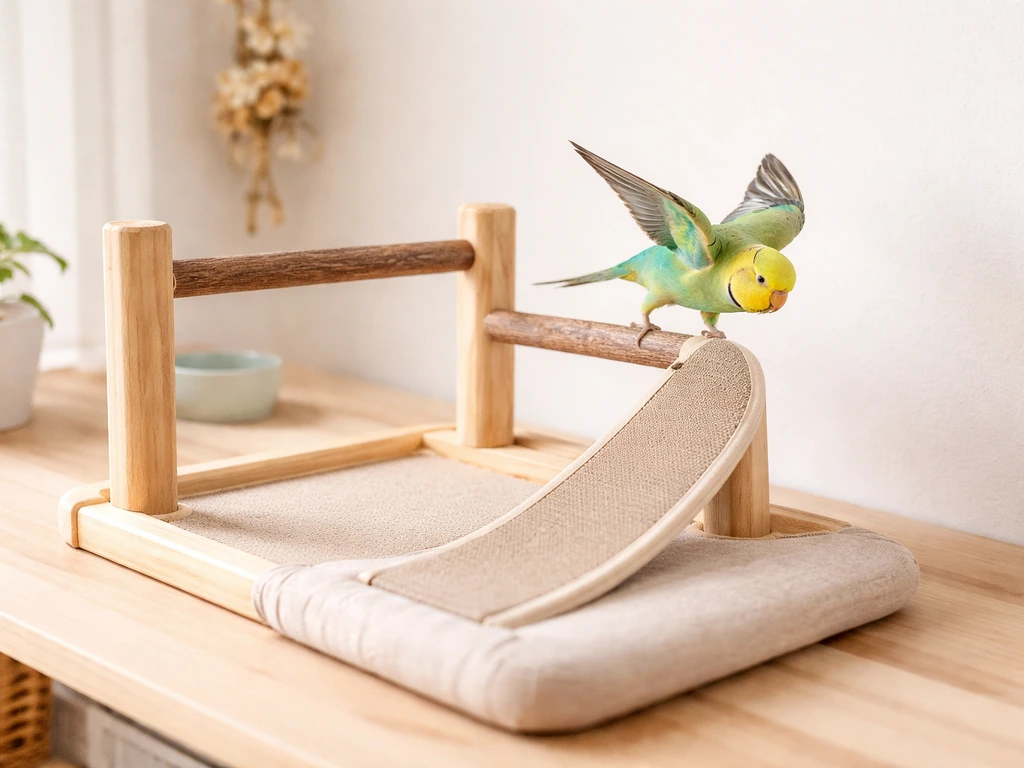
For pet bird owners, the term sometimes gets used informally to describe any tool or setup that encourages a bird to take flight, move between stations, or step up and launch off a perch during training. Some setups, like the so-called “liver bird building,” are used as a dedicated play or training area to encourage safe out-of-cage movement and enrichment. In that looser sense, a "bird launcher" in a home setting is really just a well-placed play stand, a training perch, or a designated flight space that gets your bird off the couch and into healthy movement. That's the version this article focuses on, because that's what's actually relevant if you have a parrot, cockatiel, or other companion bird at home. A what is a bird basket question usually refers to a safe, purpose-built basket-style play space for a bird, similar to a play stand or training perch.
What they're actually used for in a pet bird's daily life
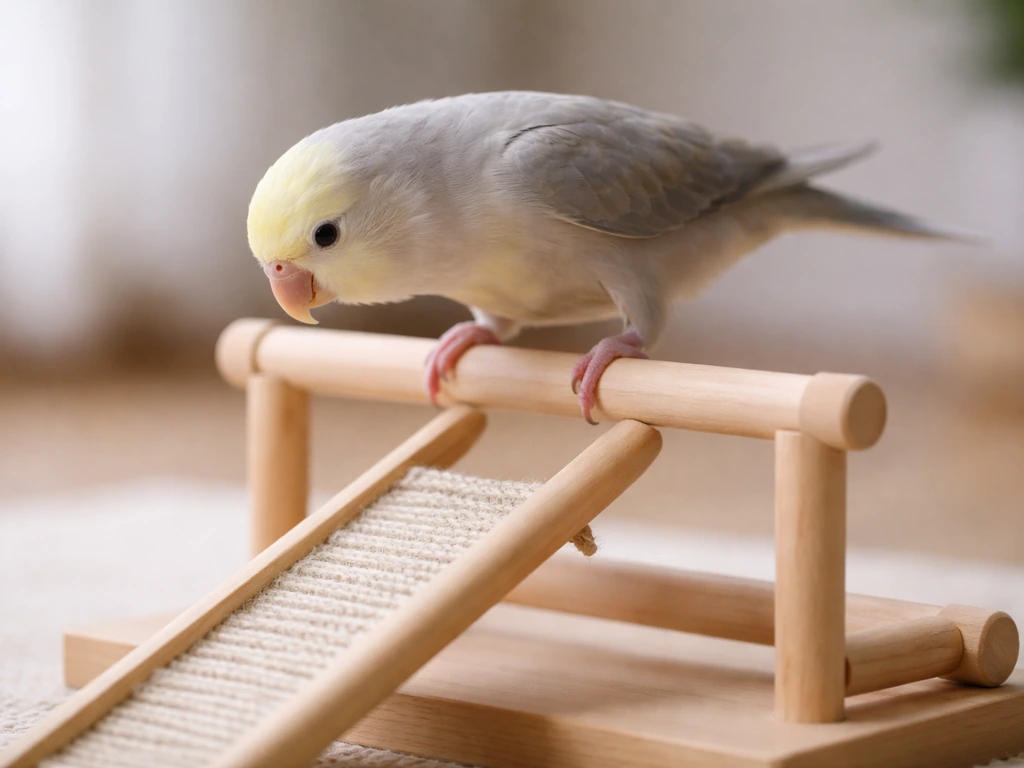
The real purpose behind any bird launcher or play station setup is simple: giving your bird a reason to move. Birds in the wild fly, forage, climb, and explore constantly. A bird habitat is the environment where a bird lives and carries out natural behaviors like flying, foraging, and resting. A cage, no matter how nice, can't replicate that. Giving your bird a designated space outside the cage, whether that's a play stand, a training perch, or a bird-safe room, directly supports their physical health and mental enrichment.
Purdue University's veterinary college notes that time outside the cage on a playpen is genuinely beneficial for pet birds that can be let out safely. SpectrumCare frames play stands and training perches as tools that support daily exercise and activity outside the cage. The goal is the same whether you call it a play station, a launcher perch, or just "outside time": your bird gets to move, forage, interact with you, and behave more like a bird.
When would a beginner bird owner actually use one?
If you're new to bird ownership, a play stand or training perch is one of the first accessories worth getting, not one of the last. Here's when it makes the most sense:
- Your bird is tame enough to come out of the cage but you don't have a safe, obvious place for them to go.
- You're working on step-up training and want a neutral spot that isn't the cage (birds are often more cooperative on a stand than on their cage top).
- Your bird is getting restless, feather-plucking, or screaming more than usual, which are signs they need more stimulation and movement.
- You want to build flight recall skills in a controlled space, starting with short, predictable distances between perches.
- You're trying to create a daily routine that includes dedicated out-of-cage enrichment time.
First-time owners often underestimate how much mental and physical stimulation a bird needs outside the cage. Getting a play stand early, before behavioral problems start, is way easier than trying to fix a bored, anxious bird later.
How to pick the right launcher or play station for your bird
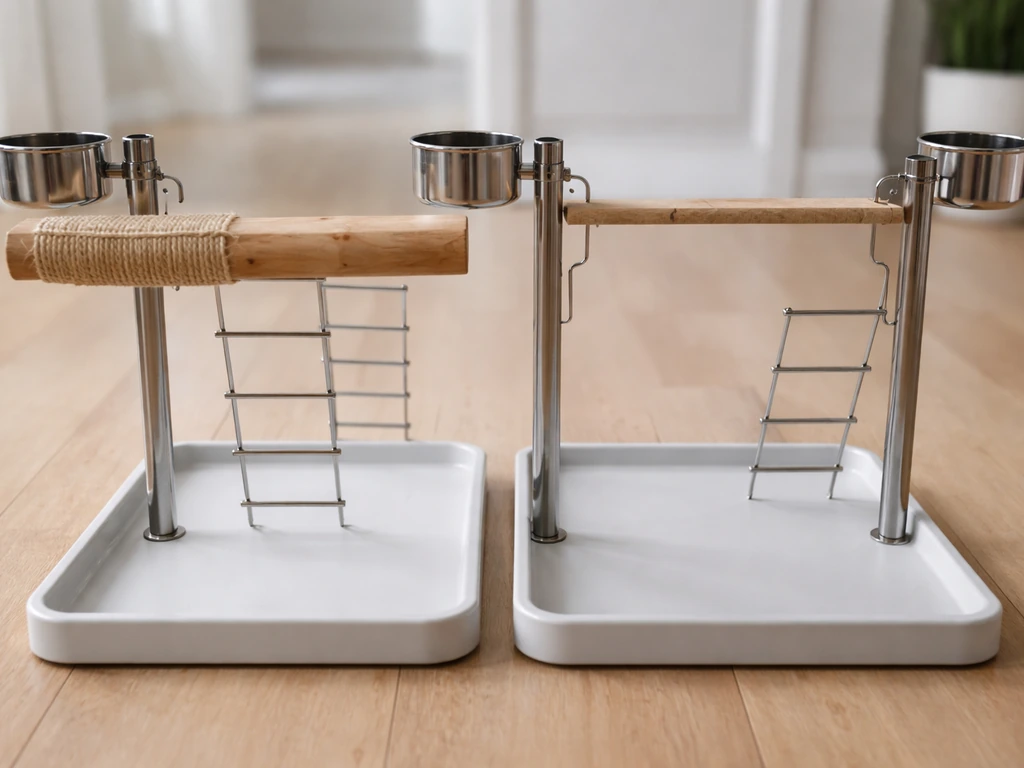
Not every perch or play stand is built for every bird. Getting this wrong is one of the most common beginner mistakes, so let's break it down clearly.
Match the size to your species
A cockatiel needs a very different perch diameter and stand footprint than a macaw. As a rough guide, the perch diameter should allow your bird's foot to wrap about three-quarters of the way around, without their front and back toes touching. Too thin and they can't grip properly; too thick and they strain to hold on. A budgie might need a 3/8-inch perch, while an African grey or Amazon does best around 1 to 1.5 inches.
Check materials carefully
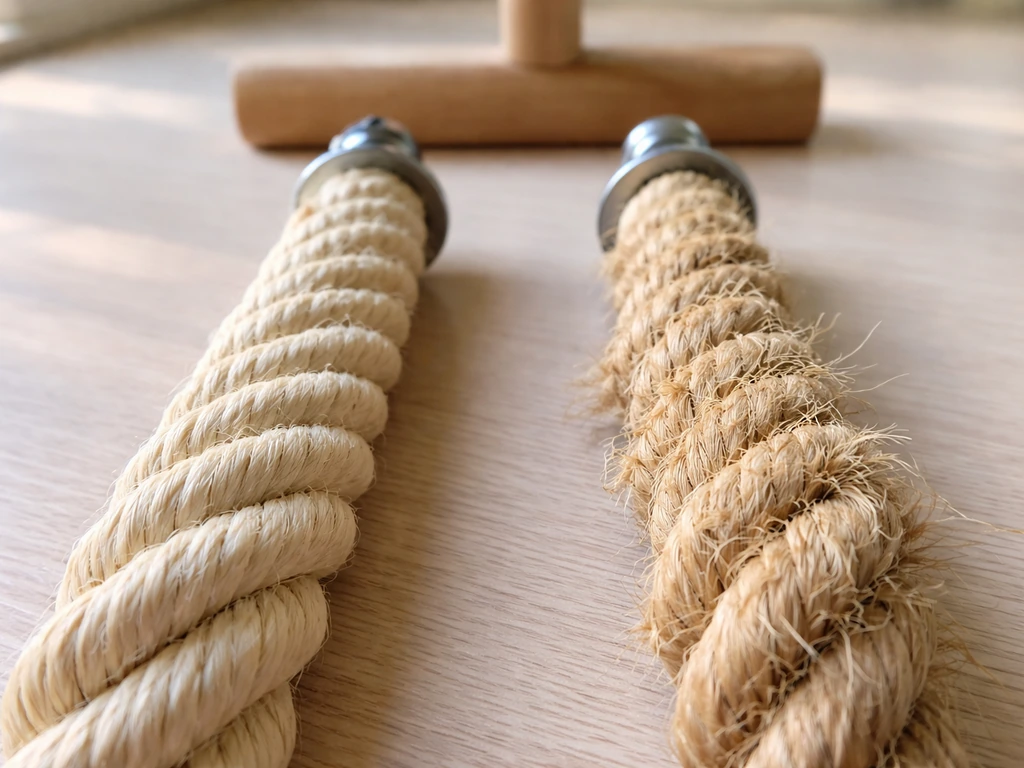
VCA Animal Hospitals specifically notes that avian vets have concerns about synthetic rope perches because the fibers can fray, and birds can get toes or beaks caught, or ingest fibers that cause crop issues. If you choose a rope element, inspect it constantly and replace it at the first sign of fraying. Natural materials like untreated wood, sisal, and vegetable-tanned leather are generally safer and easier to replace. The avianwelfare housing guidelines list these as appropriate destructible materials. Avoid anything painted with unknown finishes, galvanized metal with zinc (toxic if chewed), or plastic that your bird can chip into fragments.
A quick species-to-setup comparison
| Bird Species | Recommended Perch Diameter | Stand Type | Key Consideration |
|---|---|---|---|
| Budgie / Parakeet | 3/8 to 1/2 inch | Small tabletop stand | Lightweight; needs multiple perch levels |
| Cockatiel / Lovebird | 1/2 to 3/4 inch | Small to medium tabletop stand | Active climbers; include foraging spots |
| Conure / Caique | 3/4 to 1 inch | Medium floor or tabletop stand | High energy; sturdy construction needed |
| African Grey / Amazon | 1 to 1.5 inches | Medium to large floor stand | Need mental challenge toys attached |
| Cockatoo / Macaw | 1.5 to 2+ inches | Heavy-duty large floor stand | Must be bolted or weighted; very strong chewers |
Where to put it and how to introduce it without freaking your bird out
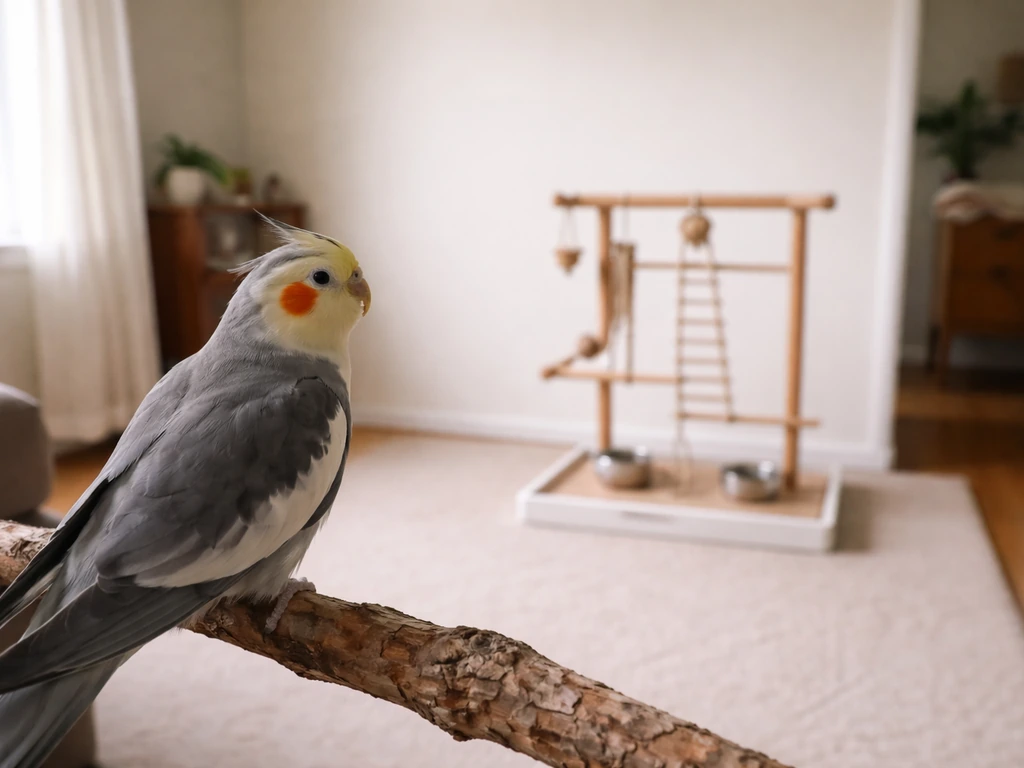
Placement matters more than most beginners expect. The Association of Avian Veterinarians recommends introducing new items slowly, starting by placing the new object across the room so the bird can observe it at a distance before it gets any closer. Don't just plop a new stand inside or right next to the cage and expect your bird to love it immediately. Some birds take days or even a week to warm up to a new structure.
- Start with the stand on the opposite side of the room from the cage. Let your bird see it and get used to its presence with no pressure.
- Move it gradually closer over several days, still without forcing interaction.
- Offer high-value treats near or on the stand to build a positive association.
- Let your bird explore it outside the cage before ever placing it inside or adjacent to the cage.
- Once they're comfortable landing on it freely, it can live wherever makes the most sense in your daily routine.
On placement: keep the stand away from the kitchen. PetMD and other avian sources are clear that overheated nonstick cookware (Teflon/PTFE) releases fumes that can kill birds within minutes, and a bird on a nearby stand is far too close to that risk. If you are offering foods in a suet-style treat station, make sure you use a what is a bird suet basket designed for birds and keep it in a bird-safe area away from fumes. Also, following Wayfair's guidance on perch placement, don't position the stand directly above food or water bowls, because droppings contaminate them fast.
If you're setting up a flight space rather than just a stand, treat it like a flight-safe room: cover windows with blinds or decals so the bird doesn't fly into the glass, remove ceiling fan risks by keeping fans off entirely during out-of-cage time, and make sure no other pets can enter the space.
Mistakes to avoid and safety red flags
I've seen (and made) enough beginner mistakes in this space to give you a solid list of what to watch out for.
- Buying a stand made of galvanized metal or unknown painted finishes: zinc and some paints are toxic when chewed, and birds chew everything.
- Ignoring fraying rope: once a synthetic rope perch starts unraveling, it's a toe-entanglement and ingestion risk. Replace it immediately.
- Forcing the bird onto the stand before they're ready: watch for stress signals like open-mouth breathing, raised head feathers, wings held away from the body, hissing, or panting. Back off and slow the introduction if you see these.
- Placing the stand near the kitchen or in a room with aerosol sprays, scented candles, or nonstick cookware: birds' respiratory systems are extremely sensitive and can be fatally affected by fumes that humans barely notice.
- Setting it up with no foraging or enrichment items attached: a bare stand is boring; add a toy, a foraging cup, or a chew item to make it rewarding.
- Using a stand that's too small or too wobbly: if it tips when the bird lands, it becomes a fear object instead of a safe spot.
- Skipping vet clearance for birds with clipped wings or health issues before encouraging flight between perches.
Your next steps after you choose one
Here's the quick action checklist to take you from "I just bought a play stand" to "my bird loves it and uses it every day."
- Check all materials before assembly: look for untreated wood, natural rope like sisal, or vegetable-tanned leather. Avoid galvanized metal, unknown paints, and cheap plastic your bird can chip.
- Place it across the room first and leave it there for two to three days. No pressure, no forced interaction.
- Introduce high-value treats on or near the stand to build a positive association before your bird has to touch it.
- Add one foraging item or toy to make the stand rewarding from day one.
- Bird-proof the room: ceiling fan off, windows covered or decaled, kitchen off-limits, other pets out.
- Keep the stand away from food and water bowls to prevent dropping contamination.
- Watch your bird's body language during every early session. If you see stress signals, end the session, back up, and slow down.
- Inspect rope, wood, and attachment points weekly for fraying, splintering, or loosening.
- Build out-of-cage time into a daily routine, even 30 minutes is a meaningful start for most small to medium birds.
- If your bird is clipped or has any health concerns, check with an avian vet before encouraging active flight between perches.
A good play stand or training perch setup is one of the highest-impact investments you can make for your bird's quality of life. It's simpler than setting up a full bird aviary or enclosure, but it solves the same core problem: giving your bird a reason to move, explore, and engage with their environment every single day. A bird aviary is a larger, more permanent setup designed to give multiple birds or more space for flight and enrichment. Start small, go slow on the introduction, and prioritize safety over fancy features, and you'll be in great shape.
FAQ
If someone says “bird launcher” online, are they talking about a dog-training device with a live bird release?
Usually not for pet birds. In companion-bird groups, “bird launcher” is often used informally for a perch, play stand, or training setup that gets a bird moving. The dog-training version is an actual spring or electronic release designed to launch live game birds, and it is not appropriate or safe for typical pet-bird enrichment.
Can a bird launcher concept work for flight training in my home?
It can, if what you really mean is a controlled flight space or step-up routine. Focus on a safe, room-level setup (window protection, no ceiling fans, no other pets) and train the bird to step onto a perch or station you provide. Avoid anything that startles or forces the bird into a release behavior.
What are the biggest safety risks if I try to use the “launcher” idea with my bird?
The most common risks are injuries from poorly matched perch size or unstable platforms, and exposure to household hazards during out-of-cage time. Pay special attention to nonstick fume risk (hot cookware), rope fibers that can fray or be chewed, and placements that put the perch above food or water where droppings contaminate bowls.
How do I choose the right perch size if I’m using a launcher-style play stand to get my bird moving?
Use grip comfort as your guide. A practical target is that the bird’s foot wraps about three-quarters of the way around without toes touching, too thin causes poor grip, too thick strains. Then check daily: if you see splayed toes, slipping, or foot redness, adjust the diameter and surface immediately.
Is a rope perch acceptable as part of a launcher or training setup?
Rope elements can be a problem because fibers can fray and catch toes or beak, or be ingested. If you use rope anyway, inspect frequently and replace at the first sign of wear. Prefer safer destructible options like untreated wood, sisal, or vegetable-tanned leather designed for bird use.
My bird ignores the new play stand. How long should I wait, and what should I do in the meantime?
Don’t assume it will be instant. Many birds need days to a week to warm up. Start by placing the new stand farther away so the bird can observe it safely, then gradually move it closer. If you see fear or stress, slow the pace rather than removing it abruptly.
Can I put the play stand near my kitchen or while I’m cooking?
Avoid it, especially when cooking with nonstick cookware. Bird-safe guidance is to keep the bird out of areas where PTFE or overheated nonstick fumes could reach them, and to use the play space away from that environment during cooking times.
What’s the best way to prevent the bird from getting poop into the area where it eats or drinks?
Do not position the stand directly above food or water bowls. Instead, place the station so droppings cannot fall into the dishes, and clean the perch and surrounding area regularly as part of routine maintenance.
Should I cover windows and keep fans off even if I’m only using a small launcher-style space?
Yes. Any time your bird can launch or fly toward glass, treat it like flight time. Cover windows, eliminate ceiling fan risk, and ensure other pets cannot enter the room, since even a brief flight can lead to impact injuries.
Is a play stand or training perch better than a full aviary if I’m new to bird care?
For most first-time owners, yes. A stand or training perch is a smaller, lower-risk way to add daily out-of-cage movement and enrichment before committing to a larger system. Start small, focus on safety, and only expand once your bird is comfortable with the routine.

Learn what the liver bird building is, what it’s for, and how to set up and equip it safely for pet birds.
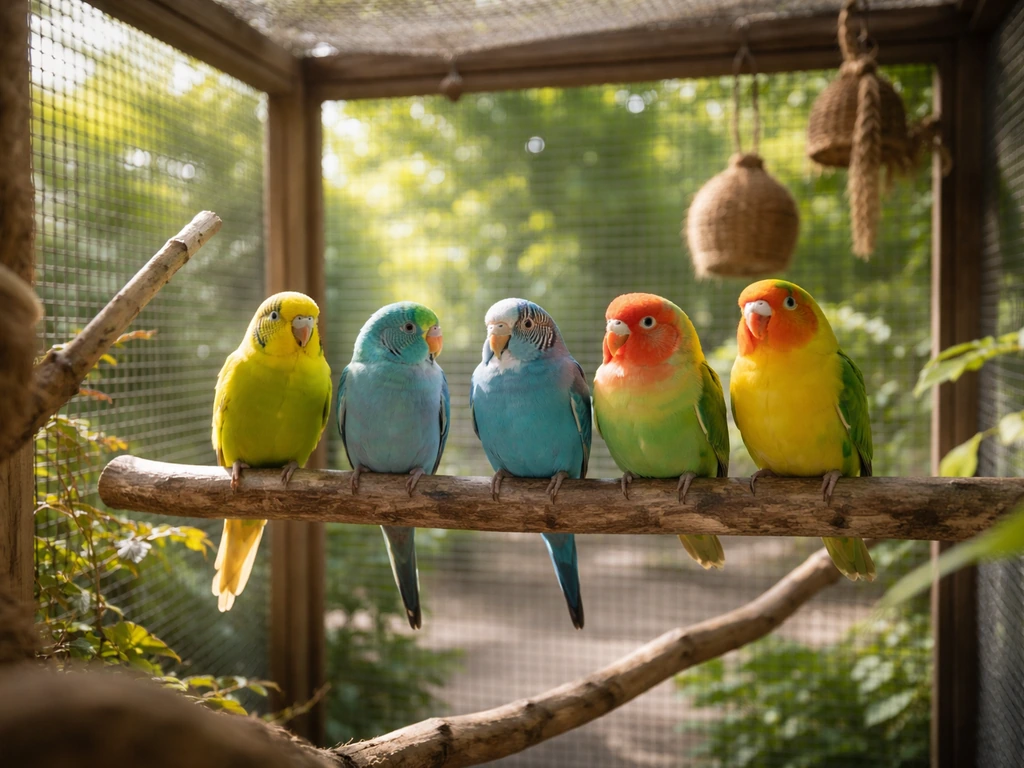
Learn what a bird aviary is, aviary bird meaning, types, benefits, and a beginner checklist for safe setup and equipment
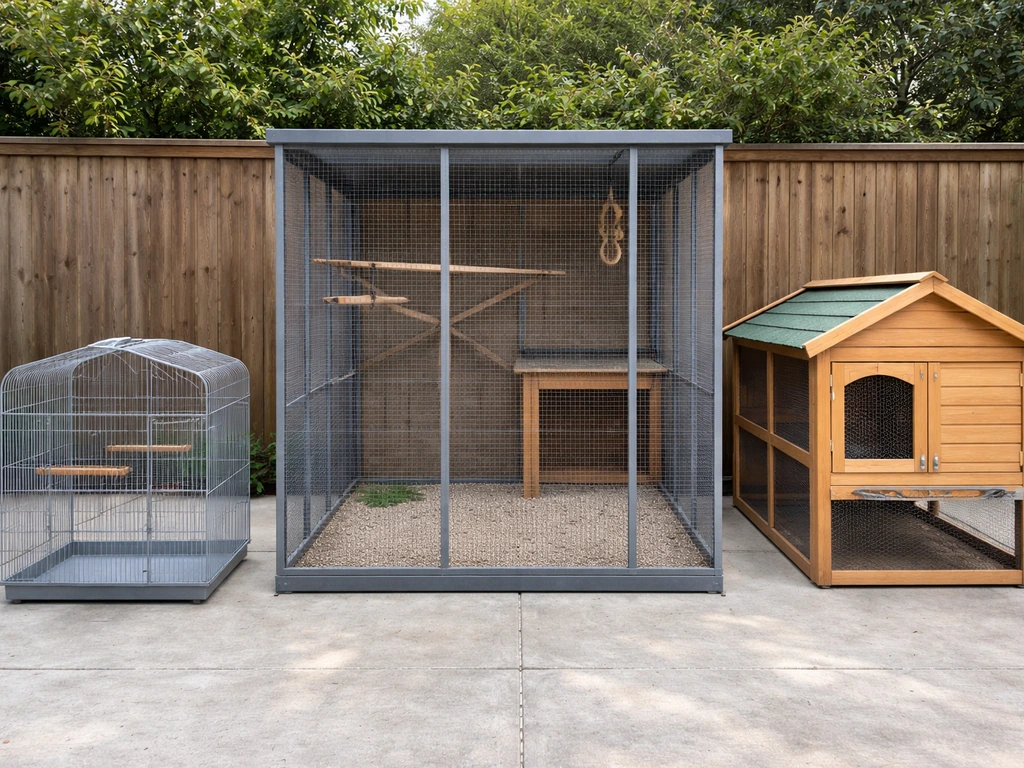
Learn the names for bird enclosures like cage, aviary, and coop, and pick the right one for your bird safely.