If you searched for 'the liver bird building' hoping to find a specific bird enclosure, aviary, or housing product, here's the honest answer: that phrase almost certainly does not describe a pet-bird keeping structure at all. The Liver Bird is a mythical cormorant-like symbol of Liverpool, England, and 'the Liver Bird Building' refers to the Royal Liver Building, a historic Liverpool landmark topped by two 5.5-metre copper Liver Bird sculptures. It's a Grade I listed office building, not a bird habitat product. What you're probably actually looking for is a bird building in the hobbyist sense: a dedicated shed, barn, aviary structure, or purpose-built bird room. That's exactly what this guide covers.
What Is the Liver Bird Building Used For in Bird Keeping

Marcus Chen
7 May 2026

What 'liver bird building' likely refers to (and how to confirm what you actually mean)
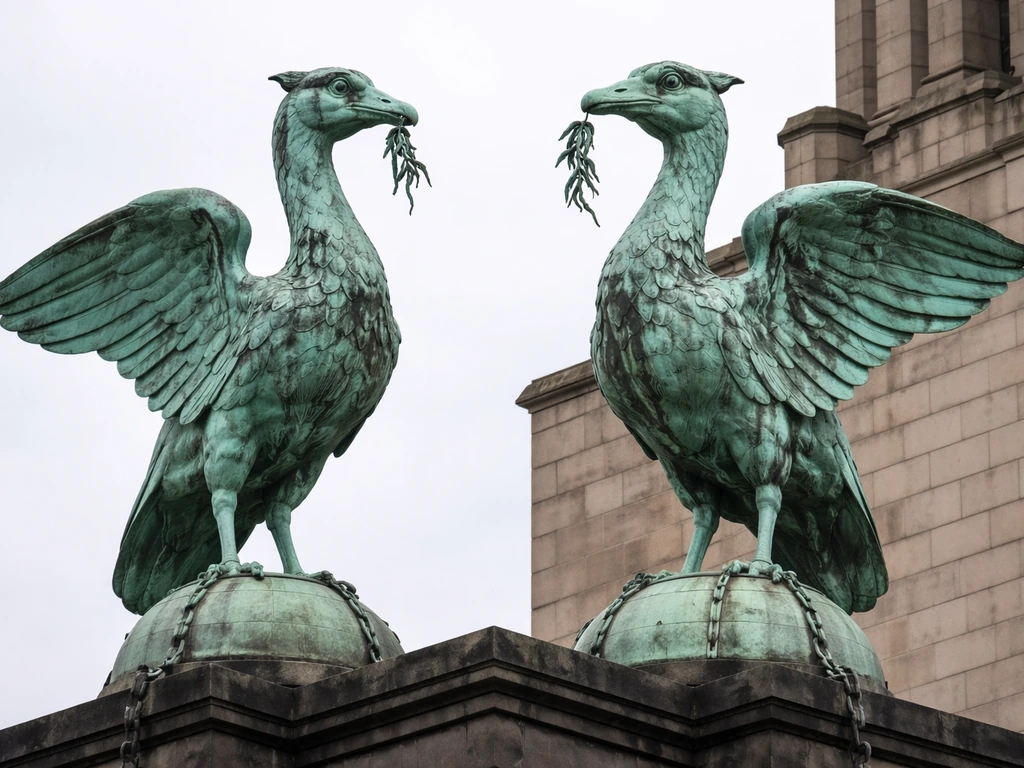
The term throws people off because 'liver bird' sounds like it could be a species or a product name. It isn't. The Liver Birds are the pair of large copper bird statues on top of the Royal Liver Building in Liverpool, completed in 1911. The building itself is a commercial office space and tourist attraction. It has nothing to do with pet-bird housing.
So where did your search come from? A few common scenarios: you saw a brand or product labeled with the Liver Bird logo (common on Liverpool-themed merchandise), someone used the term loosely to describe an ornate birdhouse or aviary, or you're trying to find plans for a bird building (a dedicated outbuilding for keeping birds) and the phrase got garbled somewhere. If you meant a bird launcher instead of a bird building, it helps to understand what bird launchers are used for and how that use affects your setup and safety. To confirm which one applies to you, ask yourself: are you looking for a structure to house pet birds, a decorative birdhouse, or information about the Liverpool landmark? If your goal is to give someone a bird basket gift, you can use this article to pick a style that matches what the recipient keeps bird building. If it's the first option, you're in the right place and the rest of this article is exactly what you need.
Primary purpose: what a bird building is actually used for
In practical bird-keeping terms, a 'bird building' means a dedicated physical structure, typically a converted shed, purpose-built aviary building, or sectioned-off room, designed to house birds safely. In the hobby, this kind of setup is often called an aviary (or a bird room) depending on its size and layout. Think of it as a step up from a single cage or a walk-in aviary. If you're wondering what a bird hook knife is used for, it's a different tool entirely and not required for setting up a bird building Think of it as a step up. The primary jobs it does are: providing stable shelter from weather and predators, giving birds enough space to fly and behave naturally, allowing you to manage temperature and ventilation properly, and giving you a workspace where cleaning, feeding, and health checks happen on your schedule without disrupting the rest of your home.
For first-time bird owners keeping smaller species like budgies or cockatiels, a full bird building is usually overkill. Where it really shines is for people keeping multiple birds, larger parrots, finches in colony setups, softbills, or anyone who wants to breed birds. It separates bird keeping from your living space, which matters a lot for air quality and for reducing noise stress on both birds and humans. It also opens the door for proper outdoor or semi-outdoor flight space that simply isn't possible with an indoor cage.
Safety requirements you cannot skip
Ventilation and air quality
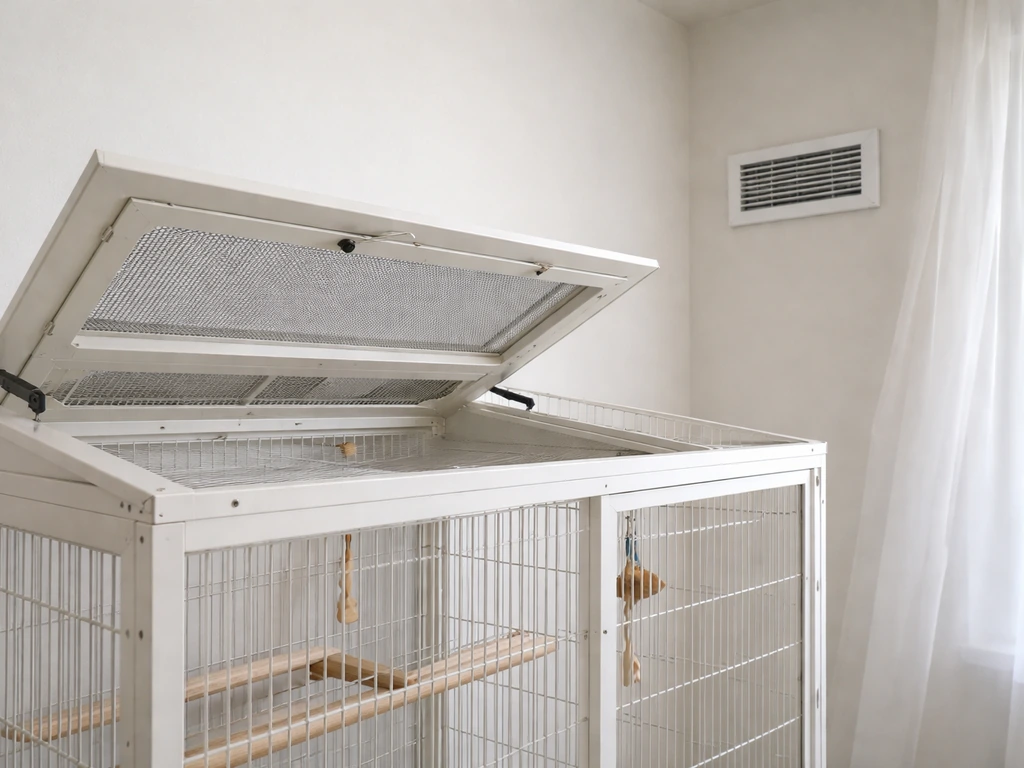
This is the area where I see beginners go wrong most often. Birds have an incredibly efficient respiratory system, which makes them extremely vulnerable to poor air quality. A bird building needs active, cross-flow ventilation so that ammonia from droppings, dust from feathers and dander, and any mold spores from damp substrate never build up to harmful concentrations. Fixed mesh vents at both low and high points of the structure create a natural stack effect. For enclosed or insulated buildings, an inline fan on a timer is worth every penny. Never seal a bird building airtight for warmth without replacing that airflow mechanically.
Temperature control
Most commonly kept pet birds, including budgies, cockatiels, and lovebirds, tolerate a range of roughly 15 to 30 degrees Celsius (about 60 to 85 degrees Fahrenheit) without serious stress. The bigger dangers are rapid temperature swings and drafts, not a steady cool temperature. Insulate walls and roof to reduce swings, position the building away from prevailing winds, and if you're in a genuinely cold climate, use a thermostatically controlled ceramic or oil-filled heater rather than open-element or gas heaters, which produce fumes toxic to birds.
Predator and escape proofing
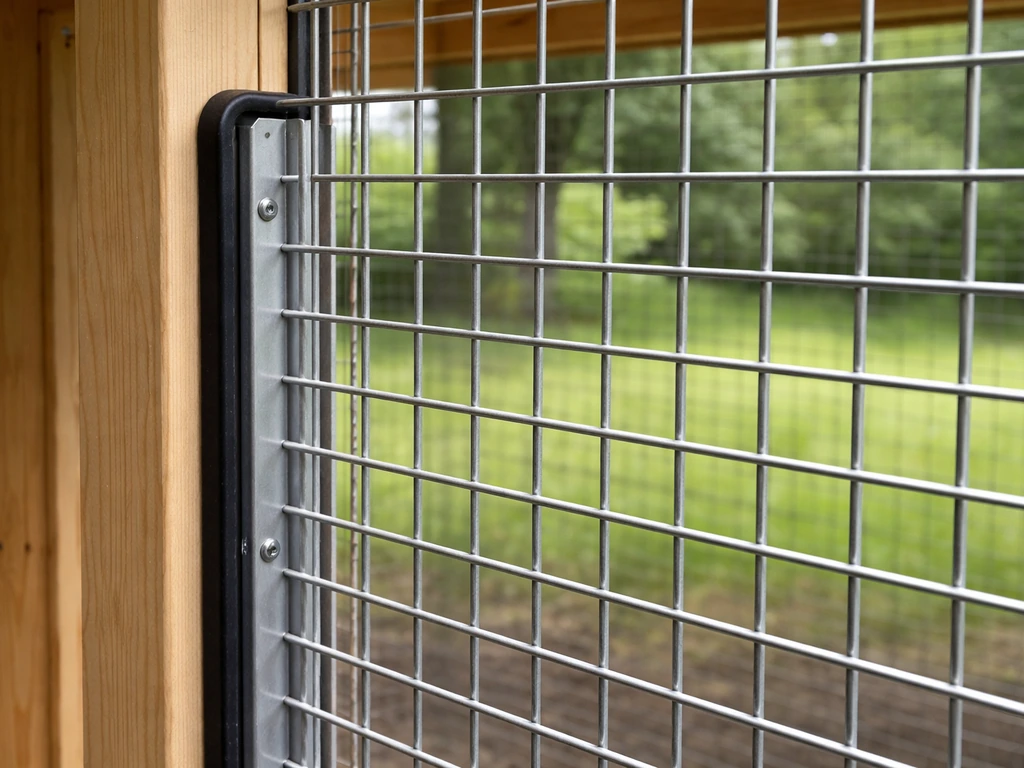
Rats, cats, foxes, and mustelids will all attempt entry if birds are present. Use 19-gauge or heavier welded wire mesh (not chicken wire, which cats and rats can breach) with a maximum aperture of 12.5mm (half-inch) for small birds like finches or 25mm (one inch) for larger parrots. Bury or pin a hardware-cloth apron along the base of outdoor structures to stop digging predators. For escape prevention, fit a double-door entry system, basically a small vestibule between an outer and inner door, so birds can't bolt past you when you enter.
Which birds benefit from a bird building (and which don't need one)
Not every bird needs or benefits from a dedicated building setup. Here's a realistic breakdown:
| Bird Type | Suited to Bird Building? | Key Reason |
|---|---|---|
| Finches (zebra, gouldian, society) | Yes, excellent fit | Thrive in colony setups with flight space; difficult to house in standard cages at scale |
| Budgerigars | Yes, especially in groups | Benefit from flight space; single pet birds usually fine in a large cage indoors |
| Cockatiels | Good fit for small aviaries | Need space and mental stimulation; work well in a bird room or aviary building |
| Medium parrots (conures, caiques) | Works well with proper enrichment | Need mental stimulation and space; a dedicated building helps manage noise and mess |
| Large parrots (macaws, cockatoos) | Yes, with significant space | Require very large flight areas; indoor homes rarely provide adequate space long term |
| Canaries | Yes for breeding colonies | Territorial; individual cages within a bird building is the classic canary-keeper setup |
| Single small pet bird (first bird) | Usually unnecessary | A quality large cage indoors covers the need; a full building is overkill and costly |
The honest advice: if you have one or two pet birds and you're brand new to this, start with a properly sized indoor enclosure before committing to a dedicated bird building. A bird building makes the most sense when you're scaling up, breeding, or keeping species that genuinely need large flight space.
What to put inside and around your bird building
Perches and landing spots
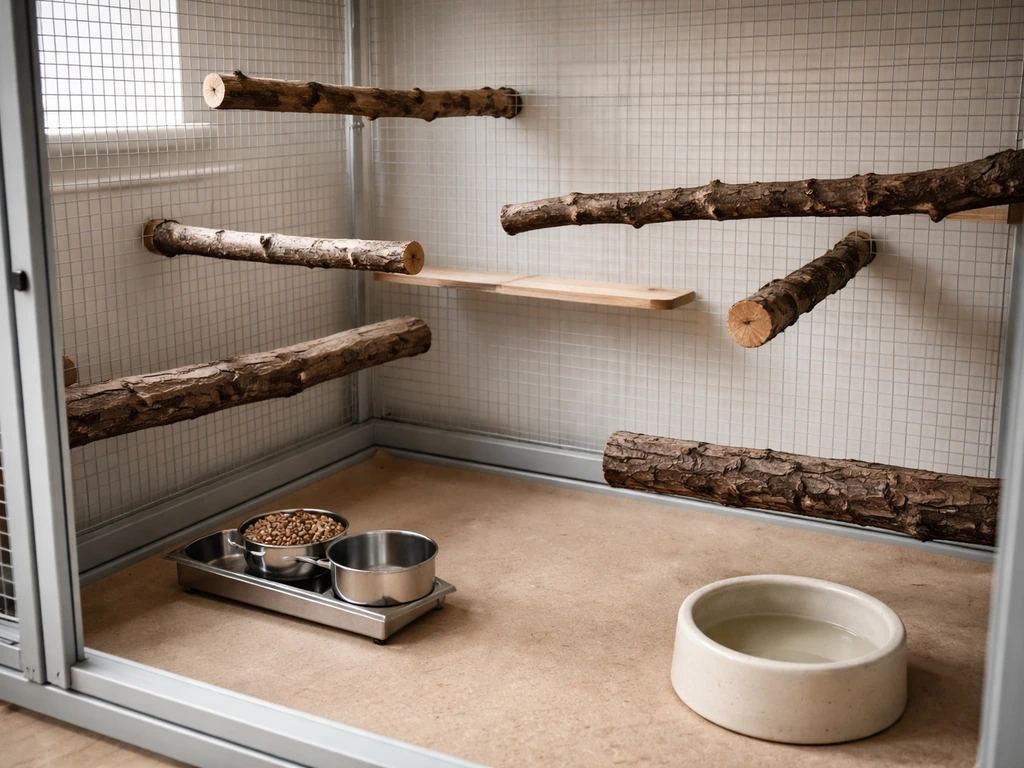
Use natural wood perches of varying diameters, ideally from bird-safe species like apple, willow, or sycamore. Varying thickness matters: it exercises foot muscles and prevents pressure sores. Position perches away from food and water stations so droppings don't contaminate them. For a flight area, rope perches and multiple landing heights encourage movement and reduce boredom.
Feeders, waterers, and substrate
Stainless steel or heavy-duty ceramic feeders and drinkers are far easier to disinfect than plastic and won't harbor bacteria in surface scratches. If you plan to hang treat items, a bird suet basket can be a simple way to offer high-energy food without messy spills. Place them at bird height on the sides of the structure rather than underneath perches. For the floor, coarse sand, concrete sealed with a non-toxic sealant, or removable wooden board panels are all workable. Avoid loose substrate like wood shavings if you're keeping birds that forage on the ground, since decomposing substrate in a humid environment is a fast route to respiratory infections and aspergillosis.
Enrichment
A bird building without enrichment is just a fancy cage. Rotate foraging toys, shreddable items, and puzzle feeders regularly so birds are mentally engaged. For species that enjoy bathing, a shallow dish or a misting nozzle on a timer creates enrichment and supports feather condition. Live or artificial bird-safe plants add visual complexity and reduce stress in colony setups. Enrichment matters as much in a large building as in a small cage, maybe more, because bored birds in a group setting can redirect that energy into feather-destructive behaviors or aggression.
Nesting and breeding considerations
If you're not intending to breed, remove or don't install nest boxes. Nest boxes trigger hormonal behavior in many species and can cause aggression and chronic egg-laying in females, both of which are welfare and health problems. If you are breeding, size and placement of nest boxes is species-specific: budgies use small enclosed wooden boxes mounted high, cockatiels prefer horizontal boxes with a wooden inspection hatch, and finches vary widely by species. Research the specific requirements before you build the structure.
Cleaning and daily care inside a bird building
This is where having a dedicated bird building actually makes your life easier rather than harder, if you set it up right from the start. The basic daily workflow should take no more than 15 to 20 minutes once you're organized:
- Morning check: scan birds visually for any that look fluffed, lethargic, or sitting on the floor (early illness signs), refresh water, top up feeders
- Remove uneaten fresh food before it spoils (within 2 to 4 hours in warm weather)
- Spot-clean the floor area directly beneath perches and nest boxes if applicable
- Check ventilation is unobstructed and temperature is within range
- Weekly: remove all birds to a holding cage if possible, scrub feeders and drinkers with a bird-safe disinfectant, replace or clean substrate, wipe perches and walls
- Monthly: deep clean the entire structure including mesh, walls, and ceiling, inspect for any structural damage, rot, or mesh gaps, and check for signs of rodent or insect entry
One thing that's genuinely worth the investment: a concrete or sealed wooden floor with a drain point. Hose-down cleaning takes a fraction of the time versus scrubbing bare soil or loose substrate. If you're designing or converting a structure, build this in from day one. Retrofitting is painful.
Your beginner next-steps checklist
If you're at the point of deciding whether to build, buy, or convert a bird building, work through this checklist before spending a single dollar on materials or equipment:
- Confirm what you actually mean: are you looking for an outdoor aviary structure, an indoor bird room, a large walk-in flight cage, or a decorative birdhouse? Each has completely different requirements
- Identify your bird species first: look up the minimum recommended flight space for that species and match it to the footprint you have available
- Check your local planning or zoning rules: a permanent outbuilding above a certain size may require a permit in many areas
- Assess ventilation before anything else: map out where vents or windows will go and confirm cross-flow is achievable in your chosen location
- Confirm the building material is bird-safe: treated timbers with certain preservatives are toxic; use untreated or naturally durable timber inside and where birds contact surfaces
- Design for cleaning access first, housing second: if you can't reach every corner with a brush and hose, you've already created a hygiene problem
- Plan a double-door entry vestibule from the start, even if it adds cost
- Source 19-gauge welded wire mesh (not chicken wire) before building begins
- Install a thermometer and basic hygrometer (humidity gauge) before introducing birds
- Start with a quarantine protocol: any new bird coming into the building should spend 30 days in a separate space first to prevent disease introduction
Once you've worked through those steps, the actual build or conversion is the easy part. The mistakes that cost people the most, in time, money, and sadly in bird welfare, almost always come from skipping the planning phase and jumping straight to construction. Get the ventilation, predator proofing, and species-fit sorted on paper first, and you'll end up with a setup that actually works rather than one you're constantly retrofitting.
If you're still early in the research phase, it's worth reading up on what a bird habitat really means at a foundational level, how bird enclosures are classified, and what a proper bird aviary involves before committing to a full building. Those concepts inform every decision you'll make about size, layout, and species suitability, and they'll help you avoid the most common beginner mistakes before you've spent anything.
FAQ
Is the Liver Bird Building something I can buy or use as a bird enclosure?
Not usually. “The Liver Bird Building” refers to the Royal Liver Building in Liverpool, it is an office and tourist landmark topped with two copper Liver Bird statues. If you meant a bird enclosure, look for terms like aviary, bird room, or bird shed instead.
What functions should a real bird building cover beyond “shelter”?
A bird building (the hobby meaning) is mainly about controlled shelter plus space for normal movement. If you want to meet different needs, prioritize layout first: a separate roosting area from a feeding area, and a service access zone so you can clean and check birds without opening the whole space.
How do I know if my bird building has enough ventilation?
Most setups fail from poor airflow, not from being “too cold.” Even in summer, you need continuous cross-flow or mechanical ventilation so ammonia, dust, and moisture do not build up. If you use an inline fan, run it on a schedule that maintains airflow whenever birds are in the building.
Can I seal my bird building tightly to keep it warm?
Avoid making it airtight for warmth. Birds need fresh air exchange, so insulate to reduce temperature swings but keep vents working and intact. For cold snaps, aim for stable temps, and use a thermostatically controlled, bird-safe heater type rather than an open-element heat source.
Will budgies or cockatiels handle winter weather in a bird building?
Yes, but it depends on species and your climate. Smaller tropical or warm-adapted birds may struggle with prolonged cold or rapid swings, while many pet birds tolerate a broader range if draft control and stability are good. The key is minimizing drafts and temperature fluctuations, not chasing a high constant temperature.
Do I still need predator-proofing if the bird building is indoors or semi-protected?
It’s a common misconception that indoor-only buildings do not need predator proofing. Rodents and other animals can still enter through gaps, vents, or doors, and even a small breach can be dangerous with food present. Use welded mesh of the right gauge and make entry points hard to access, even for semi-indoor builds.
What’s the safest way to enter and clean a bird building without birds escaping?
Plan for a safe “no bolt” entry. A double-door vestibule reduces escape risk because birds cannot sprint past you when you open the outer door. Also keep a hand-held towel or net approach ready so you do not chase and injure birds if an escape happens.
What flooring choice reduces both cleaning effort and health problems?
Grounding and drainage matter. A concrete or sealed floor with a drain point makes hosing down practical, but you still need a dry-down routine so the area does not stay damp. For outdoor runs, avoid loose decomposing substrate, it can raise respiratory and mold risks.
What feeder and water setup works best for hygiene?
Feeders and drinkers should be easy to remove, scrub, and disinfect. Stainless steel or heavy-duty ceramic holds up better than plastic, especially with scratches that can trap bacteria. Place them so droppings cannot fall into them and use a location that keeps spills from creating persistent wet spots.
Should I add nest boxes even if I am not breeding?
Not having nest boxes can reduce hormonal aggression and unwanted chronic egg-laying in many species when you are not breeding. If you later decide to breed, install boxes that match the species’ preferred size and mounting style, and do it before the breeding window so birds are not stressed by last-minute changes.
When is it actually better to build a full bird building instead of upgrading an indoor enclosure?
Start with the minimum “right-sized” enclosure plan. For one or two birds, an appropriate cage or indoor room setup usually beats building a full bird building. Scale up only when you need flight space, multiple birds, colony housing, or a dedicated separation from your living area for air quality and noise control.