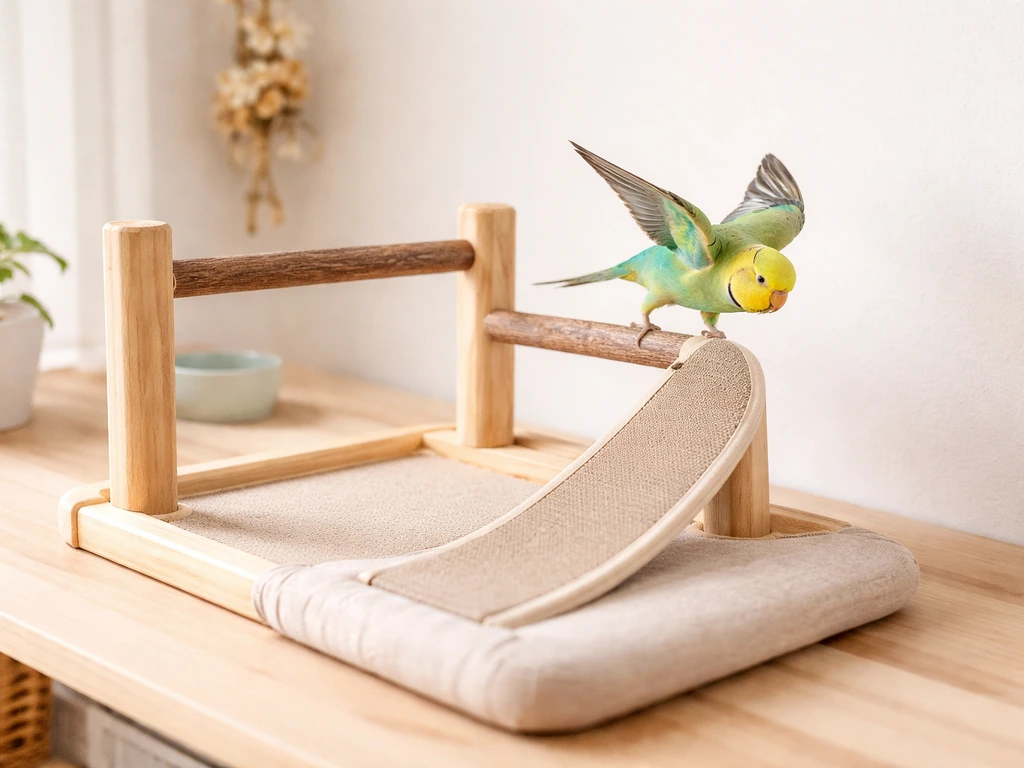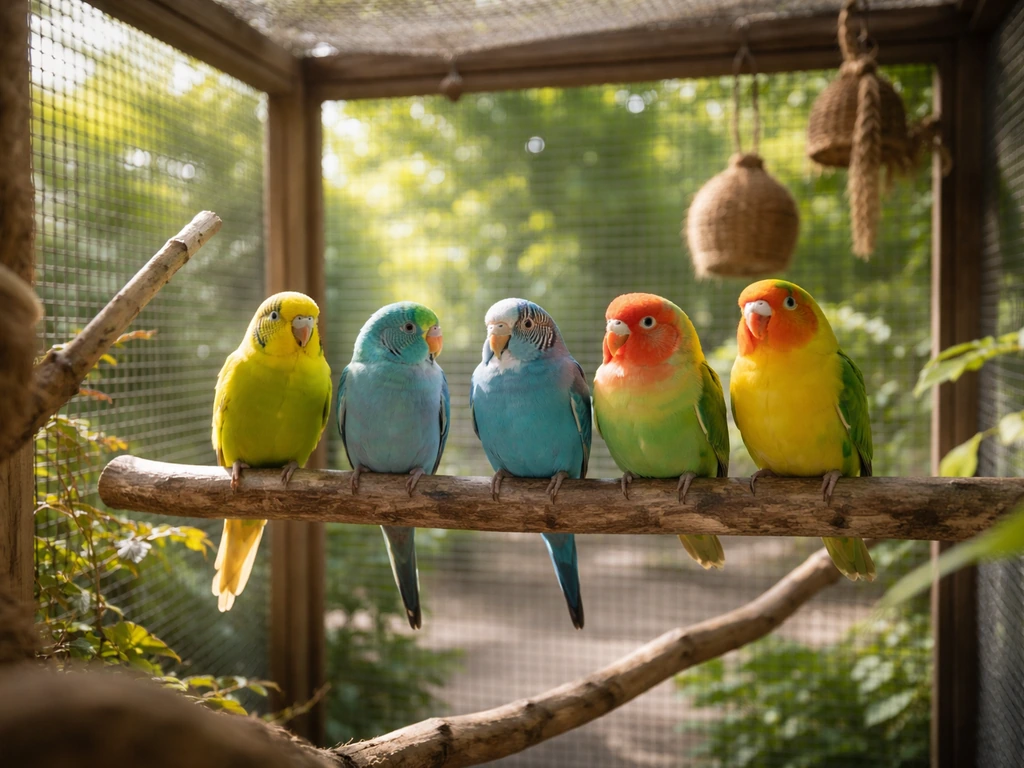
A bird basket gift is a curated collection of bird-related items packaged together as a gift, usually presented in a basket, box, or similar container. It can mean a few different things depending on context: a ready-made retail gift bundle for backyard bird feeding, a DIY assortment of pet bird supplies assembled for a new or existing bird owner, or occasionally a novelty gift set with bird-themed decor and accessories. For anyone shopping for a bird lover or a first-time pet bird owner, the practical version you want to focus on is a thoughtfully chosen bundle of genuinely useful supplies, not a decorative basket stuffed with seed packets and trinkets.
What Is a Bird Basket Gift? Starter Ideas and Tips
Marcus Chen
16 May 2026
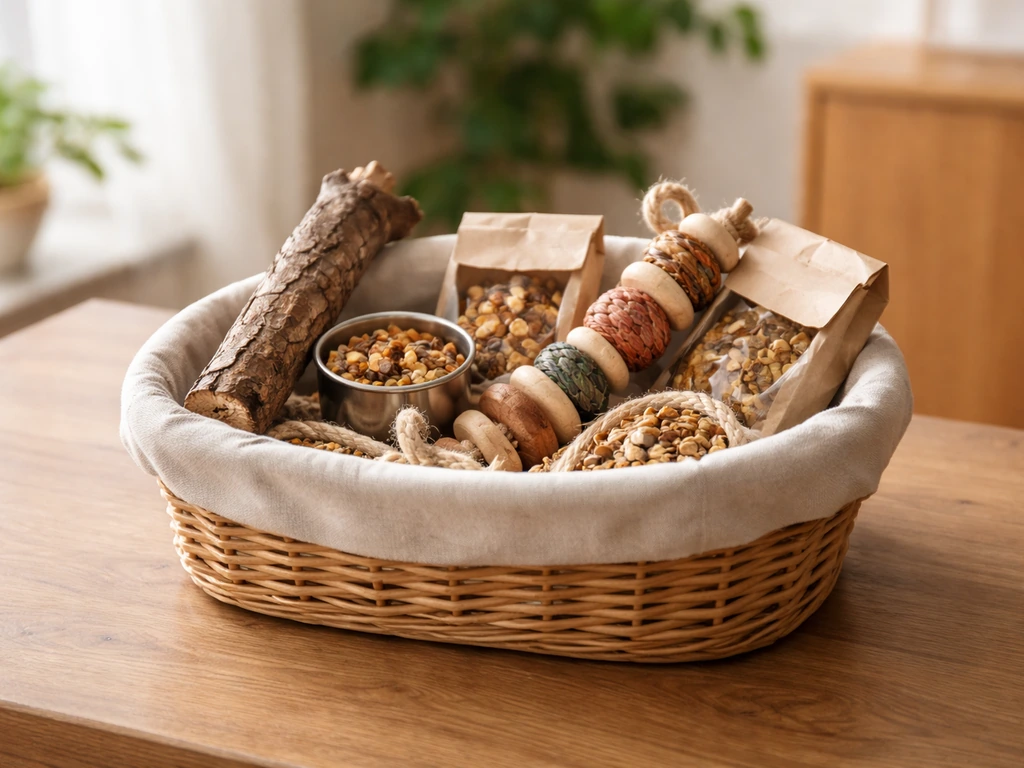
What people actually mean by a bird basket gift
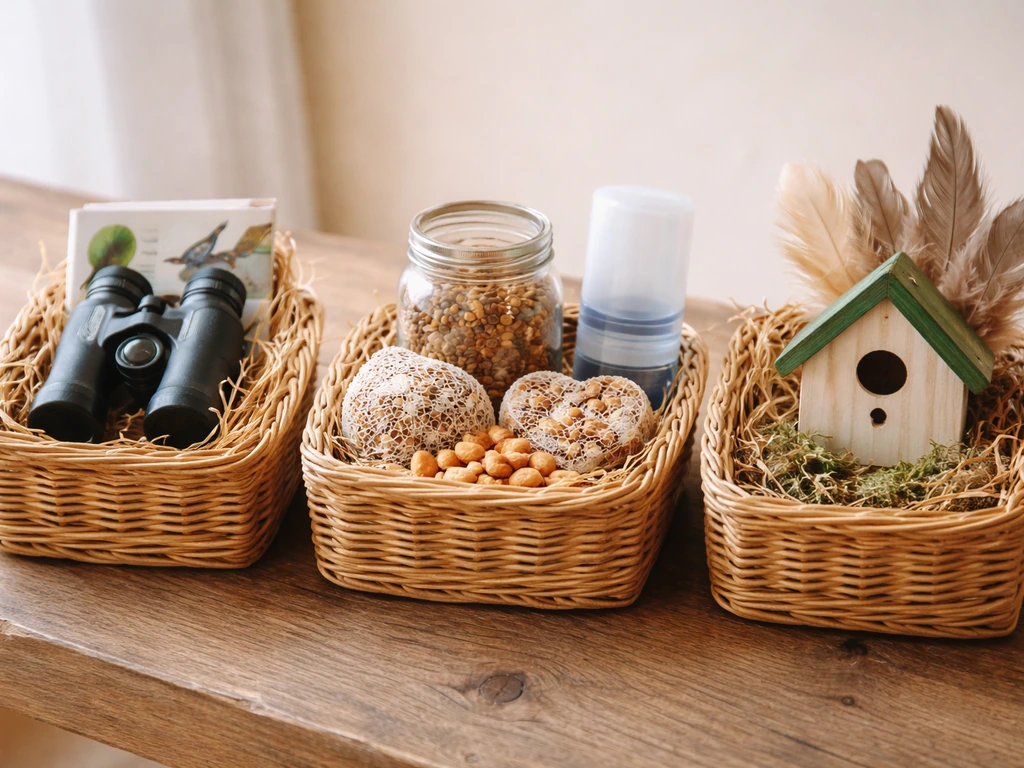
The term gets used in at least three different ways, and knowing which one applies to your situation saves you from buying the wrong thing. First, there are backyard birding gift bundles, aimed at people who enjoy watching wild birds from their yard. These typically include feeders, seed types like safflower or nyjer, and maybe a suet cage with a suet cake. A suet basket is a specific kind of feeder accessory used to hold suet cakes, which are a favorite food for many backyard birds. Retailers like Birds Choice market these as "Ultimate Bird Feeder Gift Bundles" targeting people who want to attract and protect backyard birds. If your recipient is a casual bird watcher rather than a pet bird owner, this is probably the right category.
Second, there are pet bird supply baskets, which are curated sets of cage accessories, toys, treats, and care items for someone who owns or is about to own a companion bird like a budgie, cockatiel, or parrot. This is the most useful and most personal type of bird basket gift, and it requires more research to get right. Third, you'll sometimes see "foraging basket" listed as a product, but that's actually a toy designed for the bird itself (not a gift for the human), where the bird has to work to find hidden food. The Chewy listing for the Super Bird Creations Foraging Basket Bird Toy is one example of this. Worth knowing so you're not confused when searching.
There's also a fourth interpretation that's worth flagging: some people search for bird basket gift because they're wondering whether it's acceptable to gift a live bird inside a carrier or basket-style transport container. The short answer is that gifting a live bird is its own complicated conversation, and the basket is just the vehicle. That situation gets its own section below because the rules around consent and readiness matter a lot.
What's usually inside, and what's actually worth including
Most commercially assembled bird gift baskets are heavy on decoration and light on genuine usefulness. You'll often find things like novelty seed mixes in pretty bags, bird-themed mugs or magnets, decorative feeders that look nice but attract pests, and low-quality toys with no thought given to the actual species or cage setup. These aren't harmful exactly, but they're not particularly helpful either. If you're spending money on a gift, you want things the recipient will actually use.
The items that consistently earn their place in a well-assembled pet bird gift basket fall into a few clear categories: enrichment and foraging toys, perches (the right kind), species-appropriate treats or food supplements, and care accessories. Foraging toys, where the bird has to search for food rather than finding it sitting openly in a bowl, are especially valuable because they support natural behavior and mental stimulation. Best Friends Animal Society describes these as toys that "require the bird to look for food," and they make a real difference in the daily quality of life for a pet bird. Animal-shelter gift packages from Best Friends Animal Society similarly emphasize enrichment activities, fresh foods, and aviaries for birds in their care Best Friends Animal Society describes these as toys that "require the bird to look for food".
The genuinely useful stuff
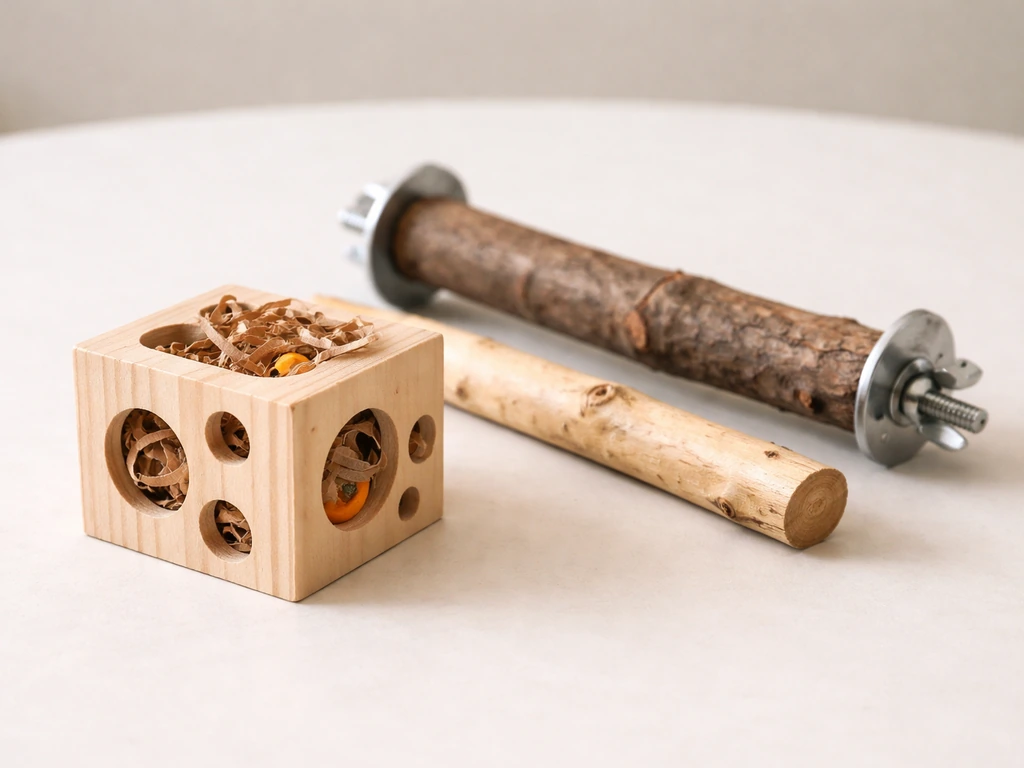
- Foraging toys that hide treats inside (safe wood, paper, or food-grade materials)
- Natural wood perches in varied diameters to promote foot health
- Species-appropriate pellet sampler (great for owners still transitioning away from seed-only diets)
- Stainless steel food or water dishes (dishwasher safe, non-toxic, durable)
- A bird-safe spray bottle for bathing or misting
- A small bird first-aid guide or beginner care book
- Safe, bird-specific cleaning spray for perches and surfaces
- Treat clips or skewers for hanging fresh vegetables in the cage
The gimmicky stuff to skip
- Sandpaper perch covers (veterinary guidance from VCA and the University of Florida is clear: these cause foot sores and do not reliably dull nails)
- Novelty seed packets with no species information on appropriate feeding
- Cheaply made plastic toys with small detachable parts that can be swallowed
- "Pretty" feeders with complex parts that are impossible to clean properly
- Seed-only treat mixes marketed as a complete diet (the AAV describes seed-heavy diets as "fast food" for birds, high in fat and low in key nutrients)
Matching the gift to new vs existing bird owners
This is where most people go wrong. A basket that works for a seasoned bird owner might overwhelm or confuse a first-timer, and a beginner-oriented basket might feel redundant to someone who has been keeping birds for years. Before you assemble or buy anything, find out two things: what species does the recipient have (or plan to get), and what do they already own?
For someone who already owns birds
Lean into consumables and enrichment. Experienced bird owners usually have the hardware (cage, main perches, dishes) but they always need fresh toys, new foraging items, and species-appropriate treats. Pellet samplers from reputable brands are great here because they let the owner trial something new without committing to a large bag. A variety pack of safe wood and paper-based toys is almost always useful. Avoid buying cage accessories like perches or dishes without knowing exactly what cage setup they have, because sizes vary and the wrong fit is frustrating.
For a first-time or prospective bird owner
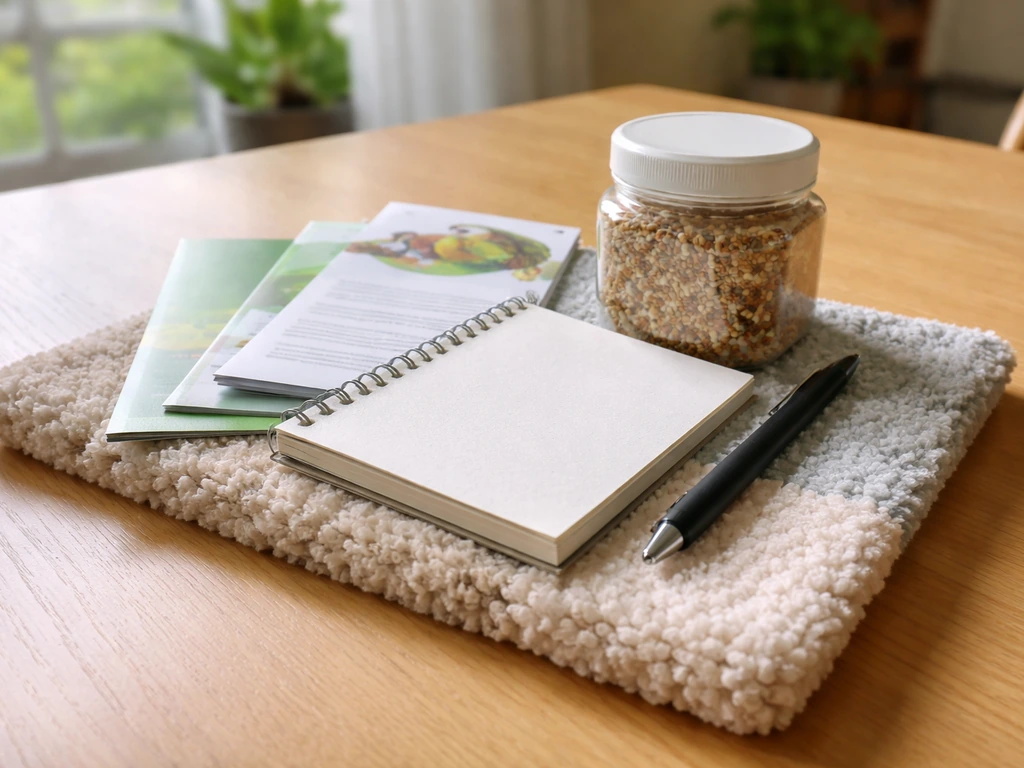
Focus on education and starter tools, not equipment. A beginner doesn't need you to guess which size perch fits a cage they haven't bought yet. What they do need is reliable information and a few universal starter items. A solid beginner care guide (ideally species-specific), a bird-safe cleaning spray, a stainless steel dish or two, and a couple of beginner-friendly toys are all safe bets. Including a note pointing them toward avian veterinarians for their first health check is a genuinely thoughtful touch that most gift-givers would never think of.
What not to put in the basket
Some items seem like obvious inclusions but are actually dangerous or inappropriate. Get these wrong and the gift creates real problems.
Never gift a live bird without clear prior consent
This one needs to be said plainly. Gifting a live bird as a surprise is almost always a bad idea, even when the recipient loves birds. Owning a pet bird is a long-term commitment that can span 15 to 80-plus years depending on the species. The recipient needs to have chosen this actively, researched the species, and prepared the habitat ahead of time. A bird that arrives before any of that is in place is a welfare risk for the animal and a stressful situation for the human. If you want to support someone's journey into bird ownership, a supply basket plus an offer to help them research and choose their first bird is a far better gift than a live animal in a box. If you are wondering what to put in the liver bird building, aim for bird-safe supplies and thoughtful support instead of anything that could harm the animal what is the liver bird building used for. If you are planning the habitat, you will also want to understand what a bird enclosure is called and how it should be set up safely.
Foods and materials to keep out
Avocado is toxic to birds and appears on the Merck Veterinary Manual's list of household hazards for pet birds. Anything containing it, including guacamole-flavored novelty items (yes, this is a thing), has no place in a bird basket. Similarly, don't include household cleaners or scented personal care products like deodorants, nail polish remover, or heavily fragranced lotions because these are also cited hazards. You might think these wouldn't appear in a gift basket, but scented candles, room sprays, and wax melts sometimes get added to "bird-themed" lifestyle baskets. All of these emit fumes that can be fatal to birds even in small quantities.
On the toy and material side, avoid anything containing macramé rope with loose fibers, carpet-style material, or small beads that can be pulled off easily. Purdue University's College of Veterinary Medicine specifically warns that birds may chew and swallow these materials, leading to crop or intestinal blockages. Stick to toys explicitly marketed as bird-safe, ideally from brands that publish their material safety information.
Common beginner impulse mistakes
- Buying cage items without knowing the cage size or bar spacing
- Including nonstick or Teflon-coated cookware items (overheated PTFE fumes are lethal to birds, per both the AAV and Chemours' own safety documentation)
- Adding seed-only treat mixes and framing them as a dietary staple
- Choosing toys based on appearance rather than material safety or size appropriateness for the species
How to build a DIY bird basket that actually helps
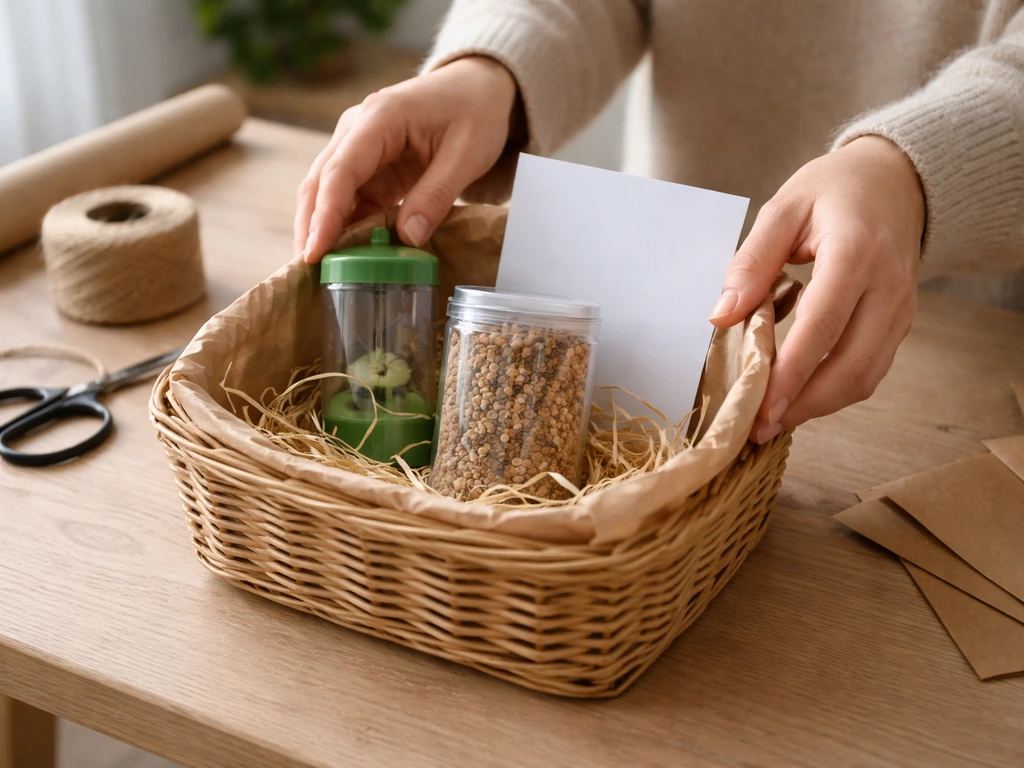
A DIY basket almost always beats a pre-made retail one, because you can tailor it exactly to the recipient's species, experience level, and what they already own. The container itself can be a real wicker basket, a large stainless steel bowl, a wooden crate, or even a tote bag. The container becomes a keepsake or storage item, so pick something practical over purely decorative.
- Find out the species (or likely species for a prospective owner) and note the typical size range for toys and perches.
- Check what they already have by asking directly or through a mutual friend, focusing on whether they have perches, dishes, and enrichment items covered.
- Choose 2 to 4 enrichment items: one foraging toy, one chew toy made from safe wood or paper, and one hanging toy appropriate for the species size.
- Add 1 to 2 consumables: a pellet sampler from a reputable brand, or a bag of species-appropriate dried fruit and vegetable treats with no added sugar.
- Include one practical care tool: a bird-safe cleaning spray, a soft cloth or scrub brush for perch cleaning, or a misting bottle.
- Add an educational element: a species care guide, a beginner book, or a printed card with 3 to 5 trusted resources including the AAV website.
- Line the basket with unbleached parchment paper or natural raffia rather than synthetic shred that could be ingested by a curious bird.
- Add a handwritten note explaining each item and why you chose it, so the gift teaches as well as delights.
Quick checklists before you buy and before you wrap
Before you shop
- Confirm the species (or note if they're pre-ownership and need beginner-general items)
- Ask or find out what they already own so you avoid duplicates
- Set your budget so you can allocate appropriately between enrichment, consumables, and tools
- Check that every toy or treat is explicitly marketed as bird-safe and lists materials
- Avoid anything scented, coated with nonstick material, or containing loose synthetic fibers
Before you wrap and gift
- Remove any twist ties, staples, or small tags from toys before including them
- Use unbleached paper, natural raffia, or plain tissue paper as filler, not synthetic grass or plastic shred
- Double-check that no food items in the basket contain avocado, chocolate, caffeine, or artificial sweeteners
- If including cleaning products, ensure they are labeled bird-safe and are sealed properly
- Include a simple card listing what each item is and how to use it, especially for first-time owners
- Never seal a live bird inside any container, even briefly, without proper ventilation and prior arrangement with the recipient
Budgeting and where to find quality bird supplies
You don't need to spend a lot to put together a genuinely useful bird basket gift. You can use bird launchers to encourage safe, supervised flying and active foraging-like movement, depending on the setup and the bird's temperament what are bird launchers used for. A well-chosen basket with three to five practical items can come in anywhere between $30 and $80 and beat a $120 pre-made retail bundle that's half decoration. The key is spending on quality materials rather than quantity of items.
| Budget Range | What to Focus On | Example Items |
|---|---|---|
| $25 to $40 | Consumables and one good toy | Pellet sampler, 1 foraging toy, care guide |
| $40 to $70 | Enrichment set plus care tools | 2 to 3 toys, stainless steel dishes, cleaning spray, treat clips |
| $70 to $120 | Full starter or enrichment bundle | Multiple toys, pellet sampler, care book, dishes, misting bottle, perch or two |
For where to shop, specialty bird supply retailers and reputable online pet stores tend to have better quality and safety standards than general dollar-store or gift shop equivalents. Chewy, dedicated avian supply shops, and vendors who sell directly to bird clubs and aviculturists are reliable starting points. When buying toys especially, look for brands that clearly list materials (natural wood species, food-safe dyes, stainless steel hardware) and avoid anything where the material list is vague or absent.
Avoid buying cage items like perches or habitat accessories as gifts unless you're certain of the cage dimensions and bar spacing. These items connect closely to the broader questions of bird habitat and enclosure setup, which the recipient really should select themselves based on their specific bird and living situation. A gift basket is a great supporting gesture; it's not the right vehicle for making major habitat decisions on someone else's behalf.
Finally, think of the basket as a starting point rather than a complete solution. A bird hook knife is a tool used to safely handle or retrieve items like fruit, vegetables, or other produce without bruising or damaging them. The best bird basket gift opens a conversation, gives the recipient something immediately useful, and ideally points them toward trusted resources for everything else. That's a gift that actually lands, whether they're a day-one beginner or a seasoned bird keeper.
FAQ
If I’m buying “a bird basket gift” for someone who has pet birds, should I assume it’s meant for backyard wild birds instead?
No. The phrase is used for multiple categories, so confirm the recipient has a companion bird or feeds wild birds. A quick message like “Is this for your backyard feeders or your pet bird supplies?” prevents the common mistake of gifting seed and feeders when the household needs cage accessories and enrichment.
What should I include for a first-time bird owner if I don’t know much about the species yet?
Stick to universal starter items that don’t depend on exact cage dimensions, such as a beginner care guide, bird-safe stainless steel dishes, and one or two clearly bird-safe toys made from safe, identified materials. Avoid guessing on perch size, bar spacing needs, and species-specific treats until you know the bird type.
Can I include a foraging basket or foraging toy in a bird basket gift meant for the human?
Yes, as long as it’s a toy for the bird, not a “gift bundle” for the human. Include it only if it’s explicitly marketed as bird-safe and appropriate for the bird’s size and chewing behavior, and consider adding a note on how to introduce it (start with supervised sessions) so it doesn’t become an unused item.
What are some signs a DIY bird basket is accidentally too confusing for a beginner?
If the basket includes multiple hardware pieces that require fit decisions (perches with specific sizes, specialized dishes, cage accessories), beginners may feel overwhelmed. A safer approach is to limit hardware to items that work across many setups, and use consumables plus enrichment (toys, pellet samplers, safe treats) paired with a checklist for what to buy after the first health check.
Is it okay to gift pellets, seeds, or treats without knowing the recipient’s current diet?
Pellet or treat samplers are usually a better option than large bags because the owner can trial them. Still, choose items that match the likely species categories and provide a note like “Always transition gradually, if changing diets,” since abrupt diet changes can upset a bird’s digestive system.
What should I do if the recipient already has most toys and supplies?
Prioritize consumables and enrichment replacements, since those have the shortest reuse cycle. In practice, a “new foraging toy” or “fresh safe treat sampler” often lands better than another decorative item or a duplicate toy that they already have.
How do I avoid buying dangerous scented items when I’m making a themed bird basket?
Assume that any product designed to scent a room or add fragrance to fabrics is risky, even if it sounds “bird-friendly.” A simple rule is to exclude candles, wax melts, room sprays, heavily fragranced lotions, and anything that could emit fumes, and keep the basket strictly to food-safe or toy-safe bird items plus a care guide.
What’s the safest way to handle gifting cleaning supplies or care products?
Only include bird-safe, explicitly labeled cleaning items, and avoid household cleaners or personal care products. If you include anything beyond food and toys, choose products intended for use around pets or explicitly approved for avian environments, and put the usage instructions on a note so the recipient applies it correctly.
Should I include perches, dishes, or other cage accessories in the gift basket?
Only if you are confident about the recipient’s cage size and setup. These items can be frustrating if the perch diameter, dish type, or mounting style doesn’t match. If you cannot verify details, swap hardware for accessories with broader compatibility, like a stainless steel dish sized for typical use or a bird-safe toy that doesn’t depend on cage dimensions.
Can I gift a live bird if I’m sure the recipient wants one?
Even if they seem excited, gifting a live bird as a surprise is still risky. The recipient needs to have the habitat prepared, the bird selected deliberately, and access to avian vet support. A better alternative is a supply basket plus a plan to help them choose the first bird and schedule the health check before any animal arrives.
What budget approach works best if I want a high-quality bird basket gift without overspending?
Aim for fewer, higher-quality items (often three to five practical pieces) rather than lots of decorative extras. Spend more on clearly labeled bird-safe toys and consumables, and use the remaining budget for a helpful guide or a note pointing them to avian vet care, since quality and safety matter more than quantity.
Where should I shop to reduce the risk of unsafe toys or vague materials?
Use specialty avian retailers or reputable pet stores that list materials and manufacturing details, especially for toys. When material lists are vague or missing, treat that as a warning sign and choose another product where wood species, hardware type, and dyes (if any) are clearly described.