You can absolutely set up a better bird experience on your deck, porch, or patio, but the difference between a setup that works and one that stresses or endangers your bird comes down to a handful of decisions most beginners get wrong the first time: picking the wrong enclosure size, skipping predator-proofing, placing the cage in full sun, or moving birds outside before they've had a chance to adjust. Get those things right and an outdoor bird space becomes genuinely enriching. Get them wrong and it becomes a source of real harm.
Better Bird Deck Porch Patio Setup: Beginner Guide
Marcus Chen
12 Jun 2026
Choosing the right deck/porch/patio setup for birds
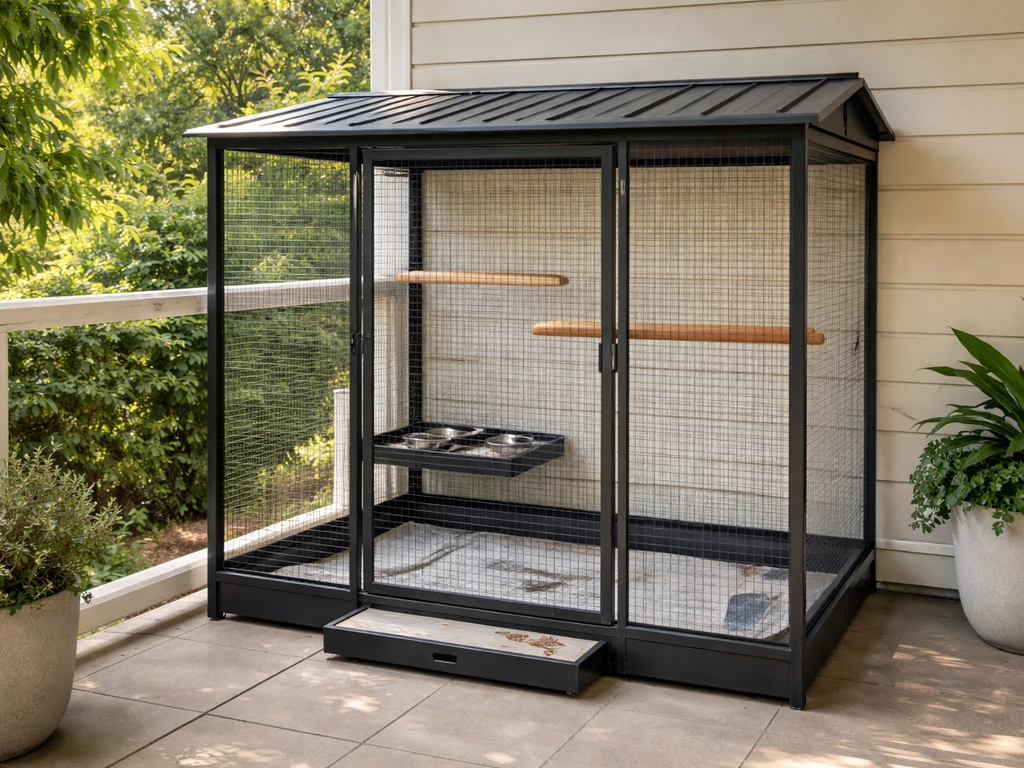
The single best outdoor housing option is a proper aviary, a large, fully enclosed structure that gives birds room to fly short distances, perch, and behave naturally, rather than a small cage placed temporarily outside. Small cages outside aren't just cramped; they leave birds exposed to temperature swings, drafts, and predator stress in ways an aviary handles much better. That said, a well-converted porch or a screened patio can function as a semi-aviary if you treat the whole space as the enclosure rather than just sitting a cage in the corner.
Before buying anything, measure your space and think about three things: how much of the area can be shaded, how well you can enclose it against gaps, and whether the floor and walls are easy to clean. A timber-framed aviary with wire mesh panels works well on most decks. Powder-coated steel framing is more durable and easier to sanitize. Avoid galvanized wire mesh if your birds chew on it, zinc toxicity is a real risk. Look for stainless steel or PVC-coated welded wire mesh instead.
Whatever structure you use, at least one third of the total enclosure area should have solid roof and wall coverage running continuously along roughly three walls. This is the minimum needed to protect birds from prevailing winds. A fully open-sided aviary on a windy deck is one of the most common beginner mistakes, birds cannot escape drafts and end up chronically cold and stressed.
Safe bird species and beginner-friendly match to your space
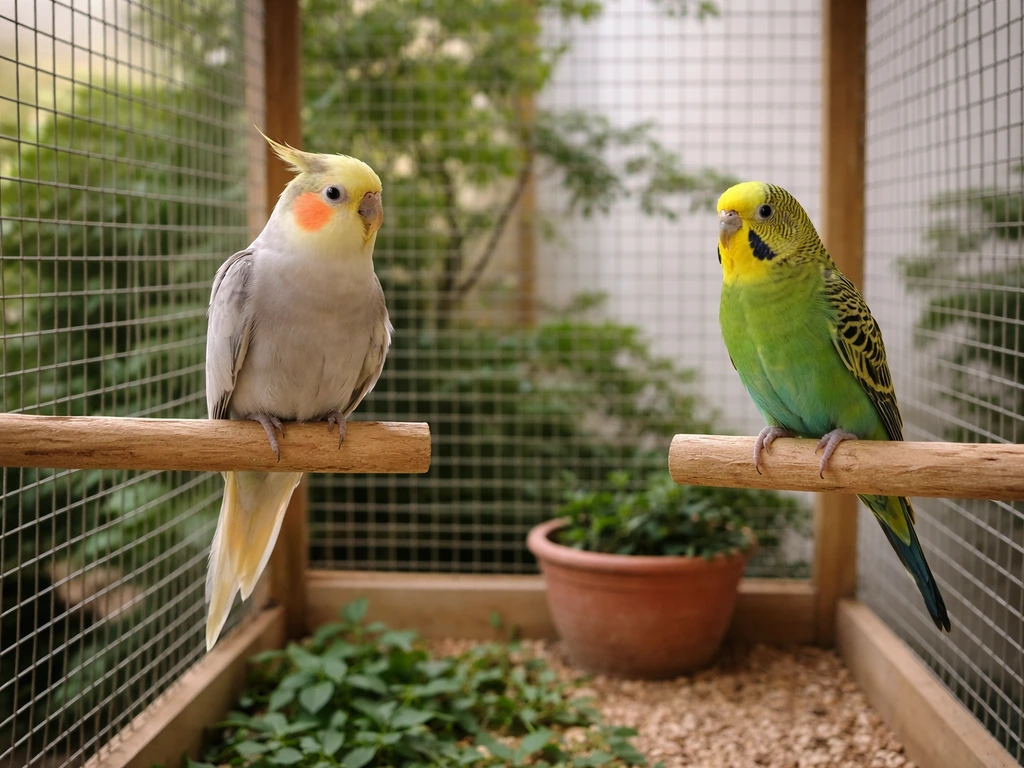
Not all pet birds are equally suited to outdoor time, and for a first-time bird owner, species choice matters a lot. The best outdoor-tolerant beginners are cockatiels, budgerigars (budgies), and society finches. Cockatiels handle a reasonable temperature range, are social enough to stay calm in a spacious aviary setting, and adapt well once properly introduced. Budgies are hardy, active, and do well in aviaries where they can fly. Finches are quieter, lower-maintenance, and thrive in group aviaries, their preferred temperature zone sits between 65 and 75°F with 40 to 60% humidity, which gives you a useful target to plan around.
Larger parrots like conures, caiques, or African greys can do outdoor time too, but they demand more complex enrichment, are louder (which affects neighbors), and are significantly harder to secure against escape. If you're a first-time bird owner, start with a finch colony, a pair of budgies, or a single cockatiel before committing to a large parrot aviary.
One thing worth saying plainly: birds that have lived indoors their whole lives can be genuinely overwhelmed by the outdoors. New sounds, smells, wind movement, and the sight of wild birds overhead can spike stress fast. Always introduce outdoor time gradually, start with the warmest, calmest day of the season (minimal wind, mild temperature) and keep the first sessions short. Some supplementary guidance from Outdoor Aviary suggests introducing outdoor time gradually and adapting birds step by step to outdoor conditions introduce outdoor time gradually. Build up over several weeks before leaving birds outside unsupervised.
Essential equipment and accessories
Enclosures and cages
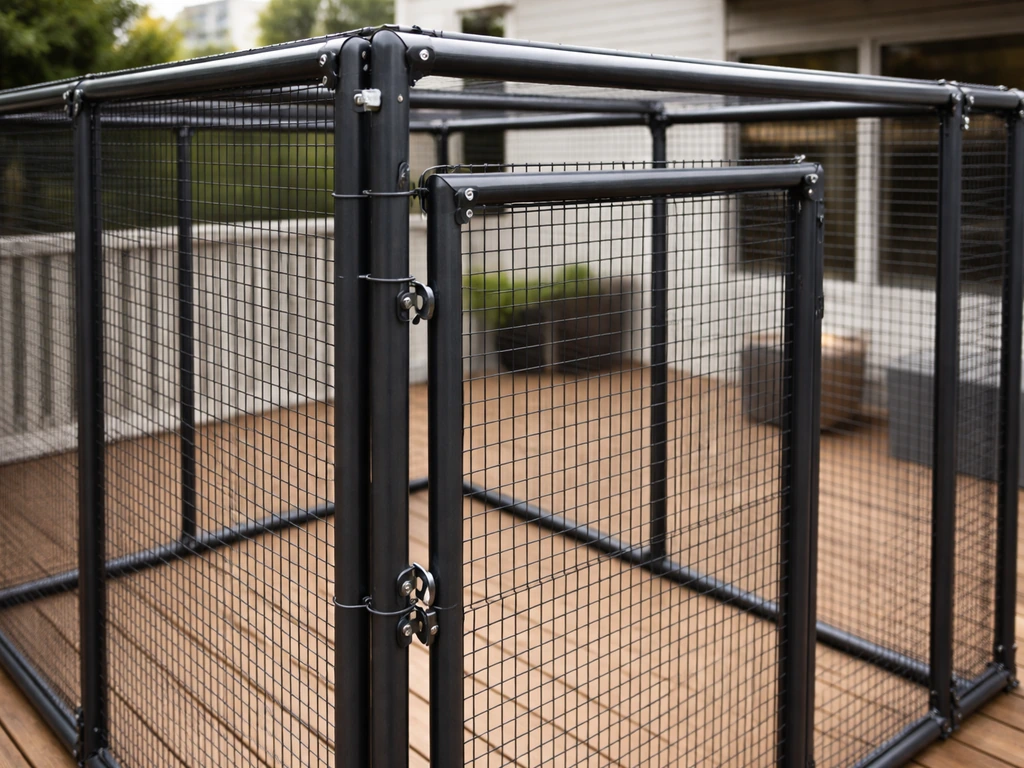
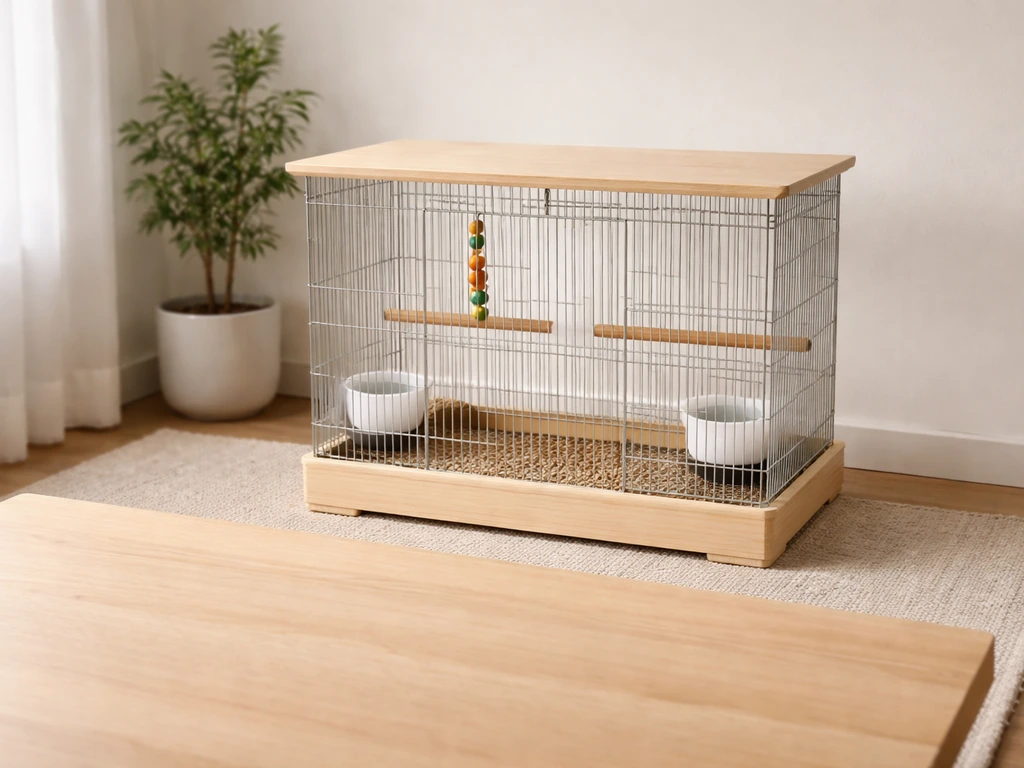
For a deck or patio, a freestanding modular aviary panel system gives you the most flexibility. Sizes vary, but aim for at least 6 feet tall by 4 feet wide by 4 feet deep for a pair of cockatiels or a small finch group, bigger is always better. The enclosure needs a safety/entry porch (a small antechamber before the main door) so birds don't escape when you open it. This is non-negotiable if your birds have any flight ability.
Perches
Perch variety is important outdoors just as it is indoors. When you choose perches, the key is to define bird perches by their shape, material, and placement so each species can rest and grip comfortably. Use natural wood perches of varying diameters so birds' feet aren't locked into one grip position all day. Rope perches add texture and slight flexibility.
For outdoor setups, concrete or rough-textured perches placed at lower roost points can help keep nails in check naturally, something worth thinking about alongside your overall perch strategy. Position the highest perches inside the sheltered (covered) zone of the aviary rather than in exposed areas, since birds naturally want to roost high and will choose those spots to sleep.
Feeders and water
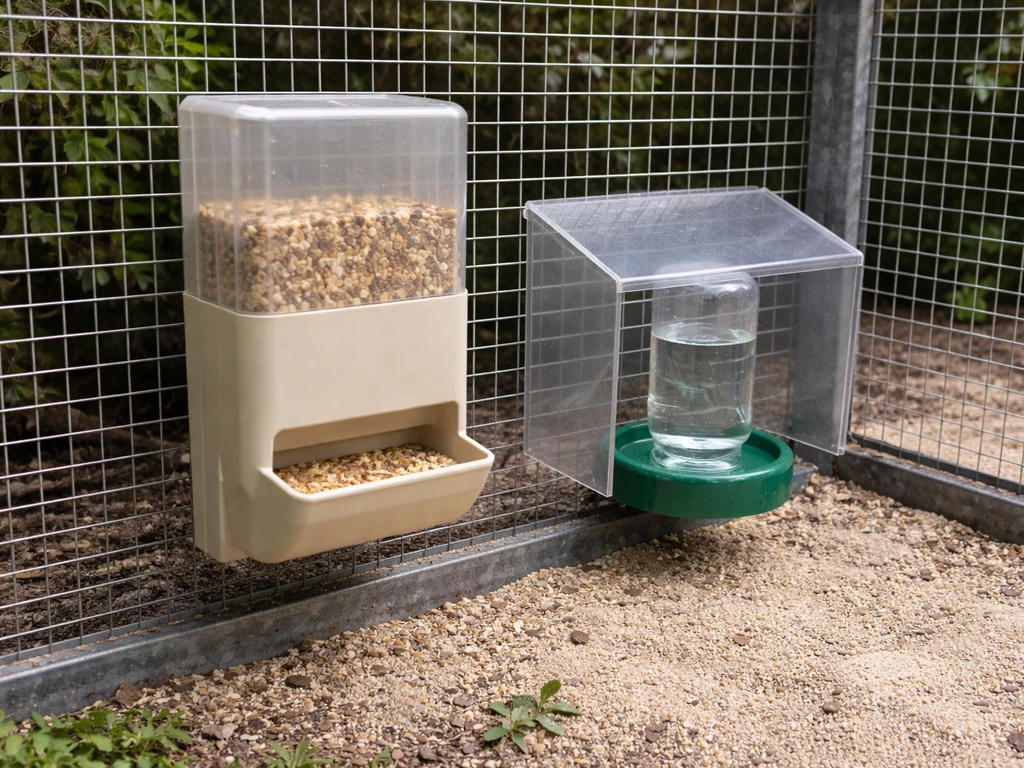
Outdoor feeding has two extra challenges compared to indoor: contamination from wild bird droppings and faster spoilage from heat. Use enclosed hopper-style feeders with narrow access ports rather than open dishes to reduce wild bird contamination. Place multiple feeding stations, at least two per group, because most bird aggression happens around food and water, and outdoor spaces can amplify territorial behavior. Water needs to be checked twice daily outdoors; in summer it warms quickly and becomes a bacterial breeding ground within hours. In winter, check that it hasn't frozen. Glazed ceramic crocks or stainless steel cups are easiest to clean and disinfect.
Outdoor safety: weatherproofing, predators, escape-proofing, and air quality
Weatherproofing
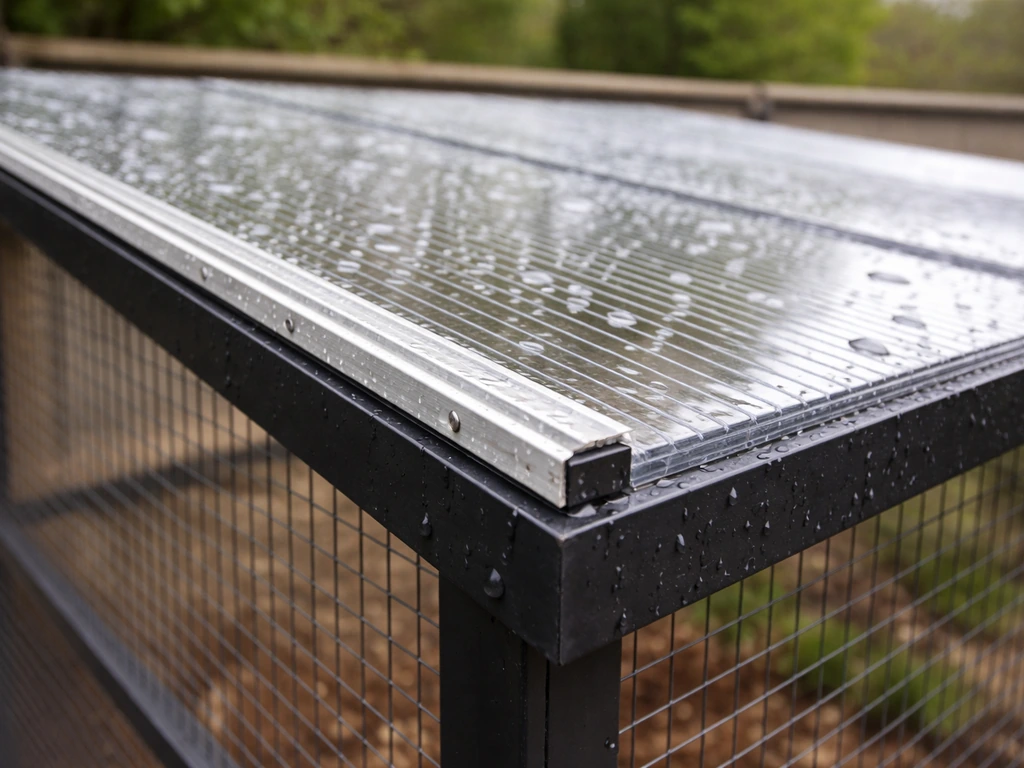
The covered section of your aviary needs to genuinely keep out wind-driven rain, not just provide nominal shade. Polycarbonate roofing panels are a good choice, they're lightweight, let in diffuse light, and shed water cleanly. In cold weather, add an outdoor-rated cage cover or heavy canvas tarp over exposed sides at night. If temperatures are regularly dropping below 50°F, move birds indoors overnight. Finches especially feel cold more than they show it visibly.
Predator-proofing
This is where most first-time outdoor setups fail. Cats, rats, raccoons, and birds of prey are all genuine threats. Cats can reach through standard wire mesh openings and grab birds. Use welded wire mesh with openings no larger than half an inch by one inch, chicken wire is not adequate, it bends too easily and the gaps are too large.
Double-layer the lower 18 inches of the aviary with a second sheet of fine mesh if cats are a neighborhood concern. Extend your wire mesh underground by at least 6 inches or lay a wire apron along the ground perimeter to stop rats digging under. Birds of prey are deterred by solid roofing, an open-top aviary is not suitable for unsupervised outdoor time.
Escape-proofing
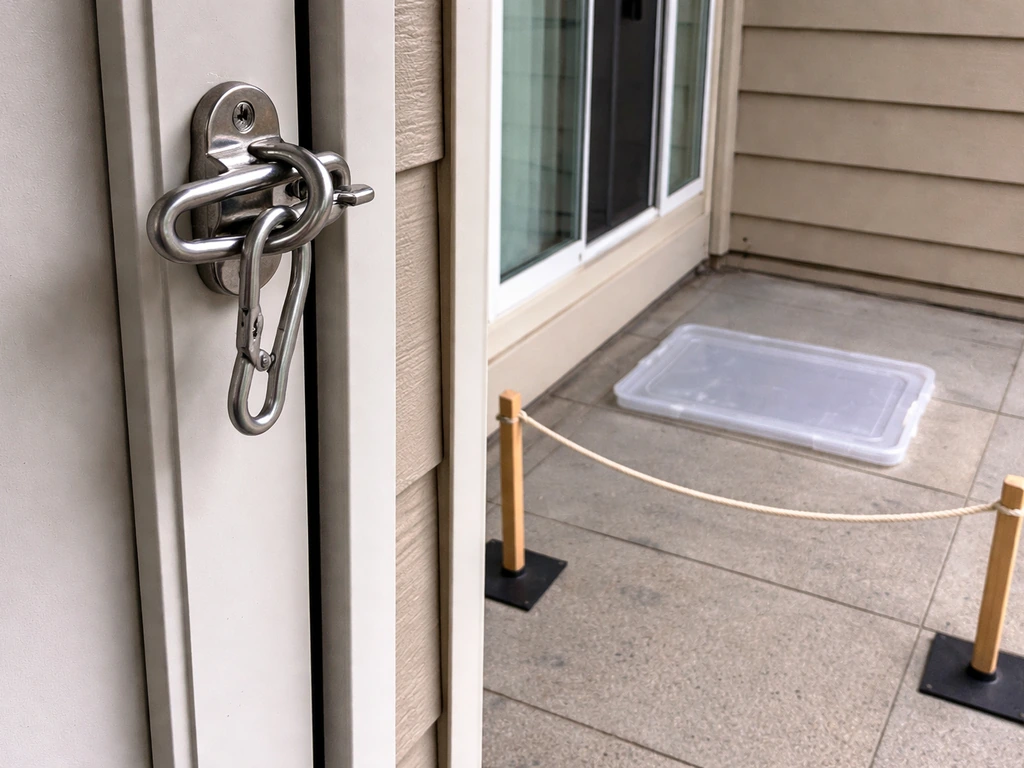
Every door latch should have a secondary fastening, a clip, carabiner, or padlock. Birds are often lost not to predators but to someone leaving a door slightly unlatched. The safety porch entry system mentioned earlier is the most reliable escape prevention for a door that opens into a flight space. Inspect the entire mesh perimeter every few weeks for gaps, bent sections, or rust weakening the wire.
Air quality and chemical hazards
Birds have extremely sensitive respiratory systems. Never place an outdoor aviary near a BBQ grill, firepit, or area where paint fumes, pesticides, or garden chemicals drift. If you or your neighbors routinely use a smoker grill or spray insecticides on plants near the deck, that space is not appropriate for birds. Avoid using treated timber inside the aviary structure itself. Good natural airflow is beneficial, stagnant air allows moisture and ammonia from droppings to build up, but there is a difference between airflow and drafts. Airflow should be gentle and cross-ventilated, not a direct blast from a prevailing wind.
Placement rules: sunlight, shade, airflow, and noise
The ideal position on a deck or patio is against a solid wall or privacy fence on the north or east side (in the Northern Hemisphere), so the aviary gets morning light but is shaded through the hottest afternoon hours. Birds need access to natural sunlight, it matters for vitamin D synthesis and mood, but they must always have a shaded retreat to move to when they want it. Never place an enclosure where the entire space is in direct sun with no shade option. On a hot day, a bird that can't escape the sun can die from heatstroke within an hour.
Keep the aviary away from busy foot traffic areas, a corner of the deck away from the main entertaining space is better than the center. Birds stressed by constant close human movement won't settle or eat properly. At the same time, full isolation isn't ideal either; birds that can see household activity from a calm distance tend to be more socialized and less skittish over time.
Noise is worth thinking about too. A patio near a road or machinery is harder on birds than one with ambient garden sounds. Wild bird calls, while initially alarming to indoor birds, are something most birds adapt to and even respond positively to over time. Car exhaust and loud mechanical noise are the things to genuinely avoid.
Daily care routines and enrichment outdoors
Morning checks
Start every morning with a quick visual check of the whole aviary. You're looking for: any signs of predator disturbance overnight (scratched wire, disturbed substrate, a stressed bird huddled at the bottom), fresh water in all cups, food levels, and whether any birds look fluffed up or sluggish. A fluffed bird sitting at the bottom of the cage is a red flag, it often means the temperature dropped too low overnight or a bird is unwell. In summer, morning is also when you check for any overnight condensation or wet substrate that needs removing before heat sets in.
Midday and afternoon
Check water again in summer, it can warm and contaminate quickly. If temperatures are pushing above 85°F, add a shallow ceramic dish of cool water for bathing. Birds regulate temperature partly through bathing and their feet. A light misting with plain water on hot days is appreciated by most species. Make sure the shaded section of the aviary is genuinely shaded at midday, not just early morning.
Evening routine
Remove uneaten fresh food before dusk, fruit, vegetables, and cooked foods left overnight attract rodents and grow mold fast in warm weather. Do a final headcount if you have multiple birds. Cover the exposed sides of the aviary if nighttime temperatures are dropping, or if you're in an area with active predators at night. Secure all latches.
Enrichment ideas for outdoor spaces
Outdoor setups naturally provide more sensory stimulation than indoor cages, wind movement, bird calls, changing light, but you still need active enrichment inside the enclosure. Foraging toys that hide seed work well outdoors because they mimic natural feeding behavior. Rotate branches and natural perches monthly so the environment feels different. Hang safe edible plants inside the aviary (herb bunches like parsley or basil, pesticide-free grass clumps) for birds to pick at.
Cockatiels and budgies especially enjoy shredding safe paper or palm leaves. A birdbath or shallow tray encourages bathing, which is enriching and also keeps feathers in better condition. Think about the aviary as a play gym the birds live in, not just a box they sit in, similar principles to a tabletop play gym but scaled up and fixed in place.
If you are looking at a flat top bird table, treat it the same way as a play gym and make sure the birds have secure shelter, perches, and safe enrichment tabletop play gym.
Managing mess, hygiene, and odor without stressing birds
This is the part most people underestimate. Outdoor setups can actually be cleaner than indoor cages if you design for easy cleaning from the start, but they can also become genuinely foul if you don't. The core problem is that droppings on perches and around food and water cups drive bacterial proliferation and mold growth fast, especially in warm, humid outdoor conditions.
For substrate, use a surface that dries quickly and is simple to remove: coarse river sand or fine gravel works well on aviary floors and drains moisture rather than holding it. Avoid wood shavings outdoors, they stay damp, grow mold, and can harbor fungi that affect bird respiratory health. A smooth concrete base under the aviary, sloped slightly for drainage, makes deep cleaning much easier.
For daily hygiene, spot-clean droppings from perches and around food stations every day using a stiff brush and plain water. Do not let droppings accumulate. For full enclosure cleaning, at least once or twice a month do a proper scrub with hot water and a non-toxic bird-safe disinfectant soap. When using any disinfectant or bleach solution, move birds out of the space first, aerosol from cleaning products is genuinely dangerous to bird lungs. A dilute bleach solution (roughly 1 tablespoon of unscented household bleach per gallon of clean water) is effective for sanitizing hard surfaces, but rinse everything thoroughly afterward and let it dry completely before birds return. Never mix bleach with ammonia-based cleaners.
When removing droppings, don't handle them bare-handed. Use gloves or a scooper, and wash your hands thoroughly after any contact with bird waste or enclosure surfaces. Wash food and water cups daily in hot soapy water, don't just rinse and refill.
Odor is largely a function of wet droppings and stagnant moisture, so keeping substrate dry and airflow consistent takes care of most of it. If there's a persistent smell, something is staying damp, usually the substrate under a perch or near a water dish. Fix the drainage or move the perch/dish before odor becomes a problem for both you and your birds.
Before you buy anything: your pre-setup checklist
Running through this list before you spend money will save you from the most common beginner mistakes:
- Measure your available deck/patio space and identify the most sheltered corner (backing to a wall, shaded in the afternoon).
- Check for local predator pressure: cats, rats, raccoons, birds of prey — this determines your mesh spec and floor design.
- Confirm the area is free from BBQ smoke, pesticide spray zones, and chemical fumes before committing to a location.
- Choose your bird species based on your climate's typical temperature range, your noise tolerance, and how much daily interaction time you can commit to.
- Plan your shelter coverage: at least one third of the aviary should be solid roof and wall, continuously covering three sides.
- Source stainless steel or PVC-coated welded wire mesh with openings no larger than half an inch by one inch.
- Build or buy a safety porch (double-door entry system) before introducing any birds.
- Set up perches, food stations (minimum two per bird group), and water cups before moving birds in.
- Plan your daily cleaning routine and confirm you have non-toxic disinfectant, gloves, and a substrate that drains well.
- Introduce birds to outdoor conditions gradually on calm, warm days before leaving them outside unsupervised.
Getting the enclosure, placement, and safety basics right first means every other part of the outdoor bird experience, enrichment, daily care, socialization, becomes much more enjoyable for both of you. The goal is a space that's genuinely better for your bird than a small indoor cage and genuinely manageable for you as a daily routine. That's a realistic target, and with the right setup, it's very achievable.
FAQ
Can I use a small outdoor cage on a deck instead of building an aviary if I keep it shaded?
In most cases, no. Even if the cage is shaded, small outdoor cages still expose birds to drafts, sudden temperature swings, and higher predator stress. If you do not have a fully enclosed semi-aviary or proper aviary plan, upgrade at least to a size that supports short flights and escape-proofing, not just “outdoor time.”
How do I know if my outdoor setup is big enough for my bird, not just tall enough?
Height alone is not enough. Measure usable floor area and perching space, then check that your bird can take at least short, safe wing beats without hitting mesh or solid walls. For pairs, aim for more than minimum dimensions, especially if you want regular foraging enrichment rather than only perching.
What if my deck is mostly open on one side, can I just add a tarp?
Tarping can help with rain and wind, but it must be secured so it does not flap, block airflow completely, or create sudden darkness that stresses birds. Use continuous covered wall or roof coverage in a multi-wall pattern as your baseline, then consider removable covers as a backup for storms or nighttime.
Is it safe to place the aviary near a window or door where there are drafts from inside?
It can be risky if the bird experiences direct, frequent blasts of air from HVAC vents or open doors. Aim for gentle cross-ventilation inside the enclosure, and position the structure so prevailing winds are buffered by a solid side or covered zone, not by placing it directly in line with indoor airflow.
How should I introduce a bird that has always lived indoors, step by step?
Start with very short supervised sessions on the mildest calm days, then increase duration gradually over weeks. Keep the bird’s first sessions in the sheltered covered zone so they can retreat immediately, and avoid days with overhead wild birds, strong wind gusts, or sudden temperature drops.
What should I do if my bird fluffs up or sits low after going outside?
Treat it as a temperature or stress warning. Move the bird to a protected warmer area immediately, check that shaded retreat is truly shaded, and verify morning conditions like wind level and overnight cooling. If the bird stays lethargic or continues fluffed and low beyond the next controlled period, pause outdoor time and focus on recovery and hydration.
Do finches really require humidity control, or is temperature enough?
Temperature is not the whole story. Your outdoor plan should target both temperature and manageable humidity, because dry or overly wet conditions can affect comfort and breathing. Use shade, consistent ventilation, and monitor morning and evening conditions, since humidity swings outdoors can be larger than indoors.
How can I stop wild birds from crowding my feeders without removing my birds from the setup?
Use enclosed hopper-style feeders with narrow access ports, and place feeding stations so your birds can eat without competing at the opening. Also avoid leaving loose seed or open dishes outside, remove uneaten food promptly, and keep water cups positioned to discourage perching by wild birds.
How often should I bathe my birds outdoors, do I need to mist every day?
Not necessarily every day. If temperatures are high, bathing support can be helpful, but focus on providing a birdbath or shallow tray and refreshing water as needed. In hot weather, check more frequently because warm water turns unhygienic quickly, and avoid creating constant wetness on cold or windy evenings.
What is the safest way to clean droppings without harming birds with fumes?
Remove birds from the enclosure before using any disinfectant, especially anything that could create aerosol or strong odor. Scrub hard surfaces, rinse thoroughly, let everything dry completely, then return birds. Keep a dedicated brush and scooper for waste removal, and wear gloves or use a scooper to avoid bare-hand contact.
If I’m using a disinfectant, can I mix bleach with other cleaners to work faster?
No. Never mix bleach with ammonia-based cleaners or other products, since fumes can become dangerously toxic to birds. Use one method at a time, rinse thoroughly after sanitizing, and keep birds out until all surfaces are dry and odor-free.
How do I protect against rats if my aviary sits on a deck with no soil underneath?
Rats can still dig under barriers or find access points. Extend wire mesh underground by at least several inches or add a wire apron along the perimeter, and seal gaps at the deck supports. If you see fresh gnawing or droppings around the enclosure area, pause and address entry points before resuming outdoor time.
Are birds of prey the only reason to avoid open-top enclosures?
Birds of prey are a major risk, but an open top also increases predation chances from other aerial threats and from sudden attacks overhead. Use solid roofing coverage for at least the sheltered zones, and keep any “unsupervised” outdoor arrangement fully enclosed from above.
What latches setup should I use so birds do not escape when someone opens the door?
Use a secondary fastening on every door latch, such as a carabiner or padlock style restraint. Combine that with an antechamber or safety porch entry system so you can open the main door without giving birds direct access to the outside flight path.
Where should I place the aviary on my deck if I only have one usable wall?
If possible, orient against a solid wall or privacy fence to create predictable morning light and afternoon shade. If you cannot achieve north or east orientation, prioritize having a genuine shaded retreat and avoid any setup where the entire area is in direct sun at midday.
Can I use treated lumber inside the aviary frame to make construction easier?
Avoid treated timber inside the enclosure. Treated materials can release chemicals that are unsafe for birds, especially with heat and airflow changes outdoors. Choose untreated wood for any parts inside the bird reach, or use powder-coated or stainless components for durability and easier sanitizing.
How do I handle nighttime cooling safely, do I move the aviary inside?
If temperatures regularly drop below about 50°F, plan to move birds indoors overnight or use properly secured outdoor-rated covers that block cold drafts and wind-driven rain. Finches often feel cold sooner, so monitor them closely during shoulder seasons and err on the side of bringing them inside.
Next Article
Flat Top Bird Table Guide: Buy, Set Up, and Care Safely
How to buy, place, and safely care for a flat top bird table, with setup tips, checklist, and cleaning guidance.