Bird perches are the rods, branches, or platforms inside a cage where your pet bird stands, sleeps, eats, and spends basically its entire life. They are not optional accessories. A bird with bad perches, or the wrong perches, will develop foot problems, stress, and behavioral issues far faster than most new owners expect. Getting perches right is one of the single most impactful things you can do when setting up a cage for the first time. If you want the best perches for bird nails, focus on materials and textures that wear nails down naturally while still protecting the feet.
Define Bird Perches and Choose Safe Ones for Your Cage

Marcus Chen
3 Jun 2026
What bird perches actually are and why they matter so much
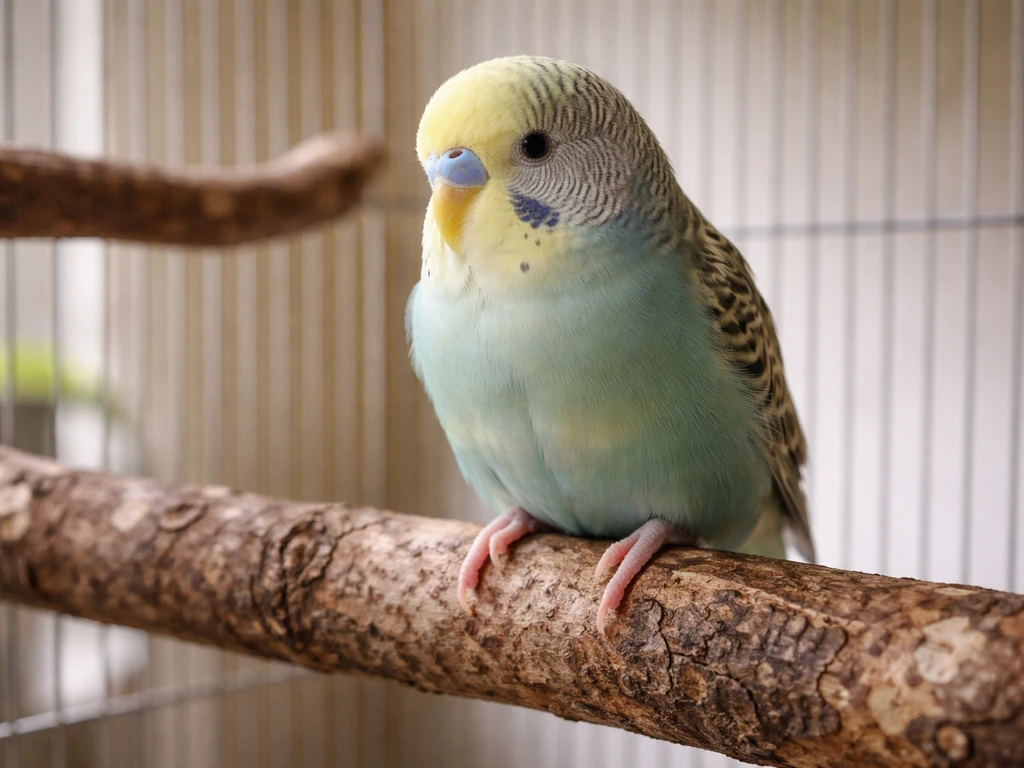
In the wild, birds land on branches of constantly varying thickness, texture, and angle. Every landing is slightly different, which means their feet are always adjusting, always moving, always exercising different muscle groups. In captivity, your bird is stuck with whatever you put in that cage. If every perch is the same diameter and the same smooth surface, your bird's feet press against the exact same pressure points for hours every day, day after day. That is how you get pododermatitis, which most people know as bumblefoot, a painful infection of the foot pad that starts as a pressure sore and can progress to swelling, redness, and a brownish or black scab at the bottom of the foot. It is much easier to prevent than to treat.
Perches also give birds a place to exercise, forage, play, and feel secure. A bird that can move between perches at different heights, angles, and textures is a more mentally stimulated, physically healthier bird. Perch variety is not a luxury. It is basic welfare.
The main types of perches you will actually encounter
Natural wood perches
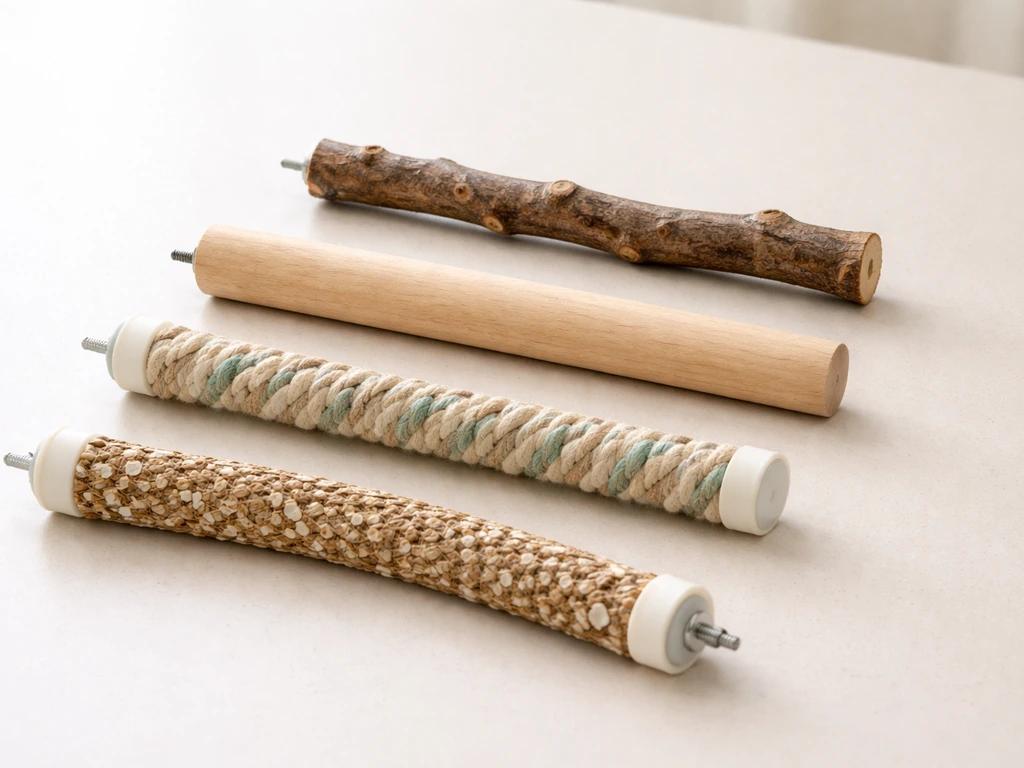
Natural wood branches are widely considered the best all-around option for most pet birds. The irregular diameter along a single branch means your bird's foot position shifts constantly, which is exactly what you want. University of Florida veterinary guidance specifically recommends natural wood perches from appropriate trees as ideal. You can buy them pre-made, or you can source safe branches from trees like apple, willow, or manzanita and clean them thoroughly before use. Avoid anything treated with pesticides, painted, or from known toxic species like black walnut, cherry, or oak. When in doubt, stick to commercially sourced natural wood perches labeled as bird-safe.
Smooth dowel perches
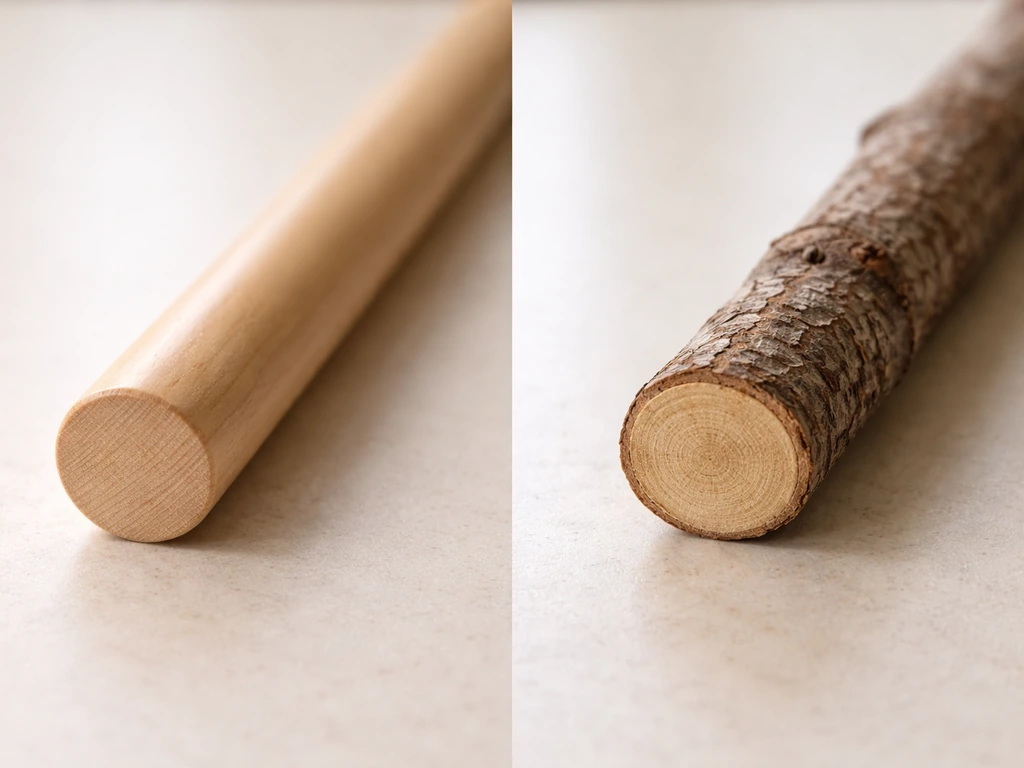
These are the plain round wooden sticks that come standard with almost every cage sold in a pet store. They are uniform in diameter and surface, which makes them the worst option to use exclusively. A bird standing on a smooth dowel of one consistent diameter all day is putting the same pressure on the same spot of its foot pad repeatedly. If your cage came with only dowels, treat them as a starting point and add variety immediately. Used as just one of several perch types in a cage, a smooth dowel is fine. As the only perch, it is a problem.
Rope and fabric perches
Cotton rope perches are popular because birds seem to enjoy them, and they provide a softer landing surface. For birds recovering from foot injuries or older birds with arthritis, they can be genuinely helpful. The big warning here is fraying. Synthetic fiber rope perches in particular fray into loose threads that can wrap around toes and cut off circulation, which is a serious injury risk. Avian veterinarians generally do not recommend synthetic rope perches. If you use rope perches, inspect them every single day, stick to 100% cotton options, and replace them the moment you see significant fraying.
Specialty perches
This category includes cement or concrete perches, mineral perches, and therapeutic orthopedic perches. Concrete and mineral perches serve double duty: they help wear down nails naturally, which reduces how often you need to trim them. However, if your bird stands on a rough cement perch exclusively, the constant abrasion can cause foot irritation rather than prevent it. Think of a cement perch as a useful addition, ideally placed near a food bowl where your bird spends time but will not sleep on it all night. Calcium perches and conditioning perches fit into this category too. Heated perches are available for birds kept in colder environments, and swing perches add movement and enrichment. Using a mix of two to three types across the cage is the right approach.
Picking the right perch size, shape, and material for your specific bird
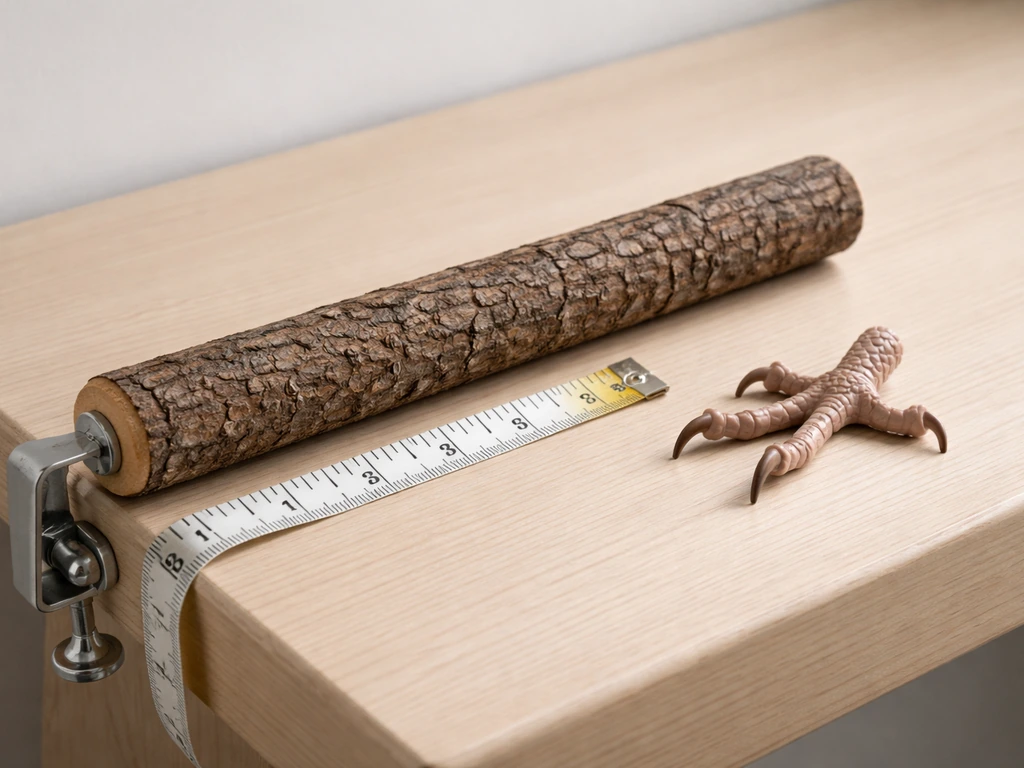
Diameter is the most important spec to get right. The general rule, backed by VCA Animal Hospitals, is that perch diameter should somewhat match the bird's foot size. Your bird's toes should wrap about three-quarters of the way around the perch. If they wrap all the way and overlap, the perch is too thin. If the foot sits nearly flat on top, the perch is too thick. Getting this wrong in either direction puts abnormal stress on tendons and pressure points.
| Bird Species | Recommended Perch Diameter |
|---|---|
| Parakeet (Budgie) | 3/8 to 3/4 inch (0.95 to 1.9 cm) |
| Cockatiel | 1/2 to 1 inch (1.27 to 2.54 cm) |
| Lovebird / Parrotlet | 1/2 to 3/4 inch (1.27 to 1.9 cm) |
| Conure / Caique | 3/4 to 1 inch (1.9 to 2.54 cm) |
| African Grey / Amazon | 1 to 1.5 inches (2.54 to 3.8 cm) |
| Macaw / Cockatoo | 1.5 to 2+ inches (3.8 to 5+ cm) |
Beyond diameter, texture matters a lot. Rough, irregular surfaces engage more of the foot and prevent the same pressure points from forming repeatedly. Shape also plays a role: a slightly oval or irregular cross-section is better than a perfect circle because it shifts the grip constantly. For most beginner setups, combining at least one natural wood perch (irregular diameter and texture) with one smoother perch and one specialty or conditioning perch covers the bases well.
How to place and mount perches safely
Placement is where a lot of new owners make avoidable mistakes. The most critical rule: never position a perch directly over food or water dishes. Bird Vet Melbourne also advises not to place feeders or drinkers under perches to prevent fecal contamination, and to clean dropped food and feces from the cage daily never position a perch directly over food or water dishes.. Droppings accumulate on cage parts and perches constantly, and if a perch is above a dish, you are essentially seasoning your bird's food with bacteria and potential mold. Place dishes at the side of the cage with no perch directly above them, and position at least one perch nearby at a comfortable height so your bird can eat and drink easily without being forced into an awkward position.
Height variety is important too. Birds instinctively prefer to be high up, so your highest perch should be a comfortable sleeping spot. Do not pack so many perches into the cage that your bird cannot spread its wings or move freely. Two to three perches is a reasonable number for a standard cage, positioned at different heights and angles. Welfare standards specify that adjacent perches should be at angles of no more than 45 degrees to each other, measured on the horizontal plane, to ensure birds can move between them naturally without straining.
Keep perches away from drafty spots near windows or vents. Avoid placing them so close to cage walls that your bird's tail feathers rub constantly. When mounting, make sure each perch is genuinely secure. A perch that wobbles or spins unexpectedly can cause a bird to fall and injure itself, and it will make your bird anxious about using that spot.
Protecting your bird's feet: bumblefoot, pressure points, and stress
Bumblefoot develops when constant pressure on the same part of the foot pad causes a sore, and bacteria enter through small scrapes or raw spots. It starts subtle, with slight redness or swelling, and can progress to a hard, dark scab and deep infection if ignored. The single biggest prevention strategy is perch variety. An Agroscope study looking at “perch type” and pododermatitis outcomes supports the idea that choosing perch shape and material can influence foot-health risk, not just diameter blank" rel="noopener noreferrer">perch variety. If every perch in your cage is the same smooth, same-diameter dowel, you are setting your bird up for this condition over time, especially if the bird is heavier or older. American Humane cage standards explicitly state that varying perch diameter is essential for promoting foot health.
Inspect your bird's feet regularly, ideally weekly. You are looking for any redness, swelling, scabbing, or areas where feathers around the leg look puffed out or the bird seems reluctant to put weight on a foot. If you spot any of those signs, get to an avian vet. Do not try to treat bumblefoot at home by wrapping the foot or switching perches alone. A vet needs to assess the stage and severity.
Stress is the other foot-health factor people overlook. A bird that is anxious will grip perches far more tightly than a relaxed bird, which creates more pressure and more wear. Providing a comfortable, high, secure sleeping perch, keeping the cage in a calm part of the home, and maintaining a consistent routine all reduce the grip tension that contributes to foot problems over time.
Cleaning perches and knowing when to replace them
Droppings on perches are not just gross. They are a genuine health risk. Bacteria and mold grow quickly on soiled surfaces, especially in the warmth of a typical home. Here is a cleaning schedule that works in practice:
| Frequency | Task |
|---|---|
| Daily | Remove visible droppings from perches using a damp cloth or paper towel; check rope perches for fraying |
| Weekly | Scrub all perches with hot water and a small amount of liquid dish soap; rinse thoroughly and allow to dry completely before returning to cage |
| Monthly (1 to 2 times) | Full disinfection with a non-toxic bird-safe disinfectant; scrub cage, perches, dishes, and all accessories together; rinse well |
Natural wood perches need inspection every week. Look for deep cracks, soft spots, or areas where the wood has absorbed so much moisture and waste that it cannot be cleaned effectively anymore. Rope perches need daily inspection for fraying and should be replaced as soon as threads start coming loose. Smooth dowels last the longest but still need regular scrubbing. A perch that smells bad after cleaning or has visible staining that will not come off should be replaced. Perches are not expensive, and replacing them proactively is far cheaper than treating a sick bird.
Getting your setup right from the start: checklist and common beginner mistakes
If you are setting up a cage for the first time, run through this checklist before your bird goes in. These are the things I wish someone had handed me on day one.
- Check perch diameters against your bird's foot size: toes should wrap about three-quarters of the way around, not overlap completely and not sit flat on top
- Include at least two to three perch types: one natural wood, one smooth or conditioning perch, and one rope or specialty option (cotton rope only, inspect daily)
- Vary the diameters across your perches, even slightly, so your bird never puts the same pressure on the same spot every time it lands
- Position no perch directly above food or water dishes
- Place the highest perch at a comfortable height with enough clearance so the bird's head and tail do not touch the cage top or sides
- Make sure every perch is mounted securely with no wobble
- Keep perches away from drafts, heating vents, and windows with direct sun exposure
- Set a cleaning routine before the bird arrives: daily wipe-down, weekly scrub, monthly full disinfection
- Inspect feet weekly for redness, swelling, or scabbing and contact an avian vet if anything looks off
Troubleshooting the most common beginner mistakes
- Using only the dowels that came with the cage: Add at least one natural wood perch immediately. The stock dowels are a starting point, not a complete setup.
- Buying the wrong diameter: If your parakeet's toes completely overlap underneath the perch, it is too thin. If the foot looks flat and the toes barely curl at all, it is too thick. Match to the species guide above.
- Placing perches over food dishes: Move the dish to the cage wall and reposition or remove any perch directly above it.
- Ignoring fraying rope perches: A fraying rope perch can trap and amputate a toe overnight. Check daily and replace immediately when threads loosen.
- Skipping cleaning because the cage 'looks clean': Droppings dry and become invisible on dark perch surfaces quickly. Stick to the daily and weekly cleaning schedule regardless of how the cage looks.
- Packing in too many perches: More is not better. Two to three well-chosen, well-placed perches beat five crammed perches that leave your bird no room to move or spread its wings.
- Using cedar, pine, or chemically treated wood: Stick to bird-safe wood species. When in doubt, buy commercially prepared natural wood perches rather than DIY from your yard.
Once the basics are locked in, you can start thinking about expanding your bird's environment beyond the cage itself. Floor-standing bird stands, tabletop play gyms, and porch or deck setups all offer enrichment opportunities that complement a well-designed cage interior. A tabletop bird play gym can add variety to your bird’s daily routine while keeping them active and supported by safe, comfortable surfaces table top bird play gym. A flat top bird table can also add safe, easy-to-clean space for supervised play and setup variety beyond the cage. But none of that matters until the foundation, the perches your bird lives on every hour of every day, is right. Get the perches sorted first, and the rest gets a lot easier. A better bird deck porch patio setup also pairs well with strong perch choices so your bird has safe, varied surfaces both indoors and outdoors porch or deck setups.
FAQ
How do I measure whether a perch diameter is right for my bird?
Use the 3-quarter rule. With the bird standing naturally, the toes should wrap about three-quarters of the way around the perch. If the toes overlap on top, it is too thin. If the foot looks nearly flat on the perch, it is too thick. Re-check after you change perch types because feathering and weight can make fit feel different.
Can I replace bumblefoot prevention with “nail trimming” so I do not need special perches?
No. Nail trimming addresses growth, but it does not fix repeated pressure on the foot pad. Perch variety reduces both nail overgrowth risk and the constant pressure pattern that leads to bumblefoot. Trim less often only if nails are naturally wearing down, and still inspect feet weekly.
What should I do if my bird refuses to use a new perch?
Start by adding the new perch gradually, place it near a trusted spot (like the current sleeping perch), and match the height and angle so it feels safe. Avoid sudden swaps of every perch at once. If the bird shows limping, reluctance to step up, or persistent gripping, remove the perch and reassess texture and diameter.
Is it safe to use natural branches from trees in my yard?
It can be, but only if you correctly verify the wood. Choose tree species that are not known toxic, avoid branches exposed to pesticides, and remove bark only if it is loose or likely to flake. Clean thoroughly and allow the branch to dry completely before putting it in the cage. If you cannot confidently identify the tree, use commercially sourced bird-safe perches instead.
How often should I clean perches, and do I need to sanitize them?
Spot-clean daily if droppings get on perches, and do a deeper cleaning on a schedule that matches the care level you can maintain (weekly inspection is a good baseline). Use regular cage-cleaning habits, and prioritize replacing rather than “hoping” a perch will be fully clean if it keeps staining, smells after washing, or has deep cracks. Since the article already flags mold risk, the practical goal is to remove waste quickly and avoid lingering moisture.
Can I let my bird sleep on a cement or mineral perch?
Ideally, no. Cement and mineral surfaces are better as additions placed near activity like a food area, because continuous rough abrasion can irritate feet if used as the main sleeping surface. Save the night spot for natural wood or smoother conditioning options that still provide comfortable grip.
How close together should perches be, and is there a maximum number for a standard cage?
Two to three perches is usually workable for a standard cage, especially if they are positioned at different heights and angles. The key constraint is that your bird must be able to move without crowding, and adjacent perches should not force sharp reaching. If your bird cannot spread wings comfortably or has to step sideways awkwardly, remove one and re-space.
What are the signs of an unsafe perch beyond foot redness?
Watch for wobbling, spinning, or “give” at the mounting points, because mechanical instability can cause falls even if the surface is perfect. Also look for fraying on rope, loose threads, sharp edges on shaped perches, and persistent roughness where you can see damage spreading over time.
Are rope perches okay for all birds, including chewers?
Rope perches can be risky for birds that chew aggressively because fraying and loose fibers can increase faster than you can catch it. If you use rope, inspect daily, choose 100% cotton, and replace the moment threads start coming loose. For heavy chewers, natural wood or switch to safer specialty perches with a more durable surface.
Should I avoid smooth dowels completely?
Not completely. A smooth dowel is acceptable as part of a varied setup, but it is a poor choice as the only perch because it creates a consistent pressure pattern on the same spot. If your cage came with only dowels, treat them as temporary and add at least one natural wood branch-type perch plus one other texture.
Do heated perches or swing perches count as “foot-safe,” or can they cause problems?
They can help comfort or enrichment, but they still need the same fundamentals: correct diameter, stable mounting, and safe placement away from drafts and cage clutter. Use them as part of a mix, not as the sole surface. If your bird sleeps unusually long on one specialty perch, reassess after a few weeks with a close foot inspection.
My bird’s tail rubs on the wall, does that mean perch placement is wrong?
Often, yes. Tail rubbing usually indicates perches are too close to cage walls or positioned at angles that force the bird into repetitive friction. Adjust perch spacing so the bird can stand and step without dragging tail feathers, and ensure there is enough clearance to move between perches comfortably.
What should I do immediately if I spot early bumblefoot signs?
Do not try to manage it at home by simply switching perches or wrapping the foot. Remove obvious hazards (like an unsuitable perch), but book an avian vet visit promptly. Early detection matters, and the vet will determine whether there is infection and what stage you are dealing with.