Bird hammocks are safe for most pet birds when you choose the right materials, hang them correctly, and check them regularly for wear. The risks are real but manageable: loose threads can wrap around toes, cheap dyes can be toxic, and the wrong size or placement can trap a bird overnight. Get those three things right and a hammock becomes a genuinely useful piece of enrichment, not a hazard.
Are Bird Hammocks Safe? Vet-Style Safety Checklist

Marcus Chen
30 May 2026
What bird hammocks are and why people use them
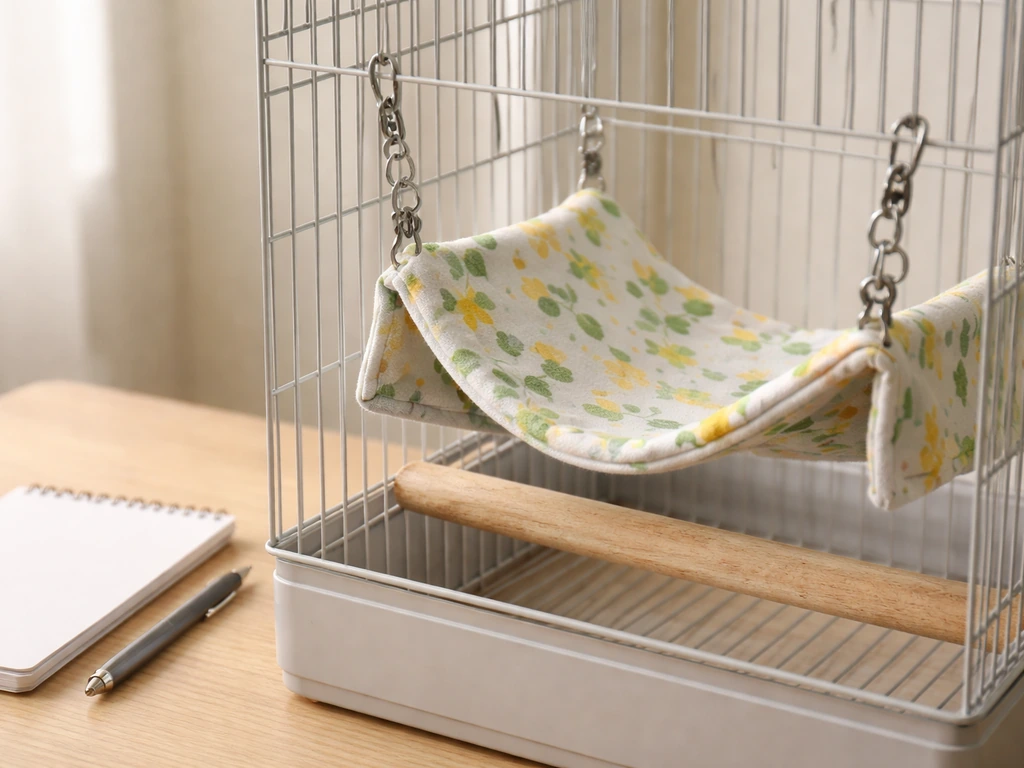
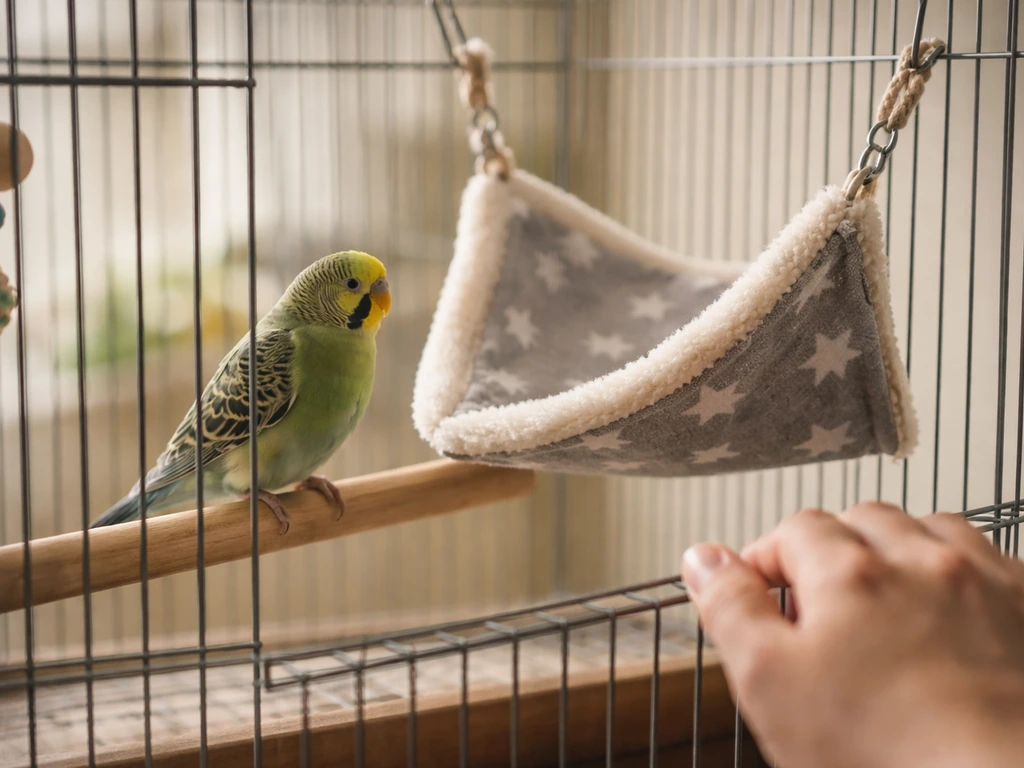
A bird hammock is a small suspended pouch or cradle, usually made from fabric, fleece, or woven rope, that hangs inside a cage or aviary. They give birds a place to rest, sleep, and feel secure, particularly species that naturally roost in tight, sheltered spots. Smaller birds like budgies, cockatiels, lovebirds, and some conures often take to them eagerly, using them as sleep spots or just somewhere to hang out between play sessions. Think of it as the bird equivalent of a cozy corner chair.
Beyond comfort, hammocks count as enrichment. They add a new texture, a new shape, and a physical challenge to navigate in and out of. For birds that self-soothe through contact with soft surfaces, a fabric hammock can reduce stress-related behaviors like feather-plucking. They are not a replacement for good perches, socializing, or foraging toys, but used alongside those things, they earn their place in a well-set-up cage.
The safety risks you actually need to worry about
Loose threads and fraying fabric
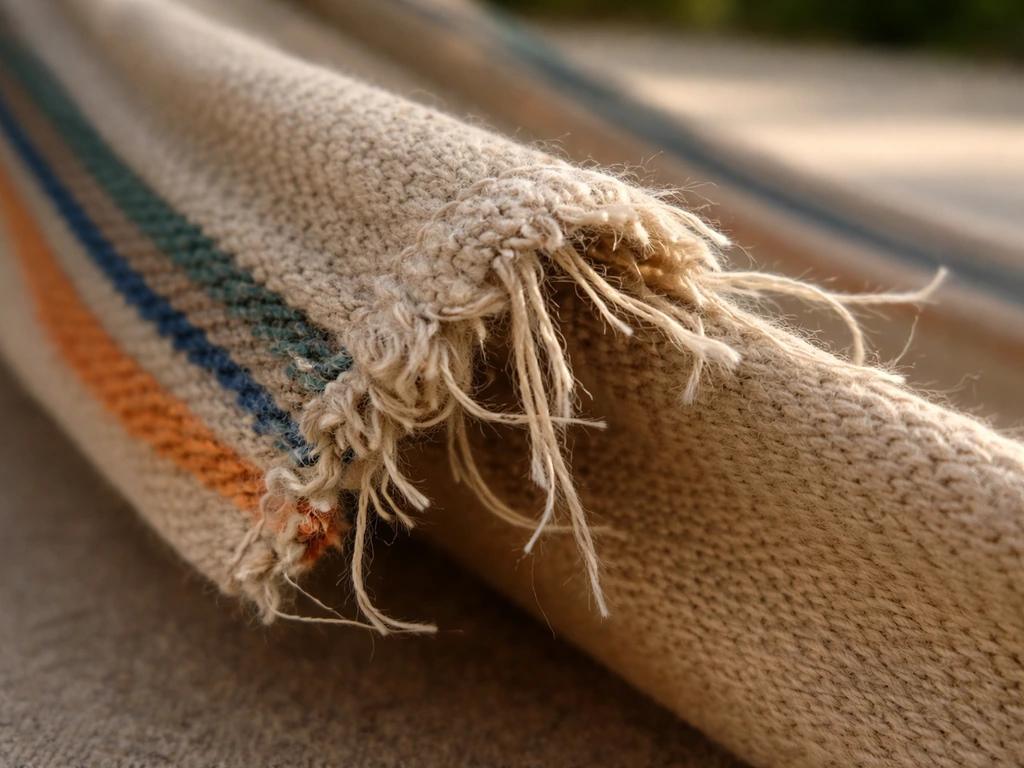
This is the biggest day-to-day risk. A thread or strand that pulls loose from stitching can wrap around a bird's toe, foot, or leg and act like a tourniquet. Materials commonly implicated in toe and leg constriction injuries include sewing thread, fleece strands, frayed rope fibers, and loose gauze. A bird can lose a toe or develop permanent nerve damage before you notice anything is wrong, especially overnight. Synthetic fiber rope and nesting-type materials are specifically flagged by avian vets as materials to avoid entirely because they fray into fine, strong strands that birds can't untangle themselves from.
Dyes, chemical treatments, and fabric finishing
Birds chew things. If a hammock is made from fabric treated with unknown dyes, flame retardants, or chemical finishes, your bird is going to ingest some of that. Most mass-market textile products are not tested for the kind of repeated oral contact that a bird will subject them to. Cheap imported hammocks with bright, vivid colors are the ones to be most skeptical about. OEKO-TEX STANDARD 100 certification is the clearest signal that a fabric has been tested for harmful substances including pesticides, heavy metals, and certain chemical finishes across every component including thread and accessories. It is not a guarantee designed specifically for birds, but it is a meaningful baseline for chemical safety.
Hardware and fasteners
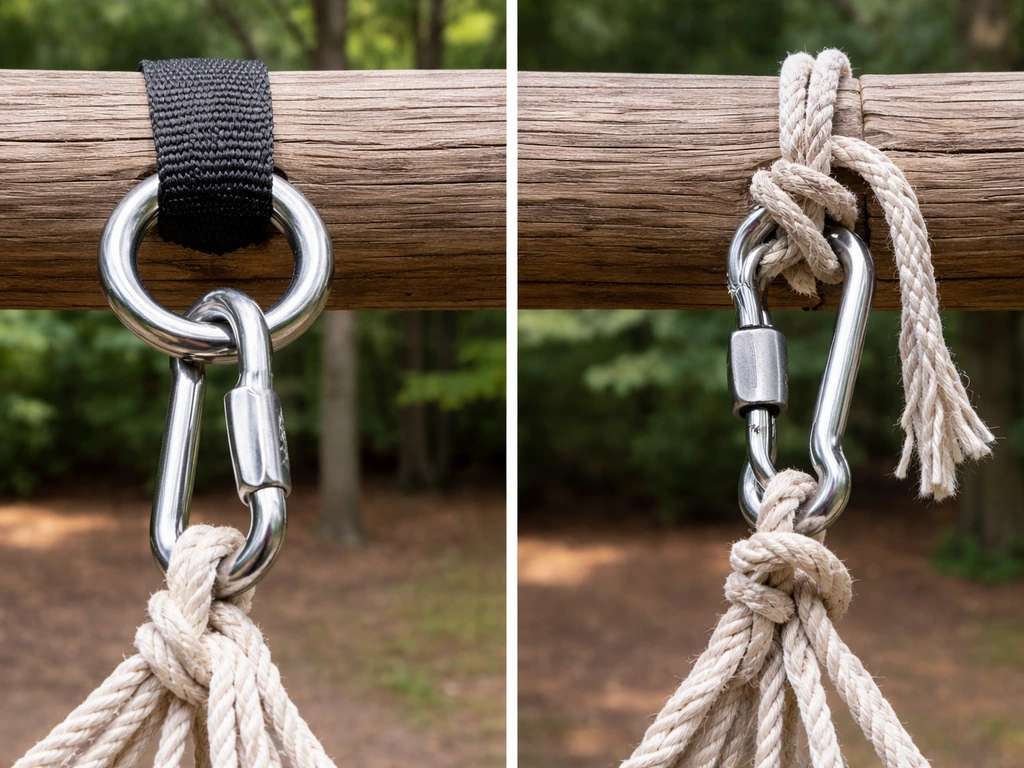
The clips, rings, and hooks used to hang a hammock matter as much as the fabric itself. Spring-loaded clips and snap-type hooks can catch toes, beaks, or the skin around a bird's face. Split-ring and dog-clip style attachments have a documented history of causing injuries and are best avoided. Clips that are not fully closed leave gaps that can trap a toe or a nail, and any hardware that begins to rust introduces a chemical hazard as well as a structural one. For small birds, clip-type connectors can work if they are the right size and kept fully shut; for larger parrots, the risk of beak damage from metal hardware is higher and warrants extra scrutiny.
Rope length and entanglement
Long hanging ropes or tails attached to a hammock create a strangulation risk. The practical guideline used by avian welfare organizations is to leave no more than about 8 inches of rope or twine hanging from any toy or accessory. Longer lengths can loop around a bird's neck or body, especially during active play or when a bird panics in the dark.
Soiling, overheating, and airflow
A hammock placed directly below a perch becomes a droppings collector within a day. Accumulated droppings create a bacterial and fungal environment that the bird then sits in and preens from. Placement matters both hygienically and structurally: accessories attached to cage sides rather than on the cage bottom stay cleaner. A fully enclosed fleece hammock can also trap heat in warm weather. For birds in warmer rooms or climates, a more open weave or mesh-style design is a better choice than a snug fabric tube.
Checks to run before you hang the hammock
Before the hammock goes anywhere near your bird's cage, work through this list. It takes about five minutes and will catch most problems.
- Size check: the hammock opening should be large enough for your bird to enter and exit easily without getting wedged, but small enough that the bird cannot loop its neck or body through the sides. Spaces that are too small trap toes; spaces that are too large allow dangerous looping.
- Thread and seam inspection: run your fingers over every seam and knot. Pull gently on any decorative stitching or tassels. If a thread pulls free with light pressure, it will pull free when the bird works at it. Cut any loose ends down to the fabric rather than leaving them.
- Hardware check: open and close every clip or fastener several times. It should close completely with no gap. Look for rust, rough edges, or sharp points on any metal component. Replace any hardware that shows corrosion before first use.
- Hanging height and placement: position the hammock so it is not directly under a perch where droppings will fall into it. Make sure there is clear airflow around it and that the bird can reach it from a nearby perch without an awkward jump that risks a fall.
- Rope and attachment length: trim or tie off any hanging cords that exceed about 8 inches. Check that the hammock, once hung, does not swing into cage bars, water dishes, or heat sources.
- Odor and visual check: if the hammock smells chemical or strongly of dye, wash it in cold water with a gentle, fragrance-free detergent before using it. If color bleeds significantly during washing, consider replacing it with a safer option.
Matching the hammock to your bird and cage setup
Small birds: budgies, cockatiels, lovebirds, parrotlets
Small birds are the natural target audience for hammocks and generally use them most enthusiastically. The main considerations are proportional sizing and fabric weight. A hammock made for a cockatiel is not necessarily safe for a parrotlet because the openings and rope attachments will be sized for a larger bird. Look for hammocks sold specifically for the weight class of your bird. Soft, tightly woven cotton or fleece with no loose pile is a reasonable fabric for small birds, as long as the fleece is a cut style where strands cannot unravel. Avoid any fleece with a long or open pile because those fibers pull free easily.
Medium birds: conures, caiques, small Amazons, ringnecks
Medium-sized birds are strong enough to destroy a hammock faster and are more likely to actively chew seams and hardware. The planned obsolescence mindset is important here: expect the bird to wreck the hammock, and choose one where the destroyed state is still safe. Avoid hammocks with small sewn-in beads, plastic rings, or knotted decorations that could be chewed off and swallowed and cause an obstruction. Check seams every few days rather than weekly.
Larger parrots: African greys, Amazons, cockatoos, macaws
For larger parrots, a fabric sleeping hammock is less common and warrants more caution. Large beaks can shred fabric and swallow significant pieces in a way small birds cannot. Rope-style perches are often preferred over fabric hammocks for large parrots, and those should use natural-fiber cotton rope only, not synthetic cord. If you do use a fabric hammock with a larger bird, inspect it daily, not weekly, and retire it at the first sign of fraying or fabric damage. Metal hardware risks are also higher because a large parrot's beak can pry at clips and rings aggressively.
Cage type and foot safety
In a standard barred cage, the hammock should be attached to cage bars at a height where a bird that slips out can reach a perch or the cage floor without a long fall. In a flight cage or aviary with more open space, ensure the hammock is positioned against a wall or corner where the bird naturally retreats, rather than in the middle of flight paths where other birds could collide with it. Bar spacing matters too: if bar gaps are wide enough for a foot to slip through, a hammock hung too close to the bars creates a combined toe-trap risk.
How to choose a hammock you can actually trust
| Feature | Safer choice | Avoid |
|---|---|---|
| Fabric | Tightly woven cotton, untreated natural fiber, OEKO-TEX certified fabric | Synthetic rope, loose-pile fleece, unknown-dye bright fabric, nesting material |
| Hardware/clips | Stainless steel quick-links, fully-closing C-clips sized for the bird, no split rings | Spring-loaded snap hooks, key-ring style clips, rusty or sharp-edged metal |
| Stitching | Double-stitched seams, short thread tails trimmed flat, no decorative tassels | Long decorative fringe, loose overlock stitching, plastic bead embellishments |
| Rope/hanging length | 8 inches or less of hanging cord | Long tails, elastic cord, nylon cord |
| Chemical transparency | OEKO-TEX STANDARD 100 certified, natural undyed or vegetable-dyed fabric | No disclosed materials, strong chemical smell, significant color bleed on washing |
| Brand sourcing | Brands sold through avian vets or reputable bird specialty stores | Generic pet store listings with no species-specific sizing or material disclosure |
The OEKO-TEX certification is worth seeking out because it covers testing across every component of the fabric, including thread, fasteners, and dye, not just the outer material. It was not designed with birds specifically in mind, but it addresses the chemical categories, heavy metals, pesticide residues, and certain phthalates, that are most relevant to a bird that will be chewing and preening against the fabric regularly. The U. S.
CPSC notes that for natural and manufactured fiber textile products, lead limits can be determined not to be exceeded in certain situations, which can reduce the need for third-party total lead content testing, though other lead-in-paint or substrate rules may still apply chemical categories, heavy metals, pesticide residues, and certain phthalates.
The CPSC states that CPSIA restrictions on certain phthalates apply to children’s toys and child care articles, reflecting a regulatory approach to reducing chemical hazards in products that may be mouthed CPSIA restrictions on certain phthalates in children’s toys and child care articles. A hammock sold through an avian vet's office or a bird-specific retailer that can name its materials is a much safer starting point than a generic product with no material disclosure.
Introducing the hammock and watching for problems
The introduction process
Most birds approach a new object in their cage with suspicion before curiosity takes over. Hang the hammock in the cage when the bird is out for supervised play, so it is already there when the bird returns. Do not force the bird toward it. For the first two to three days, just watch whether the bird investigates it, ignores it, or shows fear responses like alarm calls and avoidance. Some birds take a week or more to start using a new hammock. Putting a favorite treat near the entrance of the hammock can accelerate acceptance.
What normal use looks like
A bird using a hammock safely will climb in and out with relative ease, settle into it for rest, and leave voluntarily without appearing stuck or distressed. Light chewing of the fabric edges is normal and expected. Watch that your bird can move all toes freely after exiting the hammock. A bird that seems reluctant to put weight on a foot after time in the hammock, or that sits hunched with a foot raised, needs an immediate foot check and possibly a vet call.
Behavior cues that signal a problem
- Panic flapping or loud alarm calls while inside or near the hammock
- Sitting very still in an unusual posture inside the hammock (could indicate entanglement)
- Favoring one foot or refusing to use a foot after a rest in the hammock
- Visible thread or fiber wrapped around a toe, foot, or leg (this is an emergency: cut the fiber carefully with blunt scissors and check the tissue for swelling or color change)
- Aggressive chewing at a specific part of the hammock, which usually means something is irritating the bird or a loose part has caught its attention
- Refusing to exit the hammock for food or water, which can indicate a trapped foot or general distress
Cleaning and replacement schedule
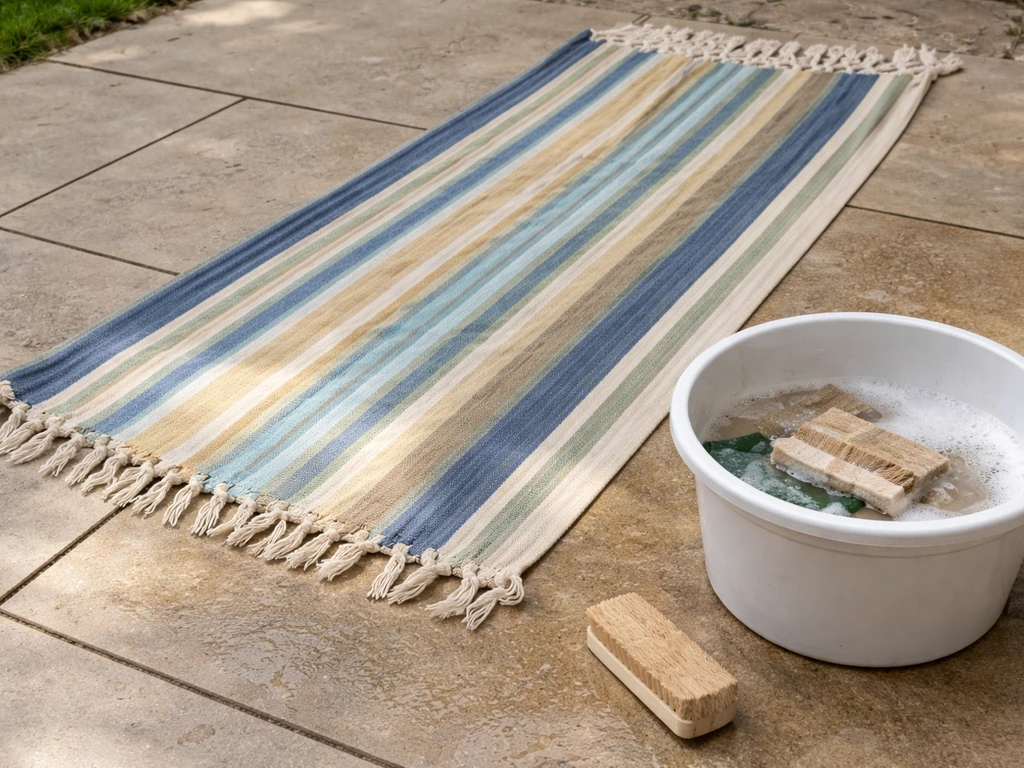
Wash the hammock weekly if it is used frequently as a sleep spot, or every two weeks for occasional use. Hand wash in cold water with a fragrance-free, gentle powder detergent, then rinse thoroughly and air dry completely before returning it to the cage. Never use scented detergents or fabric softeners around birds because the fumes and residue can affect their respiratory systems. Dry the hammock fully before re-hanging: a damp fabric hammock becomes a mold risk within a day or two in a warm cage environment.
Replace the hammock at the first sign of fraying, thinning fabric, pulled seams, or corroded hardware. If your bird has been actively chewing it and areas of fabric are thinned or have holes, retire it. The useful lifespan of a hammock depends entirely on how much the bird uses and chews it. For active chewers, monthly replacement is not unreasonable. Think of it as a consumable, not a permanent fixture.
When to skip the hammock entirely
Some birds and setups genuinely are not a good fit for fabric hammocks, and that is fine. For some species, playing bird sounds can also attract birds and increase curiosity, so it is worth weighing that benefit against your bird's comfort and safety playing bird sounds attract birds. Skip the hammock if any of these apply: If you are also wondering can you keep a bird scooter in your house, use the same mindset here and skip the hammock if your setup cannot be made safe and checked regularly.
- Your bird has a history of toe or leg injuries and is especially vulnerable to constriction risks
- Your bird is an aggressive, persistent chewer who destroys fabric toys within hours (the ingestion risk outweighs the enrichment benefit)
- You cannot check the cage at least once daily because overnight entanglement emergencies require quick intervention
- The cage is already cramped and adding a hammock would limit flight and movement
- Your bird shows fear or chronic stress around soft fabric items
Safer enrichment alternatives that fill the same role
If a hammock is not the right fit, there are practical alternatives that meet the same needs for comfort, rest, and enrichment. A snuggle hut made from tightly woven natural fiber without loose threads provides a cozy enclosed sleep space with less toe-entanglement risk if inspected regularly. A rope perch made from natural cotton (not synthetic cord) gives a soft, slightly yielding surface for sore or arthritic feet.
Shreddable wooden toys and tightly woven palm leaf baskets satisfy chewing and manipulation instincts without the thread hazard. For birds that just want a soft surface to sleep against, a small piece of untreated, tightly woven cotton fleece clipped flat to a cage wall (not hung loosely) can work as a resting pad.
Swings are another worth-considering option. If your bird enjoys the motion of a hammock, a simple wooden or acrylic swing gives movement and enrichment with far less entanglement risk. If your bird enjoys the motion of a hammock, and your bird can swing, a simple wooden or acrylic swing can offer movement with far less entanglement risk. Safe bird toys in general, and swings specifically, pair well with hammocks as part of a varied cage setup.
If you are also wondering are bird toys safe for rats, you will want to treat the material and attachment details the same way you would for any chewable or hanging item Safe bird toys in general, and swings specifically.
If you are wondering whether it is good to play bird sounds for your bird, start by choosing natural-sounding, moderate volume recordings and avoid using them as a constant background noise Safe bird toys in general, and swings specifically. The goal is variety and safety at the same time, and with a little attention to materials and setup, you can usually achieve both.
FAQ
How can I tell if my bird hammock is the wrong size for my bird?
If your bird can slip under the fabric and get a toe caught, or if there is not enough room to sit with feet flat and toes splayed, it is likely too small or hung too low. A quick check is to see whether your bird can step out without twisting its foot or needing to pry its toes free.
Is an OEKO-TEX label enough to say are bird hammocks safe?
It is a strong chemical-safety baseline, but it does not cover mechanical hazards like fraying, weak stitching, or risky hardware. Still do a “tug test” on seams and attachments when the hammock is empty, and monitor for loose fibers even if the fabric is certified.
What should I do if I find a loose thread or frayed rope strand?
Do not try to trim only the visible part. Remove the hammock immediately and inspect the surrounding stitching for wicking frays. Replace it if you see any unraveling at seams or if rope fibers look like fine strings that could keep lengthening when tugged.
Can I repair a hammock after it starts to wear out?
Small repairs are risky because the bird can access the repaired area and chew it open. If you repair, use tightly secured, bird-safe stitching and remove any loose ends, but retirement is usually safer once you see thinning fabric, holes, or any hardware corrosion.
How often should I inspect a hammock if my bird is an aggressive chewer?
For light users, weekly checks may work, but for active chewers inspect every few days and check seams and edges every time you change cage cleaning routines. Also watch for early warning signs like frayed fuzz at the hem before you see holes.
Are hammocks safe for birds with foot problems or arthritis?
They can be comfortable, but only if the fabric is stable and your bird can exit without lifting one foot or hopping awkwardly. Avoid hammocks with deep sag, loose pile, or any traction that forces toes to curl, and consider a simple perch or resting pad if gait changes appear.
Is it safe to hang a hammock with the bird sleeping in it unattended at night?
Usually it is, provided there are no hanging tails, no gaps in clips, and no rope strands that can loop. If your bird is a known night panicist, start by supervising after lights-out for the first few nights and reposition the hammock so there is no long drop if the bird relocates.
What grooming or droppings issues should I watch for under a hammock?
If droppings collect and the bird sits close to them, you may see staining on feathers and feet, and possible irritation from dampness. Clean the area more often, and consider repositioning the hammock to a side wall or corner so it is not directly under a perch.
Are metal clips always unsafe for birds?
Not automatically, but poor-quality clips and open snap styles are a problem. Choose attachments that are fully closed, correctly sized, and show no sharp edges, then ensure the clip points do not sit where a bird can pry them with the beak.
Can I wash bird hammocks in a washing machine?
Hand washing is safer because it lets you rinse thoroughly and avoid agitation that can loosen seams. If you must machine wash, use a gentle cycle, skip scented detergents and fabric softeners entirely, and inspect seams again afterward before re-hanging.
How long do bird hammocks typically last before replacement?
There is no single lifespan, but active chewers often require monthly replacement, while gentle users can last longer. Replace sooner if you see thinning fabric, any frayed fibers that increase with handling, or rust even if the hammock still looks intact.
Is a hammock safe for all bird species?
No, species and individual behavior matter. If your bird frequently chews aggressively, has a strong climbing style that wraps feet into openings, or shows fear and avoids the hammock, switch to a lower-entanglement option like a tightly woven snuggle hut or a swing that is built to reduce snagging.
Next Articles
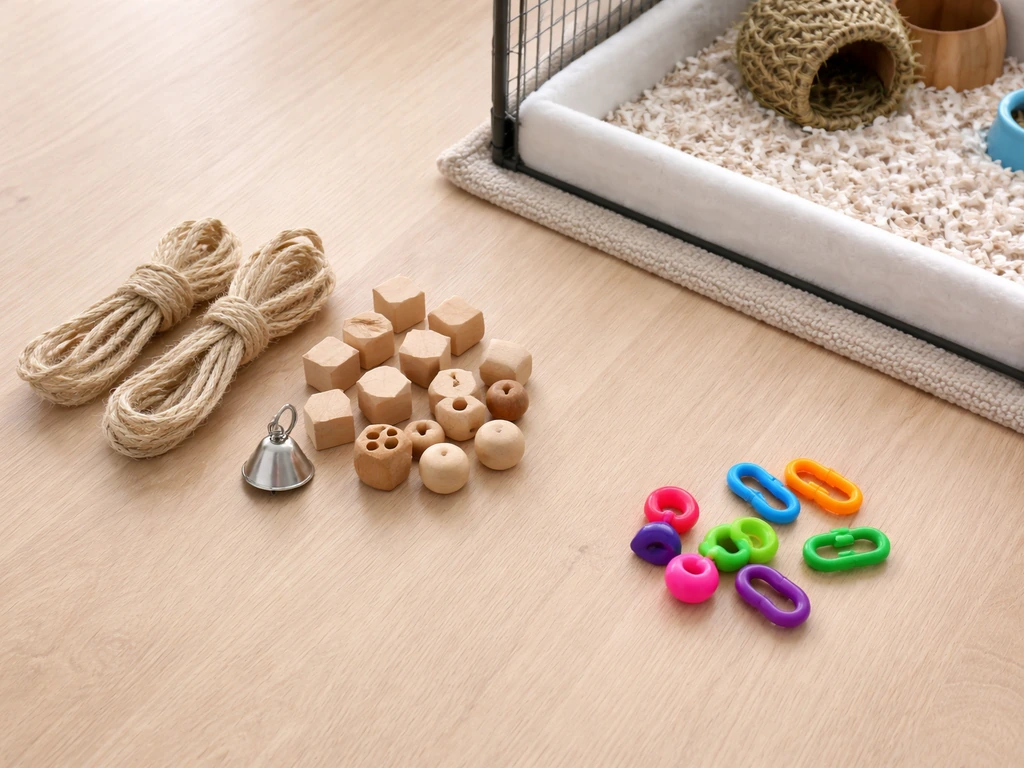
Are Bird Toys Safe for Rats? A Practical Safety Checklist
Checklist to decide if bird toys are safe for rats, spot hazards in materials, and choose rat-safe enrichment.
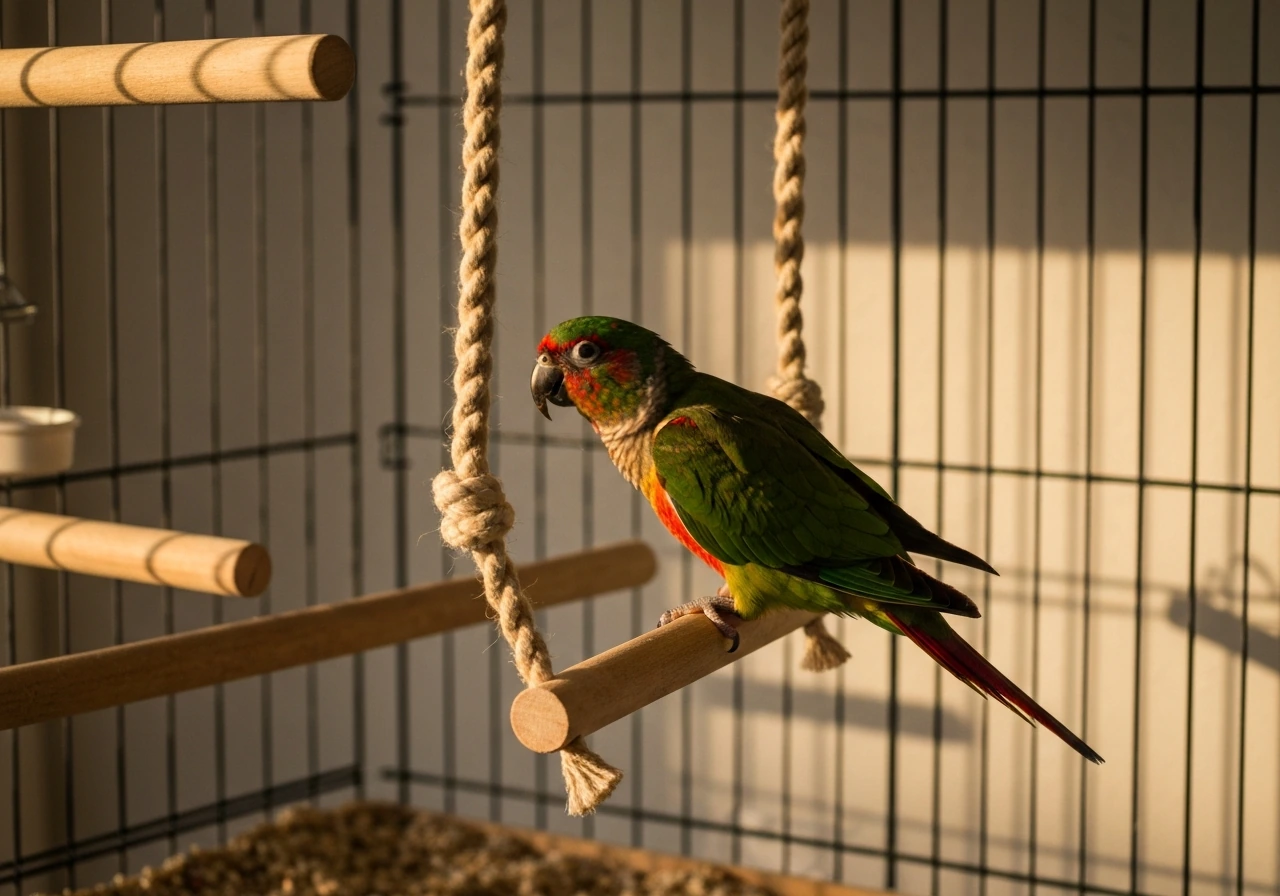
And Your Bird Can Swing: What It Means and What to Do
Learn why your bird may swing, how to tell normal play from balance or discomfort, and what to fix today.
Can You Keep a Bird Scooter in Your House? Indoor Care Tips
Yes only with the right indoor setup: safe cage placement, clean air, daily care, and enrichment for a pet bird.