Yarn is not safe for bird toys in most cases, and I'd genuinely steer most bird owners away from it entirely. The risks are serious enough that the RSPCA, U.S. Fish and Wildlife Service, and multiple avian vets all flag string and yarn-type materials as hazards to avoid. That said, if you already have a yarn-containing toy in your bird's cage, the next few sections will help you decide whether to toss it today or manage it with stricter precautions.
Is Yarn Safe for Bird Toys? Risks and Safer Alternatives

Marcus Chen
12 Jun 2026
Why yarn is a real problem, not just overcautious advice
I used to think the warnings about string and yarn were the same kind of overly cautious advice you see plastered on everything. Then I started reading actual case reports. There's a documented case of an umbrella cockatoo developing an intestinal string foreign body traced directly to a rope toy in its cage. Another case describes a bird going into a respiratory emergency because a string foreign body became wrapped around the base of its tongue and obstructed the glottis. These aren't freak accidents. They're predictable outcomes of a predictable hazard.
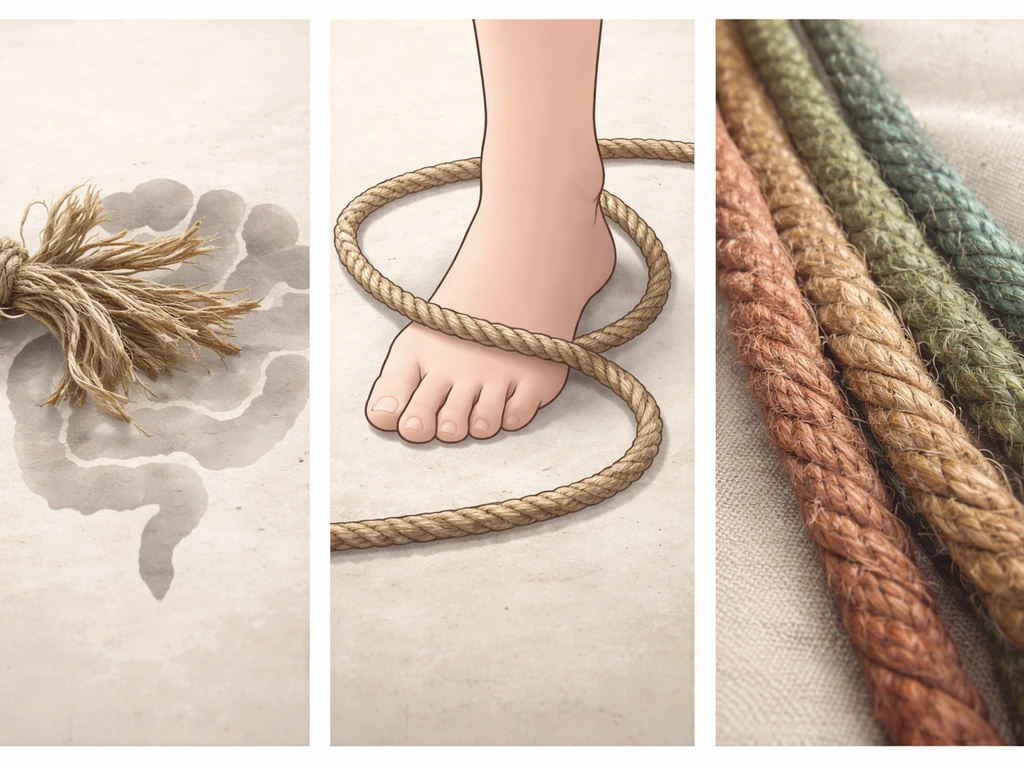
The core problem is that birds chew. That's exactly what you want them to do with enrichment toys. But when a bird chews yarn or string, it doesn't just break it apart harmlessly. It pulls out fibers, swallows lengths of material, and sometimes ingests enough that the string acts like a drawstring in the gut, literally bunching the intestines together. The ASPCA describes this mechanism clearly: a linear foreign body (string, yarn, thread) can anchor at one point, usually the tongue or stomach outlet, while the rest migrates through the intestines and gathers tissue as it goes. That causes obstruction and can lead to perforation. It's life-threatening, expensive to treat surgically, and preventable.
The three main risks broken down
Ingestion and gut obstruction
This is the biggest risk. The RSPCA explicitly warns that cotton and natural fiber ropes are frequently eaten by birds and can cause crop, stomach, and intestinal obstructions. Short fibers cause blockages; longer lengths cause linear foreign body syndrome, which is harder to diagnose and treat. The Merck Veterinary Manual notes that linear foreign bodies carry a higher risk of intestinal perforation than solid objects because of the bunching mechanism. Even if your bird only ingests a few fibers at a time, repeated exposure adds up.
Entanglement
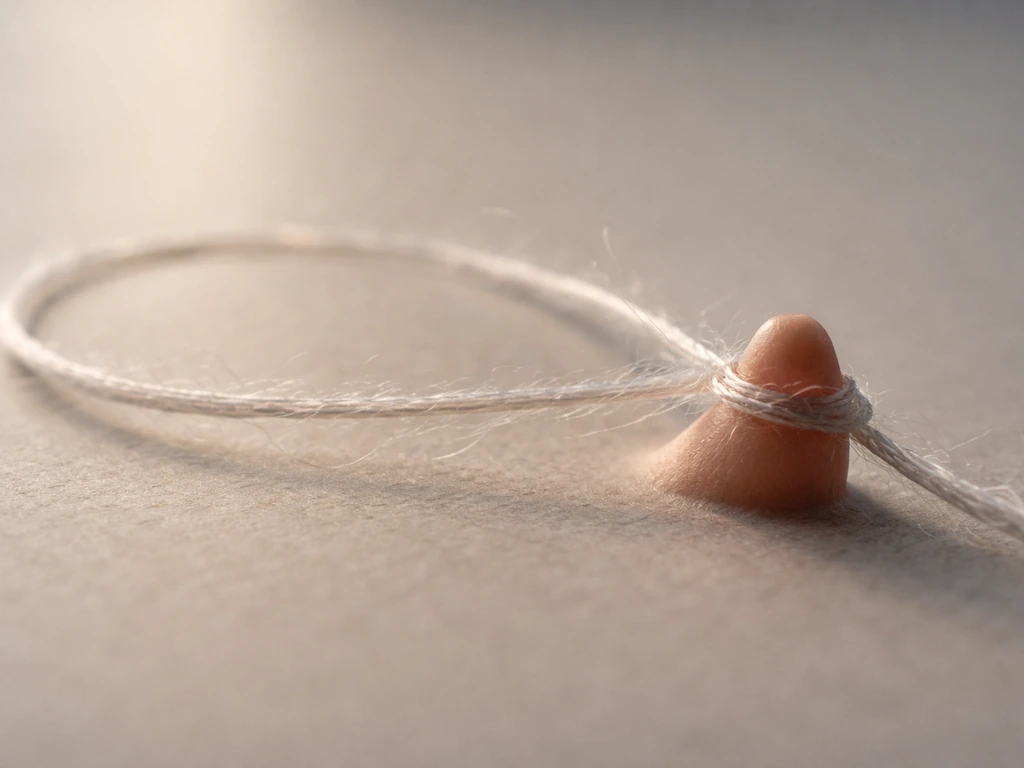
Loose strands and long loops are a trap for toes, legs, wings, and necks. Audubon has documented cases where birds' feet became so entangled in string or thread that the resulting constriction cut off circulation and required toe amputation. VCA Animal Hospitals specifically recommends removing rope toys the moment they start to unravel or shred, because even a few loose strands can wrap tightly around a toe. Yarn unravels by design. That makes it structurally more dangerous than tightly braided rope, especially as it ages.
Dyes, chemical finishes, and loose fibers
Most commercially available yarn is dyed with azo dyes and may be treated with finishing chemicals to improve softness, texture, or color fastness. The safety profiles of these treatments for birds specifically are not well studied, and birds have extremely sensitive respiratory and digestive systems. If you're using craft yarn bought from a general hobby store, there's no way to know what finishing agents or dye fixatives it contains. Even yarn labeled as "natural" can include mordants used during the dyeing process. When in doubt, assume treated.
Yarn and rope materials compared: what to avoid and what's acceptable
| Material | Risk Level | Notes |
|---|---|---|
| Acrylic or synthetic yarn | High | Frays into micro-fibers, non-digestible, high entanglement risk, often contains chemical dyes and finishes. Avoid entirely. |
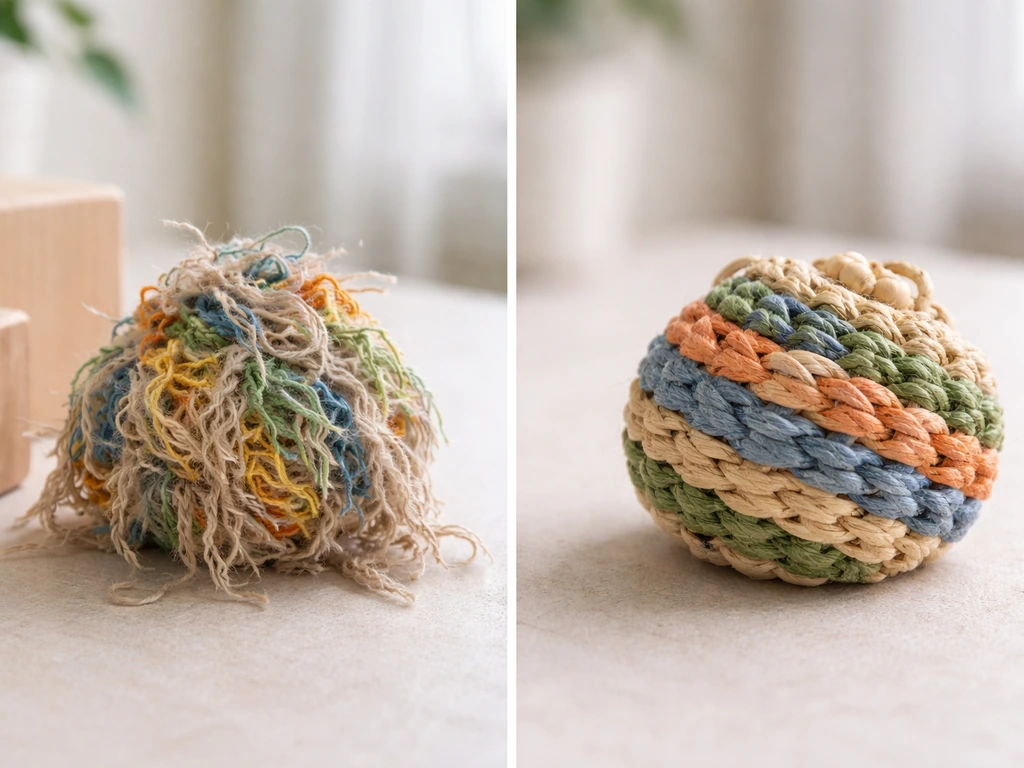
| Fuzzy or chenille yarn | High | Fiber structure means loose fibers come off easily with minimal chewing. One of the worst options. |
| Elastic or stretchy yarn | High | Can wrap tightly around toes or neck; acts like a rubber band. Never use. |
| Cotton yarn (craft store) | High to moderate | RSPCA and ASPCA both flag cotton fibers as a common cause of GI obstruction. Ingested fibers swell and clump. Generally avoid. |
| 100% cotton rope (tight braid, thick) | Moderate with strict supervision | Best Friends and VCA acknowledge cotton rope is used in commercial bird toys, but only when tightly braided, thick enough to resist easy unraveling, and removed at first sign of fraying. |
| Hemp or sisal rope (tight braid) | Moderate with strict supervision | Coarser texture discourages fiber ingestion somewhat, but same rules apply: thick, tight braid only, remove when fraying begins. |
| Seagrass or palm leaf strips | Lower | Natural plant fiber, less linear ingestion risk, shreds into short pieces rather than long strands. Good alternative. |
| Untreated natural wood | Low | Splinters are short, digestible fibers. No entanglement risk. Strong enrichment option. |
The short recommendation: avoid yarn in all its common forms. If you want a rope element in a toy, use a thick, tightly braided 100% cotton or sisal rope and commit to daily inspection. Anything that can be pulled into loose strands needs to come out of the cage.
How to vet an existing yarn toy before your bird uses it
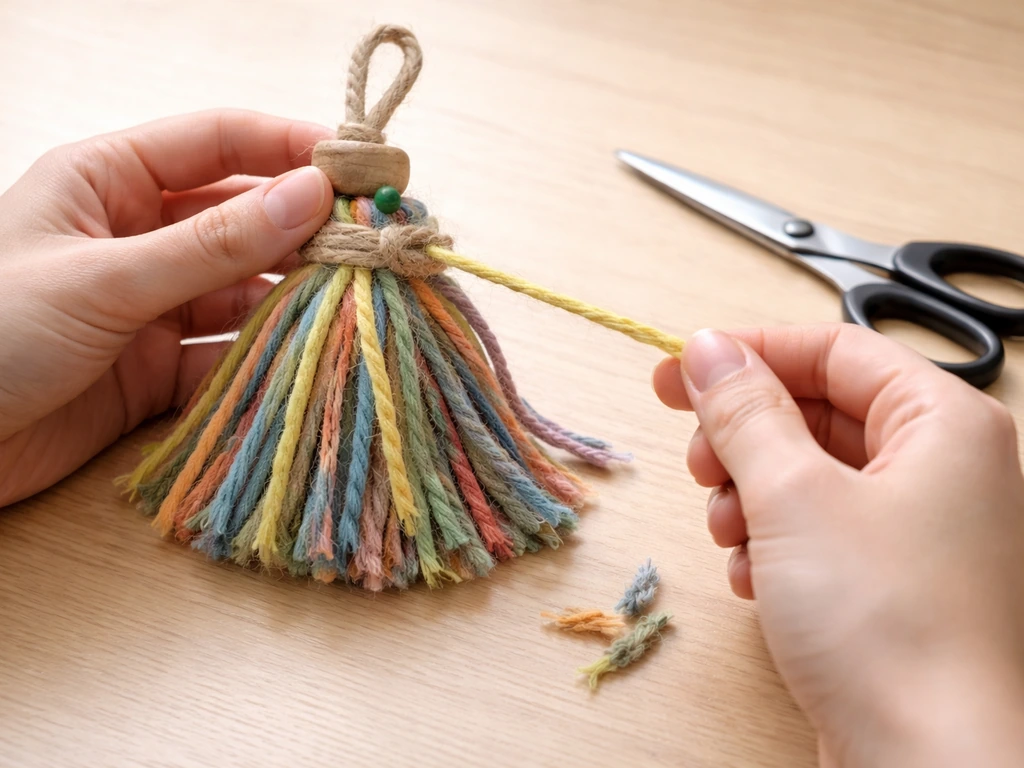
If you already have a toy with yarn or rope components, run through this quick checklist before putting it back in the cage or keeping it there.
- Pull on the fibers firmly. If strands come away in your fingers with light tugging, the toy is too loose and should be removed immediately.
- Check the length of any hanging loops or strands. A loop large enough to fit around your bird's head, neck, or foot is a strangulation risk. Loops should be short enough that the bird cannot pass any body part through them.
- Look for fraying at attachment points. The spots where rope or yarn is tied, knotted, or connected to hardware are the first places to unravel. If there's visible fraying at any attachment, retire the toy.
- Check the material. Fuzzy, stretchy, or synthetic-looking yarn? Remove it regardless of condition. Only tight-braid natural fiber rope passes the basic material check.
- Check for dye bleed. Run a damp white cloth over the material. Significant color transfer means the dye is not fixed and could be ingested with the fibers.
- Consider the toy's age and use. Any rope or yarn toy that has been in the cage more than a few weeks and has been actively chewed should be replaced, even if it looks okay at a glance.
How to design or build safer bird toys
If you're making toys at home, the design choices matter as much as the materials. The Gabriel Foundation's enrichment guidelines specifically call out removing loose threads and designing toys so birds can't get trapped. Here's what that means in practice.
- Use thick rope, not thin string. Thinner rope or yarn requires shorter lengths to stay safe. The GCCBC bird toy safety guide directly states that thinner rope must be kept shorter to reduce noose and entanglement risk. When in doubt, go thicker.
- Trim all loose ends flush. No dangling tails, no long fringes. After tying any knot, cut the excess close and consider using a small amount of non-toxic glue (food-safe, bird-safe) to seal the end.
- Keep loops short and non-closeable. Any ring or loop should be small enough that the bird cannot pass a foot or wing through it, or large enough that the bird could pass through freely without catching. There's no safe middle ground.
- Avoid tight knots that create chewable nubs. Knots are magnets for beak attention. Where possible, use hardware like stainless steel quick-links to connect toy components instead of knots.
- Attach rope components to rigid toy parts rather than letting them hang freely. A rope knotted to a wood block is safer than a rope hanging alone, because the bird can chew the wood rather than focusing entirely on the fiber.
- Never use glitter, metallic thread, or decorative yarn finishes. These are red flags for chemical or physical hazards.
Better enrichment options that skip the yarn risk entirely
The good news is that the same behavioral needs yarn-style toys address, chewing, shredding, and foraging, can be met much more safely with other materials. Whether rabbits can play with bird toys depends on the same material risks, especially fibers, dyes, and choking hazards. If you're pulling yarn toys from the cage today, here's what to replace them with.
Shredding and chewing
Untreated softwood blocks and cork bark are excellent. Birds spend a lot of time and energy breaking them down, which is exactly the point of enrichment. Palm leaf, seagrass woven mats, and dried corn husks also shred satisfyingly and break into short pieces rather than long strands. These are far less likely to cause linear foreign body issues even if ingested in small amounts.
Foraging toys
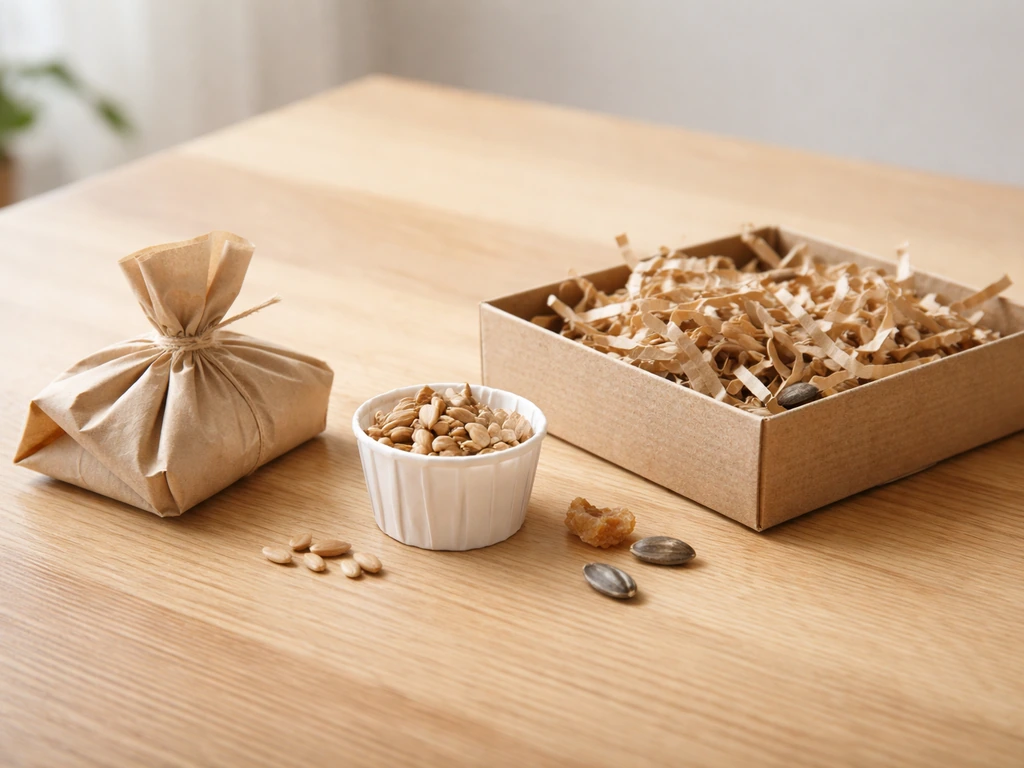
Foraging is probably the highest-value enrichment you can give a bird, and it requires zero fiber or rope. Paper cups, small cardboard boxes, folded paper parcels, or commercially made foraging trays with hidden food encourage natural search behavior. You can wrap treats in plain unbleached paper or tuck them into holes drilled in wood. This addresses the same need for mental stimulation that a complex yarn toy provides, without any ingestion or entanglement risk.
Foot toys and puzzle toys
Small foot toys made from untreated wood, cork, or hard plastic give birds something to hold and manipulate without fiber hazards. Puzzle feeders made from stainless steel or hard acrylic are zero-risk for entanglement. If your bird loves texture, try smooth river stones (cleaned and non-toxic) as cage novelty items, or vegetable-tanned leather strips, which are softer than wood and tear into short pieces rather than long threads.
If you still want rope in the cage
A thick, tightly braided sisal or cotton rope perch or swing is widely used and generally accepted in avian care, but it comes with a strict maintenance commitment. If you want guidance on what to pick, see our tips on the best rope for bird toys. That topic is closely related to choosing the right rope material and construction specifically for bird toys, which goes deeper into what makes one rope safer than another.
Daily habits that actually prevent accidents
The GCCBC, parrots.org, and Winter Park Veterinary Hospital all land on the same recommendation: check toys every single day. That sounds like a lot, but it takes about two minutes once you know what to look for. Here's the routine that actually works.
- Visual check every morning. Scan all rope, string, or fiber elements for fraying, loose ends, or missing sections. If anything has changed since yesterday, investigate before letting your bird back near it.
- Supervised introduction for any new toy. When a new toy goes in the cage, watch your bird interact with it for at least the first 15 to 20 minutes. You're looking for whether the bird chews the toy or tries to swallow pieces, whether any parts are getting loose faster than expected, and whether the bird gets any body part caught in loops or gaps.
- Replace on a schedule, not just when damaged. Rope and fiber toys should be replaced on a regular cycle, at minimum every few weeks for active chewers, regardless of visible condition. Old rope is structurally weaker and will unravel faster when it does start to go.
- Know the emergency signs. If your bird stops eating, seems lethargic, is straining to pass droppings, or you notice string near the vent area, get to an avian vet immediately. Linear foreign bodies can become critical quickly. Contact an avian vet or ASPCA Poison Control (888-426-4435) if you suspect ingestion of a chemical-treated material.
- When in doubt, remove it. The GCCBC guide puts it plainly: if you have any doubt about a toy's safety, take it out. There are enough safe enrichment options that no individual toy is worth the risk.
The honest summary: yarn fails the basic safety test for bird toys because it frays, it gets swallowed, and when it does the consequences are serious. You might also wonder why birds can stand on an electric wire, and the answer is about how current flows through their bodies yarn fails. Most bird owners I've talked to who've had rope or yarn-related scares say the same thing afterward: they wish they'd been more aggressive about replacing worn toys sooner. Start there. If you are wondering, “are bird toys safe for rabbits,” the safest approach is to avoid yarn and loose-fiber toys altogether and stick to vet-approved rabbit-safe chew items replace worn toys sooner. You may also wonder should you play bird sounds for your budgie, and the safest approach is to keep it brief and closely monitor for stress should i play bird sounds for my budgie.
FAQ
If the yarn toy is small and “only a little” gets chewed, is it still unsafe for birds?
Not reliably. Even if a toy looks “tight” when it’s new, yarn sheds fibers as it ages and can form loose strands you cannot control. If you see fraying, fuzzing, or any ability for the bird to pull out a length, remove it immediately.
Can birds safely ingest tiny amounts of yarn fibers?
Yes, but the bigger concern is where the fibers go. Yarn can still be swallowed and act like a linear foreign body, and even small repeated ingestions increase the odds of obstruction. Also watch for breathing sounds or open-mouth breathing, because a string can cause acute airway issues.
Is “natural” or “undyed” yarn safe for bird toys?
Don’t assume “natural” means untreated. Craft yarn may include mordants, dye fixatives, and finishing chemicals, and even undyed fibers can be chemically treated during manufacturing. If you cannot confirm it is specifically bird-safe and untreated, treat it as unsafe.
My bird only chews yarn sometimes. Should I just monitor closely instead of removing it?
Waiting for your bird to stop showing interest is not a safeguard. Many birds keep chewing until they find a weak point, or they chew more on days of boredom or stress. The practical rule is to remove yarn and string items on sight and replace with non-fiber enrichment.
What should I look for during daily toy inspections if my bird previously had yarn toys?
Yes, for early detection. During daily checks, look for frayed ends, dangling loops, broken strands, and any spot where the material can wrap around a toe. If the toy requires “untying” to remove it, it’s not safe enough to keep.
What signs mean I should take my bird to an emergency vet after yarn or string exposure?
If you notice entanglement or suspect ingestion, do not delay. Immediate veterinary assessment is important if there is straining to poop, reduced droppings, lethargy, gagging, or breathing difficulty. If you can, bring the remaining toy material to help the vet identify the type of foreign body.
I already have yarn in the cage. Should I remove it all at once or gradually?
If a toy is already in the cage, your safest move is to remove it and discard loose-fiber components. If removal is disruptive, do not leave the yarn “nearby” for later. Store any remaining pieces so the bird cannot access them through bars or cage corners.
What’s the safest rope alternative if my bird likes rope-style toys?
For toe and leg safety, prefer materials that cannot unravel into threads. Thick tightly braided, 100% cotton or sisal rope can be safer than yarn only if you commit to strict daily inspection and replace immediately when it loosens or sheds. Avoid loosely woven, fraying, or decorative rope that can shed fibers.
What are better shred and chew alternatives to yarn for birds?
Choose chew and shred toys that break into short pieces, not long fibers. Good options include untreated wood, cork bark, palm leaf or seagrass mats, dried corn husks, and foraging in plain unbleached paper or cardboard. These reduce linear foreign body risk and lower entanglement risk.
How can I replace a yarn foraging toy with something that still keeps my bird busy?
Foraging is still possible without fiber hazards. Use paper cups, small cardboard boxes, folded paper parcels, or drilled wood with treats tucked into holes. If using a tray, ensure there are no loose elastic bands, twine, or string used to hold it together.
Next Articles
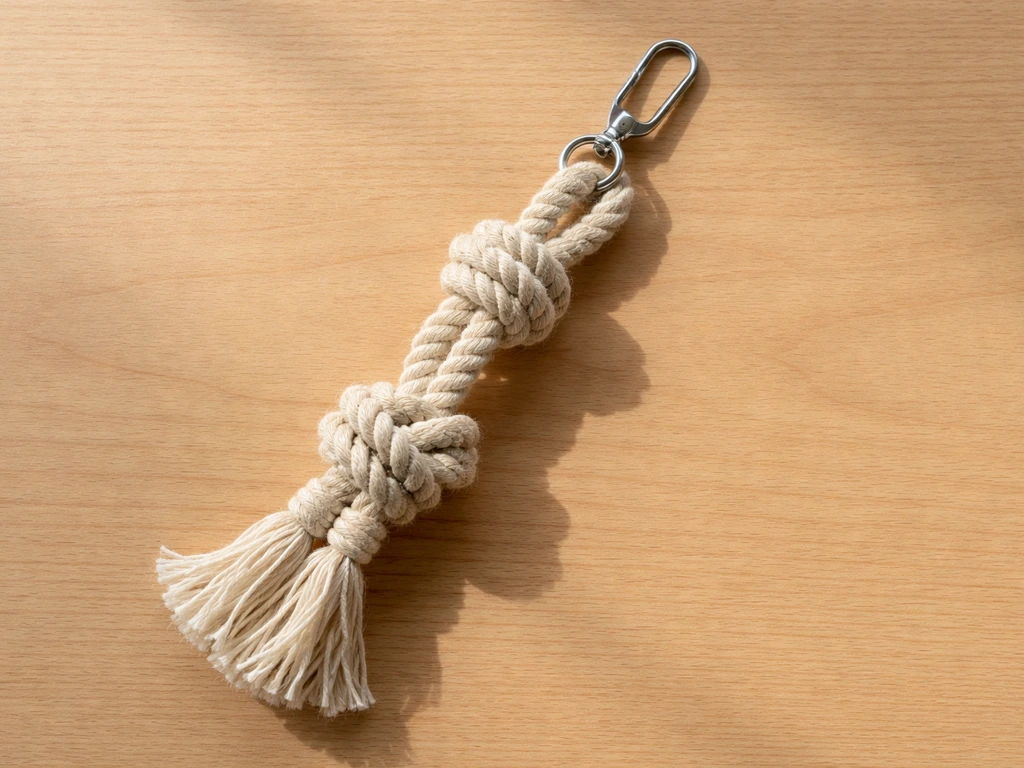
Best Rope for Bird Toys: Safe Materials, Sizing, Care
Choose the best rope for bird toys with safe materials, exact sizing for your bird, knot tips, and replacement care.
Are Bird Toys Safe for Rabbits? Vet-Style Safety Checklist
Vet-style checklist to judge if bird toys are safe for rabbits, avoid plastic, string, metal hazards, and add safe subst
Can Rabbits Play With Bird Toys? Safety Guide and Tips
Yes, but only with safe materials and supervision. Learn which bird toys rabbits can use and how to inspect, test, and c