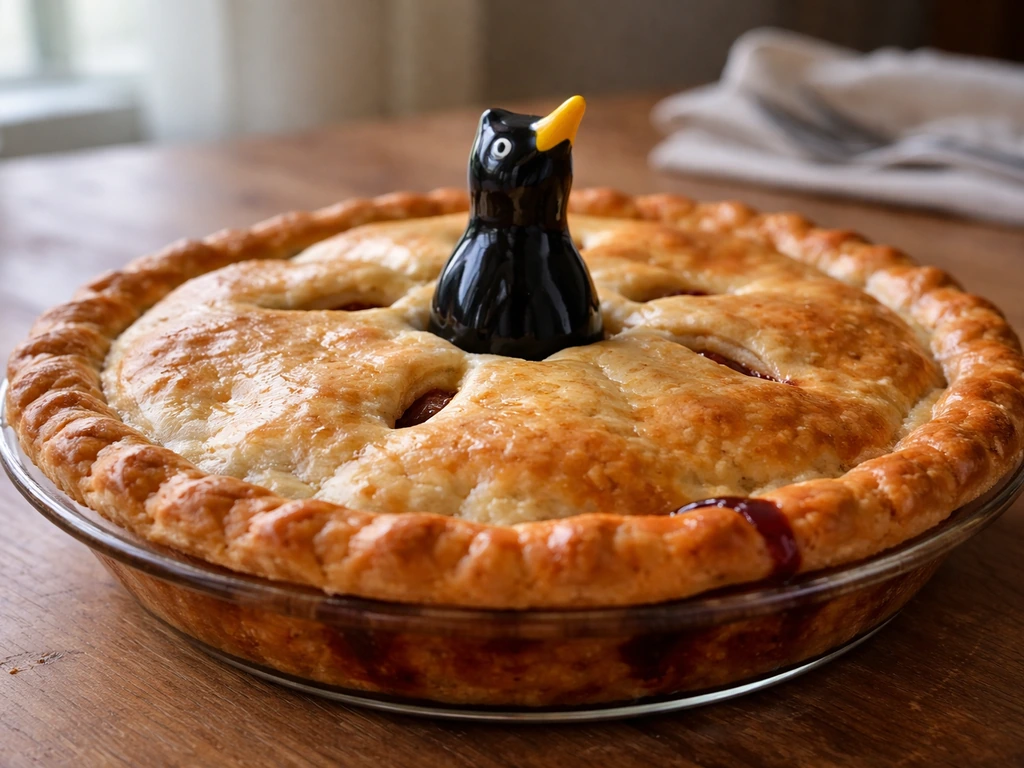
A pie bird is a small hollow ceramic figurine you place in the center of a double-crust pie before baking. Steam from the fruit filling rises through the bird's hollow chimney and vents out through the top crust instead of forcing its way through the pastry and causing a boil-over. That single function solves several problems at once: your filling stays in the dish, your crust stays crisp and supported, and your oven stays clean.
Why Use a Pie Bird: Benefits, How to Use, and Care

Marcus Chen
24 May 2026
What a pie bird is (and what it isn't)
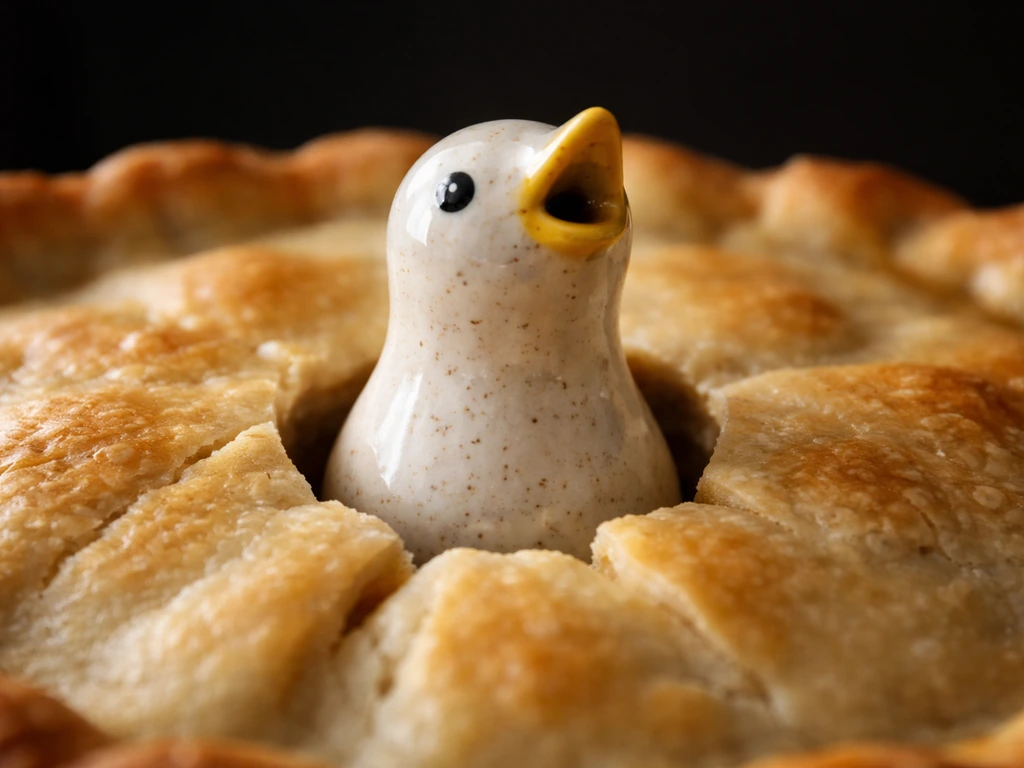
If you landed here from a site about pet birds, fair enough: the name is a little misleading. A pie bird has nothing to do with live birds. It's a baking tool, usually shaped like a small songbird or funnel figure, made from glazed ceramic or sometimes metal. The hollow center is the whole point: it creates a passage from the bottom of the pie filling all the way up through the top crust, blank" rel="noopener noreferrer">acting as a built-in steam chimney.
You'll also hear them called pie vents, pie funnels, pie whistles, or pie chimneys. They're all the same thing. Historically, cooks placed funnel-shaped ceramic inserts in the center of fruit and meat pies for exactly this purpose, and the bird-shaped version became the most popular collectible form. Modern versions from brands like Le Creuset and Emile Henry are made from food-safe, lead-free, cadmium-free glazed ceramic that's fully oven-rated.
What a pie bird is not: it isn't a replacement for knowing how to bake a pie, it isn't a magic fix for a soggy bottom, and it isn't required for every pie you make. It's a targeted tool for a specific problem, and understanding that problem is the fastest way to know whether you actually need one.
Why people use a pie bird: the practical benefits
The core problem with any double-crust fruit pie is steam. Fruit releases a huge amount of liquid as it heats up, and that liquid turns to steam fast. If steam can't escape efficiently, it builds pressure, finds the weakest point in your crust, and either blows a hole in the top or forces filling out over the edges and onto the oven floor. A pie bird gives that steam one organized exit route.
- Prevents boil-over: the chimney directs steam up and out before pressure builds enough to push filling over the crust edge or through random crust cracks.
- Keeps the top crust supported: the bird sits in the center of the filling and physically holds up the middle of the top crust so it doesn't sag or collapse onto the filling as it bakes.
- Reduces soggy patches on the underside: when steam vents upward through the bird rather than condensing and pooling inside the pie, the bottom crust has a better chance of crisping up.
- Prevents vent slits from sealing over: hand-cut vent slits in pastry can close up as the dough softens and expands in early baking. A pie bird's rigid chimney can't close, so venting is guaranteed.
- Cleaner oven: less boil-over means less scorched filling stuck to the oven floor or rack, which matters if you bake pies more than once in a while.
There's also a practical argument for consistency. Once you've used a pie bird a few times, you get a reliable, repeatable bake. You're not guessing whether your vent slits were deep enough or whether the lattice gaps are wide enough. The chimney works every time, as long as you set it up correctly.
When you should use one (and when you can skip it)
A pie bird earns its place with juicy double-crust fruit pies. Apple, cherry, blueberry, peach, mixed berry: these are the situations where steam control matters most. If you're making a pie with a particularly watery filling (fresh-picked summer fruit with no thickener added, for example), a pie bird is close to essential.
| Pie Type | Use a Pie Bird? | Why |
|---|---|---|
| Double-crust fruit pie (apple, cherry, berry) | Yes, highly recommended | High steam volume, prone to boil-over and sagging crust |
| Deep-dish fruit pie | Yes | More filling means more steam and more overflow risk |
| Single-crust fruit pie or crumble | No | No top crust means steam escapes freely on its own |
| Custard or cream pie | No | These aren't steam-intensive and need a stable, unvented set |
| Savory meat or pot pie (double-crust) | Yes, works well | Same steam problem as fruit pies; pie birds have historically been used for meat pies too |
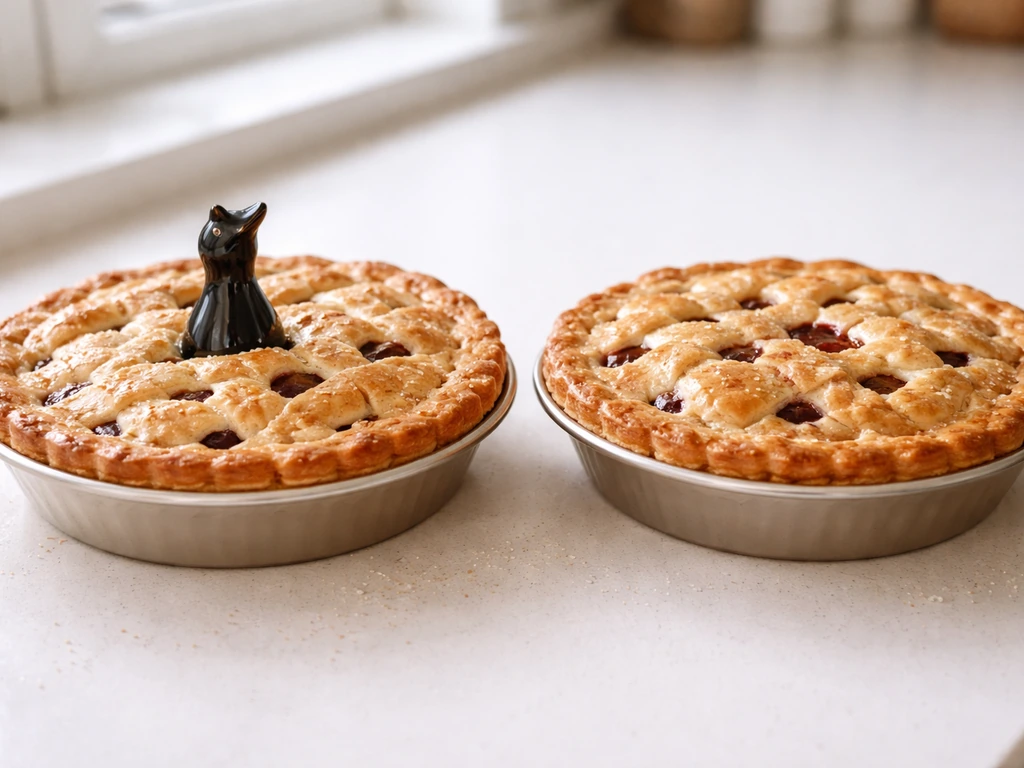
| Lattice-top pie | Optional | Lattice gaps already provide venting; bird is redundant unless filling is extremely juicy |
| Thin, pre-thickened fillings | Optional | If you've added enough cornstarch or tapioca, boil-over risk drops; bird still helps with crust structure |
Oven type matters a little too. Convection ovens circulate heat faster and can crisp crusts quickly enough that the window for boil-over is shorter. That said, convection doesn't eliminate the steam problem, and if you're using a juicy filling, a pie bird is still worth it. Where you might genuinely skip it is a well-ventilated lattice-top pie made with a thickened filling in a standard oven: that setup already handles steam fine on its own.
How to use a pie bird, step by step
The process is straightforward once you do it once, but the order of steps matters. Placing the pie bird after you've already laid the top crust is too late.
- Fit your bottom crust into the pie dish and let it overhang the edge. Don't trim it yet.
- Place the pie bird upright in the exact center of the unbaked bottom crust. It should stand on the crust, not on the bare dish.
- Pour or spoon your filling into the dish around the pie bird. The filling should surround the base of the bird but not cover or block the opening at the top of the chimney. Keep that vent passage clear.
- Lay your top crust over the filling and the pie bird. Gently press the crust down around the bird so you can feel where the chimney top is.
- Using a small sharp knife or kitchen scissors, cut a snug hole in the center of the top crust, just large enough for the head or top of the pie bird to poke through. The hole should fit snugly, not loosely. Too large a hole lets steam escape too quickly around the outside of the bird rather than through it, which can dry out your filling.
- Crimp and seal the edge of the top and bottom crusts together firmly. Then pinch or press the crust around the base of the pie bird's protruding section to create a seal there too. This step is important: it forces steam to travel through the bird's hollow center rather than sneaking out between the crust layers.
- Bake according to your pie recipe's instructions. The pie bird needs no preheating, no greasing, and no special treatment. It's passive: it just sits there and does its job as the steam builds.
When the pie is done and cooled enough to serve, slice and serve as normal. The pie bird will still be sitting in the center. You can either work around it when slicing, or remove it before serving by loosening the crust around it and lifting it out. Let it cool to room temperature before handling it with bare hands.
Care, cleaning, and food-safety considerations
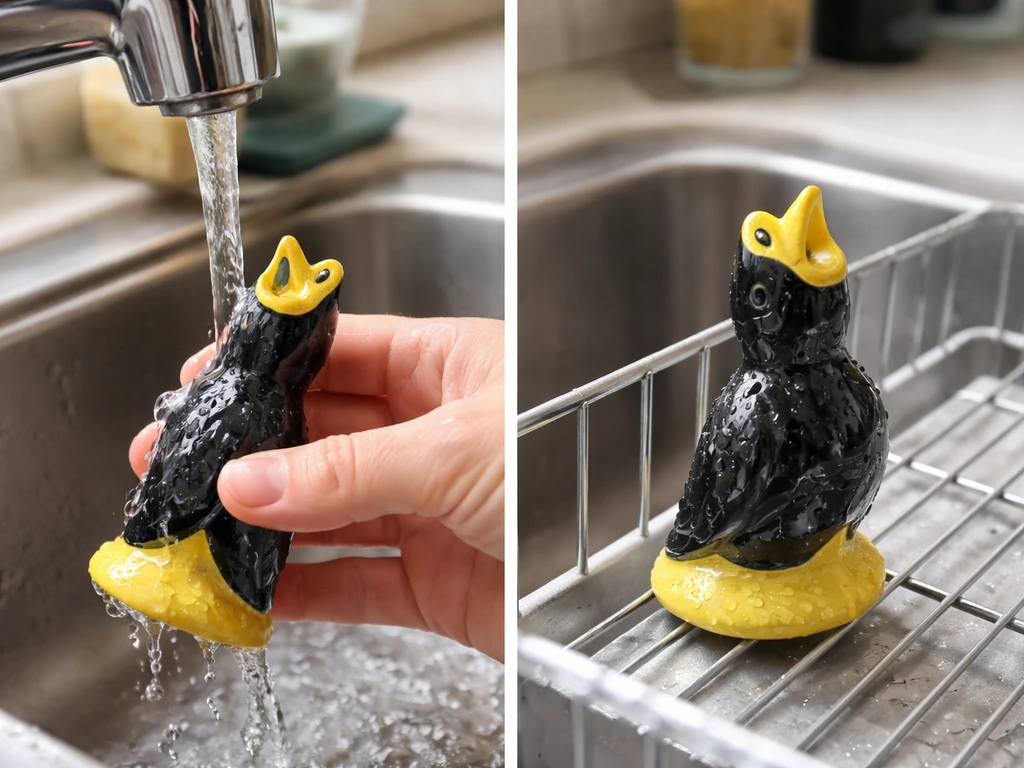
Most pie birds sold today are made from glazed ceramic, and reputable brands make them from materials that are free from lead, cadmium, and other toxic compounds. If you're buying a vintage or decorative pie bird from an antique shop, that's worth checking: older ceramics sometimes used glazes that contained lead. For any modern branded ceramic pie bird (Le Creuset, Emile Henry, and similar), you're in safe territory.
Cleaning is easy. The glaze on ceramic pie birds is generally non-porous, so cooked filling doesn't bond to the surface. After each use, let the bird cool completely before putting it in water (going from oven heat straight to cold water is a fast way to crack ceramic). blank" rel="noopener noreferrer">Once cooled, wash with warm soapy water and a soft brush. A bottle brush or small pastry brush works well to clean the hollow interior of the chimney, where fruit sugars can stick. Many glazed ceramic pie birds are technically dishwasher-safe, but handwashing extends the life of the glaze and keeps the colors and finish in better shape over time.
A few care rules worth keeping: don't use abrasive scrubbing pads, which scratch the glaze and create micro-surfaces where bacteria and food residue can collect. Don't put a cold pie bird directly into a screaming hot oven without giving it a few minutes to warm up with the oven if you're preheating it separately, though most people simply place it in the pie at room temperature and that's completely fine. And store it somewhere it won't get knocked around, since ceramic chips if it hits a hard surface.
Common mistakes and how to fix them
Most pie bird failures come down to a handful of easy-to-fix mistakes. Here's what goes wrong and what to do about it.
The hole in the top crust is too big
This is probably the most common error. If the hole around the pie bird's head is loose, steam escapes around the outside of the bird rather than through it. Your filling loses moisture faster than it should, and the whole venting advantage is reduced. Cut the hole snug: just big enough for the chimney top to poke through, and then press the crust around it.
The crust isn't sealed around the bird
If you skip pinching the crust against the base of the pie bird where it exits the top, steam will leak through that gap. You need a seal there, just like you crimp the outer edge. Press the pastry snugly around the bird before the pie goes in the oven.
Filling is blocking the chimney opening
If you pour filling on top of or into the bird's vent opening, you've defeated the purpose. Spoon the filling around the base of the bird and check that the top opening is clear before adding the top crust. The pathway from the bottom of the pie to the open air at the top has to stay unobstructed.
Using a pie bird for the wrong type of pie
A pie bird in a custard pie, a cream pie, or any single-crust pie does nothing useful. It's made for double-crust steam-intensive pies. If you're still getting overflow on those other pie types, the fix is a different one: better oven temperature management, a baking sheet under the pie dish to catch drips, or adjusting your filling recipe.
Thinking a pie bird replaces all venting
A pie bird is your primary vent, but it works as part of a properly constructed pie. If your crust is incredibly thick or your filling is sealed in on all sides, the bird can only do so much. The goal is that the pie bird takes the place of cutting vent slits in the top crust, not that it compensates for a structurally flawed pie. Don't cut additional vents alongside the bird: that can actually reduce the controlled venting effect by giving steam multiple escape routes before pressure properly builds through the chimney.
Still getting overflow?
If filling is still spilling out even with a pie bird in place, check these things: the chimney isn't blocked, the hole is snug, the crust is properly sealed at both the edge and around the bird. If all of that checks out and overflow is still happening, your filling is probably too wet. Add more thickener (cornstarch, tapioca flour, arrowroot) in the next batch, or reduce the filling on the stove for a few minutes before adding it to the pie. The pie bird helps manage steam, but it can't compensate for a very loose, undercooked filling on its own.
If you're curious about alternatives for when you don't have a pie bird on hand, that's a separate rabbit hole worth exploring. If you do not have one, try a pie vent insert, a small funnel-shaped trivet, or simply vent slits cut into the top crust alternatives. If you want a bird dog exercise alternative, focus on the same kind of repetitive training that builds consistency and control alternatives. And if the bird-themed kitchen tools have you thinking about actual birds, this site has plenty of guidance on those too. Some birds, like certain types of woodpeckers and other insect-eaters, may also help control carpenter bees actual birds. To get more inspiration for the style of tools people collect and use, explore ideas for a better bird finch lovers blend bird-themed kitchen tools.
FAQ
Will a pie bird work with a lattice-top pie, or is it only for solid top crusts?
It can work with a lattice top, but it is most valuable when the top is relatively continuous (or has only a small number of vents). If the lattice already creates plenty of escape routes, you may see little difference, and the pie bird can become mostly decorative. For watery fillings in a convection oven, a lattice alone may still work, so treat the pie bird as an insurance tool rather than a requirement.
How do I know the chimney opening is actually clear before baking?
After you fit the top crust, gently tap the top crust area around the chimney to confirm there is airflow through the hollow. Then check visually from the top, the chimney should look unobstructed when you add the crust. Avoid adding thick crumbs or flour to the top crust surface where it can fall into the chimney opening.
Should I refrigerate or thaw the pie bird before using it?
Most ceramic pie birds are easiest to use at room temperature. If you store it in a cool cabinet or fridge, let it sit on the counter for a bit before putting it in the pie so you are not heating a very cold ceramic. The bigger risk is placing it into cold water immediately after baking, which can cause thermal shock and cracking.
Can I use a metal pie bird instead of glazed ceramic, and is the care different?
Yes, metal versions are used as venting tools as well. Care is usually more forgiving for washing, but you still want to let it cool before cleaning to avoid burns and avoid warping hot metal with cold water. Also make sure it is actually oven-rated and food-safe if it came from a non-brand or custom source.
Do I need to remove the pie bird before serving?
You can serve around it, but removal is often nicer. To remove safely, wait until the pie has cooled to room temperature, then loosen the crust around the chimney and lift the bird out without tearing the pastry. If your pie is especially juicy, leaving it in briefly can help the structure set, then remove after the first resting period.
What if my pie looks set, but the center steam hole area is still gunky or undercooked?
That usually means steam was not distributed evenly or the chimney area got clogged. Next time, ensure the chimney opening stays clear and keep the filling away from the top opening. If it happens again, consider baking a few minutes longer and, if needed, tent the top lightly to prevent over-browning while the center finishes.
Can I use a pie bird with different thickeners, like instant tapioca or cornstarch?
Yes, and the pie bird will not replace proper thickening. If you use instant tapioca, it can thicken quickly, while regular tapioca often needs more time to gel. If your filling is not fully set after baking, add more thickener in the next batch rather than relying on the pie bird to prevent overflow.
What causes a pie bird to reduce overflow but still not give a crisp crust?
A pie bird solves steam venting, but crust crispness can still suffer from factors like too much liquid overall, a very wet fruit mix, or underbaking the bottom crust. If you are consistently getting a soft bottom, focus on baking on a preheated sheet or using a foil shield only after the edges brown, and ensure your filling has enough thickener to reduce free liquid.
Next Articles
What Can I Use Instead of a Pie Bird Today
Safe pie bird alternatives for attracting or deterring birds with DIY and placement tips plus do-not-use warnings.
Bater Bird Benefits: How to Choose and Care for Beginners
Learn how choosing the right beginner pet bird boosts bonding, enrichment, and easy care, plus setup and health tips.
What Bird Eats Carpenter Bees and How to Confirm It
Find which birds eat carpenter bees, confirm predation evidence, and make your yard bird friendly without harming benefi