For most seniors, the best bird pets are budgerigars (budgies) and cockatiels. Both are small, manageable, genuinely affectionate, and forgiving of beginner mistakes. Budgies are the quieter of the two and need a smaller cage, while cockatiels are a step up in companionship and personality but a bit louder. If you want something even more hands-off, a pair of society finches or canaries can be lovely to watch and listen to without needing daily hands-on interaction. Many people wonder, “is myna bird good for home,” but the bigger parroty-style needs of mynas can make them a harder fit than quieter, lower-maintenance species. The right pick depends on how much engagement you want, how sensitive your household is to noise, and how much physical effort you can realistically put into daily care.
Best Bird Pets for Seniors: Top Choices, Care Guide

What makes a bird a good pet for seniors
Not every bird that's popular or sold at a pet store is actually a good fit for senior living. The traits that matter most are noise level, size and physical handling demands, lifespan, social needs, cage cleaning difficulty, and how tolerant the species is if a routine gets disrupted. A large parrot like a macaw or cockatoo can live 60 to 80 years, screams loudly every day, and needs hours of supervised out-of-cage time. That's not a realistic picture for most seniors, and honestly, it's a lot for most people at any age.
Here's what you actually want to look for when evaluating a bird for a senior lifestyle:
- Low to moderate noise output — constant loud screaming is stressful for everyone in the home, especially in apartments or assisted living situations
- Small body size — easier to handle safely, lighter cages, smaller cleaning footprint
- Manageable social needs — some birds need four or more hours of daily interaction; that's not realistic for every senior
- Reasonable lifespan — a 5 to 25 year commitment is realistic; a 60 to 80 year parrot is not
- Gentle temperament — biting from a small budgie is very different from a bite from a large macaw
- Simple feeding routine — pellets plus fresh foods, not complicated multi-ingredient diets
- Forgiving of missed interaction days — illness, appointments, and low-energy days happen
- Minimal grooming demands — wing trims and nail trims a few times per year, handled by a vet or groomer
Lifespan is worth thinking about carefully. A budgie typically lives 6 to 12 years in captivity. A cockatiel can live 15 to 25 years, with some reportedly reaching 36. That's a genuinely long commitment, and it's something family members or caregivers should factor into the decision too. The question isn't just 'will this bird be a good companion now?' but also 'what's the plan if circumstances change?'
The best bird species for seniors, honestly ranked
I'll go through the top options here with real pros and cons rather than just listing names. These are species that consistently come up as beginner-friendly and also hold up well under the specific constraints of senior living.
Budgerigar (budgie)
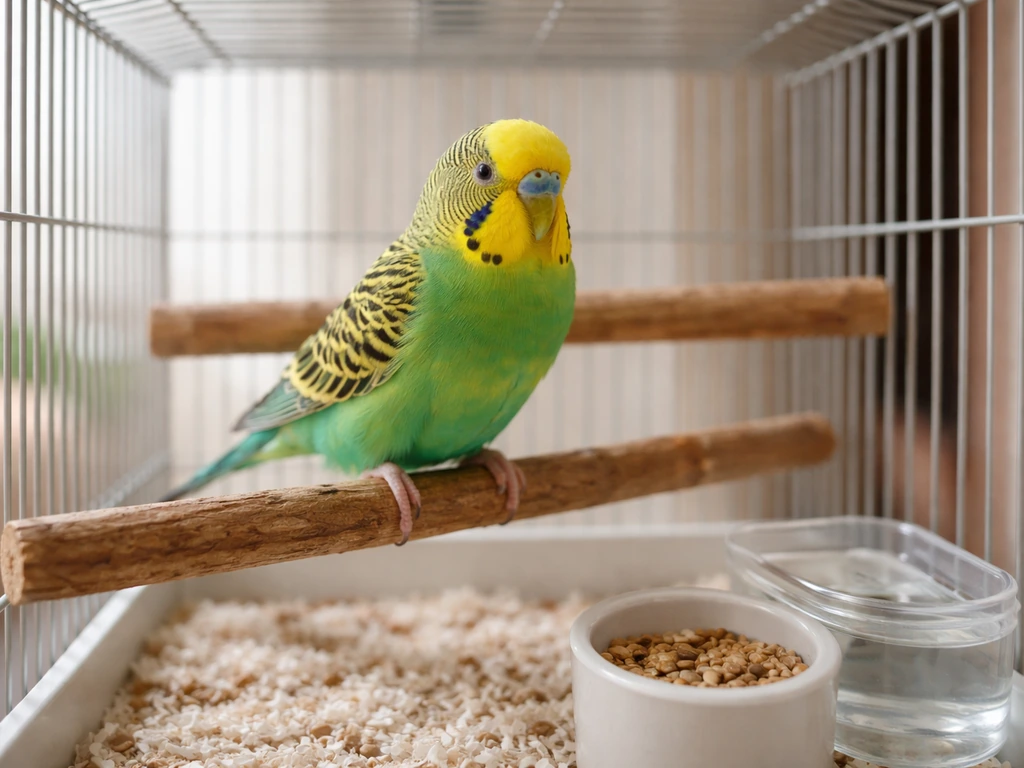
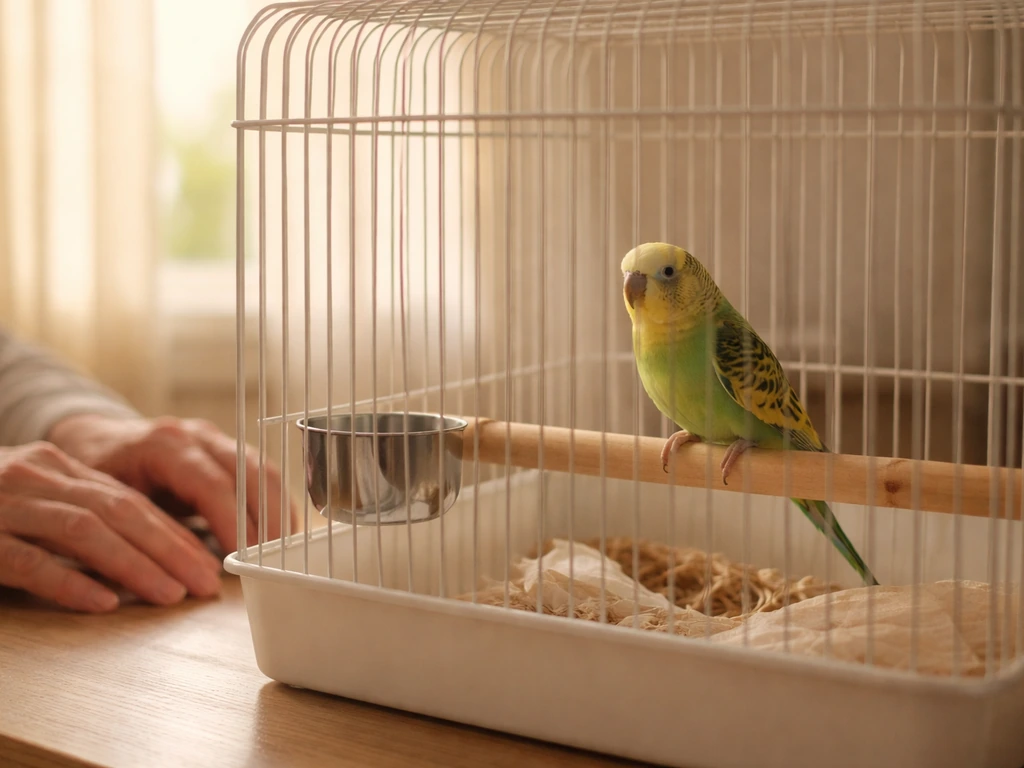
Budgies are the single easiest entry point into bird ownership for seniors. They're small (you can house a pair in a 20x20x30 inch cage), their noise level is genuinely low compared to any parrot species, and they're social without being demanding. A single budgie will want interaction, but a bonded pair can keep each other company on quieter days. They can learn to talk or whistle, but they won't shake the walls. Lifespan is roughly 6 to 12 years, which is a commitment but not overwhelming.
Cockatiel
Cockatiels are probably the most popular senior bird recommendation for good reason. They're affectionate, trainable, will whistle and sing (not scream), and genuinely seem to enjoy human company. They do have a contact call, a distinctive whistle when they can't see you, that some find charming and others find persistent. They need slightly more cage space (aim for at least 20x20x30 inches as a minimum, though bigger is always better) and a bit more daily interaction than a budgie pair. Lifespan of 15 to 25 years means this is a real long-term companion.
Canary
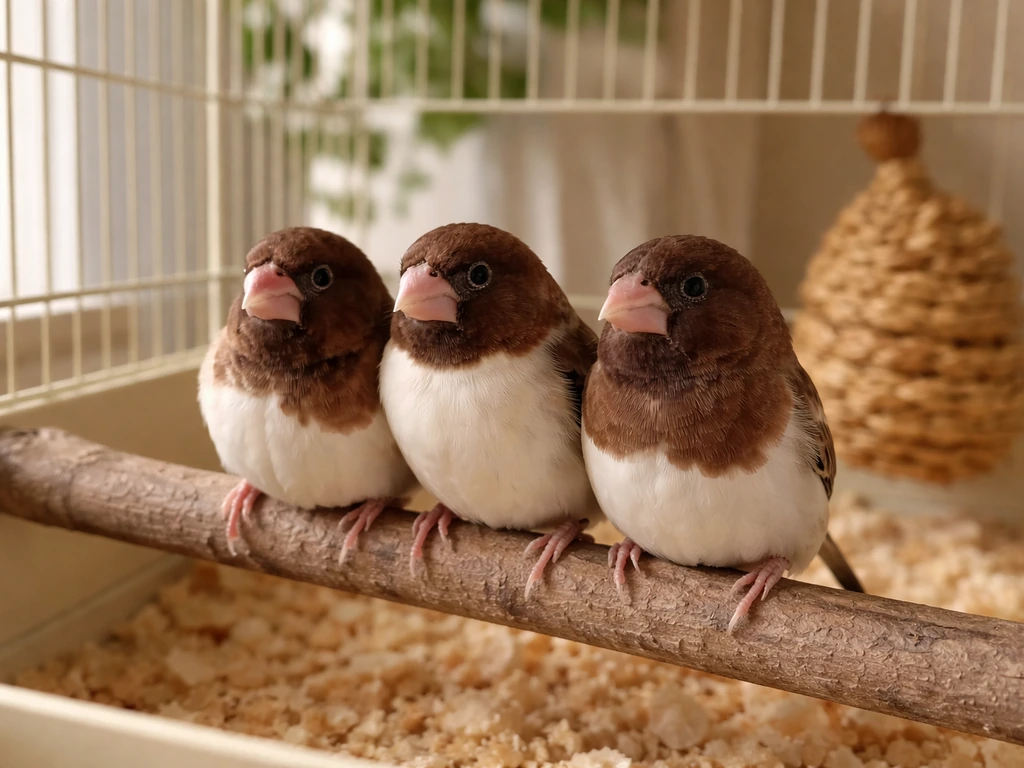
If you love birdsong but don't want to handle a bird regularly, a male canary is genuinely lovely. They sing beautifully, they're happy to be observed rather than handled, and they don't need daily social interaction from you. They do best as solo birds or in species-appropriate setups. The tradeoff is that canaries aren't really 'hand' birds, so if companionship and tactile interaction is what you're looking for, they'll leave you wanting more.
Society finch (Bengalese finch)
Society finches are small, social with each other, easy to feed, and produce a soft chattering sound rather than a call or whistle. They're kept in pairs or small groups and don't require hands-on interaction. For a senior who wants life and movement in the room but has limited energy for daily hands-on care, a pair of society finches in a well-set-up cage is genuinely low maintenance. They're not a hands-on companion bird, but they're pleasant and undemanding.
Parrotlet
Parrotlets are tiny, smaller than a budgie, and surprisingly bold. They can learn to talk, they're curious and entertaining, and they can do well with a senior who wants a small interactive bird. The honest downside is that they can be feistier than budgies and need daily handling to stay tame. Minimum cage specs are similar to budgies (20x20x30 inches, 0.5 inch bar spacing). If you're willing to handle them daily and work with their personality, they're rewarding. If you need a more forgiving bird, start with a budgie.
| Species | Noise level | Handling needs | Lifespan | Cage size (minimum) | Best for |
|---|---|---|---|---|---|
| Budgie | Low | Daily, moderate | 6–12 years | 20x20x30 in | First-time owners, quiet households |
| Cockatiel | Low to moderate | Daily, moderate to high | 15–25 years | 20x20x30 in (bigger preferred) | Seniors who want a real companion |
| Canary | Low (melodic song) | Minimal — observation only | 10–15 years | 18x18x24 in minimum | Seniors who want beauty without handling |
| Society finch | Very low | Minimal — pairs are self-sufficient | 5–9 years | 18x18x24 in for a pair | Low-effort, low-interaction preference |
| Parrotlet | Low to moderate | Daily, high | 15–20 years | 20x20x30 in | Seniors who want an interactive pocket bird |
Matching the bird to your actual lifestyle
The generic 'best bird for seniors' list is only a starting point. The real question is which bird fits your specific daily life. Here's how to think through it quickly.
If you live in an apartment or noise-sensitive building
Go with a budgie pair or society finches. Budgies are consistently rated among the quietest pet birds. They chatter softly and won't trigger noise complaints. Cockatiels are manageable but have a contact call that can be noticeable in thin-walled spaces. Canaries sing beautifully but their song carries, so check whether your living situation would welcome it. If you're also looking at birds for apartment living more broadly, small species with low decibel output are the right filter. If you want the best house bird pets, focus on quiet, low-maintenance species that fit your daily routine and noise tolerance. If you're specifically searching for the best bird pets for apartment living, small species with low noise levels are usually the best starting point.
If you want a companion that interacts with you daily
A cockatiel or a single hand-tamed budgie is your best bet. If you want the best bird for home pet companionship that fits your daily routine, a cockatiel or a hand-tamed budgie is a strong place to start. Cockatiels in particular are known for wanting to be near their person, learning whistled tunes, and sitting on shoulders. They bond closely and genuinely seem to enjoy company. This is also the profile where the longer cockatiel lifespan (15 to 25 years) starts feeling like a feature rather than a concern.
If you have limited energy or mobility
Prioritize a species that doesn't need you to be physically active to be a good owner. Society finches and canaries fit here: their daily care is feeding, fresh water, and a quick visual health check. Budgies in a pair are also good because the birds entertain each other on low-energy days. The things to avoid are birds that need out-of-cage time you have to actively supervise, like conures or larger parrots.
If a caregiver or family member will help with care
Build the care routine assuming the senior does 80 to 90% of the daily tasks on good days, and a helper covers the rest. This changes the calculus a bit: you can consider a cockatiel knowing that on harder days, someone else can handle the feeding and spot cleaning. Set the cage up so that access doesn't require bending low or reaching high, more on that below.
Cage setup, placement, and making it easy to manage
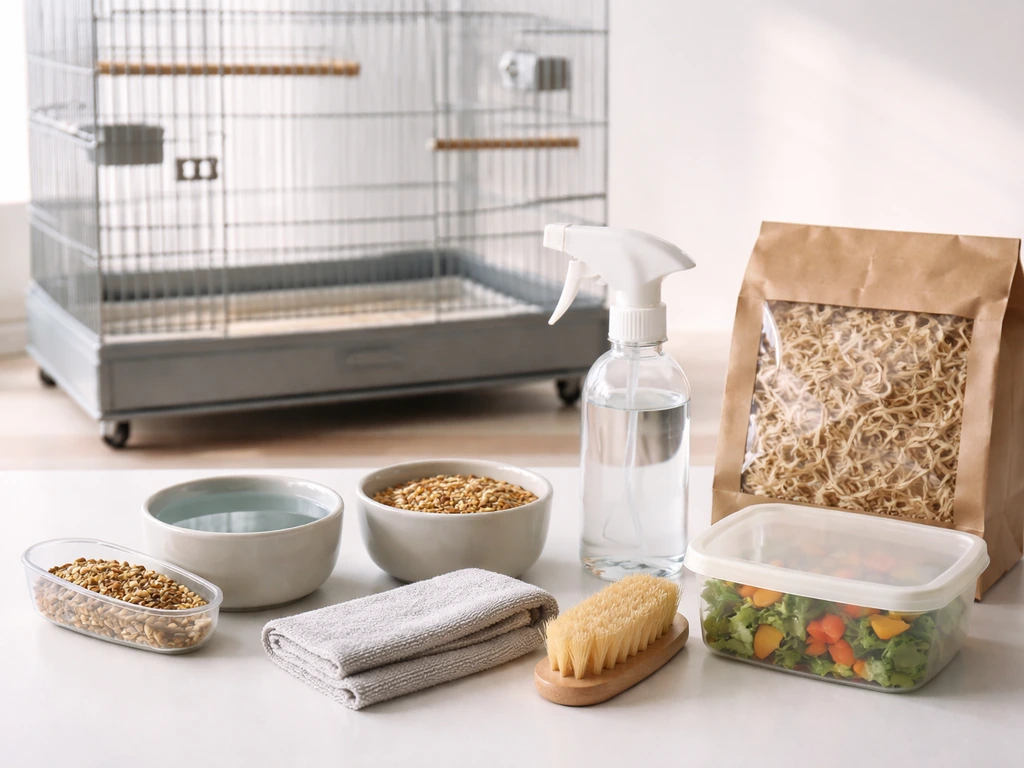
The Merck Veterinary Manual recommends the cage be at least one and a half times the bird's wingspan in every direction to allow stretching. For small species like budgies, cockatiels, and parrotlets, that translates to a minimum of 20x20x30 inches with 0.5 inch bar spacing. For the cage itself, always go as large as you can realistically fit and clean, the minimum is a floor, not a goal.
For seniors specifically, cage placement is a physical safety and daily comfort issue, not just a bird welfare issue. Here's how to set it up well:
- Place the cage at roughly chest or shoulder height so food bowls and perches are accessible without bending to the floor or stretching overhead
- Use a cage stand with locking wheels if you need to move the cage for cleaning — dragging a heavy cage is a fall risk
- Position the cage near a wall or corner on two sides so the bird feels secure, but not directly in front of a window where temperature swings and drafts can cause illness
- Keep the cage away from the kitchen — fumes from overheated nonstick cookware (Teflon/PTFE) are genuinely dangerous to birds and can be fatal
- Avoid high-traffic areas where falls, startling, or accidental knocks are more likely
- Make sure the cage door latch is operable with one hand and doesn't require fine motor precision — this matters more than it sounds on stiff-finger mornings
- Use a cage liner (newspaper or disposable liner sheets) at the bottom so cleaning means pulling out a sheet rather than scrubbing a tray every day
Inside the cage, use at minimum two or three perches at different heights made from natural wood (vary the diameter to exercise foot muscles). Add one or two simple foraging toys to keep the bird mentally engaged. Don't overcrowd the cage, the bird needs clear flying room between perches, and a cluttered cage is harder to clean.
Realistic daily and weekly care routine
Here's the honest time estimate: for a budgie or cockatiel, plan for about 20 to 30 minutes of active daily care and a longer weekly session of 30 to 45 minutes for more thorough cleaning. Society finches and canaries cut that daily time to closer to 10 to 15 minutes.
Daily tasks (every single day)
- Change water — fresh water daily is non-negotiable; stale water grows bacteria fast
- Refresh food — pellets, seed, and any fresh vegetables or fruit for the day
- Clean food and water bowls — Purdue's veterinary guidance recommends cleaning bowls once or twice daily before refilling
- Quick visual health check — are droppings normal in color and consistency? Is the bird active and alert? Piled droppings in one spot can signal a sick, inactive bird
- Spot-clean the cage liner — pull out soiled paper or replace the liner sheet
- Interaction time — for budgies and cockatiels, at least 30 to 60 minutes of talking, handling, or supervised out-of-cage time
Weekly tasks
- Thorough cage cleaning — wipe down bars, perches, and cage walls with a bird-safe cleaner
- Replace cage liner fully
- Wash toys and perches that have visible soiling
- Offer a bath — either a shallow dish of fresh water placed in the cage, or a gentle misting with a spray bottle 1 to 2 times per week if the bird won't bathe on its own (VCA recommends offering baths daily if the bird accepts them)
- Check for feather or behavioral changes that might indicate a health issue
Monthly and less frequent tasks
- Deep clean the entire cage — bars, tray, stand, and all accessories
- Check nail length — overgrown nails can snag on perches and cause falls or injury
- Wing trim check — if the bird has clipped wings, feathers grow back and may need trimming a few times per year; always have this done by an avian vet or trained groomer
- Annual avian vet visit — a well-bird checkup once a year catches problems early
On wing trimming specifically: this is not a DIY task unless you've been trained to do it properly. PetMD and VCA are both clear that improper trimming can cause severe injury. Book it with your avian vet as part of the annual wellness visit, or schedule it separately when feathers grow back in.
Health, safety, and air quality, the stuff most guides gloss over
This section matters more for seniors than for younger bird owners, and here's why: older immune systems respond differently to respiratory illness, and birds present some genuine indoor air quality considerations that are easy to underestimate.
Teflon and nonstick cookware
This is the number one environmental hazard for indoor birds that most new owners don't know about until it's too late. When PTFE (polytetrafluoroethylene, the coating on nonstick pans) overheats, even at temperatures reachable during normal cooking, it releases fumes that can kill birds rapidly. The Merck Veterinary Manual specifically names this as a cause of polymer fume fever in birds. The kitchen and the bird's cage should never share the same airspace without excellent ventilation, and if nonstick cookware is a regular part of cooking, it's worth switching to stainless steel or cast iron for the kitchen. The same sensitivity applies to aerosol sprays, perfumes, scented candles, air fresheners, cigarette smoke, paint fumes, and pesticide sprays, keep all of these out of the room where the bird lives.
Psittacosis and zoonotic risk
Psittacosis is a bacterial infection (Chlamydia psittaci) that birds can carry and transmit to humans, typically through blank" rel="noopener noreferrer">dried droppings or respiratory secretions. blank" rel="noopener noreferrer">The CDC lists it as a risk for people with close contact to pet birds, and symptoms in humans resemble other respiratory illnesses, fever, cough, headache. For seniors with compromised immune systems or existing respiratory conditions, this is worth a direct conversation with both your avian vet and your physician before getting a bird. The risk is real but manageable: source your bird from a reputable breeder or rescue, get a health check from an avian vet shortly after purchase, practice good hygiene (wash hands after handling the bird or cleaning the cage), and don't clean the cage in a way that kicks up dried droppings into the air.
Dander and allergens
Cockatiels and cockatoos produce a fine white powder from their feathers (powder down) that can aggravate allergies or asthma. Budgies produce much less. Canaries and finches produce very little. If you or someone in the household has a known respiratory condition or bird feather allergy, test your reaction before committing, spend time near birds at a rescue or friend's home first. A good HEPA air purifier in the room helps significantly with dander.
Cage placement and fall safety
A bird that escapes unsupervised in a home with grab bars, walkers, or limited mobility for quick reaction creates a real hazard, both for the bird (ceiling fans, open toilets, hot surfaces) and for the owner who tries to chase it. This is one practical reason wing trimming is recommended for senior-owned birds: a trimmed bird can glide but not fly at speed, making supervised out-of-cage time far safer and more manageable. Always have out-of-cage time in a closed room with hazards cleared.
How to shop smart and set up for day one
Where to get your bird
The two best sources are reputable small breeders and bird rescues. A good breeder will let you visit, handle the birds before purchase, and answer questions about diet and socialization history. A rescue bird may already be tame and socialized, and staff can tell you about the bird's personality and habits. Pet store chains are generally the worst option: birds are often stressed, socialization history is unknown, and health guarantees are minimal. Ask specifically whether the bird has been vet-checked recently and whether it has been handled regularly by humans.
When you visit a breeder or rescue, ask these questions:
- What is the bird currently eating? (You want to match this diet at home initially to avoid digestive upset from sudden changes)
- Has the bird been handled and socialized with people regularly?
- Has it had a recent avian vet wellness check?
- Is there any history of illness or behavioral issues?
- What is the bird's approximate age?
- For rescues: why was it surrendered?
What to buy before the bird comes home
- Cage sized correctly for the species (minimum 20x20x30 in for budgies, cockatiels, parrotlets — and go bigger if space allows)
- Cage stand with wheels if floor-level access is a problem
- Two or three natural wood perches of varying diameters
- Two food bowls and one water bowl (stainless steel or ceramic, not plastic)
- Species-appropriate pellet diet and seed mix — ask the breeder what the bird currently eats
- Fresh produce like leafy greens, carrots, and apple for supplemental feeding
- Cage liners — newspaper or disposable liner sheets
- Bird-safe cage cleaner (avoid anything with heavy chemical fumes)
- One or two simple foraging toys
- A shallow dish for bathing
- HEPA air purifier for the room (especially if considering a cockatiel)
What to avoid buying
- Cages with bar spacing larger than 0.5 inches for small birds — a bird's head can get trapped
- Round cages — birds can't find a stable corner and they're stressful for the bird
- Cages with sharp wire edges or doors that pinch
- Scented cage liners or wood shavings — cedar and pine release aromatic oils harmful to birds
- Nonstick-coated bird accessories — yes, some bird products use nonstick coatings; check
- Cheap plastic perches as the only perch option — they don't exercise foot muscles properly
- Any species larger than a cockatiel without carefully thinking through the full care demands
The first week at home
The first week is about letting the bird settle, not about taming or bonding milestones. Keep the environment calm. Don't invite everyone over to see the new bird. Talk softly near the cage, offer fresh food and water on a consistent schedule, and let the bird watch you from a safe distance before you start reaching in. Most birds take two to four weeks to fully settle into a new home. Book an avian vet appointment for within the first two weeks, a new-owner wellness check confirms the bird is healthy, gives you a baseline, and gets you connected with a vet before any problem develops.
The common mistake seniors and first-time owners make in week one is trying to handle the bird too quickly. A stressed bird bites, and a bite that breaks trust early makes the bonding process much longer. Let the bird set the pace for the first week, and you'll end up with a far friendlier companion by week four.
Quick-reference checklist for day one setup
- Cage placed at chest height, away from kitchen and direct drafts, against a wall
- At least two perches installed at different heights with clear space between them
- Food and water bowls filled and positioned to minimize droppings falling into them
- Cage liner in place
- Room checked for hazards: ceiling fans off, windows closed, no open water containers, nonstick cookware out of the picture
- Avian vet appointment booked for within two weeks
- Household members briefed: quiet voices, no sudden movements near the cage, and don't tap the bars
FAQ
What bird is safest for a senior who has trouble cleaning the cage every day?
Choose a low-mess, low-scent species and design for quick maintenance, for example a budgie pair or society finches with a cage placed at elbow height so you can wipe surfaces without reaching or bending. Also plan a “swapped liners” routine, where you replace paper liners more often and do deeper cleaning weekly to reduce buildup that becomes harder to remove.
Can I keep two different bird species together if I want less loneliness?
Avoid mixing species unless you have a confirmed compatibility plan from an avian vet, because even small birds can compete for food and attack over space. The lower-energy option for seniors is to keep the same species in pairs, for example budgie with budgie or finch with finch, and match their temperament and noise level.
Should I get a single budgie or cockatiel, or is a pair always better?
A pair reduces boredom, but a bonded pair can also be less available for human interaction than a single hand-tamed bird. If your senior lifestyle includes daily in-person attention from a helper, a single hand-tamed bird can work well. If you cannot guarantee that interaction on weaker days, pair bonding is usually the safer welfare choice.
How do I handle a bird care plan if a senior has arthritis or limited grip strength?
Use tools designed for small birds, long-handled perch scrapers, and a cage with easy access doors so feeding and spot cleaning do not require twisting your wrist. Choose food that is simple to portion (pellets plus measured produce) to reduce bag weight handling, and consider a helper schedule for larger weekly tasks.
What should I do about noise if my home is in thin-walled apartments or shared housing?
Do a “sound test” by spending time in a quiet area near the adoption source if possible, especially for cockatiels, which have a persistent contact call. Place the cage in the least reverberant room, away from shared bedrooms, and avoid placing it right against interior walls where sound reflects.
Is wing trimming really necessary for seniors, and what are the alternatives?
Trimming is mainly a safety tool, not a routine requirement. If your plan includes out-of-cage time, a trained avian vet can assess risk and do it properly. Alternatives include strict closed-room sessions, physical hazard controls (no ceiling fans, closed toilets, covered hot surfaces), and using a bird-safe play stand so the bird can move without high-speed flight.
How can I reduce the risk of PTFE and other fumes when cooking?
Keep the bird in a separate, well-ventilated room during cooking, and do not run nonstick cookware on overheated settings. If you use aerosols or scented products, store them outside the bird room and set an “air clearing” buffer time after spraying or baking. When in doubt, switch to stainless steel or cast iron and use exhaust ventilation.
What is the best way to protect against psittacosis and respiratory infections?
Schedule an avian vet wellness exam within the first couple of weeks and request respiratory screening if your bird shows any sneezing, nasal discharge, or lethargy. Use hygiene habits that prevent dried droppings from becoming airborne, scoop and bag waste promptly, and avoid shaking bedding or deep-cleaning without protective ventilation and masks.
If someone in the household has allergies or asthma, which birds are likely to be more tolerable?
Feather dust varies, canaries and finches tend to be less of an issue than cockatiel-type birds for many people, and budgies generally produce less powder than cockatiels. The practical step is to spend time near the exact species you’re considering before committing, ideally with the cage cleaned and set up similarly to your home, and to run a HEPA air purifier in the bird room.
How can I plan for the long lifespan of cockatiels so I am not stuck later?
Create a backup caregiving plan before you adopt, identify who can take over if the senior cannot, and discuss it with family or a designated friend. Also budget for avian veterinary care over the years, since older birds may need more frequent visits and that cost should be part of the decision.
What should I ask about health and socialization beyond “is it vet-checked”?
Ask for the bird’s recent weight trend, recent diet history, and any observed behaviors like tail-bobbing, open-mouth breathing, or persistent fluffed posture. For socialization, ask how often the bird is handled, what cues it responds to (step-up, tolerance of touch), and whether it has been exposed to normal household sounds.
What can go wrong if I try to bond with the bird too quickly in the first week?
Early handling can worsen fear and increase biting or stubborn refusal to step up. Stick to a low-stimulation routine, sit near the cage, talk softly, and let the bird approach on its own. Aim for gradual contact after the first settling period, and treat any aggressive behavior as a sign to slow down, not to push through.
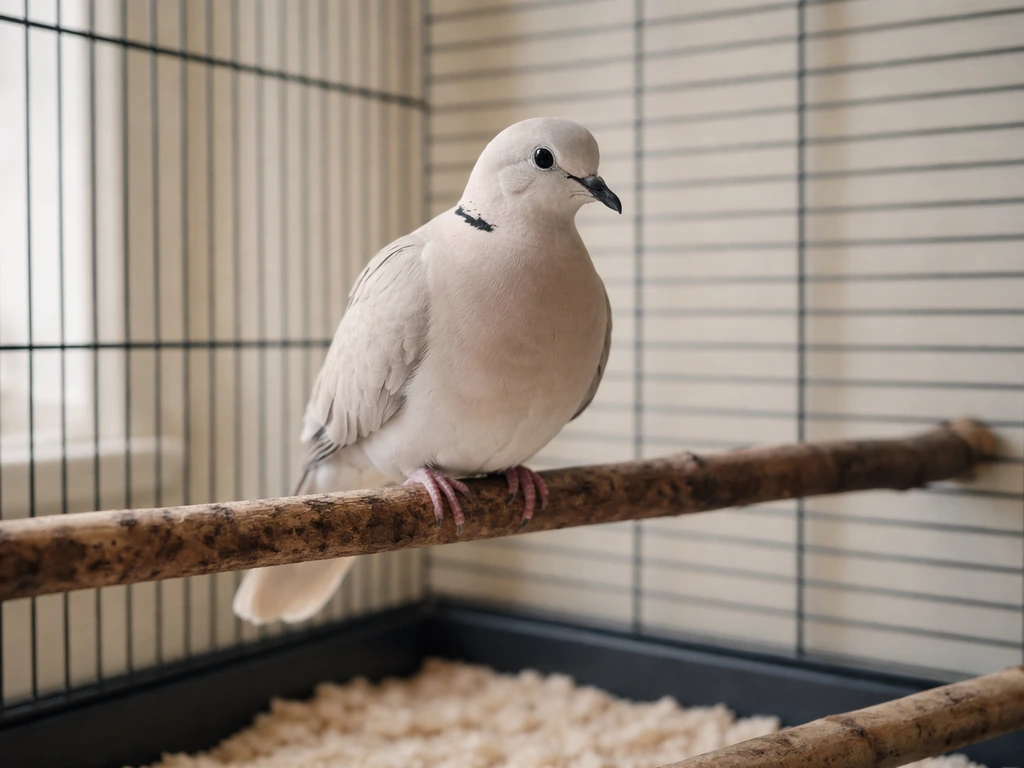
Is a Dove Bird Good for Home? Care, Setup, and Fit
Find out if a pet dove is a good home bird: care setup, diet, health, mess, noise, and fit for families