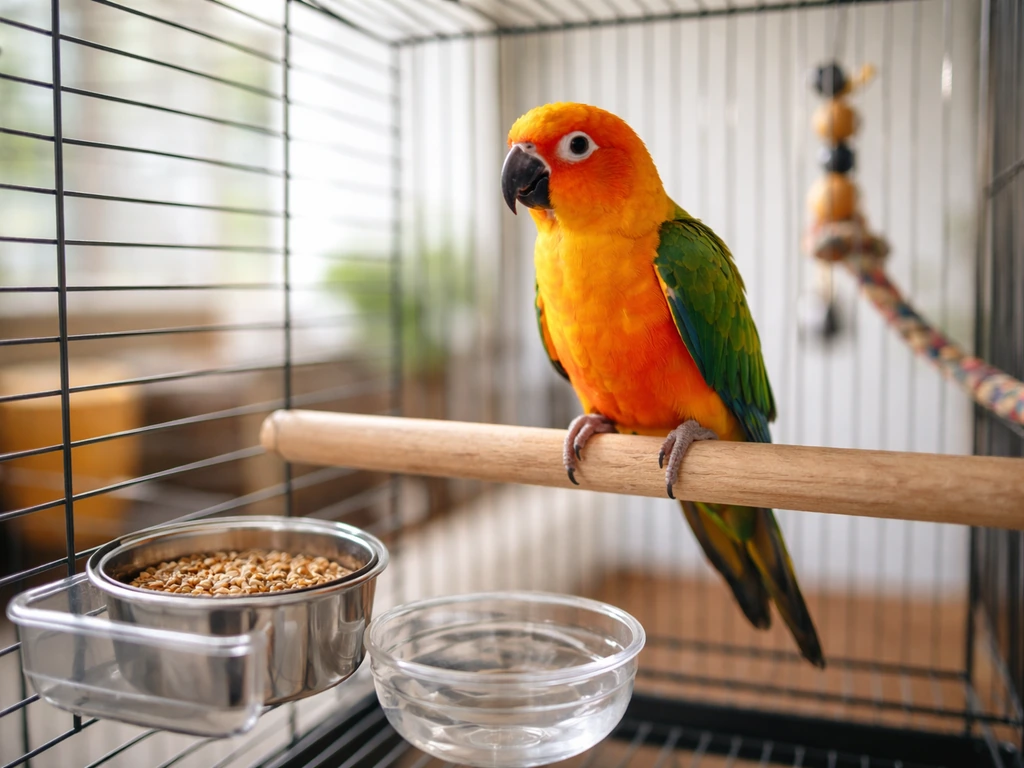
Yes, a pet dove is genuinely one of the better birds you can keep at home, especially if you're a first-time owner. They're calm, relatively quiet, not big biters, and they don't demand the constant interaction that parrots do. That said, 'good for home' depends entirely on which dove you mean, how much space you can offer, and whether your household can accommodate a few non-negotiable care habits. Get those right and a dove will fit into most homes without drama.
Is a Dove Bird Good for Home? Care, Setup, and Fit

Marcus Chen
5 Jun 2026
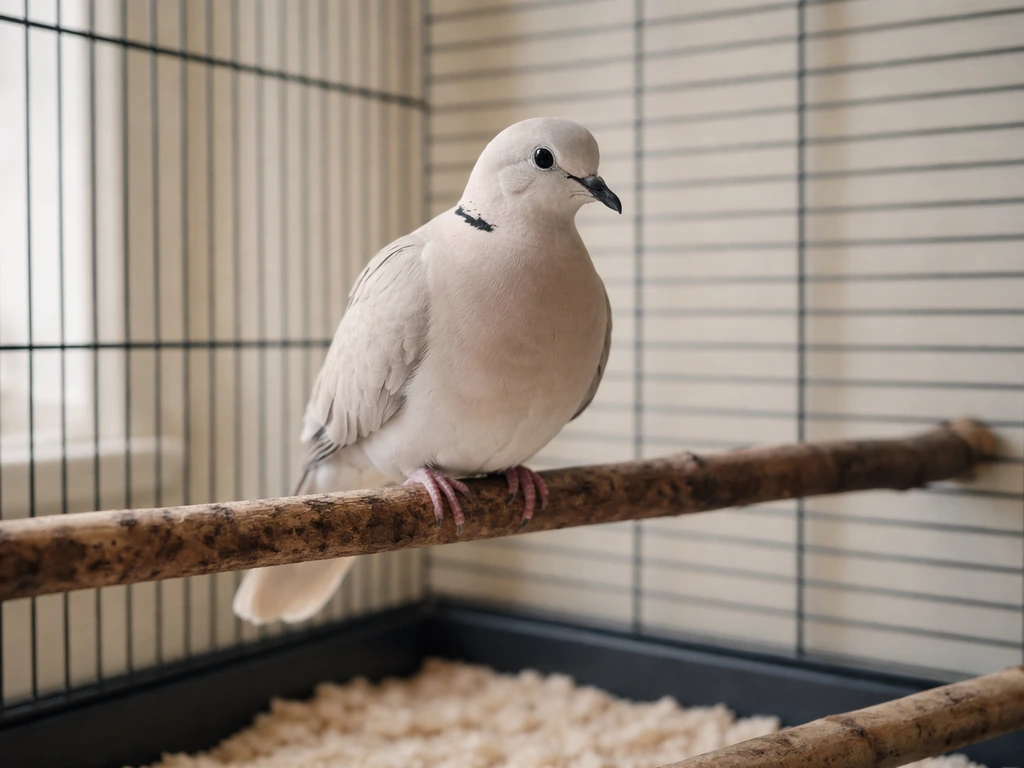
Pet dove vs. wild dove: which one are we actually talking about?
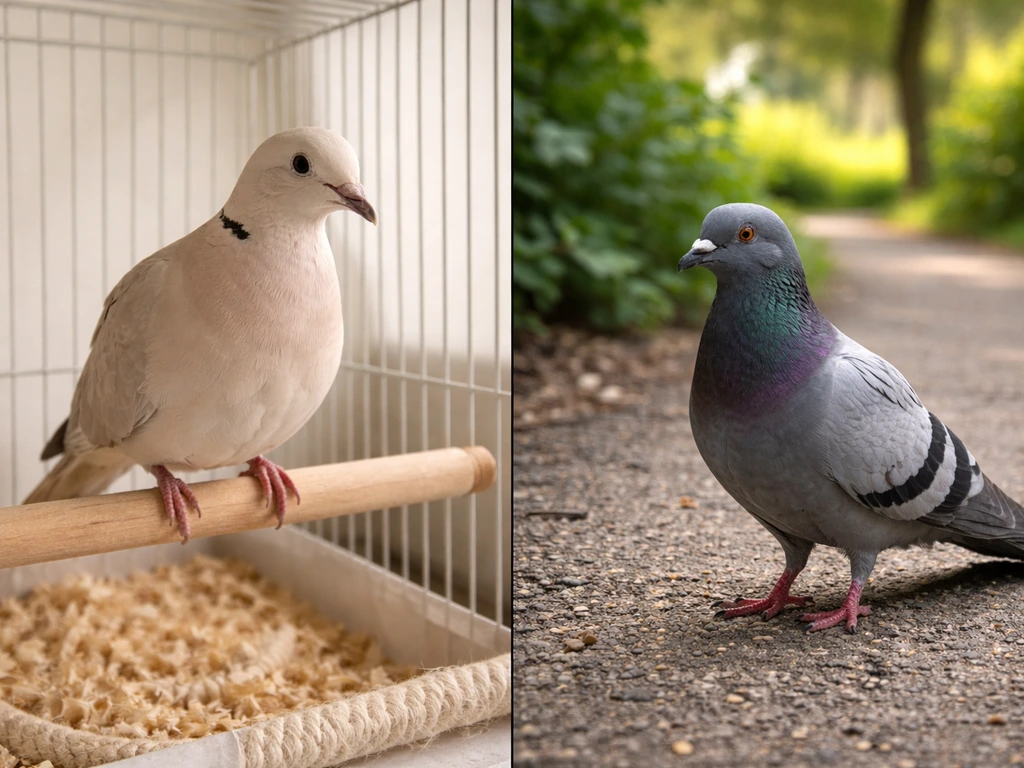
This distinction matters a lot. When most people ask whether a dove is good for home, they're picturing the kind you buy from a breeder or pet store. That's a domesticated or captive-bred bird, most likely a ringneck dove (Streptopelia risoria) or a diamond dove. Ringneck doves are the most commonly kept dove in captivity and have been bred in captivity long enough to behave very differently from their wild relatives. They're the ones this guide is about.
Wild doves are a completely separate situation. In the US, wild birds including doves fall under federal protection, and USDA APHIS regulates the import and movement of pigeons and doves under the Columbiformes pathway. In the UK, keeping a wild bird is illegal unless you can prove it was taken lawfully, and the EU Birds Directive protects wild bird species across member states. If a dove flew into your yard and you're wondering whether to keep it, the answer is almost certainly no without the proper legal pathway. Stick to a captive-bred bird from a reputable source.
What doves are actually like to live with
Ringneck doves are genuinely placid. They don't scream, they don't chew your furniture during out-of-cage time, and they're not going to bite you hard enough to break skin. What they do is coo softly, which some people find soothing and others find mildly repetitive. They form real bonds with humans and will often sit near you once trust is established, though they tend to prefer not being grabbed or restrained. Think of them as affectionate at their own pace rather than lap-bird cuddly.
For households with kids, doves work reasonably well as long as children understand that the bird isn't a toy and won't tolerate being chased or squeezed. With other pets, the main concern is predator instinct. A cat or dog that sees a small bird as prey will stress your dove constantly, even through cage bars. If you have free-roaming cats, a dove probably isn't the right call unless you can guarantee physical separation. Frequent visitors and noise don't tend to bother doves the way they do more skittish species, which is a genuine plus for busier households.
Cage size, perch setup, and where to put it
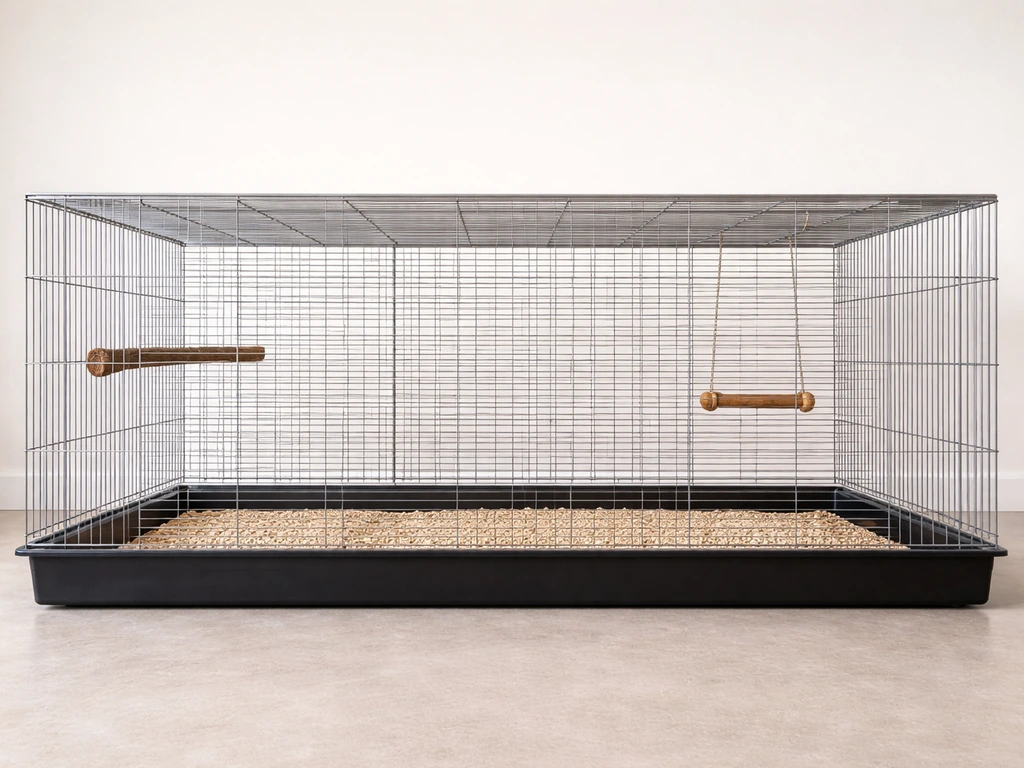
Doves need more horizontal space than most people expect because they fly in straight lines rather than climbing like parrots. The minimum habitat size for one dove is roughly 24 inches wide by 36 inches deep by 24 inches high. Bar spacing should be no greater than 3/8 inch to prevent head injuries or escape attempts. If you can go bigger, do it. A proper flight cage or aviary lets the bird meet its daily flight needs inside the enclosure, which is genuinely better than relying entirely on out-of-cage time.
If the cage isn't a flight cage, plan for daily out-of-cage flight time in a bird-proofed room. Ceiling fans are a serious hazard and must be off during free flight. Windows and mirrors are another risk because doves can fly straight into transparent or reflective surfaces. Cover windows with blinds or a sheer curtain during free-flight sessions.
Perch placement matters too. Vary the diameter and texture of perches so feet don't develop pressure sores from gripping the same surface all day. Place perches at different heights, but keep the highest perches away from the cage top where droppings can accumulate on food or water dishes below. Position the cage away from kitchen fumes, drafts from air vents, and exterior doors. Doves do well in temperatures between 65°F and 80°F, but sudden swings are the real problem, not the number itself.
Daily care: feeding, water, cleaning, and not stressing your bird out
Diet is one area where a lot of beginners get it wrong. A bowl of mixed seed is not a complete diet. Pellets formulated for pigeons and doves (2mm diameter pellets work well) should make up about 50% of the diet, with small amounts of appropriate seed and fresh produce rounding things out. Doves also need a small amount of indigestible grit to help grind seed in the gizzard. Keep three separate dishes in the cage: one for dry food, one for fresh food, and one for water. Change the water daily and remove fresh food before it can spoil, which in a warm room can happen in just a few hours.
Two foods to never offer: avocado and chocolate. Avocado can cause heart damage within 24 to 48 hours and is genuinely lethal. Chocolate is toxic too. Neither is worth the risk no matter how small the amount.
For cleaning, spot-clean the cage floor daily to remove droppings and discarded food. Replace the cage liner weekly, or more often if you're housing two birds. Don't use sandpaper cage liners sold in some pet stores because birds can ingest the grit coating and develop GI problems. Plain paper works fine and makes it easy to check droppings for changes in color or consistency. That habit of glancing at the liner daily will catch health problems earlier than almost anything else.
Handling is a point worth being honest about. Doves prefer not to be grabbed. If you want a bird that sits on your hand willingly, you can get there with patient, low-pressure training, but forcing handling stresses them out. A predictable daily routine, consistent cage placement, and calm interactions matter more than frequent handling sessions. They also need 10 to 12 hours of uninterrupted sleep per night, so the cage needs to be in a location that can go genuinely quiet and dark in the evenings.
Health: what to watch for and how to prevent most problems
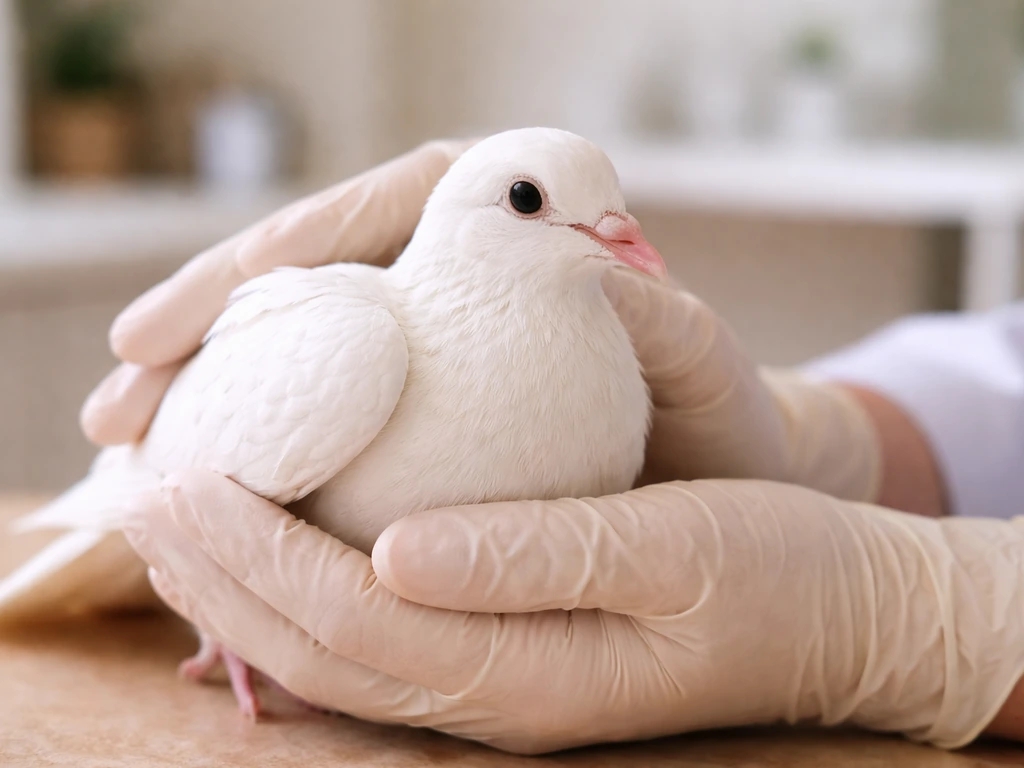
Doves are relatively hardy but they hide illness well, which is a bird thing not specific to the species. By the time symptoms are obvious, problems are often already serious. The signs to watch include sneezing, discharge from eyes or nose, difficulty breathing, loss of appetite, weight loss, and changes in droppings. VCA Canada notes that birds often develop changes in droppings when sick, and that differences in color, frequency, volume, wetness, or character can signal problems that need immediate veterinary attention. Healthy droppings shouldn't have a strong smell. If you notice an unusual odor, a change in color or consistency, or undigested food in the dropping, contact an avian vet promptly.
Avian chlamydiosis is worth knowing about because it can affect pigeons and doves and shows up as respiratory signs plus eye discharge. It's also a zoonotic disease, meaning it can potentially transfer to humans, so any respiratory symptoms warrant a vet visit rather than a wait-and-see approach. A good avian vet relationship before you need one urgently is the single best investment you can make as a bird owner.
The kitchen is the most dangerous room in the house for a dove. Non-stick cookware releases PTFE fumes when overheated, and those fumes can cause respiratory distress and death in birds with very little warning. Cornell veterinary researchers have documented PTFE toxicosis in avian species. The fix is simple: never use non-stick cookware when your bird is nearby, keep the cage out of the kitchen entirely, and make sure the room is well ventilated regardless. The same logic applies to aerosol sprays, cleaning products not labeled as safe for pets, scented candles, and new carpet or duct systems off-gassing in a closed room.
Noise, mess, smell, and allergens: the honest home-impact rundown
| Factor | What to expect with a pet dove |
|---|---|
| Noise | Soft, repetitive cooing. Not loud, but constant during active hours. Not a screamer like many parrots. |
| Mess | Seed hulls and feather dust around the cage. Droppings need daily spot cleaning. More contained than larger birds. |
| Odor | Minimal when the cage is cleaned regularly. Healthy droppings are nearly odorless. Neglected cages smell quickly. |
| Dander/allergens | Doves produce feather dust that can irritate people with bird allergies or asthma. Less than cockatiels or cockatoos, but not zero. |
| Air quality impact | Fine for most households with regular cleaning. Run an air purifier near the cage if anyone in the home has respiratory sensitivities. |
One thing people underestimate is the seed hull scatter. Doves toss hulls as they eat, and without a cage skirt or a tray with raised edges, you'll be sweeping a radius around the cage every day. A cage placement on easy-to-clean flooring rather than carpet makes the daily cleanup about 30 seconds instead of an actual chore.
Safety, enrichment, and when a dove isn't right for your home
Enrichment for doves doesn't need to be complicated. They enjoy bathing, so a shallow dish of water a few times a week is genuinely enriching. Foraging opportunities in the cage, like scattering some seed in substrate rather than just a dish, engage natural behavior. They also benefit from exposure to natural light cycles, though window glass blocks UV, so a full-spectrum bird lamp on a 10 to 12 hour daily timer is a better solution than relying on a window alone.
On safety: the big household hazards for a free-flying dove are ceiling fans, windows and mirrors, open toilets, other pets, and toxic fumes. Bird-proof the room before any out-of-cage session, not during it. Make it a habit before you open the cage door.
Now for the honest 'not a good fit' list. A dove probably isn't right for your home if:
- You have free-roaming cats or predatory dogs that can't be reliably separated from the bird.
- Your household regularly uses aerosol sprays, non-stick cookware, or scented products in the same room as the bird, and you're not willing to change those habits.
- You want a bird that actively seeks physical interaction and sits on your hand for long sessions. Doves can get there, but they're not naturally that way.
- Nobody in the household can commit to daily feeding, water changes, and spot cleaning. Doves aren't high-maintenance, but the basics are non-negotiable.
- You live in a studio where the bird's 10 to 12 hour quiet sleep requirement conflicts with your own schedule and lifestyle.
- Someone in your home has a diagnosed bird allergy or significant respiratory condition that feather dust would aggravate.
What to do next if a dove sounds right for you
Before you bring a bird home, get the cage set up and the environment checked. The questions to ask a breeder or rescue: Is the bird captive-bred? Has it been handled regularly? Has it seen an avian vet recently? A captive-bred ringneck or diamond dove from a reputable source is a very different starting point than a bird that hasn't been socialized.
- Buy or build a cage that meets the minimum 24" W x 36" D x 24" H dimensions, with bar spacing no wider than 3/8 inch.
- Set up multiple perches at varying heights and diameters before the bird arrives.
- Get three separate dishes ready: dry food, fresh food, and water.
- Source pellets formulated for doves or pigeons (2mm size) and appropriate seed mix.
- Identify an avian vet in your area before you need one urgently.
- Bird-proof the room you plan to use for out-of-cage flight time.
- Remove non-stick cookware from the bird's environment or commit to keeping the bird completely away from kitchen fumes.
- Plan where the cage will go so it gets a consistent light and dark cycle and stays away from drafts and cooking areas.
If after all this a dove still feels like too much commitment or doesn't fit your household for the reasons listed above, it's worth looking at what other species might suit your home and lifestyle better. The right bird for your situation is always going to be a better outcome than a species that technically can work but creates friction every day. Doves are excellent for calm households that want a low-drama, genuinely beautiful bird. If you're looking for the best bird pets for seniors, a calmer, low-drama bird like a ringneck or diamond dove can be a good place to start. If you want the best house bird pets, a captive-bred ringneck or diamond dove can be a low-drama option for the right home setup. If that's you, they're a great choice. If you want a solid apartment-friendly option, a well-cared-for dove can be one of the best bird pets for the space. If you're deciding on the best small bird pets for your home, the right choice often comes down to temperament, space, and how much daily care you can commit to.
FAQ
Can doves live in an apartment or small home with limited space?
Yes, but the key is horizontal room for flight. If you cannot provide daily out-of-cage time in a fully bird-proof room, a standard tall cage alone usually will not meet their flight needs. If noise or traffic is an issue, doves are often tolerant, but you still need a quiet, dark spot for 10 to 12 hours of uninterrupted sleep each night.
Is it safe to keep a dove with other birds like finches or budgies?
Often it can work, but do not assume compatibility. Even if the species differ, a small bird can still be stressed by harassment or competition at food and water. Introduce gradually, provide separate food and water stations, and watch closely for bullying or persistent chases during the first weeks.
How long do doves typically live, and is “low maintenance” also long-term?
Captive-bred ringneck and diamond doves commonly live for many years with consistent diet, vet care, and safe environmental conditions. Because they can hide illness, long-term success depends more on routine monitoring (like checking droppings daily) than on short-term “hands-off” care.
Do doves require daily handling or training to be happy?
No. They usually do best with calm consistency rather than frequent grabbing. You can build trust by using predictable daily routines and letting them approach on their own. Forcing handling is more likely to increase stress than to improve bonding.
Will dove cooing be a problem for neighbors or people who dislike noise?
Usually it is mild and not the constant loud screaming that some parrots are known for. Still, some individuals can be more vocal, especially at dawn or when routines change. If you share walls, plan to place the cage in the quietest area and avoid sudden schedule disruptions.
What should I do if my dove will not step up or seems fearful?
Reassess your approach and environment. Start with minimal interference, keep interactions calm, and avoid restraining the bird. Offer perches and treat opportunities without chasing. If fear is severe or paired with breathing issues, appetite loss, or discharge, treat it as a possible health problem and contact an avian vet.
How can I tell if droppings are normal, and what’s a red flag?
Normal droppings should not have a strong odor, and consistency should be relatively consistent day to day. Red flags include unusual color changes, watery diarrhea, undigested food appearing frequently, strong smell, or any combination of droppings changes with sneezing, discharge, or appetite loss.
Are there household items besides non-stick cookware that can poison a dove?
Yes. Aerosol sprays, scented candles, and some cleaning products can be risky, especially in closed spaces. Also consider fumes from heat sources and the off-gassing of new materials like fresh carpet or duct work. When in doubt, move the cage out of the room during the use, airing out longer, and use only pet-safe, fume-minimizing options.
How important are temperature and drafts, what if my home swings between seasons?
Stable temperatures matter more than hitting an exact number. Sudden swings from heaters, air vents, or exterior doors can stress the bird even if the average temperature looks acceptable. Avoid placing the cage where warm or cold air blasts directly on it, and watch for any changes in breathing or appetite after HVAC adjustments.
Can I feed only seed, or should I switch immediately to pellets?
Seed-only diets are usually incomplete. If your dove is currently on seed, transition gradually to pellets to improve acceptance and reduce digestive upset. Keep fresh foods small and remove them before spoilage, because warm indoor rooms can spoil fresh produce quickly.
What grit should I provide, and is it the same as sandpaper liners?
No, grit used for digestion is not the same as the grit-coated liners sold in some cage accessories. The safe approach is to provide appropriate indigestible grit intended for birds, while using simple liners like plain paper that do not add edible grit coatings.
Do doves need a bird bath daily, and what’s the safest way to offer it?
Bathing a few times per week is typically sufficient, daily is not usually necessary. Use a shallow dish with water that is easy to step into and safe for the bird. Monitor after bathing sessions, and keep the bird away from drafts during drying time, since chilled air can worsen respiratory stress.
Is it okay to leave the dove’s cage in the kitchen if I keep it ventilated?
It is still not recommended. The kitchen has the highest risk from overheated cooking surfaces, fumes, and unexpected aerosols. Keeping the cage out of the kitchen is a simple, high-impact safety rule, even if you believe ventilation is adequate.
What’s the best first step if I want to “try” a dove at home?
Before purchase, confirm the bird is captive-bred and plan the full setup, including a flight-capable enclosure or a bird-proof room for daily flight time. Also identify an avian vet you can call before symptoms appear, since respiratory issues require prompt assessment rather than waiting.
Next Article
Best House Bird Pets: Beginner Picks, Setup, Care Checklist
Beginner-friendly best house bird pets: picks, indoor setup, daily care checklist, enrichment, and indoor air safety tip