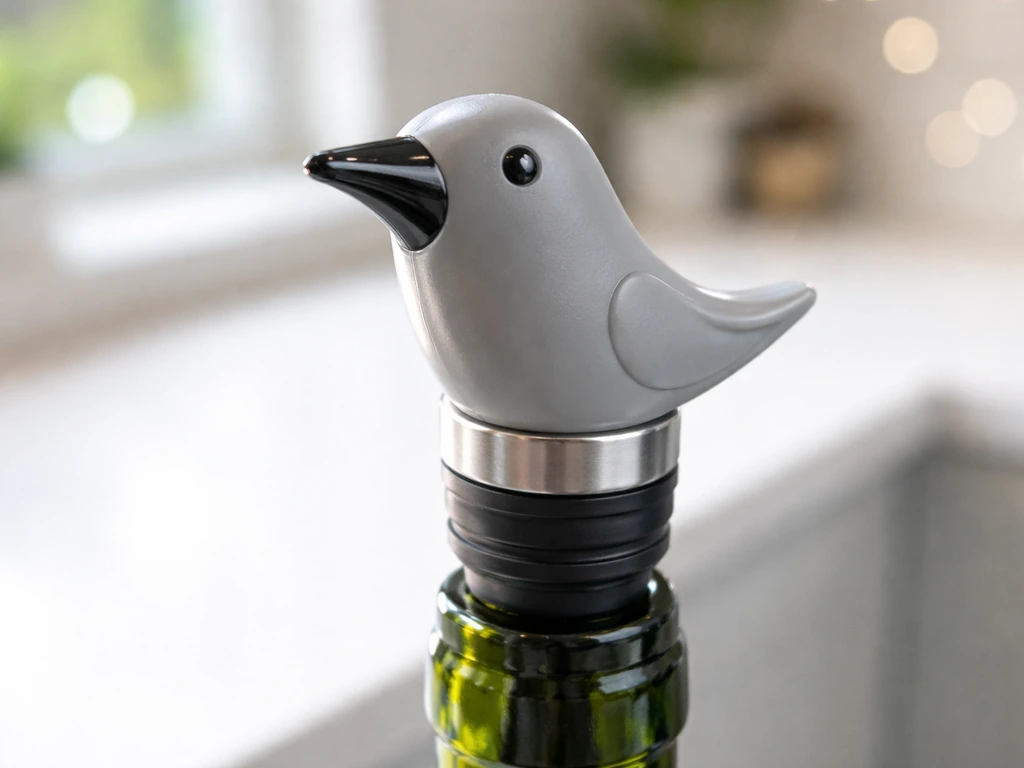
The 'Chirpy Top Bird Wine Pourer' is a real product, but it is not a bird care accessory. It is a novelty wine pourer made by GurglePot, Inc. that makes a chirping sound when you pour wine. The body and stopper are silicone rubber, the internal tubes are stainless steel, it measures roughly 1.5 x 4.5 inches (or up to 5 x 3 x 2 inches depending on the version), and it fits standard corked wine bottles. It is designed for wine, not for birds or bird enclosures.
Chirpy Top Bird Wine Pourer: Safety Guide for Birds

Marcus Chen
27 May 2026
What this product actually is (and why the name causes confusion)
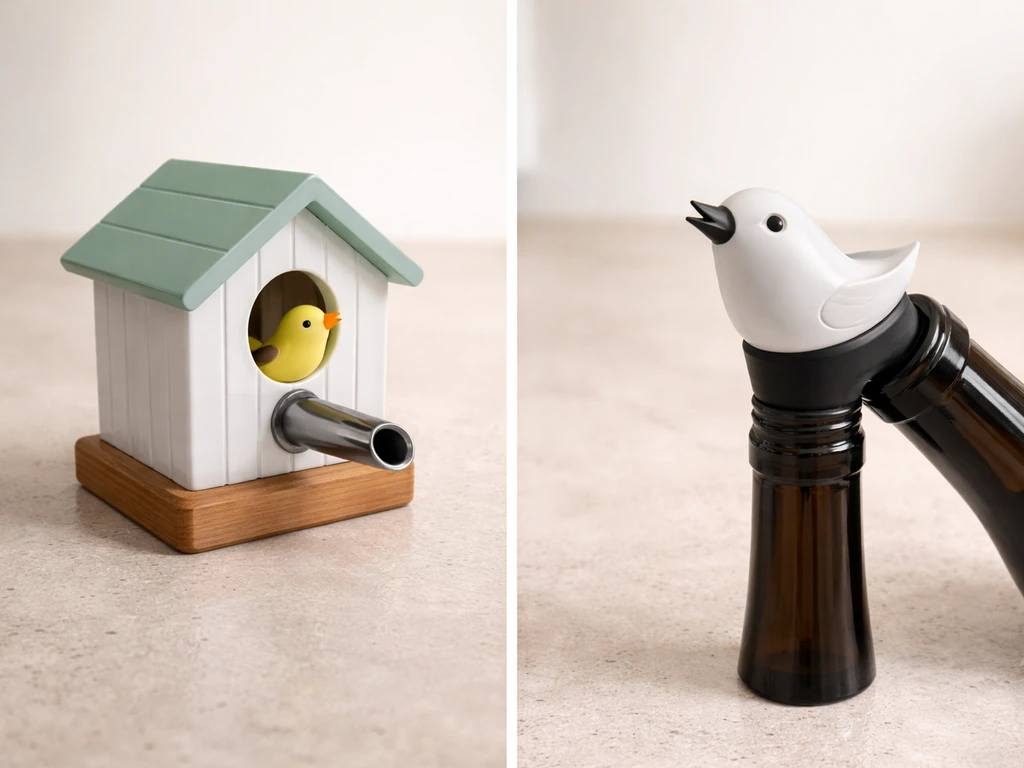
If you landed here after searching for a bird-related drinking or feeding gadget, you are not alone in the confusion. The name sounds like it could be a waterer, a sipping toy, or some kind of enrichment item for pet birds. It is none of those things. The chirping sound comes from a hidden internal whistle built into the silicone body. When wine flows through the stainless steel tubes, it produces that sound. The bird theme is purely decorative and novelty-driven.
GurglePot makes several novelty pourers in animal shapes, and the 'Chirpy Top' is their bird-themed version. You might also see it spelled slightly differently across retailers like Cook's Warehouse, Bekah Kate's, and Emersonsloan. The product details are consistent across listings: silicone rubber body and stopper, stainless steel tubes, hand wash only. There is no bird-safe certification, no feeding function, and it is not designed to hold water for birds.
The sibling products in similar novelty niches, like bird-shaped glass jars or bird-top perfume bottles, often cause the same naming confusion for bird owners searching for something functional. Decorative bird motifs on household items are popular, but a glass jar with bird on top is still not a substitute for actual bird care equipment. Bird-top perfume bottles can look tempting, but they are still not designed for safe bird care use. Decorative bird motifs on household items are popular, but none of them are substitutes for actual bird care equipment.
If you already own one: how to use it safely around birds
Let's say you bought it as a gift, or it came in a set, and now you're wondering whether it's safe to have around your bird. The short answer is: keep it out of the bird room entirely during use, store it away from the enclosure, and never let your bird contact it. Here is a practical routine if you are going to keep the item in the house.
Setup and use
- Move your bird to a separate room with the door closed before opening or pouring wine anywhere near it. Alcohol fumes are an inhalation risk for birds, not just ingestion.
- Do not place the pourer on surfaces your bird accesses. Silicone is a chew target for many birds and the stainless steel tubes could be a beak hazard.
- Pour, use, and set the item aside before returning the bird to the area. Allow several minutes for any residual alcohol vapor to dissipate with ventilation.
Cleaning the pourer
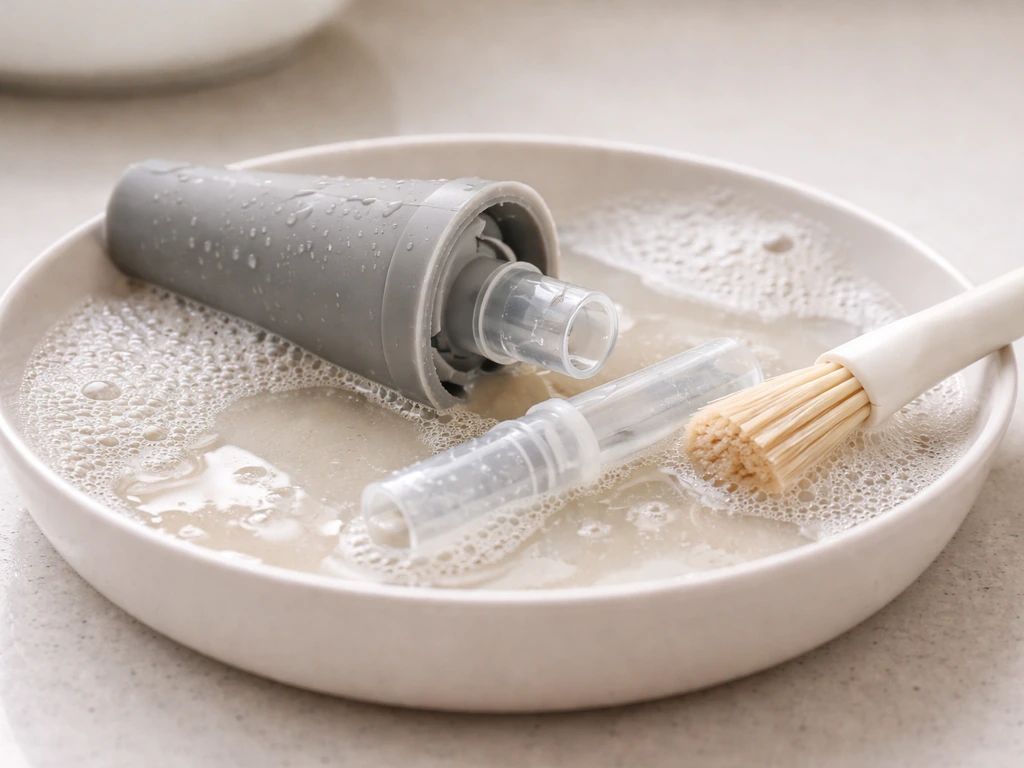
- Hand wash only, as listed. Do not put it in a dishwasher because heat can degrade silicone and may leave detergent residue in the internal tubes.
- Rinse the interior tubes thoroughly with warm water. Wine residue in stainless steel tubes ferments and can produce stronger fumes over time.
- Use a small bottle brush or pipe cleaner to clean inside the stainless steel tubes. Residue buildup is the main problem with pourers that have internal channels.
- Rinse again with plain water until no soap smell remains. If you can smell cleaner on it, your bird can smell it even more acutely.
- Air dry completely before storing. Trapped moisture combined with wine residue encourages mold growth.
- Clean it away from the bird enclosure, not over a sink in the same room where the cage is.
When it's a bad idea: the real risks to pet birds
This is the part I wish someone had laid out clearly for me early on: birds are not small cats or dogs when it comes to airborne hazards. Their respiratory systems are incredibly efficient, which is exactly why they are so vulnerable. They process air more effectively than mammals, which means toxins move into their bloodstream faster.
Alcohol (ethanol) is listed as a toxin for birds. Exposure can happen through ingestion, inhalation, or even skin contact. Clinical signs of alcohol toxicosis in birds include vomiting, diarrhea, loss of coordination, difficulty breathing, lethargy, and tremors, and they can begin within 30 to 60 minutes of exposure. A wine pourer in active use in the same room as your bird is a real inhalation risk, not a theoretical one.
The cleaning risk is just as serious. Merck Veterinary Manual specifically notes that blank" rel="noopener noreferrer">birds are at increased risk of death from fumes produced by bleaches and other cleaning agents. Mixing bleach with ammonia-based cleaners produces chloramine gas, which causes acute respiratory distress in birds. If you clean this pourer with anything stronger than mild dish soap, and the bird is anywhere nearby, that is a genuine hazard. A shelter-housing document for birds recommends bird-safe products and notes that thorough rinsing matters because some soap ingredients can be toxic to birds clean this pourer with anything stronger than mild dish soap. Even strong-smelling dish soap in an enclosed space can trigger respiratory irritation.
And rubbing alcohol? Also listed specifically as a household item toxic to birds. So do not use it to sanitize this or any other accessory that will be anywhere near your bird's living space.
Other situations where you should not use this product near birds
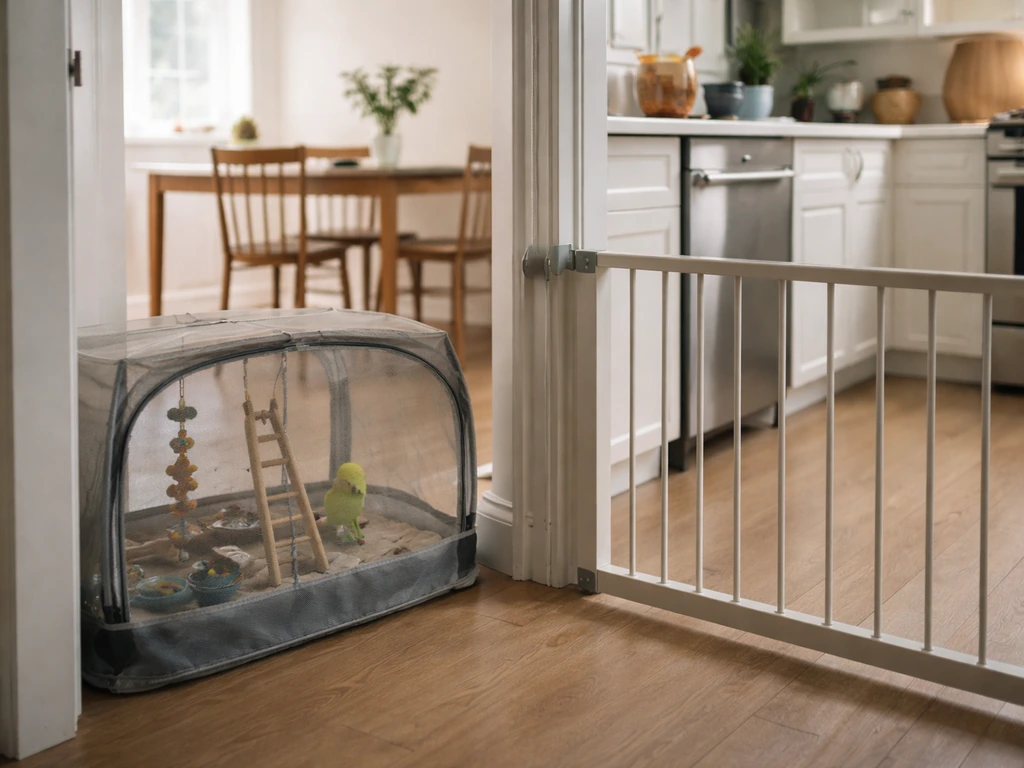
- If your home is small or poorly ventilated, even a closed door between the bird and the wine pouring area may not be enough.
- If your bird free-roams or flies to kitchen and dining areas unsupervised.
- If you have a bird species with known respiratory sensitivity, like canaries, which historically were used to detect toxic gases.
- If you use aerosol air fresheners or spray disinfectants at the same time, the combined fume load in the air multiplies the risk.
What to actually buy for bird care and enrichment
If you were searching for this product because you wanted something bird-themed and functional for your pet bird, here is what to look for instead. If you want to repurpose household items safely, look for a reliable best out of waste bird craft guide that uses bird-safe materials. The key materials benchmark is stainless steel for bowls, tubes, and hardware, and food-grade silicone for any soft components. Best Friends' bird care guidance and shelter housing standards both flag stainless steel bowls as the gold standard for bird feeding and water dishes. For more on selecting and buying bird-safe options, see the best bird safe cookware recommendations. Stainless steel is non-porous, easy to fully clean, and does not harbor bacteria the way plastic does.
| Item | What to look for | What to avoid |
|---|---|---|
| Water dish or bottle | Stainless steel or food-safe glass, smooth interior, easy to disassemble for cleaning | Plastic bottles with many crevices, novelty shapes with internal chambers you cannot scrub |
| Food dish | Stainless steel cups that clip to cage bars, no paint or coating on interior | Painted ceramic with unknown glaze, plastic that cracks and harbors bacteria |
| Enrichment toys | Untreated wood, stainless steel parts, natural fiber rope, food-grade dyes | Dyed or painted novelty items with unknown coating, items with small detachable parts |
| Foraging accessories | Hanging stainless mesh cups, untreated wood foraging toys, paper-based foragers | Anything with strong smell, rubber components your bird will chew and ingest |
For water delivery specifically, Lafeber notes that bird water bottles can be glass, resin, or plastic, but the stainless steel ball-valve design in quality water bottles is the most hygienic for daily use. If you want something with a bird aesthetic, search for bird-shaped water bottles or feeders specifically labeled as bird-safe or avian-use, not decorative wine accessories with bird motifs. In general, avoid “bird dish” products that are actually meant for people and may expose your bird to alcohol or strong fumes bird-shaped water bottles or feeders specifically labeled as bird-safe.
If enrichment is the goal, look at foraging toys, puzzle feeders, or even simple DIY options using safe materials. Bird-themed decorative items like bird-shaped glass jars or bird-motif dishware are fun for the human side of the hobby but are not substitutes for functional bird enrichment.
Troubleshooting common problems with the pourer
Persistent wine smell after washing
The silicone body absorbs odors over time, which is a known property of silicone. If you have washed the pourer thoroughly and it still smells like wine, soak it for 30 minutes in a baking soda and warm water solution (about one tablespoon per cup of water), then rinse completely. Do this away from your bird. If the smell persists after several cycles, the silicone has absorbed enough wine that it is essentially permanent, and replacing the pourer is the cleaner solution.
Sticky residue on or inside the tubes
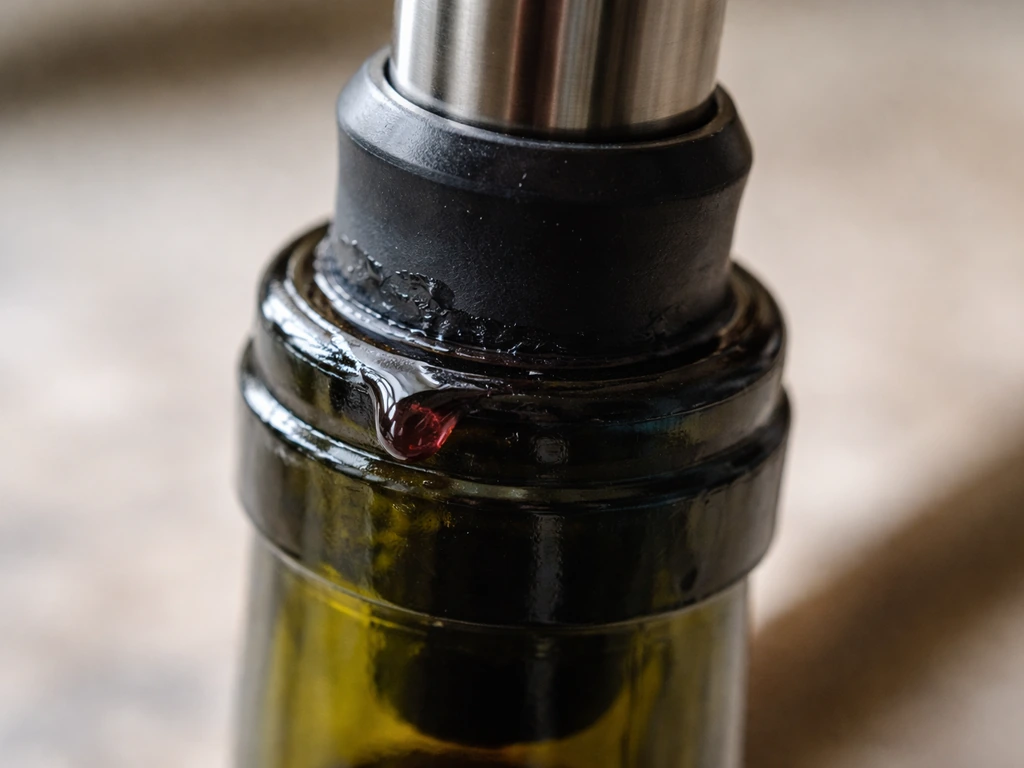
Wine leaves a sugar-based residue that becomes tacky as it dries. If you notice sticky buildup on the stainless steel tubes, use a small flexible brush with warm soapy water and work through the tube interior thoroughly. Rinse until the water runs clear and no soap smell remains. Do not use vinegar near the bird room as it also produces fumes that can irritate bird airways in enclosed spaces.
Leaking or dripping
The silicone stopper creates the seal on the bottle. If the pourer is dripping when inserted, the stopper is either worn, deformed from heat exposure, or the wrong size for that bottle. Check that you are using it with a standard corked wine bottle as specified. The pourer fits 'all standard corked wine bottles' per the product listing, so unusual bottle neck sizes will cause a poor seal. If the silicone stopper looks compressed, warped, or cracked, the seal is gone and the piece should be replaced.
Bird reacting to the sound or smell
Some birds will react to the chirping sound with alarm calls, feather fluffing, or agitation. This is not enrichment. It is stress. The chirp from an internal whistle is not the same as natural bird sounds, and many birds find novel electronic or mechanical sounds alarming rather than interesting. If your bird reacts negatively to the sound, keep the pourer in a different room during use.
Practical next steps before using anything near your bird
Here is the routine I use any time a new item enters the house that might end up near the bird. It takes five minutes and has saved me from several near-misses.
- Read the full label and product listing before anything else. Confirm materials (in this case silicone and stainless steel), cleaning instructions, and intended use. If the product is for human food or beverage use only, that is your first red flag for bird proximity.
- Smell the item out of packaging. If it has a strong odor, whether chemical, rubbery, or otherwise, air it out in a well-ventilated area away from the bird for at least 24 hours before it comes into the same room.
- Check whether any components are chewable or detachable. Silicone is a chew target for many birds. Anything with small detachable parts is a choking and ingestion risk.
- Move the bird to a separate space before using, cleaning, or storing any alcohol-adjacent product. Do not assume ventilation alone is sufficient in small or shared-wall spaces.
- After cleaning any accessory, rinse until no smell remains, then air dry completely before returning it to storage near the bird area. If you can smell soap or cleaner, your bird definitely can.
- For anything that will be used as a water or food container for your bird, verify it is explicitly labeled bird-safe or avian-safe, or made of stainless steel or untreated food-grade materials with no coatings, dyes, or hollow chambers that cannot be fully cleaned.
- If your bird ever shows signs of respiratory distress, loss of coordination, lethargy, or unusual behavior after a new product enters the home, remove the bird to fresh air immediately and call your vet or the Pet Poison Helpline. Do not wait to see if symptoms resolve on their own.
The Chirpy Top Wine Pourer is a genuinely fun novelty item for wine lovers, and the bird design is charming. But it belongs in the kitchen cupboard, used when the bird is in another room, cleaned carefully and stored away. It is not a bird care product, and searching for it on a bird care site is a totally understandable mix-up given the name. If you were actually trying to find a real orange bird watering can for bird care, look for bird-safe, water-ready options instead. Now that you know what it actually is, you can make a clear call about whether to keep it, where to store it, and what to actually buy for your bird's feeding and enrichment setup.
FAQ
Can I let my bird be in the room while I use the chirpy top bird wine pourer for a quick pour?
No. Even short exposure can create an inhalation risk from alcohol vapors, and birds can show symptoms within about 30 to 60 minutes. If you must handle it, put your bird in a separate room first and keep the pourer out of the bird area until fully cleaned and dry.
Is the chirping sound itself dangerous to birds, or is it just stressful?
It is mainly a stressor. The sound comes from a whistle in the pourer, and many birds react with alarm calls, fluffing, or agitation. If your bird shows any stress signs, treat it as a reason to discontinue use near them, not as a harmless “novelty noise.”
What if a drop of wine falls near my bird but isn’t swallowed?
Treat it as a potential exposure. Birds can be affected through skin contact and inhalation around the spill area. Wipe up immediately with mild dish soap and water, ventilate the room, and keep your bird away until surfaces are dry and there is no wine odor.
Can I use vinegar or strong disinfectants to remove wine smell from the silicone body?
Avoid anything more than mild dish soap. Vinegar can create fumes that may irritate bird airways, and stronger cleaners can add dangerous vapors. If odor remains, use the baking soda soak method described in the article, done away from the bird room.
How do I know whether the silicone has absorbed enough odor that cleaning will not fix it?
If the pourer still smells like wine after several baking soda soak and rinse cycles, the odor is likely absorbed into the silicone and is effectively permanent. At that point, replacing the pourer is the safer decision than repeatedly reintroducing it into the home near the bird.
Is hand-washing alone enough, or do I need special steps for the stainless steel tubes?
Hand-washing is the baseline, but tubes need thorough interior cleaning to remove tacky sugar residue. Use a small flexible brush inside the tube, rinse until water runs clear, and confirm there is no soap smell before it ever comes near your bird.
What’s the safest way to store it so my bird can’t access it by curiosity?
Store it in a closed cabinet or container in a non-bird room. Also keep it away from the bird’s reach range, since birds can investigate counters, shelves, and open bottles. Don’t leave it on a kitchen counter after use.
Can I donate or repurpose it if I’m moving on from it?
Be cautious. Repurposing for bird-adjacent spaces is not recommended because the silicone can retain odor and the product is not bird-use equipment. If you keep it at all, keep it labeled as a wine novelty pourer and avoid any use around the bird living area.
What should I check if the stopper leaks or the pourer drips?
Inspect the stopper for compression, warping, or cracks, and confirm it is used only with a standard corked wine bottle. A poor fit or heat-damaged silicone seal increases dripping risk, which increases cleanup needs and exposure potential if your bird is in the household.
If I’m looking for something bird-themed and functional, what label should I prioritize when shopping?
Prioritize products explicitly labeled as bird-safe or avian-use for feeding or water delivery, and check that the materials match bird-care expectations like stainless steel for food and water components, and food-grade silicone only for soft parts. Decorative bird motifs on household bottles are not a safety indicator.
Next Article
Best Bird Safe Cookware: Materials to Use and Avoid
Choose best bird-safe cookware: safest materials, what to avoid, safe temperature tips, and handling overheating and dam