Most bird toys run between $6 and $20 each, and a solid starter set of four to six toys will cost you roughly $30 to $60 upfront. After that, plan on spending somewhere between $10 and $50 a month depending on how aggressively your bird destroys things and whether you mix in some DIY options. Those numbers surprised me when I first got a bird, because I assumed toys would be a one-time purchase, not a recurring line item on my budget.
How Much Are Bird Toys? Costs by Type, Budget, and Value

Marcus Chen
2 Jun 2026
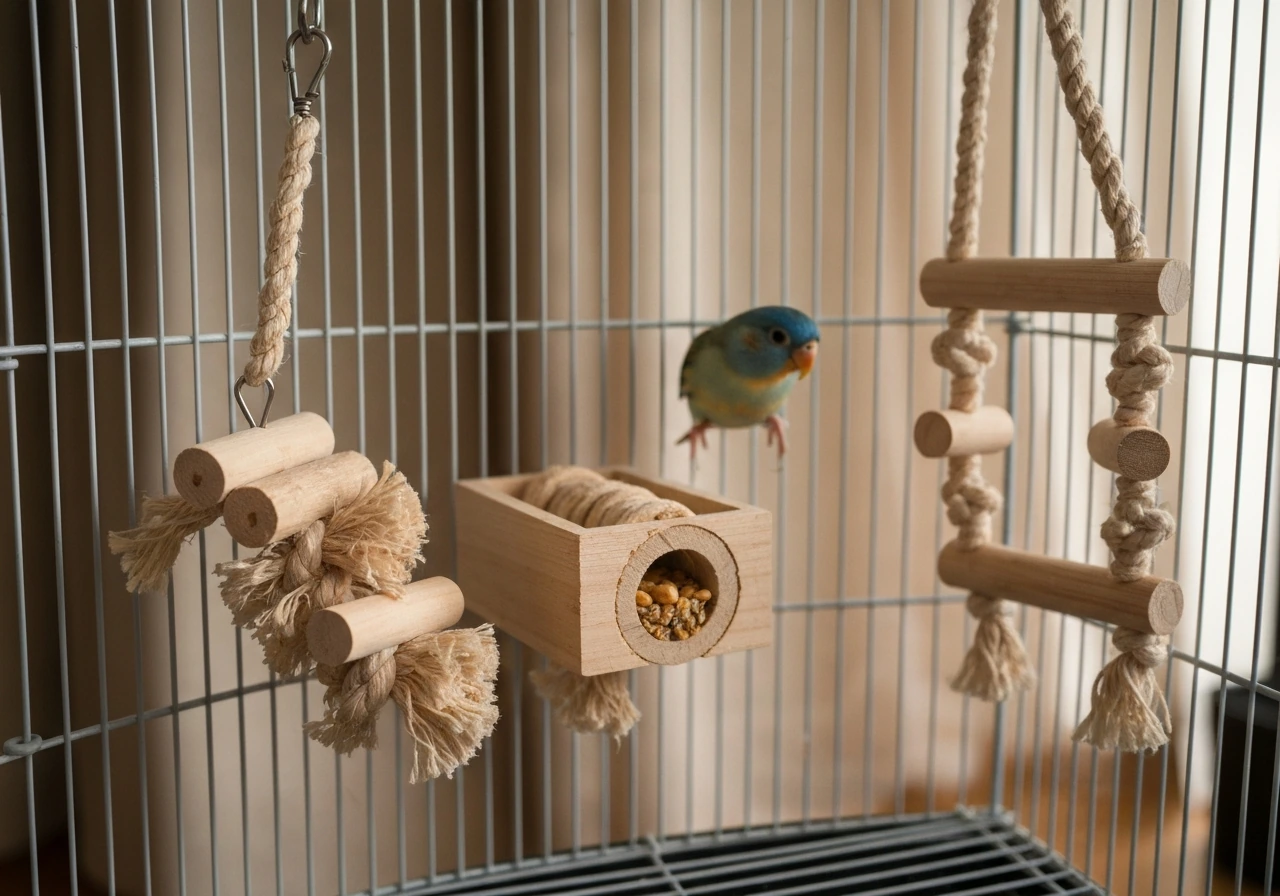
Typical price ranges for bird toys
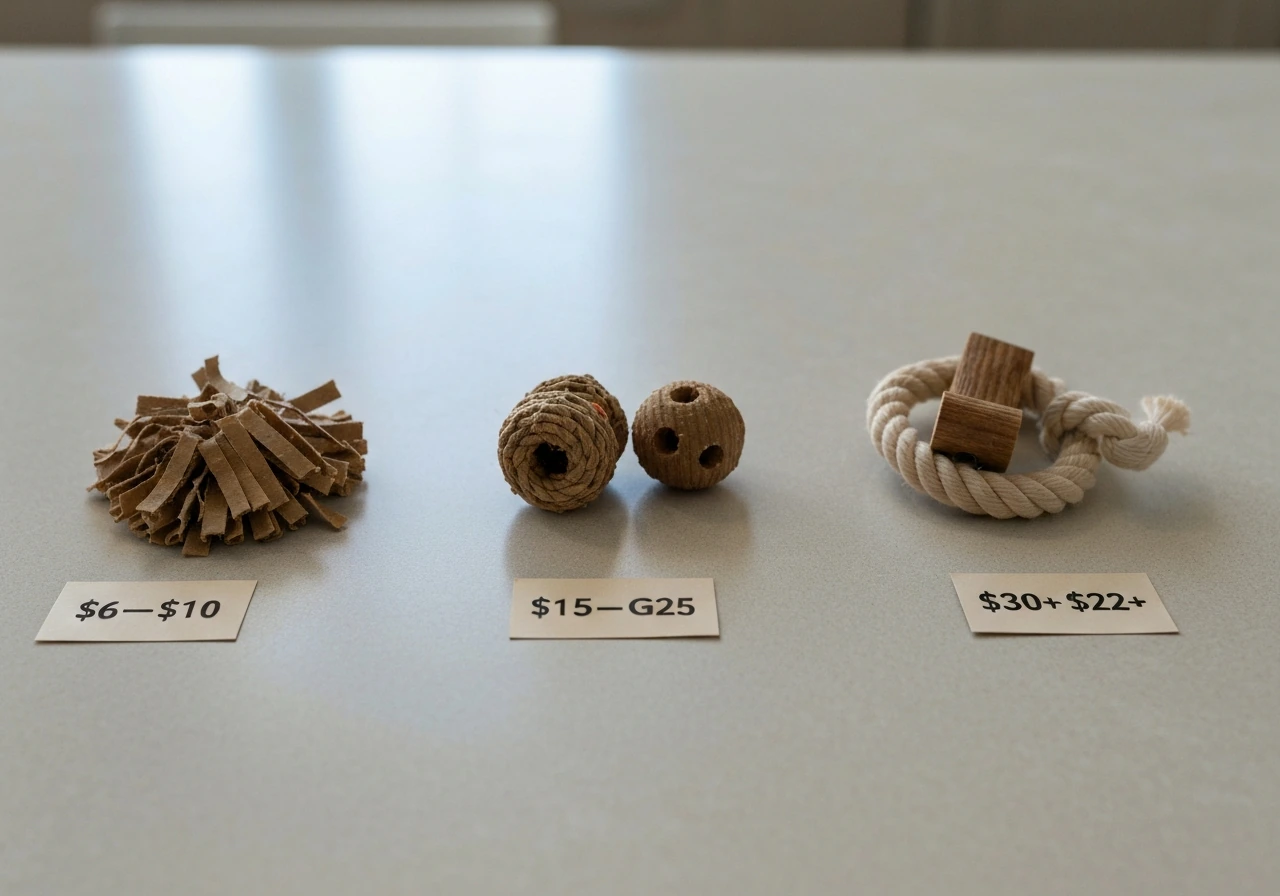
At the budget end, you can reliably find shreddable, chewable, and foraging toys in the $6 to $10 range at major retailers. [Chewy lists chew toys around $6. ](https://www. chewy.
com/b/chew-toysc125414p6)45 to $6. 99, and Petco carries foraging trio ball toys for $9. 99 and shreddable kabob-style toys for around $12. Specialty bird retailers like BirdTricks price small foraging toys around $6.
90, which is competitive with the big-box stores. Mid-range toys, usually more complex foraging puzzles, rope swings, or larger climbing structures, tend to land between $12 and $25. Premium or large-bird toys, think stainless-steel-heavy constructions or oversized foraging towers, can push $30 to $50 or more. For most small to medium birds, though, you rarely need to go above $20 per toy to get something genuinely useful.
What different toy types actually cost
Not all toy categories are priced the same, and knowing which types are cheap to replace matters because some get destroyed much faster than others.
| Toy Type | Typical Price Range | Replacement Frequency | Notes |
|---|---|---|---|
| Chew toys / shreddable kabobs | $6–$13 | Weekly to monthly | Designed to be destroyed; treat as consumables |
| Foraging toys | $6–$15 | Monthly to every few months | Durable if bird isn't chewing the housing itself |
| Shredders (paper, palm, cardboard) | $5–$10 | Weekly | Fastest to go; cheapest per item |
| Rope swings / bungees | $8–$20 | 1–3 months (or sooner if frayed) | Replace immediately when strands unravel |
| Perches (non-rope) | $8–$25 | Every few months to annually | Wood/rope perches wear faster than acrylic/concrete |
| Swings (rigid or semi-rigid) | $8–$20 | Several months to a year | Usually outlast soft toys significantly |
Shredders and kabob-style chew toys are your highest-turnover items. A conure or cockatiel can dismantle a $12 kabob in under a week. Foraging toys tend to last longer because the bird is working to get food out rather than physically destroying the toy body, though aggressive chewers will still work on the housing. Rope products are a middle ground: they last a while, but you need to retire them based on condition, not just time.
The real ongoing cost: birds destroy toys faster than you think
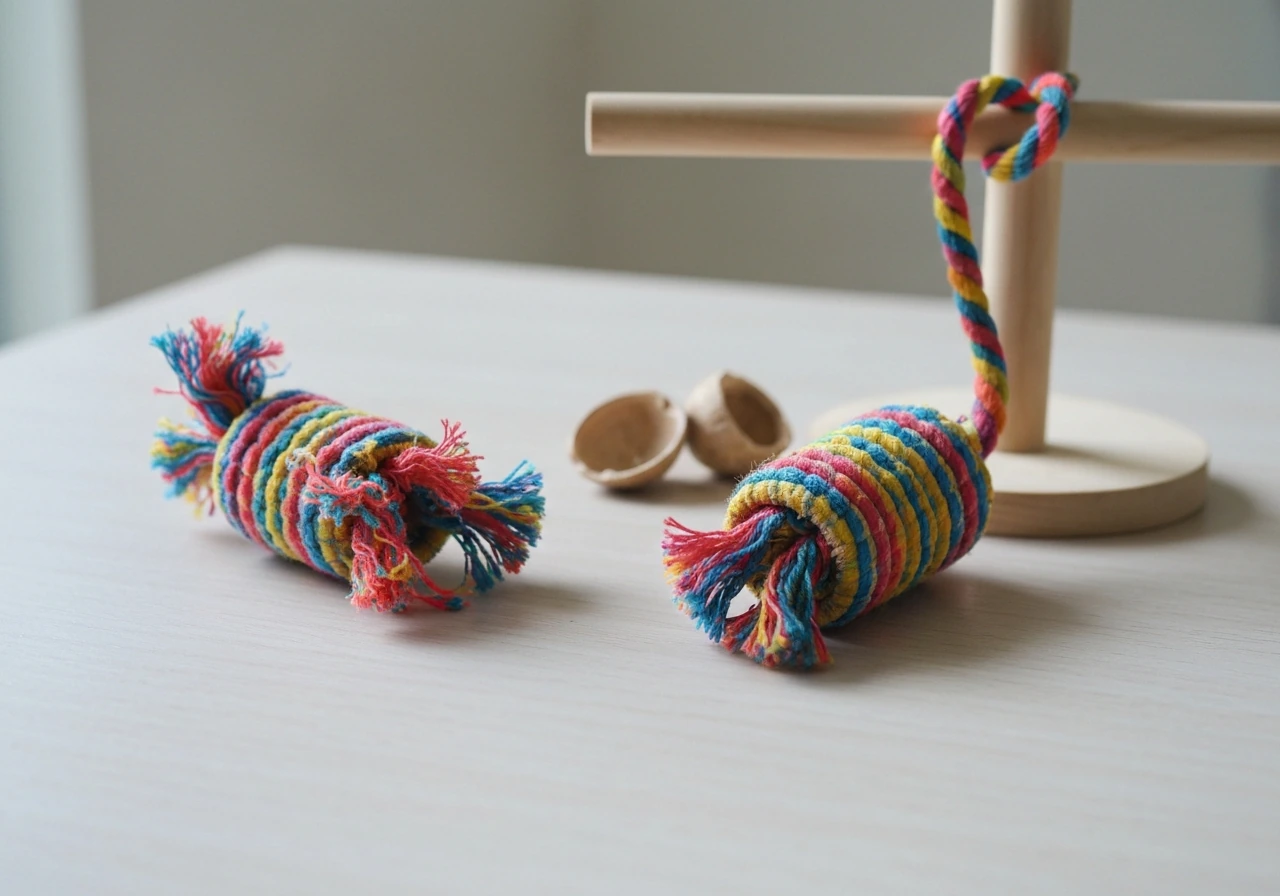
This is the part nobody tells you upfront. Toys are not a one-time purchase. A bird that's engaged and enriched will work through shreddable toys constantly, and that's actually a sign things are going well. Purdue University's caged bird husbandry guidance makes the point that toys should have 'planned obsolescence,' meaning you buy them expecting they will be destroyed. Purdue’s guidance on caged birds notes that toys should have “planned obsolescence” and should contain no parts that might be swallowed or harm the bird. Budget accordingly.
For a small bird like a parakeet or parrotlet, a conservative monthly spend on toy replacements is around $10 to $25 if you mix store-bought toys with a few DIY options like paper rolls or cardboard scraps. For a conure or cockatiel, a standard rotation plan runs $25 to $50 a month. For larger parrots with strong beaks, African Greys, Amazons, or cockatoos, you can easily spend $50 to $90 or more monthly. These aren't hypothetical numbers; they reflect what real owners actually spend on regular rotations. The good news is that understanding this from day one means you won't be blindsided by it.
Toy rotation also matters here. If you only have two or three toys in the cage permanently, the bird gets bored faster and destroys them more aggressively out of frustration. Rotating a library of six to eight toys, swapping two or three every week or two, stretches each toy's lifespan and keeps your bird mentally engaged. If you are wondering how many toys should a bird have, aim for a small rotation that keeps your bird engaged without leaving too few options in the cage. It's worth thinking about how many toys your bird should have in rotation at any given time, because that directly affects both enrichment and your monthly spend.
Where to buy bird toys and how to compare prices
You have three main options: major pet chains (Petco, PetSmart, Chewy), general retailers (Target, Tractor Supply, Amazon), and specialty bird stores or niche online shops. Each has tradeoffs.
- Chewy and Petco: Best for breadth of selection and auto-ship savings. Chewy's autoship discounts can cut 5–35% off recurring orders, which adds up fast on high-turnover shredders.
- PetSmart: Good for perches and swings; solid in-store selection for rope and swing-style accessories.
- Target and Tractor Supply: Useful for grab-and-go basics, but selection is limited and not always optimized for enrichment. Good for basics like rope ladders for small to medium birds.
- Specialty bird retailers (BirdTricks, Bonka Bird Toys, bird-focused Etsy sellers): Often better quality control on materials and more species-appropriate sizing. Prices are comparable to or only slightly higher than chains.
- Amazon: Wide selection and fast shipping, but quality control varies a lot by seller. Stick to brands you recognize or check reviews carefully for material safety.
When comparing prices, don't just look at sticker cost. Look at cost per week of use. A $13 shreddable kabob that lasts three weeks is better value than a $6 paper shredder that's gone in four days. For foraging toys, check whether the food-holding parts are accessible enough for your bird's size and intelligence level; a toy your bird ignores is $0 of value. For rope toys and swings, factor in that you'll be retiring them early on condition anyway, so durability claims matter less than material safety.
What actually makes a bird toy worth buying
Size and species fit
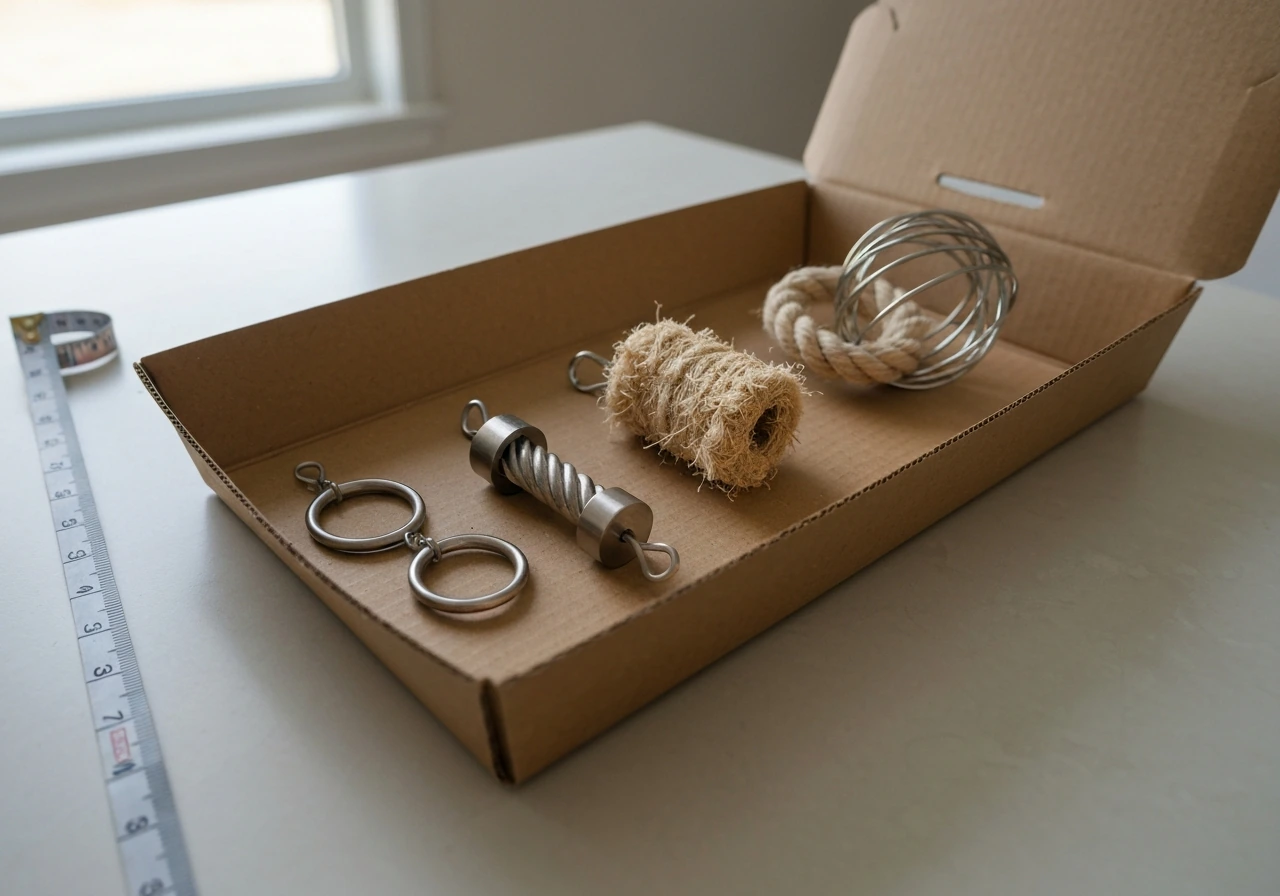
This is where most beginners waste money. A toy sized for a macaw is useless to a budgie, and a tiny foraging ball that a conure could swallow is a hazard. Most manufacturers size toys by bird category: small (parakeets, parrotlets, canaries), medium (cockatiels, conures, lovebirds), and large (African Greys, Amazons, cockatoos, macaws). Match the toy to your bird's size before anything else.
Safe materials
Birds chew on everything, so material safety isn't optional. Stainless steel hardware is the gold standard for metal parts because it doesn't rust and doesn't leach toxic metals. Avoid anything with zinc, lead, tin, or nickel components, as these cause heavy metal poisoning in birds. For rope toys, 100% cotton or sisal are the safer choices. Vegetable-tanned leather is fine; chrome-tanned or painted leather is not. Avoid toys with jingle-style cowbells or any bell made from an unspecified metal. If the product listing doesn't tell you what the bell is made from, that's a red flag.
For rope specifically: supervision matters. Once a rope toy starts to unravel, the loose strands can wrap around toes and cause serious injury. VCA Animal Hospitals and multiple avian veterinarians are consistent on this point: frayed rope comes out of the cage immediately. Don't try to get a few more days out of it. The same applies to rope perches.
Attachment and cage compatibility
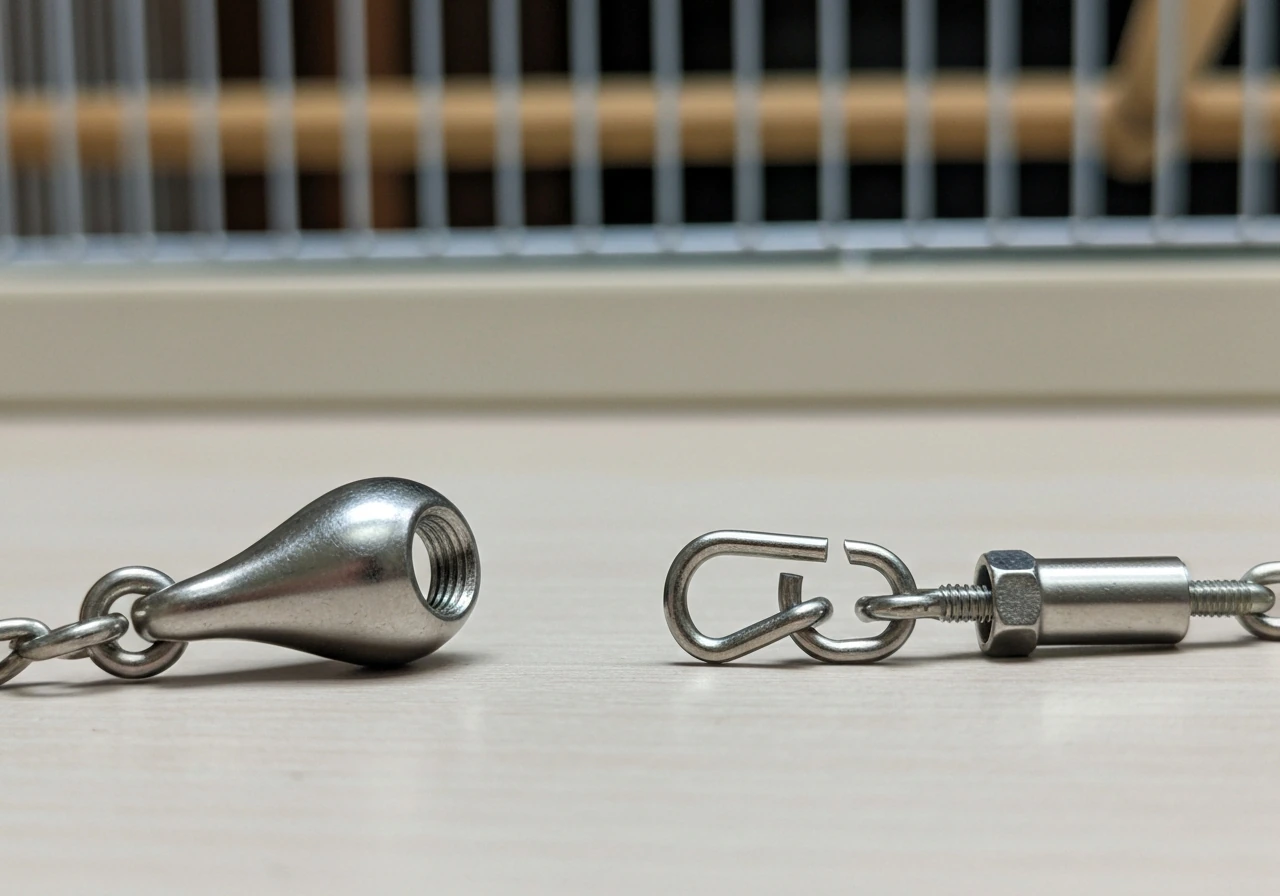
Check how the toy mounts before you buy it. Most toys use a quick-link or pear-shaped link at the top, and these need to be stainless steel. Some toys use cheap C-clips that birds can open or that rust quickly. If a toy's only mounting option is a flimsy twist tie or a plastic clip that doesn't fit your cage bar spacing, it's not going to work safely regardless of the toy itself. Check your cage bar spacing and the toy's hardware before ordering online.
Cleaning and hygiene
Toys that can't be cleaned become hazards fast. Foraging toys with food residue, soiled rope, or toys with porous materials that trap droppings should either be dishwasher-safe, easy to wipe down, or treated as disposables. If you want to clean bird toys more thoroughly, you might wonder whether you can put bird toys in the dryer and what to consider for safe drying can you put bird dogs in the dryer. Monitor and remove toys when soiled or frayed, not on a fixed schedule but as needed. If you're ever uncertain whether a toy is still safe, discard it. The Association of Avian Veterinarians' guidance is blunt on this: when in doubt, throw it out.
Your starter toy budget as a first-time bird owner
For a first setup, aim to buy four to six toys across at least three categories: one or two shredders or chew toys, one foraging toy, and one swing or rope perch. This gives your bird movement options, a problem-solving outlet, and a destructive chewing outlet, which are the three core enrichment needs. Budget $35 to $60 for this initial set. That's a realistic number using mid-range products from Chewy or Petco.
Don't buy all the same type. I made that mistake with my first bird: bought five different shreddable toys because they looked fun, and had nothing left for the bird to do mentally once the shredding was done. Variety from day one matters more than quantity.
After the first month, reassess. Which toys did your bird engage with? Which sat untouched? Birds have personalities, and some will ignore foraging puzzles while others are obsessed. Spend your replacement budget on what's actually working, not on restocking everything equally.
| Budget Level | Monthly Spend | What's Included |
|---|---|---|
| Conservative (small bird + DIY) | $10–$25 | A few store-bought shredders, DIY paper/cardboard toys, one foraging toy |
| Standard (small-medium bird, regular rotation) | $25–$50 | Regular shredder replacements, one or two foraging toys, occasional swing/rope swap |
| Advanced (larger bird or heavy chewer) | $50–$90+ | Larger toy library, frequent shredder/forager replacement, varied enrichment categories |
Beginner mistakes that quietly drive up toy costs
Overspending on novelty is the biggest one. Brightly colored, elaborate-looking toys are designed to appeal to you, not your bird. A $35 acrylic puzzle tower that your bird refuses to touch is a complete waste. Start with lower-cost toys to learn your bird's preferences before investing in anything expensive.
- Buying the wrong size: A toy sized for a large parrot won't engage a small bird and may be unsafe. Always check the manufacturer's bird-size recommendation.
- Not rotating toys: Leaving the same toys in the cage permanently leads to faster destruction and boredom. Rotate two or three toys every one to two weeks from a small library.
- Ignoring rope condition: Keeping frayed rope toys in the cage to 'get more use out of them' is a safety risk, not a savings. Replace on condition, not on schedule.
- Buying toys that can't mount safely: Toys with cheap C-clips, incompatible attachment hardware, or plastic mounts that don't fit your cage bars end up unused or unsafe.
- Skipping DIY entirely: Cardboard rolls, plain paper, wooden skewers with food strung on them, and brown paper bags stuffed with treats are free or nearly free, and many birds love them as much as store-bought options.
- Restocking everything at once: When toys wear out, replace them one or two at a time rather than doing a full cage refresh. It keeps novelty in the rotation and spreads out the cost.
- Assuming 'bird-safe' labeling is enough: Not everything sold as a bird toy is actually safe. Check materials yourself, especially for metal components and rope type.
Your next steps after reading this
Start with four to six toys across three types, spend $35 to $60, and treat shredders as consumables from day one. If you are also looking beyond birds, check out the best toys for bird dogs to match their chewing and retrieval instincts. Set a monthly toy budget before you need it, not after you've already burned through your first set unexpectedly.
For most small to medium birds, $20 to $35 a month is a realistic target once you've established what your bird actually likes. If you're making some DIY toys too, you can cut that further. If you want to stretch your budget further, look for ways to make your own bird toys coupon code deals work with your next shopping trip DIY toys.
Track which toys get used and which don't after the first few weeks, then redirect your spending toward what's working. The question of how many toys to keep in the cage at once, and how to rotate them effectively, is worth thinking through carefully as a next step once your starter set is in place.
If you want a quick, structured starter approach, review the best bird dog puppy toys so you can compare how owners prioritize durable, engaging options for young animals next step once your starter set is in place. For example, the best bird dog puppy toys often combine safe materials with strong construction so they stay interesting longer.
FAQ
How much are bird toys per month if my bird rarely destroys them?
If your bird spends more time working food out than shredding the toy body, many owners can stay closer to the low end, around $10 to $25 per month. The key is still replacement timing, so watch for worn housings, frayed rope, and toys that get ignored, then swap only the problem items rather than restocking the whole rotation.
Are expensive toys actually worth it, or should I buy cheap ones?
For most small to medium birds, you often do not need to pay above about $20 per toy to get usable enrichment. The better strategy is to buy durability where it matters (stainless hardware, safe materials) and treat high-turnover types like shredders as consumables, since function, safety, and replacement rate beat the sticker price.
Do I really need to keep buying new toys, or can I reuse the same ones longer?
You can reuse many toys longer by rotating them and cleaning or re-assembling what is still safe. However, you should retire items based on condition, not a calendar date, especially rope and any toy with loosening strands, rusted mounting hardware, or persistent food residue you cannot remove.
What is a realistic budget for a second cage setup or adding toys later?
If you already have a baseline rotation, a later expansion is usually cheaper than your first buy. A common approach is adding 2 to 3 items across new or complementary categories (for example, one additional foraging option plus another perch) and budgeting roughly $25 to $60 depending on type and size.
How many toys should I buy at once so I do not waste money?
A practical target is four to six toys that cover at least three categories. If you buy only two or three, boredom can lead to faster destruction. If you buy too many upfront, some will sit unused, so it helps to start small and let the first few weeks tell you which types your bird actually values.
Can I use toys that are marketed for other animals, like dog chew toys or craft items?
Sometimes, but you must match material and size, and dog/craft items are not automatically bird-safe. Before purchasing, verify the toy uses bird-appropriate hardware (stainless where metal is present), avoids unsafe metals, and is the right size so pieces cannot be swallowed. When in doubt, choose bird-specific designs.
How do I avoid buying a toy my bird will ignore?
Avoid overpaying for novelty and instead start with lower-cost options in each category, then adjust. If you are considering a foraging toy, check that the food access matches your bird’s size and skill level, if the bird cannot reach it comfortably, it will be ignored. After a few weeks, shift spending to the categories that get consistent engagement.
What should I check on toy listings before ordering online?
Confirm the bird size category and, more importantly, the mounting hardware (stainless quick-links or proper links) and whether bells or metal parts specify their material. Also check cage bar spacing compatibility, since a toy that cannot attach securely is not just inconvenient, it can be unsafe.
How often should I replace rope toys and rope perches?
Do not rely on time. Replace immediately once rope starts unraveling, fraying, or loosening, because loose strands can wrap around toes. If you notice early wear, remove it right away rather than trying to extend its use for a few extra days.
Can bird toys go in the dishwasher or dryer?
Cleaning is type-dependent. Many owners can safely wipe toys regularly, and some foraging items may be dishwasher-safe, but drying involves extra caution based on material and any attached hardware. If a toy includes porous materials, adhesive components, or unclear parts, assume it should not go through heat and monitor it closely for warping or lingering residue.
Is there a way to reduce cost without reducing enrichment?
Yes, combine safe DIY ideas with store-bought items, while keeping the same category mix. Many people also reduce waste by tracking which toys get used and which remain untouched after the first few weeks, then redirect the monthly budget toward the proven favorites instead of buying equal quantities of everything.
What is the safest way to handle a toy that is hard to clean or smells after use?
If residue from food or droppings remains, or the toy includes porous material that traps grime, treat it as a disposable item. Your safest decision is not to “try to salvage it” repeatedly, especially if you are unsure whether it has become unhygienic. When in doubt, remove and replace it.
Next Articles
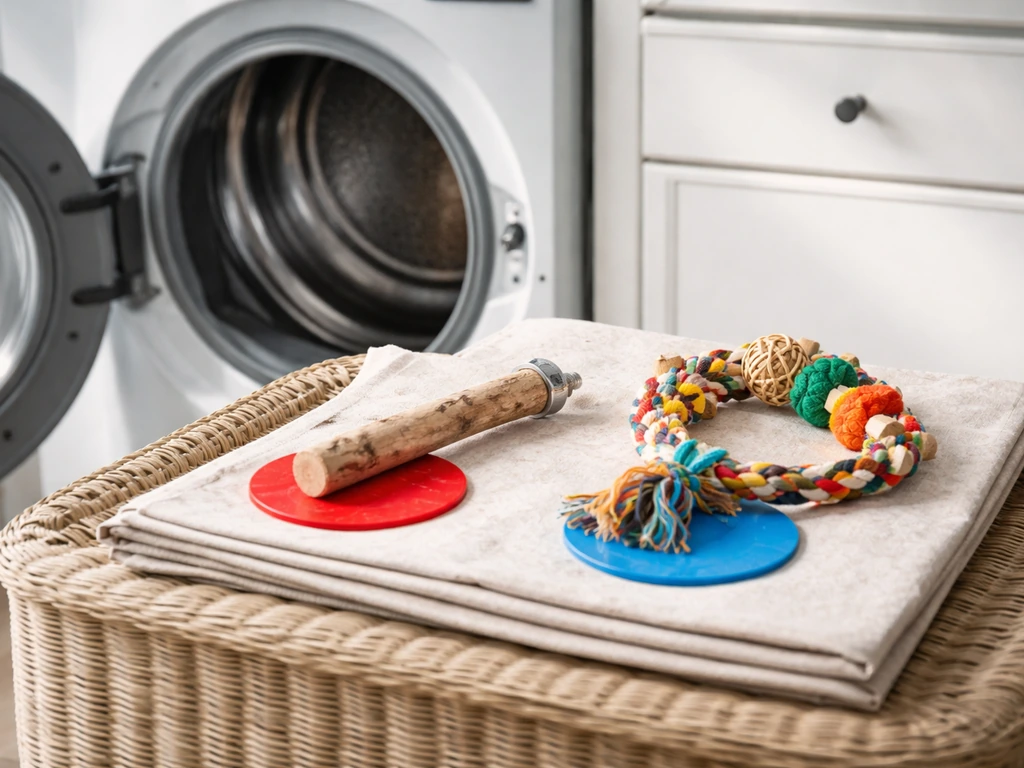
Can You Put Bird Dogs in the Dryer? Safe Options
Can you put bird dogs in the dryer? Learn when it’s safe, when to avoid heat, and best cleaning steps for bird items.
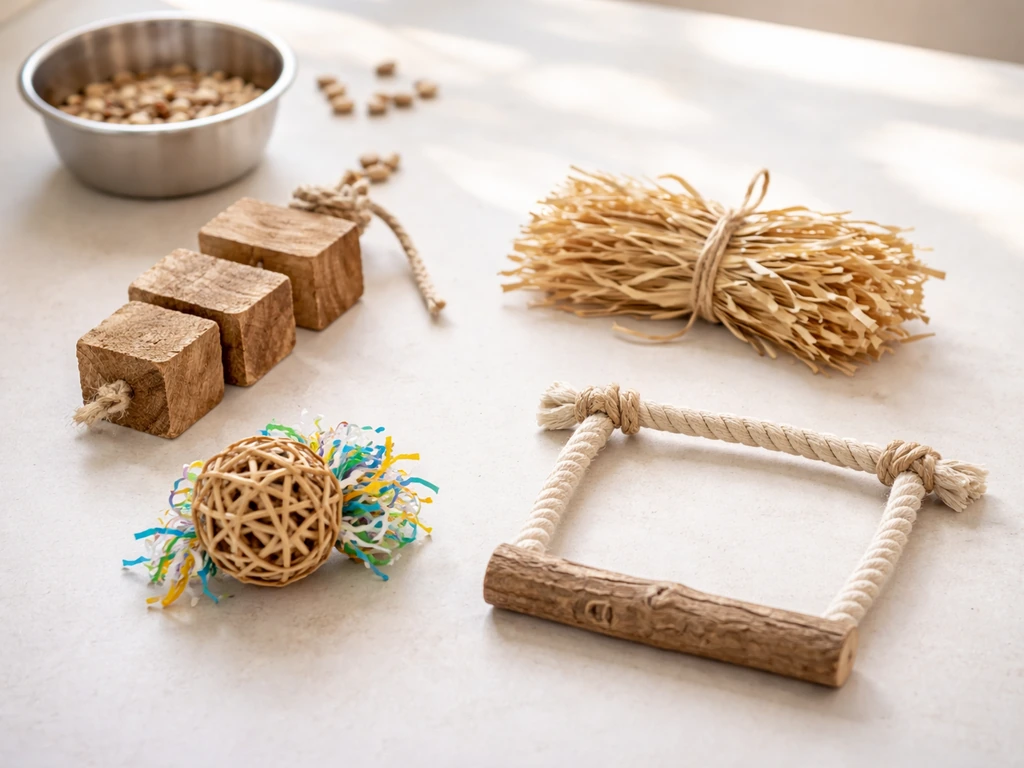
Best Bird Dog Puppy Toys vs Bird Toys: Safe Picks
Safe toy picks for pet birds: choose chew, shred, foraging and swing toys by species, size and safety checks
Best Toys for Bird Dogs: A Practical Buying Guide
Best toys for bird dogs: choose retrieving, tug, chew, puzzle and scent toys by age and drive with safety tips