If you're searching "what to give bird ds3" right now, the safest immediate move is to offer your bird fresh, clean water and their normal staple food (pellets if you have them, a small amount of seed if you don't), then figure out what "ds3" actually means for your specific situation. The term doesn't correspond to any standard avian veterinary code, feeding protocol, or official bird-care product, so it's likely a species abbreviation, a misread product label, or an unrelated supplement code. Here's how to sort that out fast and make sure your bird is actually getting what it needs.
What to Give Bird DS3: Safe Feeding Guide Today
Marcus Chen
7 Jun 2026
What "Bird DS3" Actually Means (and Why It Matters)
"DS3" doesn't exist as a recognized avian veterinary term, bird health condition, or standard feeding code. Online, "DS3" appears in two places: birding data systems use letter-number codes as species identification shorthand for taxonomy databases, and separately, "DS3" shows up as a branding label on a human calorie-blocking supplement called KILLCALORY. Neither of those has anything to do with what you should feed your pet bird.
So what might you actually be looking for? The most likely scenarios are: you saw "DS3" on a product label or packaging near bird supplies and want to know if it's safe, you encountered it in a birding app or code list and are trying to identify a species, or you're translating something from another language or context where "DS3" is a shorthand for a species name. In any of these cases, don't give your bird anything labeled DS3 intended for humans, and don't assume it refers to a vetted avian supplement. When in doubt, your bird's species name and a call to an avian vet is always the right starting point.
What to Give Your Bird Right Now
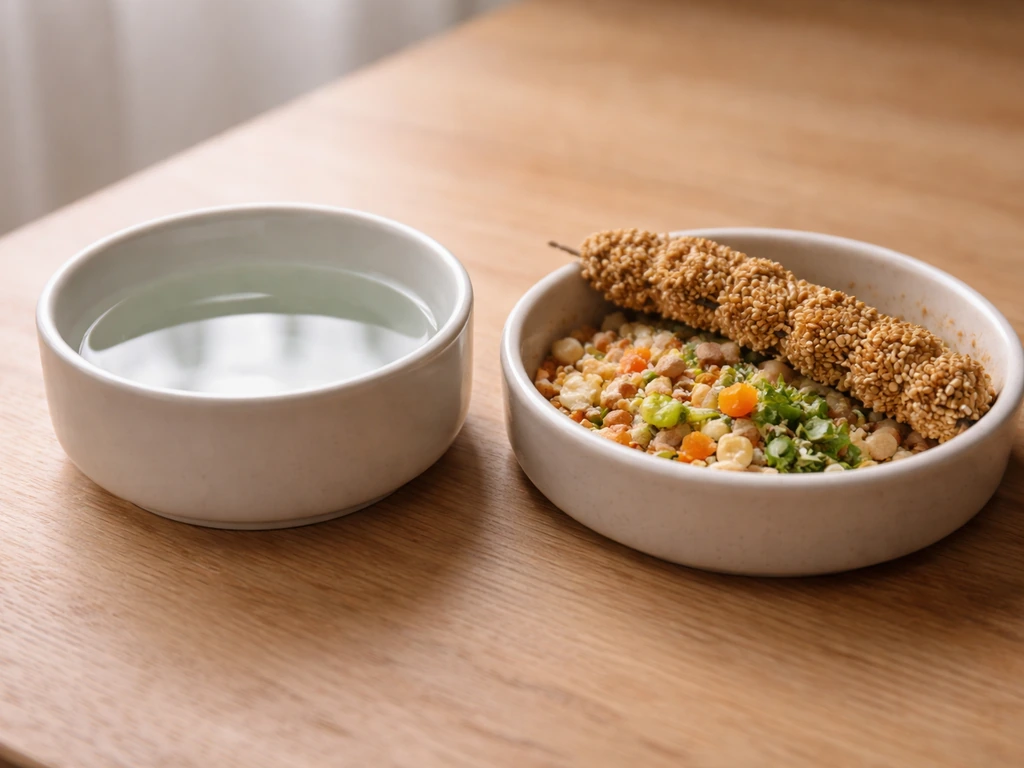
While you figure out the specifics, these are the safe defaults you can act on immediately for almost any pet bird.
- Fresh, clean water: Change it daily at minimum. Stale or contaminated water is one of the most overlooked health risks. Use a clean bowl or bottle, not one that's been sitting for days.
- High-quality pellets as the staple: If you have them, offer pellets as the main food. They're nutritionally complete in a way seeds simply aren't.
- A small amount of seed if pellets aren't available: Seeds are not ideal as a staple, but a small handful won't cause harm short-term while you sort out the right diet.
- A small piece of dark leafy vegetable: Romaine, kale, or spinach are safe for most pet bird species and add real nutritional value immediately.
- Nothing from your kitchen that you're not sure about: Avocado, chocolate, onion, garlic, and any cooked fatty foods are off the table entirely.
That's the "give this now" answer. Everything below helps you build a sustainable routine around it.
Feeding Mistakes That New Bird Owners Make All the Time
The biggest one, and I say this because it's genuinely the most common: treating seeds like a complete diet. Seeds are high in fat, low in vitamins A and calcium, and completely deficient in essential amino acids. An all-seed diet for a parrot, cockatiel, or parakeet is a slow-motion health problem. Birds on seed-only diets frequently develop vitamin A deficiency, fatty liver disease, obesity, and cardiac problems over time. The University of Florida Small Animal Hospital specifically calls out strokes and heart problems from seed-heavy diets. Seeds should be 10% of the diet at most, used as treats or training rewards.
Here are the other mistakes worth knowing before you go any further:
- Feeding chocolate or avocado: Both are genuinely toxic to birds. Chocolate contains theobromine and caffeine, which can cause neurological and cardiac effects leading to death. Avocado toxicosis affects the heart and respiratory system, and the leaves are even more dangerous than the fruit itself.
- Using wild-bird seed mixes for pet parrots: These mixes are often treated with pesticides, can carry mold, and are formulated for outdoor birds, not companion species. Stick to mixes specifically sold for your bird type.
- Giving moldy or damp seed: Mold in seed is toxic. Any seed that smells off, clumps together, or looks discolored should be thrown out and the bowl cleaned before refilling.
- Overdoing supplements without guidance: More is not better with vitamins. Overdosing fat-soluble vitamins (like A and D) causes toxicity. If your bird is on a balanced pellet diet, you usually don't need supplements at all.
- Inconsistent portions and meal times: Irregular feeding leads to anxiety, overeating, and behavioral problems. Birds do much better on a predictable daily schedule.
- No calcium source for egg-laying females: Calcium deficiency is a major contributing factor in egg binding, a serious and potentially life-threatening condition. Cuttlebone or a mineral block should always be available for female birds.
Choosing the Right Diet for Your Bird Type
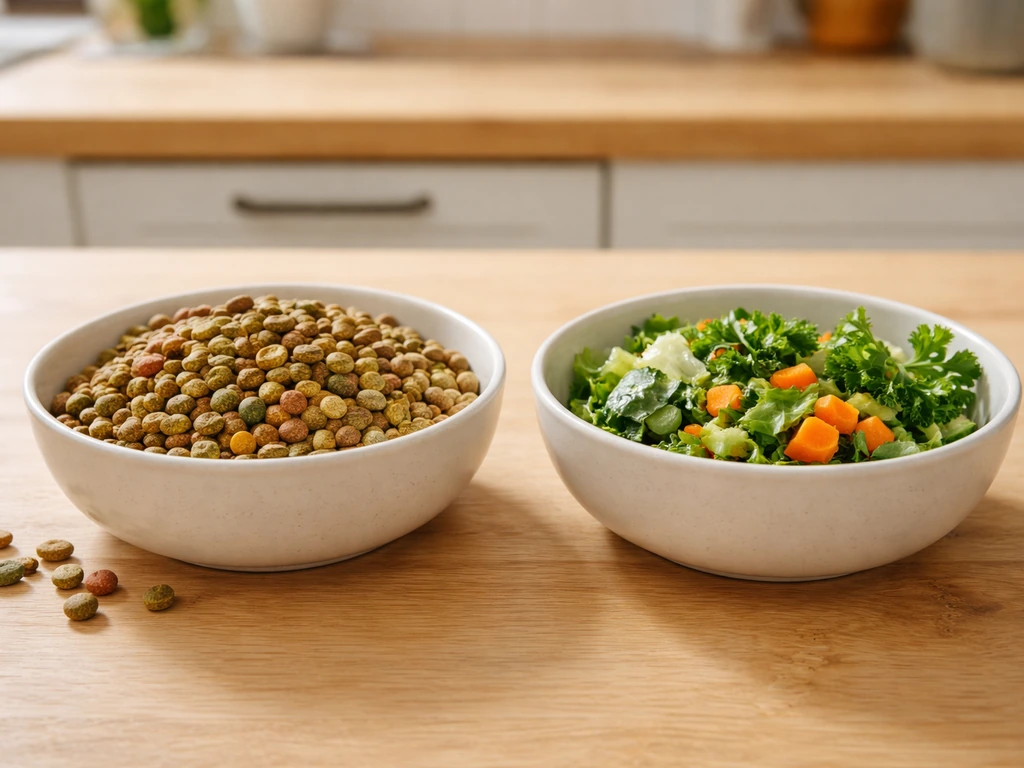
Diet needs vary significantly by species. What works for a macaw is not what a canary needs. Here's a practical breakdown.
| Bird Type | Diet Foundation | Fresh Foods | Seeds/Treats | Special Notes |
|---|---|---|---|---|
| Parrots (medium to large) | High-quality extruded pellets (60-70% of diet) | Vegetables and some fruit: 20-30% of diet | Seeds as occasional treats only (10% max) | Avoid high-fat seeds like sunflower as staples; watch for vitamin A deficiency |
| Cockatiels and Parakeets | Pellets as primary base (60% of diet) | Vegetables and fruit: up to 30% of diet | Seeds and treats: no more than 10% of total diet | Cockatiels especially prone to seed addiction; convert gradually |
| Canaries and Finches (Passerines) | Seed mix formulated for finches/canaries plus extruded pellet mash | Small amounts of leafy greens, egg food during breeding season | Limited; these birds are seed-eaters by nature but still benefit from pellets | Breeder-grade egg food and soaked seed are appropriate additions seasonally |
| Lovebirds and Conures | Pellets as primary, seeds as supplement only | Leafy greens, carrots, bell peppers, limited fruit | Seeds: 10% or less of diet | High activity birds; fresh food variety is especially important for enrichment |
If you're currently feeding mostly seed and want to move to pellets, do it gradually. Merck's recommended approach is to start with a mix that's about 20% pellets and 80% seed for roughly two weeks, then slowly shift the ratio over several more weeks. You can also sprinkle a thin layer of pellets over the seed bowl so the bird encounters them while eating the familiar food. Don't rush it, and don't start a diet switch if your bird is already sick or under veterinary care.
A Daily Feeding Routine You Can Start Today
Consistency is the most underrated part of bird nutrition. Here's a simple daily structure that works for most companion bird species.
- Morning (first thing): Refresh the water bowl with fresh clean water. Remove any uneaten fresh food from the previous day before it spoils.
- Morning feeding: Offer the main meal. For pellet-fed birds, refill the pellet dish to the appropriate level for your bird's size. For birds in transition, offer the current seed/pellet mix ratio.
- Fresh food offering: Add a small serving of vegetables. For a cockatiel or parakeet, this is about a teaspoon of chopped leafy greens, carrot, or bell pepper. For larger parrots, a tablespoon or two. Keep fresh food to 30% of the total daily intake.
- Midday check: If you're home, check that water is still clean and fresh food hasn't been sitting for more than a few hours, especially in warm weather. Remove anything that looks wilted or wet.
- Afternoon treat or foraging activity: A small amount of seed, a single nut, or a foraging toy stuffed with food counts here. Keep treats at 10% of the day's total intake. This is also a good time to offer enrichment (see the section on enrichment below).
- Evening: Remove all fresh food that's been out since morning. Refresh the water if needed. Leave the dry staple food (pellets) accessible overnight.
- Weekly: Wash all food and water bowls with hot soapy water. Clean the cage floor and any food-contact surfaces. Check stored seed for any signs of moisture or mold and discard any that smells off.
When Feeding Changes Aren't Enough: Call an Avian Vet
Adjusting your bird's diet is worthwhile and important, but it won't fix every problem. Some situations require an avian veterinarian, and waiting to see if a better diet helps can make things significantly worse. Birds hide illness instinctively (it's a survival mechanism), so by the time symptoms are obvious, the bird is often already in serious trouble.
- Refusal to eat for more than 24 hours: This is an emergency in a small bird. A bird that won't eat needs veterinary evaluation, not a diet switch.
- Visible weight loss or a keel bone that feels sharp: A healthy bird has some muscle on either side of the breastbone. If the bone is protruding sharply, the bird is underweight.
- Diarrhea or droppings that are consistently watery, discolored, or have a strong odor: Some variation in droppings is normal, but persistent changes are a sign of a health problem.
- Lethargy, fluffed feathers, or a bird sitting on the bottom of the cage: These are classic illness signs. Do not wait.
- Regurgitation that isn't associated with normal bonding behavior: Regurgitating at a mirror or a favorite person is normal; constant or uncontrolled regurgitation is not.
- Suspected egg binding (a female bird straining, sitting puffed on the cage floor, or not passing an egg): This is a life-threatening emergency requiring immediate veterinary care.
- Any suspected exposure to a toxic food or household substance: Avocado, chocolate, PTFE/Teflon fumes from overheated nonstick pans, aerosol sprays, or heavy metals. Call a vet immediately.
If your bird is sick, supportive care while you get to a vet includes keeping the bird warm (around 85-90°F for an ill small bird), minimizing handling and stress, ensuring water is accessible, and keeping the environment quiet. Do not attempt to force-feed or significantly alter the diet while the bird is unwell.
Safety Considerations That Directly Affect Your Bird's Health
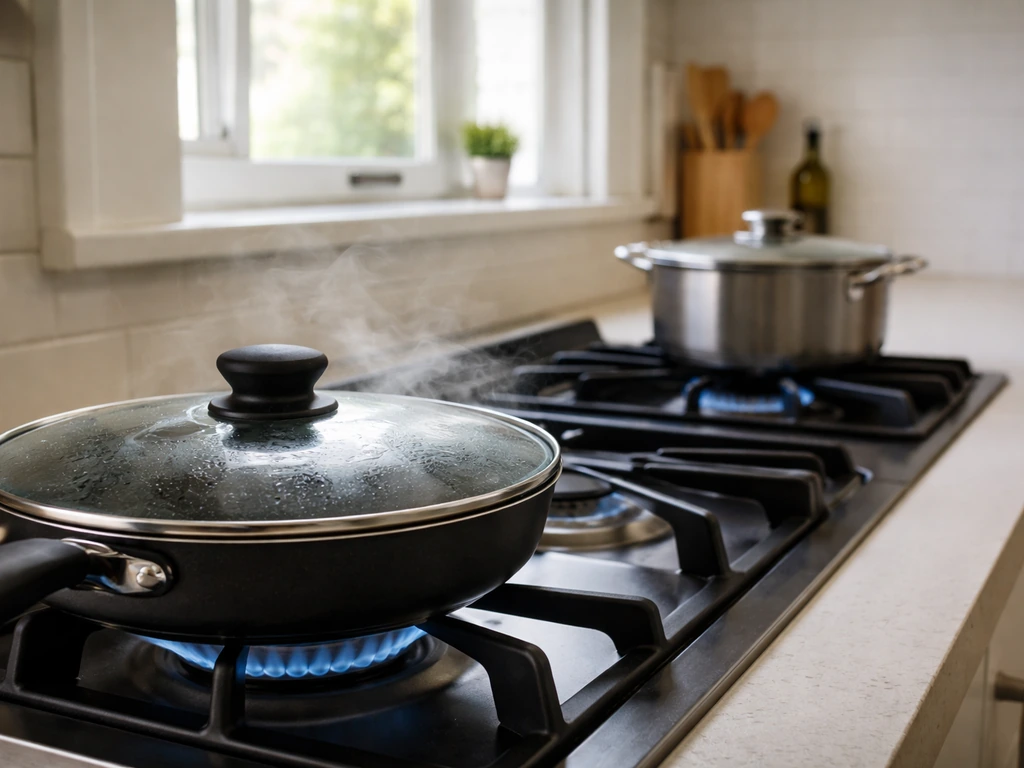
Air Quality Is a Bigger Deal Than Most People Realize
Birds have some of the most sensitive respiratory systems of any animal kept as pets. Overheated nonstick cookware (PTFE/Teflon and similar fluoropolymer coatings) releases fumes that can kill a bird in minutes. This isn't an exaggeration. Aerosol sprays, scented candles, essential oil diffusers, air fresheners, and tobacco smoke are all genuine hazards. The kitchen is one of the most dangerous rooms in the house for a pet bird. If you cook with nonstick pans, your bird should not be in or near the kitchen, and the space should be well-ventilated before the bird is anywhere nearby.
Cage Hygiene and Food Contamination
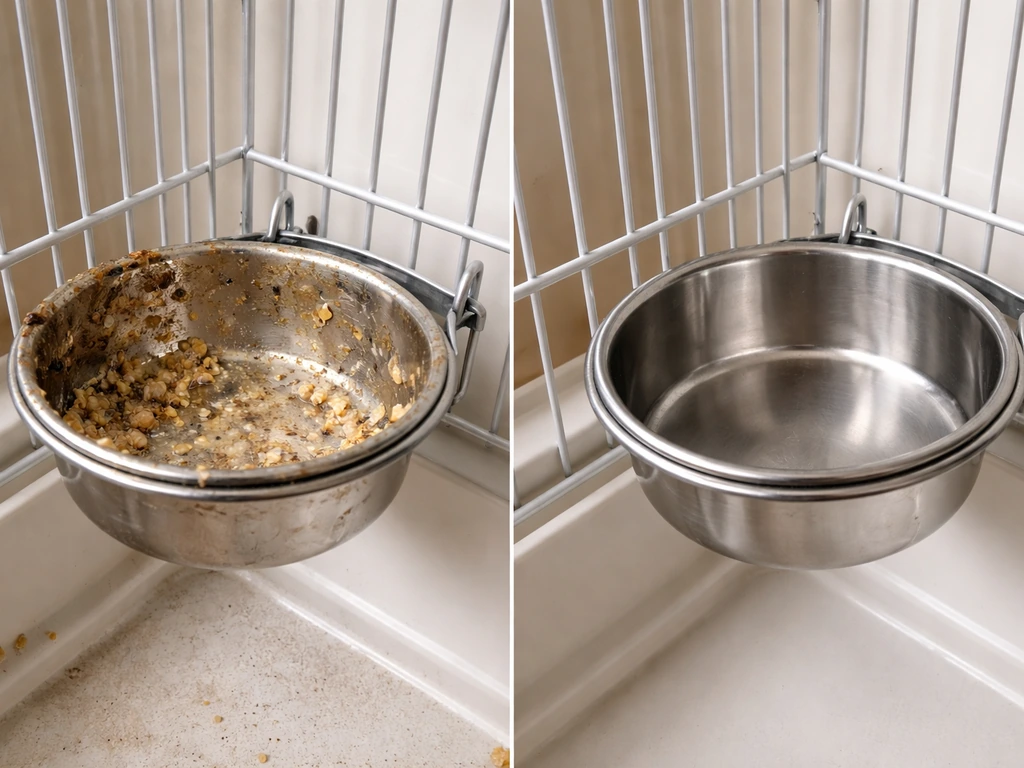
Leftover food sitting in a warm cage grows bacteria and mold quickly. This matters especially for fresh foods, which should never sit out for more than a couple of hours in warm weather. Seed can also go moldy, particularly if the bowl gets wet from a nearby water dish. Wild-bird seed mixes are a specific risk for companion parrots because they're often treated with pesticides and have less rigorous quality control than pet-grade mixes. Always buy seed mixes that are specifically formulated and labeled for your bird's species, stored in a dry place, and replaced before the expiration date. Clean food and water dishes daily, not weekly.
Household Toxins Beyond the Kitchen
Birds can also be exposed to heavy metals through chewing on cage accessories, costume jewelry, curtain weights, old mirror backings, or leaded paint on older toys. If your bird chews on cage bars, decorations, or anything metallic, it's worth auditing what's in and around the cage. Check that any toys and cage components are labeled bird-safe and ideally stainless steel or food-grade materials. This isn't paranoia; metal toxicosis is genuinely one of the more common causes of serious illness in pet birds.
Enrichment Makes Diet Changes Easier
Birds are curious foragers by nature, and the way you present food matters almost as much as what food you offer. A bird that's bored and under-stimulated is more likely to fixate on the one food it already knows (usually seed) and refuse everything else. Foraging toys, food hidden in paper cups, vegetables skewered on a stainless steel skewer, or pellets tucked into a shreddable toy all make new foods more interesting by engaging the bird's natural behavior.
Introducing variety in presentation is one of the most effective ways to get a seed-addicted bird interested in fresh vegetables. Try offering the same carrot cooked, raw, grated, and in chunks on different days. What gets ignored one way often gets devoured another. The same logic applies to pellets: some birds accept crumbled pellets better than whole ones, and some prefer them slightly moistened. Think of enrichment and diet as two parts of the same system: a mentally engaged bird eats a more varied diet, and a more varied diet supports a healthier, more engaged bird. The number and type of toys in the cage play directly into this, which is worth exploring as you build out your bird's daily environment. If you're trying to figure out how many toys a bird should have, focus on variety and safe foraging opportunities rather than overloading the cage how many toys should a bird have. If you want to know how much are bird toys, start by budgeting for safe, durable options that match your bird's chewing style.
The bottom line here is straightforward: give your bird clean water and a pellet-based diet as the foundation, keep seeds as a minor treat, add fresh vegetables daily, keep the kitchen and aerosols away from your bird, and watch for any sign that your bird isn't eating or isn't well. If you are also shopping for stimulation items, choose the best bird dog puppy toys that are safe for your dog to play with and easy to clean. For bird enrichment, you can also look into the best toys for bird dogs, which can help keep training and play fun while supporting healthy habits. That covers 90% of what "what to give bird" actually means in practice, regardless of what ds3 turns out to refer to in your specific situation. If you want to save on supplies too, look for a make your own bird toys coupon code before you buy materials for enrichment toys what to give bird. Instead of drying anything in the dryer, focus on thoroughly cleaning and air-drying your bird's food and water dishes to avoid heat and chemical exposure.
FAQ
What does “DS3” mean if it’s written on a bird product or bag next to bird food?
Treat it as unverified until you identify the exact brand, ingredient list, and intended species. If DS3 is a human supplement label or a calorie blocker, do not feed it. Instead, match it to the bird food’s ingredient panel or packaging instructions, and if you cannot confirm it is formulated for your bird species, pause and contact an avian vet or the manufacturer for clarification.
If I can’t figure out what DS3 refers to, what should I feed my bird today?
Use the safe baseline: fresh, clean water plus your bird’s usual staple food (pellets if you already have them, otherwise a small amount of species-appropriate seed). Avoid introducing anything new labeled DS3, including powders, supplements, or “mix-ins,” until you confirm what it is for and whether it is bird-safe.
Can I give my bird “human” vitamins or supplements I find online if DS3 is a supplement code?
No. Human supplements often contain doses and ingredients that are unsafe for birds, including vitamin forms that can build up in the body. If you suspect a deficiency, ask an avian vet for a targeted recommendation based on species and your bird’s diet history, then use only avian-labeled products.
How long should it take to switch my seed-only bird to pellets?
Plan for multiple weeks. A common approach is about 20% pellets and 80% seed at first for roughly two weeks, then gradually increase pellets. If your bird is under veterinary care, ill, or refusing to eat, do not force a switch, instead coordinate the plan with an avian vet.
What if my bird refuses pellets or won’t touch vegetables even after I change the presentation?
Increase the variety and timing before escalating. Try pellets crumbled versus whole, slightly moistened, or offered alongside a familiar food in small amounts. For vegetables, offer the same item in different forms (raw, grated, cooked, chunks) on different days, and keep portions small so your bird stays interested without getting overwhelmed.
How much seed is actually safe, and does it differ by species?
In general, seeds should be treated as a minor portion, about 10% of the overall diet or less. Species vary in nutritional needs, so if your bird’s natural diet differs (for example, budgies versus many parrots), confirm a species-specific pellet and treat ratio with an avian vet.
Is it safe to leave food in the cage all day if I’m busy?
Not for fresh foods. Fresh items should not sit out more than a couple of hours in warm conditions, and seed can also spoil if it gets wet. For food safety, remove uneaten fresh food promptly and clean bowls daily, especially water dishes that can contaminate seed.
My bird’s bowl gets wet when it’s near the water dish. Is that a problem?
Yes, wet seed can grow mold and bacteria faster. Reposition food and water so the seed bowl is not splashed, and check daily for dampness or clumping before serving more.
What temperature is safest for an ill bird during supportive care?
Supportive warming is often used, but keep it controlled and avoid overheating. For small, ill birds, a common target is around 85 to 90°F, and you should minimize handling and stress while arranging an avian vet visit promptly.
Can I use nonstick pans if I keep windows open and the bird is in another room?
Avoid it if you can. PTFE/Teflon overheating can release lethal fumes, and even ventilation may not protect the bird in time. The safest option is to keep the bird away from the kitchen entirely if you cook with nonstick or use any aerosol products.
If my bird chews metal parts, how quickly could it become a problem?
Metal toxicosis risk depends on the material, dose, and how long chewing continues, but it is not something to watch casually. If you find chewing on cage bars or accessories that are not clearly bird-safe (or not stainless/food-grade), stop exposure immediately and ask an avian vet whether testing is needed.
Do I need foraging toys for diet changes, or can I just change food?
Foraging helps, especially for seed-focused birds, because mental engagement reduces food monotony and refusal. Focus on safe foraging opportunities rather than adding random toys, and use items that let your bird access pellets or vegetables in small, interesting ways.
What signs mean my bird isn’t eating enough or is declining, and I should seek a vet?
Any drop in food intake, reduced activity, fluffed posture, abnormal droppings, open-mouth breathing, or rapid weight loss are reasons to contact an avian vet. Birds hide illness, so waiting to see if diet changes “fix it” can make problems significantly worse.
Next Articles
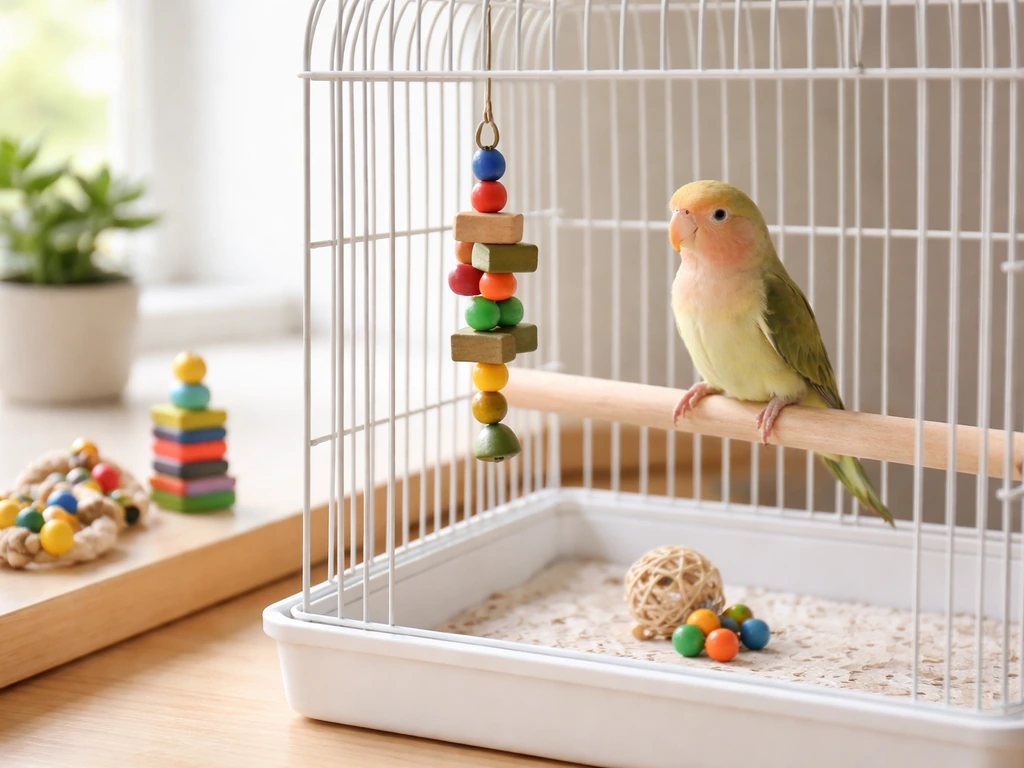
How Many Toys Should a Bird Have Beginner Guide
Learn how many bird toys to start with, what types matter most, and safe rotation tips to prevent boredom.
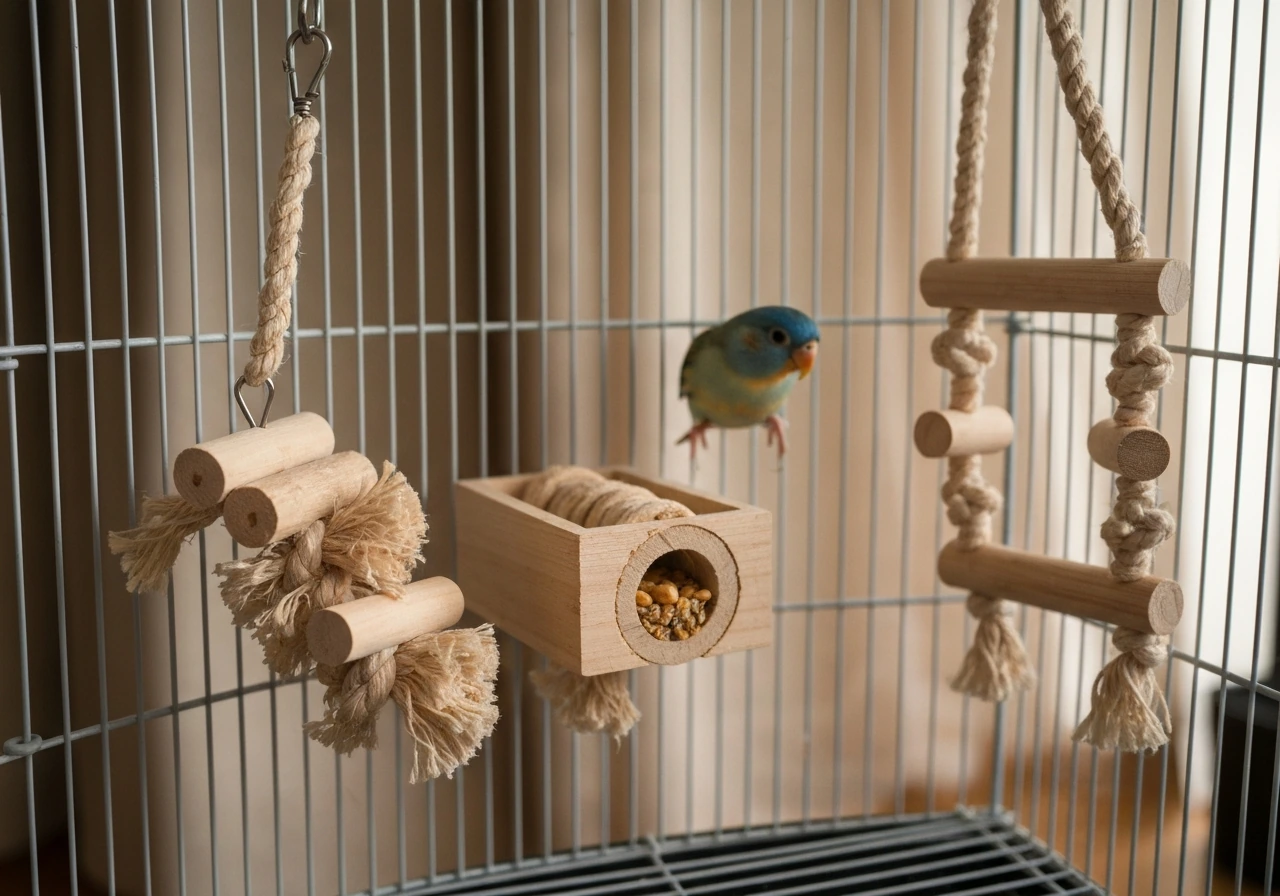
How Much Are Bird Toys? Costs by Type, Budget, and Value
Pricing for bird toys by type, budget ranges, monthly replacement costs, and how to choose safe, worth-it enrichment.
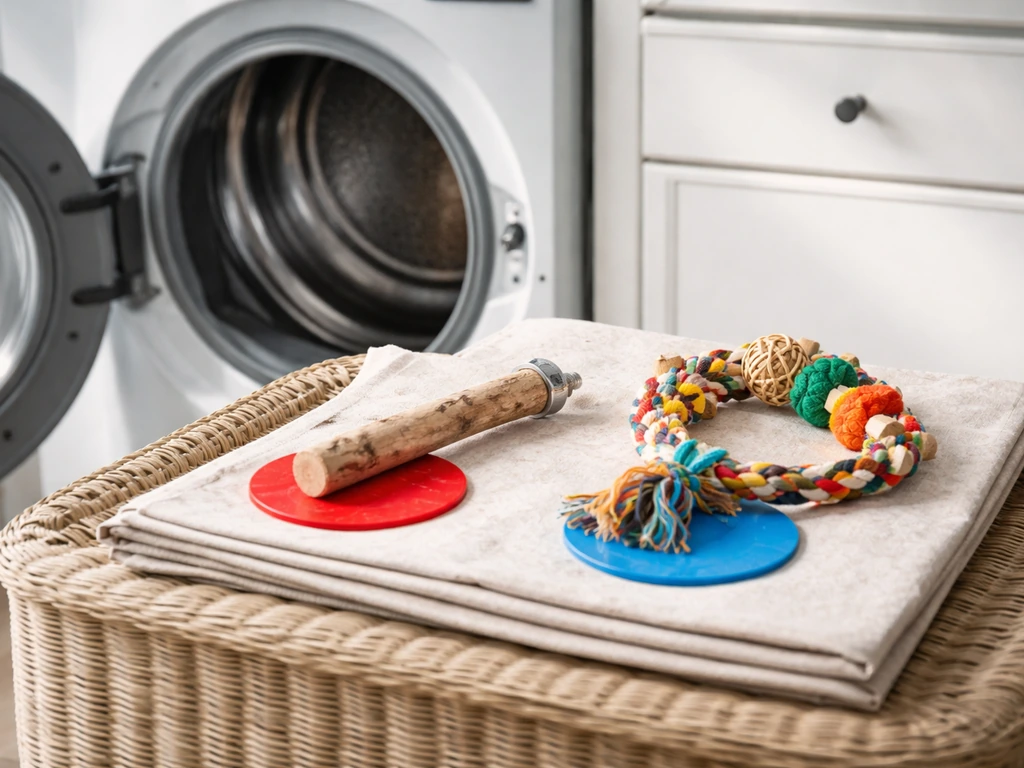
Can You Put Bird Dogs in the Dryer? Safe Options
Can you put bird dogs in the dryer? Learn when it’s safe, when to avoid heat, and best cleaning steps for bird items.