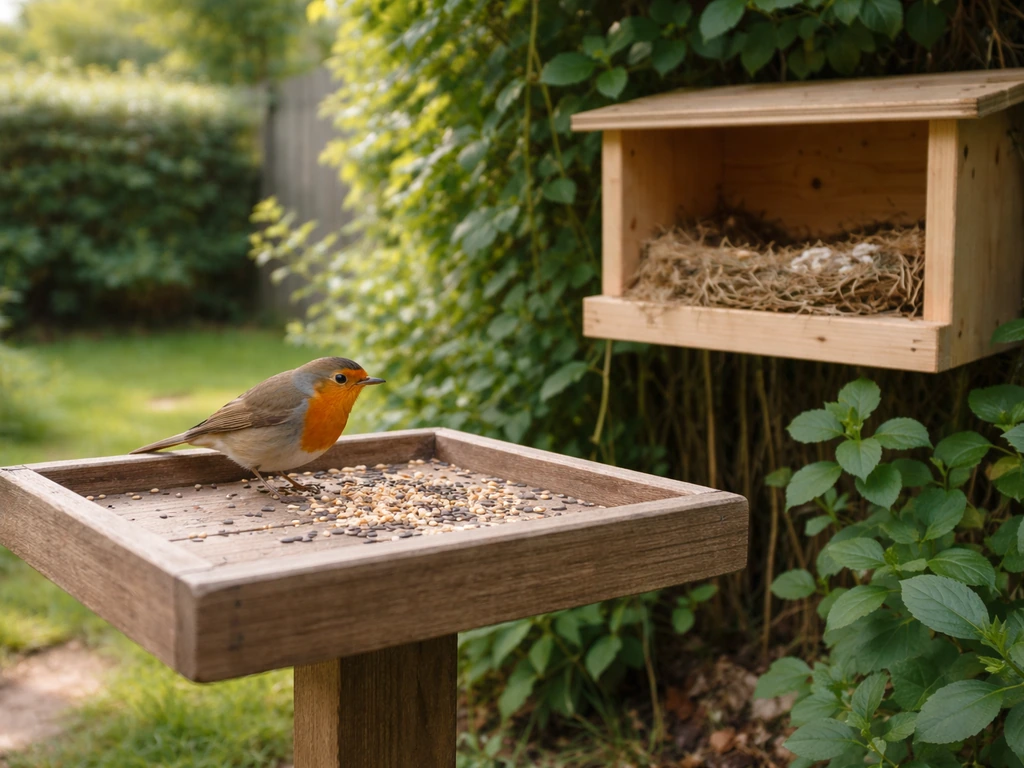
The best bird table for your setup is one sized to your specific species, made from untreated hardwood or food-safe materials, stable enough that it won't tip when multiple birds land at once, and designed so you can scrub every surface clean in under ten minutes. Everything else, the style, the roof, the color, is secondary to those four things.
Best Bird Table Design: Buyer Guide and Checklist
Marcus Chen
28 May 2026
What 'best' actually means depends on your birds
Before you start shopping or building, you need to pin down three things: which species you're feeding, how many birds use the table at once, and whether the table is going indoors or outdoors. A table that works brilliantly for a pair of indoor cockatiels is completely wrong for a busy outdoor station visited by pigeons, sparrows, and starlings simultaneously.
Species determines platform size and feeding height. Smaller birds like finches and sparrows need less horizontal space but appreciate raised edges that stop seed rolling off. Larger birds like pigeons or jays need a wider, more open platform. If you're setting up indoors for a pet parrot or similar bird, the table doubles as an enrichment perch and feeding station, so you need materials that are non-toxic even when chewed, not just when touched.
Number of birds matters more than most beginners expect. A table that seats two birds comfortably becomes a stress zone when six arrive. As a rough rule, allow at least 12 to 15 inches of feeding perimeter per bird to reduce competition and the aggressive behavior that comes with crowding. If you're regularly seeing ten or more birds at once, you either need a large table or multiple smaller feeding points.
Indoor versus outdoor is a hard split. Outdoor tables need to handle rain, UV, and temperature swings. If you want the best bird tables UK keepers rate for outside use, focus on weather resistance and easy maintenance Outdoor tables need to handle rain, UV, and temperature swings.. Indoor feeding stations for pet birds prioritize non-toxic finishes, easy wipe-down surfaces, and placement away from kitchen fumes and drafts. Don't assume a table marketed for garden birds is safe indoors near a pet bird, the treated wood or paint finishes may off-gas in ways that are dangerous in an enclosed space.
Bird table types and where each one actually works
There are more table styles than most people realize, and each one suits a different situation. If you're wondering where to start, look at bird table types and where each one actually works as a related option alongside deciding what is a bird table for your setup. Picking the wrong type wastes money and frustrates both you and the birds.
| Type | Best For | Watch Out For |
|---|---|---|
| Open flat-top table | Variety of species, busy outdoor garden, easy cleaning | Exposed food gets wet fast; needs daily seed checks in wet weather |
| Roofed/covered table | Protecting seed from rain, sheltering smaller birds | Roof limits visibility for nervous birds; can trap moisture if poorly ventilated |
| Pedestal/post-mounted table | Predator deterrence, keeping cats away, good sightlines | Post depth and base weight matter hugely for stability |
| Hanging tray table | Small spaces, balconies, indoor enrichment stations | Swings in wind; can tip and spill easily if not weighted correctly |
| Wall-mounted bracket table | Fences, small gardens, window viewing | Fixed position limits adjustment if placement turns out wrong |
| Ground-level tray | Ground-feeding species like doves, blackbirds | Increases disease spread risk; avoid this if you have cats nearby |
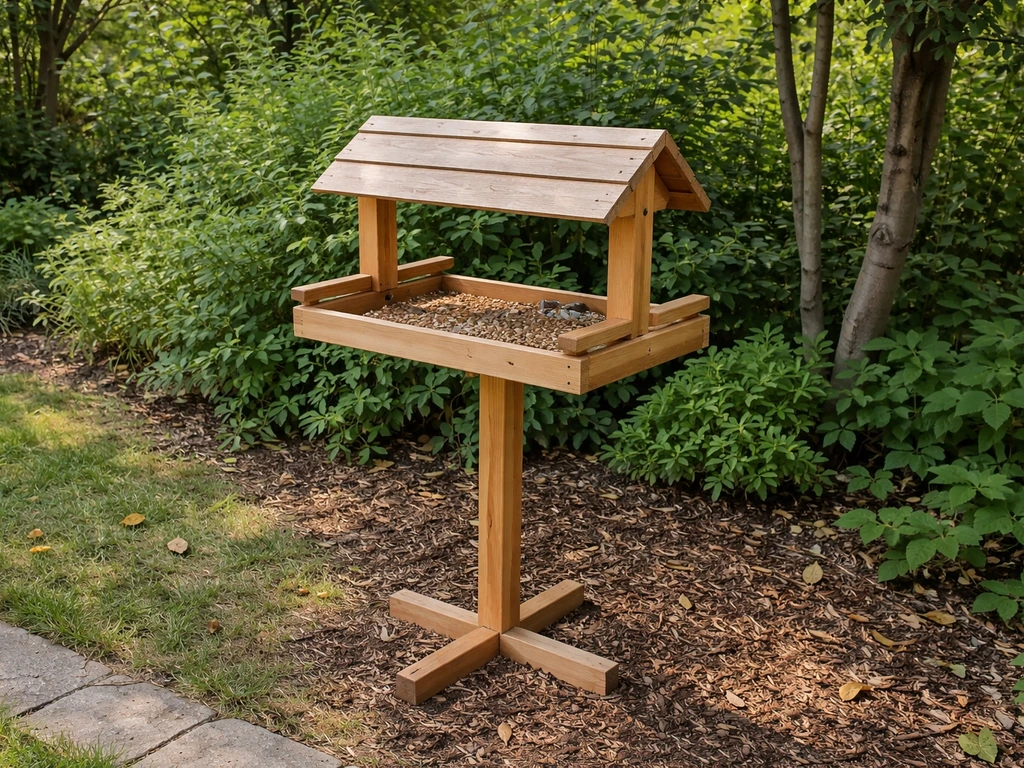
For most first-timers with an outdoor garden, a roofed pedestal table is the most versatile starting point. The roof keeps seed dry and the post mount keeps the table stable and away from ground predators. If you're setting up indoors for a pet bird, a wall-mounted or free-standing tray with a removable liner beats a full garden-style table every time, it's just far easier to clean.
Ground-level trays are worth mentioning because they're popular but genuinely problematic. Spreading seed directly on a deck or patio, or on a low tray, dramatically increases the risk of disease spread because birds defecate as they feed and that waste goes straight into the food. If ground-feeding species are important to you, use a raised tray on low legs rather than floor-level scatter feeding.
Design must-haves: size, materials, stability, and cleaning
Size
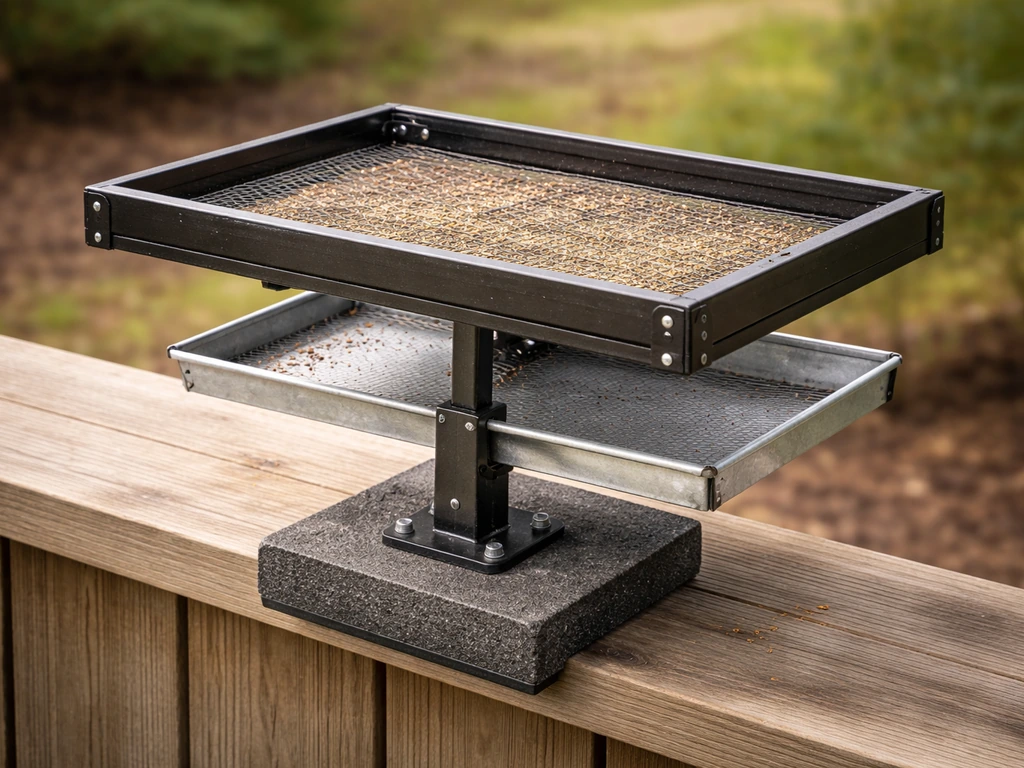
A platform of at least 12 by 18 inches handles most small garden bird mixes comfortably. Go to 24 by 24 inches or more if you're expecting larger birds or a high-traffic feeding point. The raised lip around the edge should be low enough for birds to land over easily (around half an inch to three-quarters of an inch is typical) but high enough to stop seed sliding off in wind. If you're not sure, err bigger: a table that's slightly too large causes no problems, while one that's too small creates constant crowding and spillage.
Materials
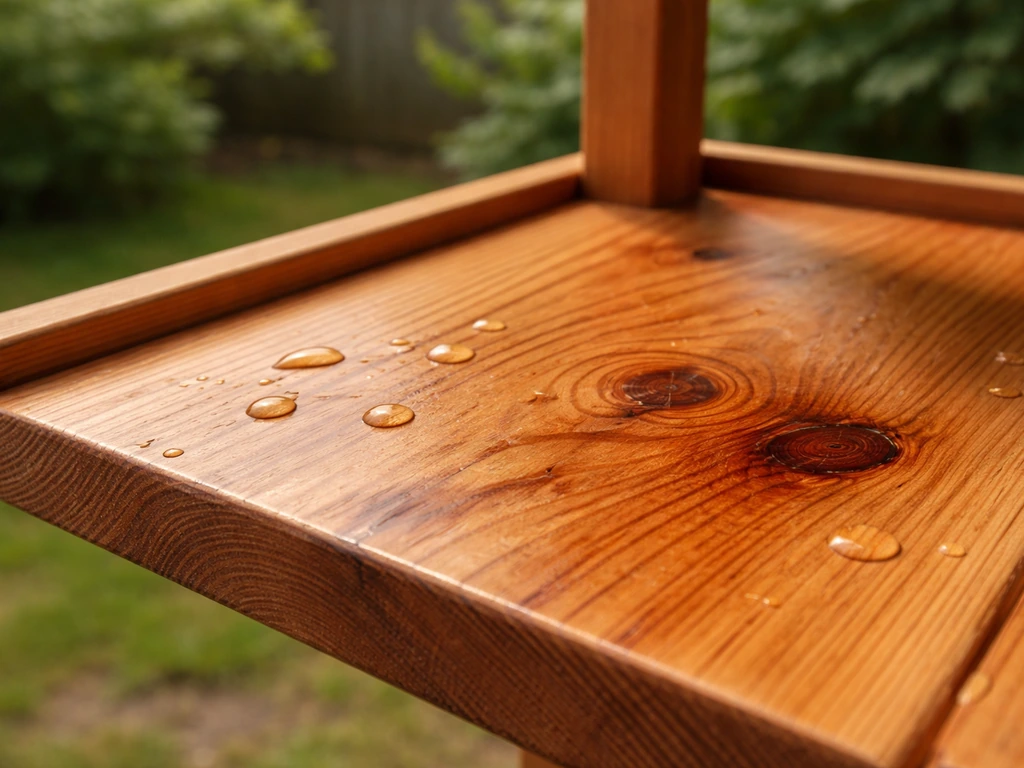
Untreated hardwood is the classic choice for outdoor tables and for good reason. Cedar and oak resist rot without needing chemical preservatives, which matters both for bird safety and longevity. Avoid pressure-treated timber labeled with CCA (chromated copper arsenate) entirely, and be cautious with any wood that's been stained or painted unless you can confirm the finish is non-toxic once dried. For indoor pet bird feeding stations, stainless steel trays or food-grade plastic liners are the safest surface options because they don't absorb bacteria, don't splinter, and tolerate the bleach cleaning solutions you'll be using regularly. The best wood choices for the structure itself are worth researching separately if you're building from scratch.
Stability
A wobbly table is a useless table. Birds won't use a platform that moves unpredictably, and a table that tips wastes food and can injure birds. For post-mounted tables, the post should be set at least 18 to 24 inches into the ground (or into a heavy weighted base if you can't dig). The platform fixing to the post should have no play in it. If you're buying a pre-built table, grab it by the platform and try to rock it before you commit. Any movement at the joint means the design is poor and it'll only get worse with weather exposure.
Ease of cleaning
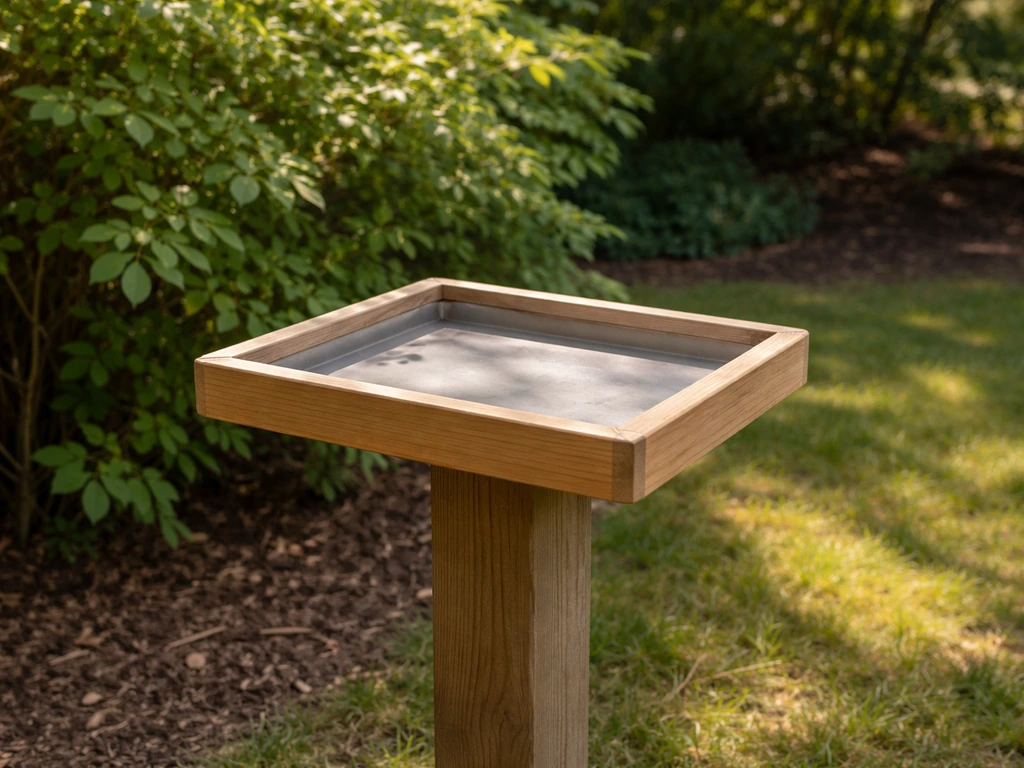
This one is where a lot of tables fall down, including some expensive ones. You need to be able to reach every surface of the feeding platform, scrub it, rinse it, and dry it quickly. Tables with decorative corners, recessed grooves, or complex roofing that traps water and debris are a hygiene nightmare. Look for a smooth, flat platform surface, a drainage hole or gap at the edges so rainwater doesn't pool, and a design where the tray is either removable or fully accessible from all sides. A removable tray insert is genuinely worth paying extra for.
Placement: air quality, drafts, sunlight, and predator safety
Where you put the table matters as much as what the table is made from. I'd argue placement is the single most underestimated decision beginners make, and it's also the hardest to reverse once the post is in the ground.
Window distance is a case where popular advice is genuinely backwards. Most people assume moving a feeder or table further from a window is safer for birds. But research from Cornell and others consistently shows that placing a feeding station within about 3 feet of glass is actually safer than placing it 5 to 30 feet away. At close range, birds can't build up enough speed for a fatal collision if they do fly toward the glass. At 10 to 20 feet away, they can. If you can't place the table within 3 feet of the window, aim for 30 feet or more, and use window treatments like decals or blinds to break up the reflection.
For outdoor tables, partial shade is the sweet spot. Full sun heats seed and water quickly, accelerating spoilage, and can cause nectar or water dishes to breed bacteria within hours in summer. Full shade makes the table feel exposed and unsafe to birds that rely on visibility. A spot with morning sun and afternoon shade, ideally near shrubs or a low hedge that birds can retreat to, is the practical ideal.
Drafts are a serious concern for indoor pet bird tables. Birds have extremely sensitive respiratory systems and should never be placed near air vents, open windows with through-drafts, or kitchen areas where cooking fumes accumulate. Non-stick cookware fumes, in particular, are acutely toxic to birds. Keep any indoor feeding station in a stable-temperature room away from these sources, and ensure the room has reasonable air circulation without direct drafts hitting the bird.
For predator safety outdoors, the post height should put the feeding surface at least 4 to 5 feet off the ground, and ideally the post should be smooth or fitted with a baffle so cats can't climb it. Position the table at least 6 to 8 feet from fences, walls, or low branches that a cat or squirrel could jump from. A clear sightline around the table lets birds see approaching threats and feel safe enough to actually use it.
Feeding layout: perches, trays, water, and shelter
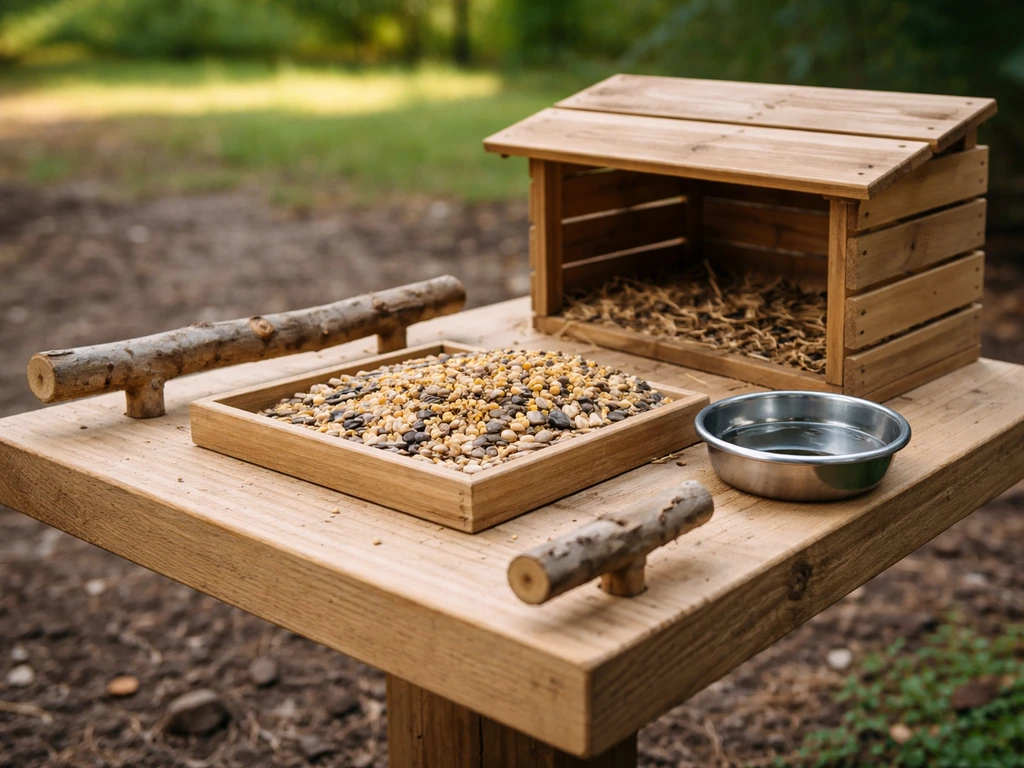
A bare platform with seed dumped on it is better than nothing, but a well-laid-out table turns a bird table into a genuinely functional feeding station. A few additions make a real difference.
- Perches: Dowel or natural branch perches at the table edge give birds a landing point before stepping onto the platform. This is especially useful for nervous or smaller species. Keep perches at the same level as the platform surface, not above it, so birds aren't stretching awkwardly to feed.
- Seed trays: A removable tray with shallow sides keeps seed contained and makes cleaning far faster than scrubbing a fixed platform. Metal or ceramic trays beat plastic for hygiene because they don't scratch and harbor bacteria the same way.
- Water: A separate, shallow dish of fresh water near (but not on) the feeding table is worth having. Keeping it off the table itself prevents seed contaminating the water and vice versa. Change the water daily, more often in summer.
- Shelter: A roof over the table protects seed from rain and gives birds a sense of overhead cover, which matters for their sense of security. If your table doesn't have a roof, even a simple wooden shelf mounted above the platform helps significantly in wet climates.
- Dividers or multiple food zones: If you're feeding a mix of species, separating seed types into different sections of the table (or using separate small dishes) reduces competition and lets you monitor which birds are eating what.
One layout mistake I see constantly: people put water and food right next to each other on the same flat surface with no barrier. Birds defecate while feeding, and that waste lands in both the food and the water. Virginia DWR flags this explicitly, birds poop as they eat and contaminate everything around them. Keep water in a separate dish set slightly away, clean it on its own schedule, and you'll have far fewer hygiene problems.
How much food you put out matters too. Only fill the table with a quantity that the birds will realistically consume before your next cleaning session. Old, uneaten seed left sitting in damp conditions grows mold quickly, and moldy seed is genuinely dangerous. Smaller, more frequent refills beat large infrequent ones every time.
Choosing between quality options: what to look for vs what to avoid
Once you've narrowed down the type and size you need, here's how to distinguish a genuinely good table from one that looks the part but fails in use.
| Feature | Look For | Avoid |
|---|---|---|
| Material | Untreated cedar, oak, or hardwood; food-safe stainless steel or ceramic trays | Pressure-treated or CCA-treated wood; cheap painted MDF; unknown coatings |
| Platform surface | Smooth, flat, with a small drainage gap or hole at edges | Deep grooves, decorative recesses, or surfaces that pool water |
| Tray design | Removable, smooth-sided, large enough to scrub easily | Fixed, narrow, or textured surfaces that trap debris |
| Post/base | Solid hardwood or metal post with secure platform fixing and ground anchor or heavy base | Thin softwood post, loose platform joint, lightweight plastic base |
| Roof (if included) | Pitched, ventilated, with enough clearance for birds to feed comfortably underneath | Flat roof that pools water; roof so low it discourages use |
| Finish | Unfinished natural wood, or confirmed non-toxic water-based sealant | Glossy painted surfaces with unknown formulation; varnishes with solvent smell |
| Assembly | Few joints, tight-fitting, designed for outdoor exposure or easy indoor disassembly | Many small parts, fiddly assembly, glued joints that weaken with moisture |
One thing worth noting: heavier duty wooden tables perform significantly better over time than lighter budget options, especially in exposed outdoor settings. If you're committed to a long-term outdoor feeding station, investing in a well-constructed hardwood table from the start is almost always cheaper than replacing a cheap one every couple of years.
For outdoor use in the UK specifically, check whether the wood has been treated with an animal-safe preservative and confirm the base width before buying, narrow bases are a very common failure point in cheaper designs.
Cleaning, daily routines, and fixing common problems
Your cleaning schedule
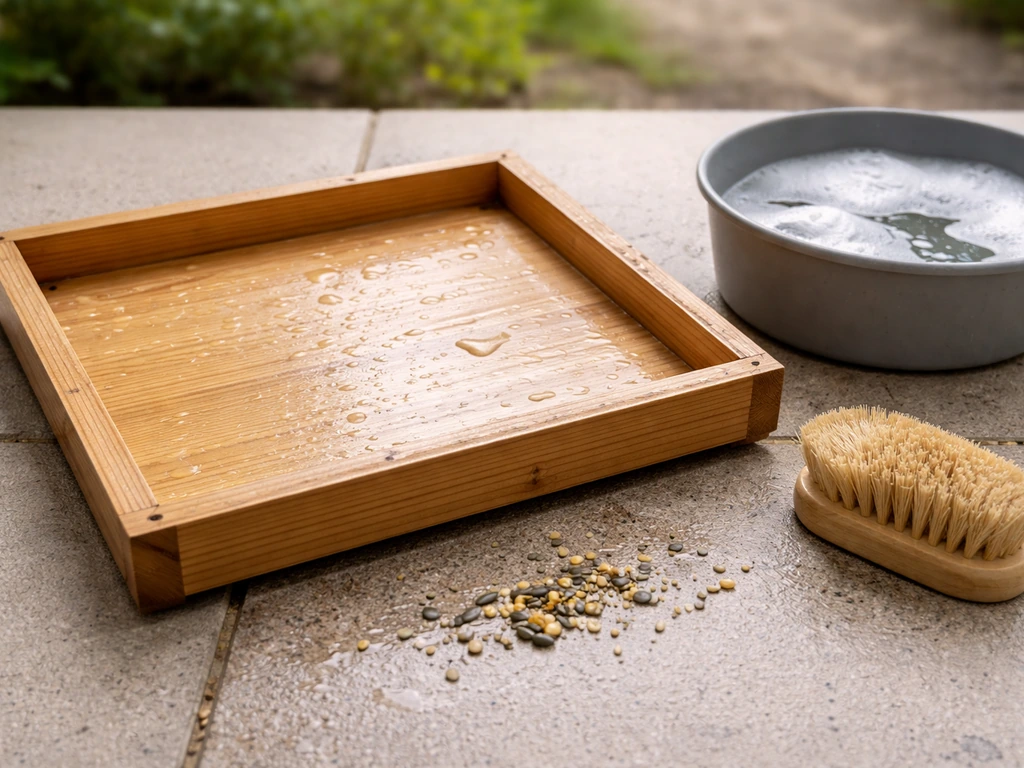
The standard recommendation from ornithology and wildlife health organizations is to clean seed feeders and bird tables roughly every two weeks as a baseline, and more often during hot or humid weather. In summer, or if you're seeing heavy bird traffic, weekly cleaning is more appropriate. The cleaning solution recommended consistently across sources like Project FeederWatch, Audubon, and the National Wildlife Health Center is one part bleach to nine parts water (roughly two ounces of bleach per gallon of water). Scrub every surface, rinse thoroughly, and critically, let the table dry completely before refilling. Putting seed onto a wet surface is one of the fastest ways to trigger mold growth.
Daily habits that prevent bigger problems
- Check seed condition daily: if it looks clumped, smells musty, or feels damp, remove it immediately and don't wait for your next scheduled clean.
- Rake or sweep under the table every few days to clear fallen seed hulls and waste. Decomposing seed on the ground grows bacteria and mold that can recontaminate the table via splashback or birds walking through it.
- Refresh water dishes daily, or every 2 to 5 days at minimum depending on temperature. Discard the old water rather than topping it up.
- Don't overfill. Put out only what the birds will eat in a day or two, especially in warm weather.
Troubleshooting common problems
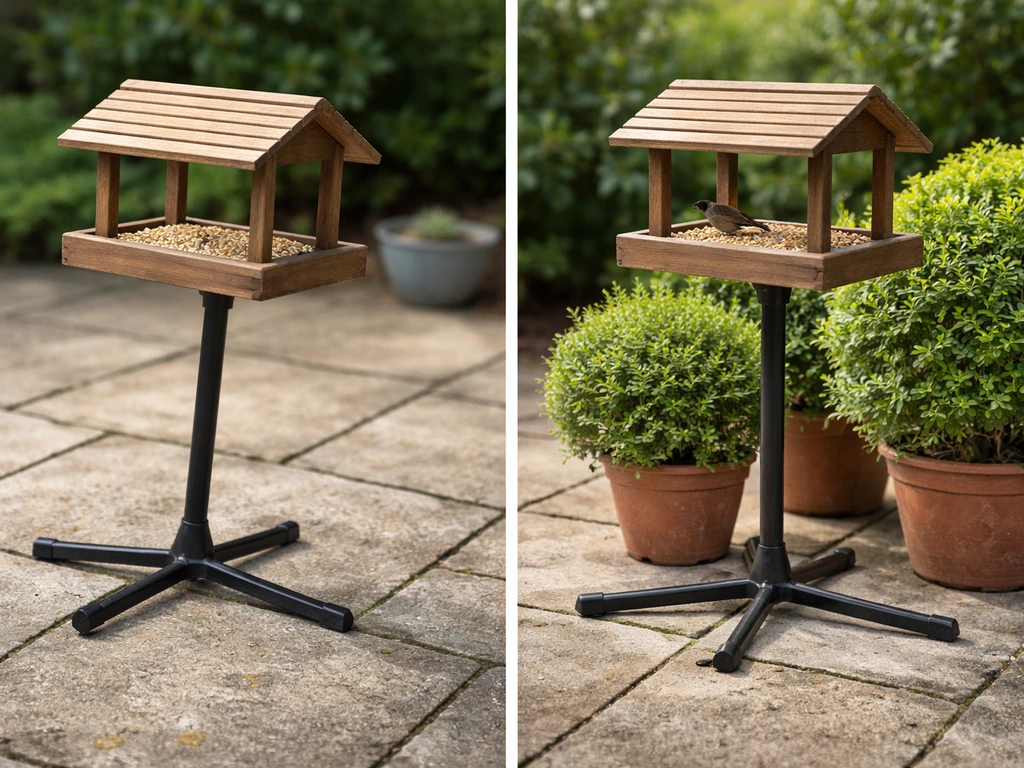
Birds not using the table is the most common complaint from first-timers. The usual causes are: placement is too exposed with no nearby cover to retreat to, the table is positioned too close to a high-traffic human area, or the food isn't right for the local species. Give a new table at least two weeks before concluding the location is wrong, birds are cautious about new objects. If they still won't use it after two weeks, move it closer to shrubs or a fence line.
A tipping table almost always comes down to the base or post. If you've already bought the table and the base is too light, add weight by filling a base-plate with concrete or attaching sandbags to the post below ground level. If the platform joint is loose, a stainless steel bracket and wood screws will usually fix it without replacing the whole unit.
Mess buildup under the table is solved with routine raking, but if you're finding it unmanageable, switch to a no-waste seed mix (with husked sunflower hearts and no millet or filler seed that birds fling to the ground) and consider a catching tray mounted below the main platform to intercept fallen material.
Black mold on the platform or tray means your cleaning frequency or drying time is inadequate. Move to weekly cleaning, extend drying time before refilling, and check whether the table has a drainage gap. If it doesn't, drill a couple of small holes at the lowest point of the platform so standing water can escape. This single change makes more difference than almost anything else for outdoor tables in wet climates.
Finally, if you suspect an unsafe material or finish on a table you've already bought, err on the side of caution and replace it. For indoor pet birds especially, the respiratory and ingestion risks from off-gassing or chewing on treated wood are not worth the gamble. The table is the foundation of your birds' daily feeding routine, getting it right from the start saves a lot of headaches later. Once you’ve got the right table sorted, the next step is deciding what to put on a bird table so the food matches your birds and the season.
FAQ
Can I use a stained or painted bird table indoors if it looks dry?
Yes, but confirm the exact chemistry and whether it is fully cured and safe for pets. Many “weatherproof” outdoor stains cure slowly and can off-gas indoors, even when they feel dry to the touch. If you cannot verify non-toxic status once dried, treat the finish as unsuitable for an indoor pet-bird table.
What should I do if the table is hard to fully dry between cleanings?
If you cannot empty and dry the table between feedings, you should use a design that drains well and includes a removable tray or tray insert. Standing moisture under fixed platforms can keep surfaces wet and promote mold, even if you clean on schedule.
How far should an indoor bird table be from cooking fumes and vents?
Avoid placing the table near kitchen exhaust, range hoods, candles, or air fresheners, even if you are not near direct airflow. For indoor birds, also keep it away from windows that receive strong sunlight through glass, because warmed surfaces can increase irritation from any residual fumes from wood, liners, or adhesives.
What design features help most with cats and squirrels outdoors?
For outdoor setups, prioritize “baffle-ready” designs, post stability, and clear access for cleaning over decorative features. If squirrels or cats are an issue, add a baffle or use a smooth, climb-resistant post section rather than relying only on distance from shrubs or fences.
Can I just add fresh seed on top of old seed to save time?
No. Replace the bird mix rather than just topping it up. Mixed seed left in damp conditions can mold quickly, and birds may keep eating contaminated seed. A practical approach is smaller refills, then a full dump and wash at each cleaning interval.
What’s the best table setup when multiple bird species use the same feeding point?
For mixed species, choose a platform that is larger than you think you need and keep a raised lip that guides smaller birds while still allowing larger birds to access the surface. If one species dominates, add a second feeding point or switch to a mix that better matches the smallest birds’ preferred food sizes.
If my post-mounted table is stable at first, how do I know it will stay stable over time?
You should test stability before buying, and re-check after installation. Push and rock the platform in multiple directions, and inspect joints for any play. After a week in outdoor conditions, visually confirm the post and base are still solid, because soil settling can loosen older installs.
Birds won’t use my new table, what should I check first before changing everything?
If you see birds avoiding the table, wait the full adjustment window, then troubleshoot in this order: food suitability, placement cover, and visibility safety. Also consider that newly placed feeders may start with low traffic for several days, so use consistent timing for refills and cleaning rather than changing everything at once.
Is it always bad to place a bird table far from the window?
Don’t aim for “exact spacing only.” If placement within about 3 feet of glass is not possible, the next priority is reducing reflective risk using decals, blinds, or mesh outside the window. Then ensure the feeding point still has nearby retreat cover so birds do not feel exposed.
How can I tell whether a fancy bird table design will actually be easy to keep clean?
Choose cleaning access over appearance. If you cannot scrub corners and edges without disassembling parts, you will eventually skip steps, which leads to slime, mold, and recurring odor. A removable tray insert is usually the simplest way to reach every surface quickly.
Is it okay to drill drainage holes in an outdoor platform if it doesn’t have any?
Yes, but only if the holes are positioned at the lowest point and you still prevent seed from falling out or getting into areas you cannot clean. After drilling, rinse thoroughly, dry completely, and confirm water drains instead of pooling under the tray on rainy days.
Next Article
Best Bird Table for Robins: Feeding and Bird House Guide
Best robin bird table and bird house setup: what to buy, place, feed, and maintain for safe nesting and feeding.