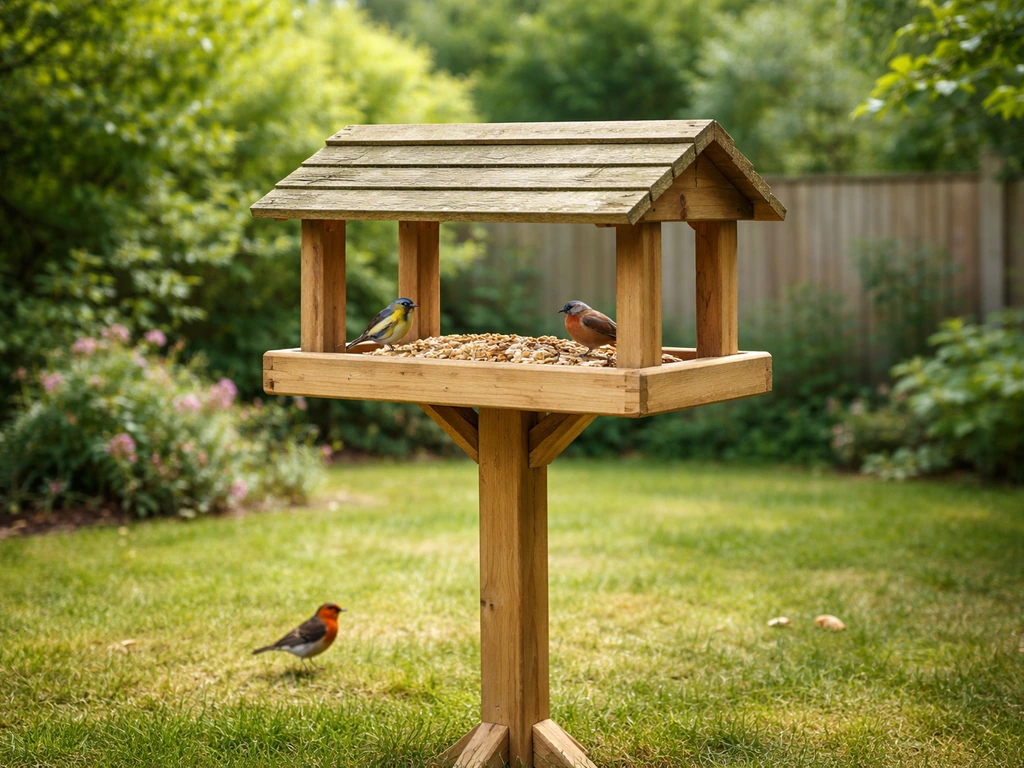
The best wood for an outdoor bird table is Western Red Cedar or teak. Both resist rot and moisture naturally without needing chemical treatment, they hold their shape through repeated wet/dry cycles, and neither poses a toxicity risk to birds. If budget is the main concern, Western Red Cedar is the more affordable of the two and still excellent for UK-style outdoor conditions. Teak lasts longer but costs significantly more. Iroko is a solid middle-ground hardwood worth considering if you want hardwood durability without the teak price tag.
Best Wood for Bird Table: Safe, Durable Picks and Avoids

Marcus Chen
19 Jun 2026
What a bird table actually is (and why it matters for material choice)
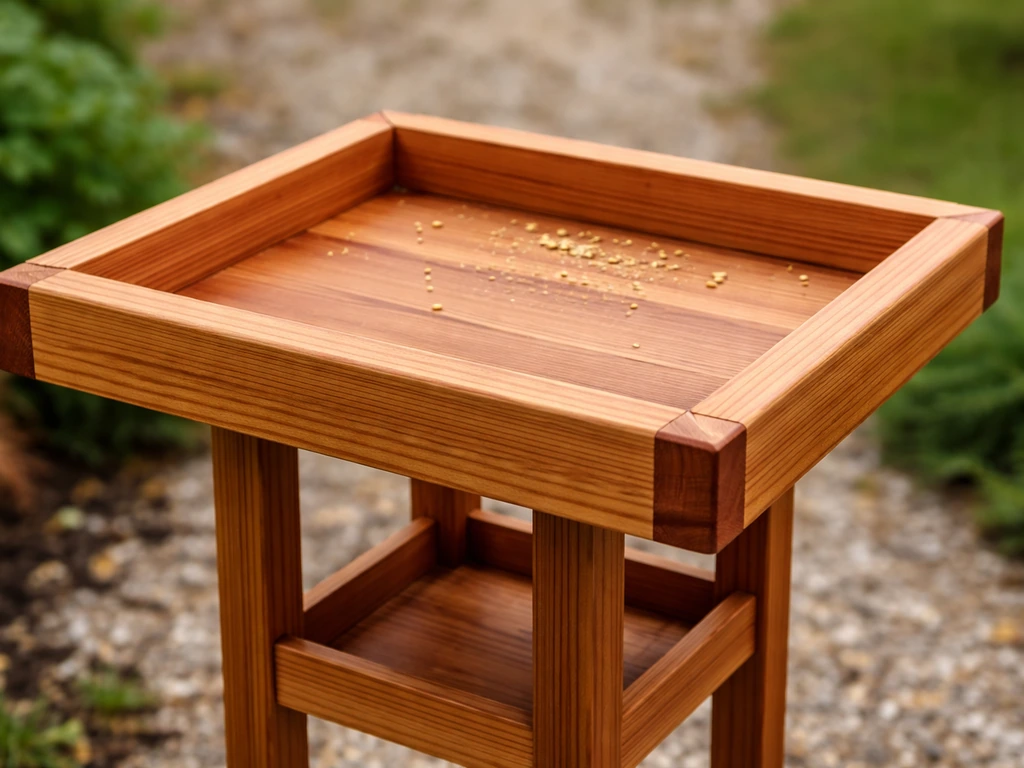
A bird table is a dedicated outdoor feeding platform, usually a flat or lipped tray mounted on a post or hung from a bracket, where you put food out for wild garden birds. The RSPB describes it as a platform designed specifically for feeding, sometimes with a roof to keep rain off the food and low-rail edges to stop food blowing away. It is not a suspended tube feeder, a suet cage, or a bird bath (which is a water feature for drinking and bathing, cleaned differently and made from completely different materials). That distinction matters here because a bird table sits exposed to full weather, collects standing water, gets coated in droppings and wet food residue, and needs to be scrubbed regularly. That combination is brutal on wood, and it is exactly why material and finish choice matters so much.
Some bird tables are low-level designs intended for ground-feeding birds like robins and blackbirds, while others are tall post-mounted platforms. A good quality bird table chosen with robin feeding in mind is one of the best ways to encourage them to visit regularly best bird table for robins. The height and design affect how exposed the wood is to splash-back and pooling water, but the material requirements are essentially the same across all styles. If you are thinking about design alongside material, things like drainage, table size, and roof overhang are worth considering too, and I will cover those below.
The best wood choices for a bird table
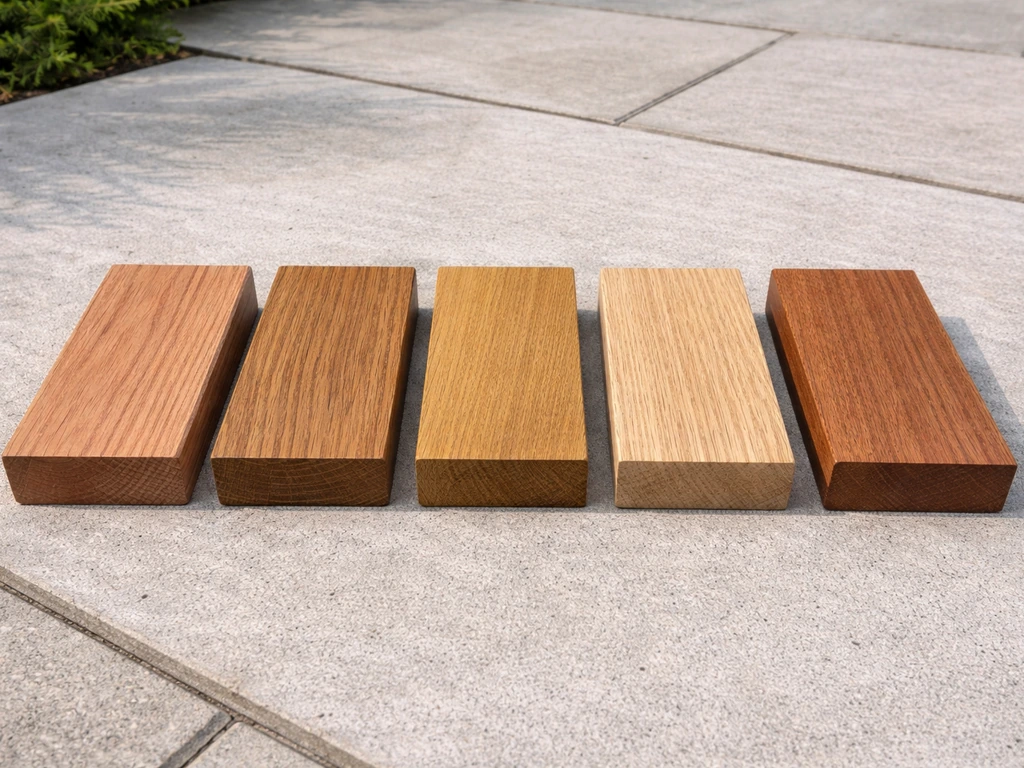
The core requirements are: natural rot resistance, dimensional stability under moisture changes (so it does not warp or split badly), a surface that can be scrubbed without disintegrating, and no toxic compounds that could leach onto food or bird feet. Here is how the main contenders stack up.
| Wood | Type | Rot Resistance | Stability | Bird Safety (untreated) | Relative Cost |
|---|---|---|---|---|---|
| Western Red Cedar | Softwood | Very good (natural oils) | Excellent | Safe | Moderate |
| Teak | Hardwood | Excellent (Class 1) | Excellent | Safe | High |
| Iroko | Hardwood | Very good (Class 2) | Good | Safe | Moderate–High |
| Oak (European) | Hardwood | Good | Moderate | Safe | Moderate–High |
| Untreated Pine/Spruce | Softwood | Poor | Poor | Safe but impractical | Low |
| Pressure-treated pine | Softwood (treated) | Good (chemical) | Moderate | Risk if unsealed | Low–Moderate |
| Ipe | Hardwood | Excellent (Class 1) | Excellent | Safe | Very High |
Western Red Cedar
This is my top recommendation for most people building or buying a bird table. Western Red Cedar contains natural tannins and oils that give it genuine rot resistance without any added chemicals. It is light enough to work with hand tools, takes a finish well, and holds up well through UK winters. It does not have the prestige of teak but it performs excellently for this application at a fraction of the cost. A cedar bird table that is correctly finished and maintained will last well over a decade.
Teak
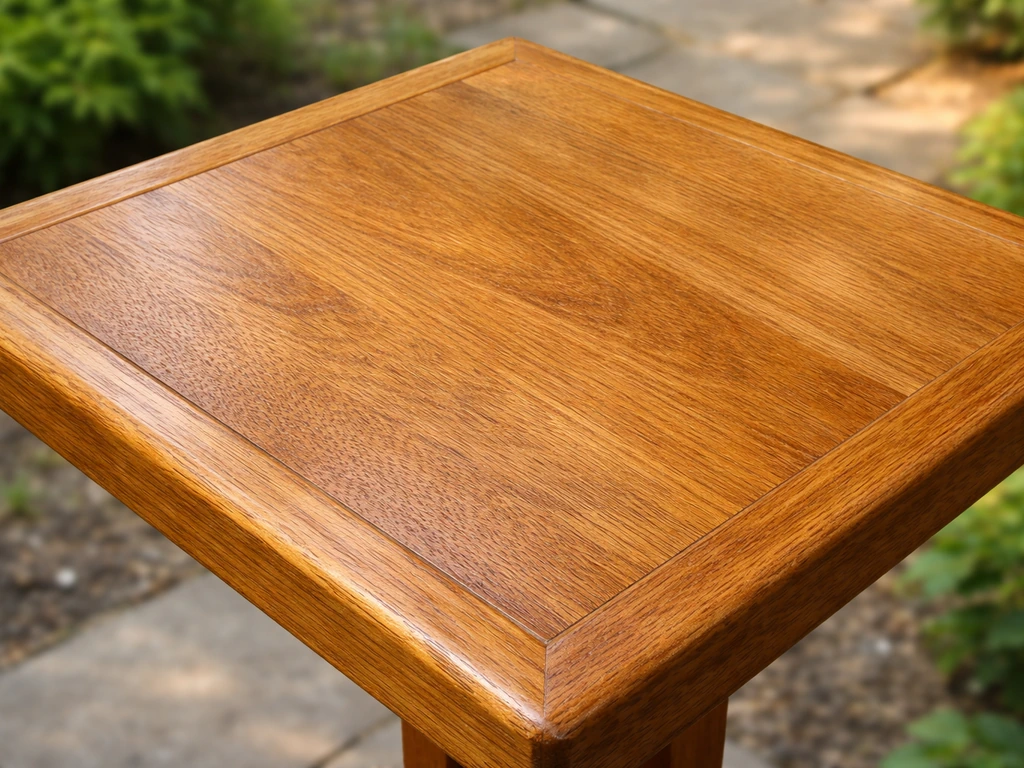
Teak is the gold standard for outdoor wood. Its high natural oil content resists water uptake, and it sits in Durability Class 1, meaning it is rated for the most demanding outdoor exposures. It barely warps, barely cracks, and you can let it weather to silver-grey without any finish at all if you prefer a low-maintenance approach. The downside is cost. For a small to medium bird table it is not out of reach, but it is noticeably more expensive than cedar.
Iroko
Iroko is an African hardwood that the UK joinery industry treats as a durable outdoor timber with good weathering performance. It is heavier and denser than cedar, which makes it more stable underfoot if your bird table design involves legs or a post socket. It is a reasonable choice if you want hardwood density but cannot justify teak prices.
Oak
European oak has decent natural rot resistance and is widely available in the UK. The catch is that oak can be reactive with iron fixings (it stains badly and accelerates corrosion), so you need to use stainless steel or galvanised hardware throughout. Oak can also take longer to dry after rain compared to cedar, which increases the time surfaces stay wet between feeds. It is a perfectly usable choice but not quite as fuss-free as cedar or teak.
Woods to avoid
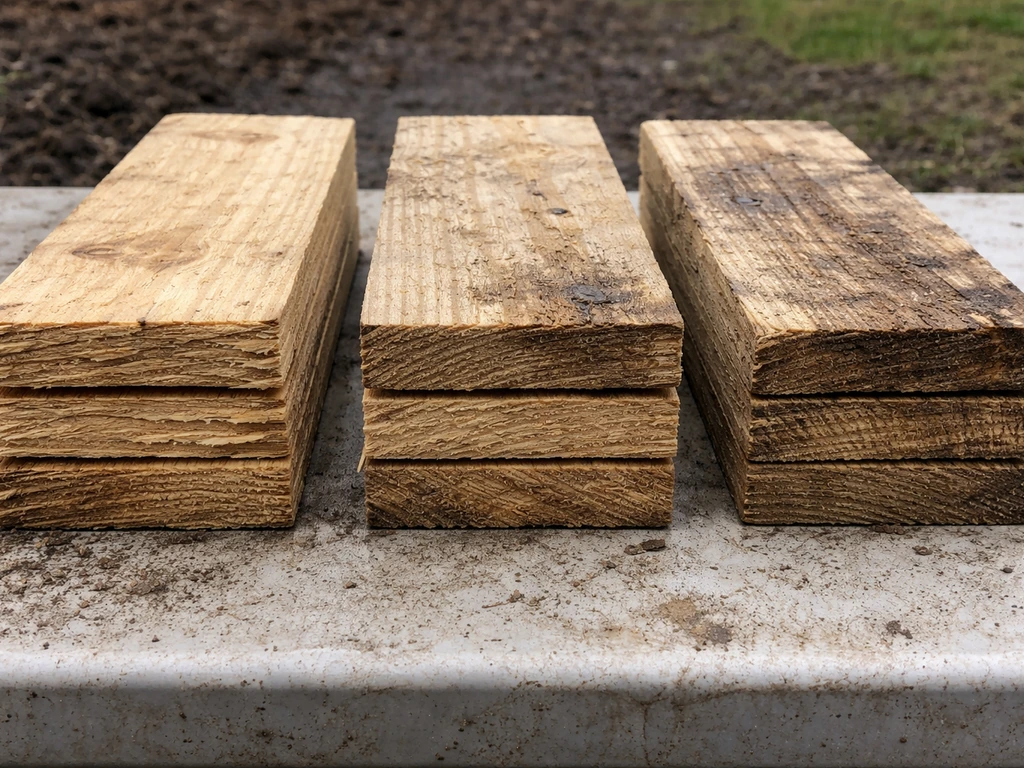
Some options seem fine on paper but cause real problems in practice. Here is what to steer clear of.
- Untreated pine, spruce, or fir: These have almost no natural rot resistance. A flat untreated pine feeding tray will start to delaminate and go soft within a single wet season. Even if you seal it well, any scratch or chip in the finish lets moisture in and the rot clock starts immediately.
- Pressure-treated timber (especially older CCA-treated stock): Pressure treatment uses chemical preservatives to extend the life of otherwise rot-prone wood. CCA (chromated copper arsenate) contains arsenic and chromium, and the EPA and public health guidance is clear that food should not contact this material. Modern AC2/ACQ treatments are less toxic but still not ideal where birds are picking up food directly from the surface. If you use pressure-treated timber for structural parts (like a post) that birds never contact, that is a reasonable compromise, but the feeding tray itself should not be pressure-treated wood without thorough sealing.
- MDF, chipboard, or OSB: None of these are outdoor materials. They absorb moisture rapidly and swell, delaminate, and grow mould within weeks. Avoid entirely.
- Plywood (standard interior grade): Same problem as MDF. Even exterior-grade plywood can work for short-term use if perfectly sealed, but the edge grain is very vulnerable and once any layer lifts you are done. Not recommended for the tray surface.
- Balsa or very light hobby woods: Too soft, too porous, and too unstable for outdoor use.
- Any wood with unknown history or salvaged treated timber: You cannot know what chemicals are in it. Not worth the risk for a surface birds eat from.
Bird-safe finishes, sealants, and coatings
This is the section most guides skip over too quickly. You can choose the perfect wood and then ruin it by applying the wrong finish, or by letting birds access the table before the finish has fully cured. In practice, what to put on a bird table includes choosing the right bird-safe wood finish and letting it fully cure before birds use it. Here is what I have learned.
What makes a finish safe for birds
The key risk window is before full cure. Most finishes contain solvents or reactive compounds that off-gas as they dry. When a finish is surface-dry it looks done, but it is not chemically inert yet. A bird picking up food from a still-curing varnished surface could ingest trace compounds. The safe approach is to wait for full cure before allowing any bird access. Surface-dry and full-cure are very different things: a water-based polyurethane might feel dry to the touch in a few hours but takes 14 to 21 days for full cure; oil-based finishes can take 30 days. Tung oil can take 3 to 4 weeks for full cure. Always check the product's technical data sheet for full-cure time, not just the dry-to-touch or recoat times.
Recommended finish options
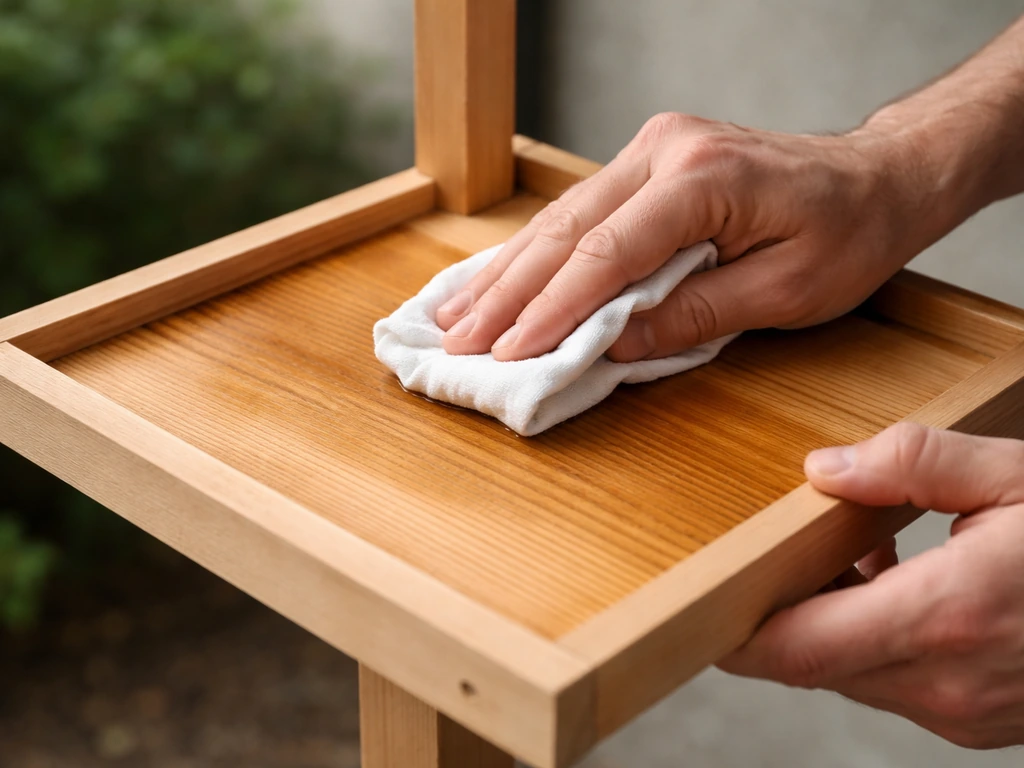
- Pure tung oil (fully cured): A penetrating oil finish that soaks into the wood rather than sitting on top. Once fully cured (3 to 4 weeks) it is considered suitable for surfaces that come into contact with food. It is not the most waterproof option but it nourishes the wood and is easy to re-apply. Do not confuse 'tung oil finish' products (which often contain added solvents) with 100% pure tung oil.
- Spar varnish / marine varnish: This is a UV-resistant, flexible exterior varnish originally developed for boat use. It handles wet/dry cycling well and protects the surface properly. Full cure takes about 1 to 2 weeks under good conditions (around 70°F / 21°C and moderate humidity). Under cooler or more humid UK conditions allow extra time. Two or three coats give the best protection.
- Exterior-grade water-based wood stain/sealant (marked non-toxic after cure): Several products are marketed for garden furniture and are safe once fully cured. Check the label. If it says 'safe for children's play equipment' it is generally a good sign for bird use too.
- Linseed oil (raw or boiled): Penetrating and natural, but slow-drying (raw linseed is very slow). Boiled linseed dries faster. Neither is as waterproof as a film-forming finish like varnish, so it needs more frequent re-application. Acceptable if you commit to the maintenance.
Finishes to avoid on bird tables
- Creosote or coal tar-based products: Highly toxic to birds and banned for amateur use in the UK.
- Solvent-based paints with biocides (e.g. anti-mould formulations): Many exterior paints contain fungicide additives that are toxic to wildlife. Check the product information carefully.
- Any finish that has not reached full cure before bird access.
- Varnishes or stains applied over damp wood: These peel quickly, exposing bare wood and requiring re-application far sooner than necessary.
One practical tip: choose a finish that can tolerate regular scrubbing with a mild disinfectant solution. The RSPB and UK wildlife organisations recommend cleaning bird table surfaces regularly to prevent disease build-up from droppings and mouldy food residue. A finish that flakes off when you scrub it defeats its own purpose. Film-forming finishes like spar varnish are generally more cleanable than penetrating oils.
Design and build details that affect material performance
Even the best wood will rot prematurely if the table is designed badly. A few design choices have a huge impact on how long the wood lasts and how safely it performs.
Drainage
The feeding tray must not hold standing water. This is the single biggest cause of premature rot and also a hygiene problem: wet food residue left on a flat surface is where contamination multiplies, as UFAW research on garden bird disease notes. The tray should either have small drainage holes (around 10mm diameter, one near each corner) or be very slightly cambered so water runs off. A flat, sealed tray with no drainage will pool water after every rain shower, and that pooled water will work into any seam or fastener hole over time.
Roof overhang
A roof keeps some rain off the food and the tray surface, but only if the overhang is generous enough to matter. A drip edge on the underside of the roof prevents water from running back along the soffit and dripping onto the tray edge. This is a small detail but it noticeably extends how long the tray rail and tray edge timber stays dry.
Tray size and rail height
A tray around 30 to 40cm square is practical for most garden species. Low side rails (about 15 to 20mm high) keep food from blowing off without trapping water or making the surface impossible to clean properly. Higher rails trap debris and make scrubbing harder. If you are interested in the full range of bird table design considerations, including how design affects which species will use it, that is a deeper topic in its own right. A good bird table design also depends on drainage, roof overhang, and easy cleaning access bird table design considerations.
Fasteners and hardware
Use stainless steel or hot-dip galvanised screws and fixings throughout. Standard zinc-plated or bright steel screws corrode quickly outdoors, especially if you use oak (which is acidic and aggressively attacks steel). Corroding fixings expand inside the wood and cause splits. They also look terrible and eventually fail.
Cleaning access
Design the tray so you can get a scrubbing brush into every corner. Avoid internal right-angle joints with no radius. If you are buying a pre-made table, check that the tray can be removed or at least reached properly for cleaning. You should be cleaning the surface every two to four weeks according to wildlife feeding guidelines, so if the design makes cleaning a pain you will skip it, and then you get disease build-up.
Maintenance schedule: what to do and when
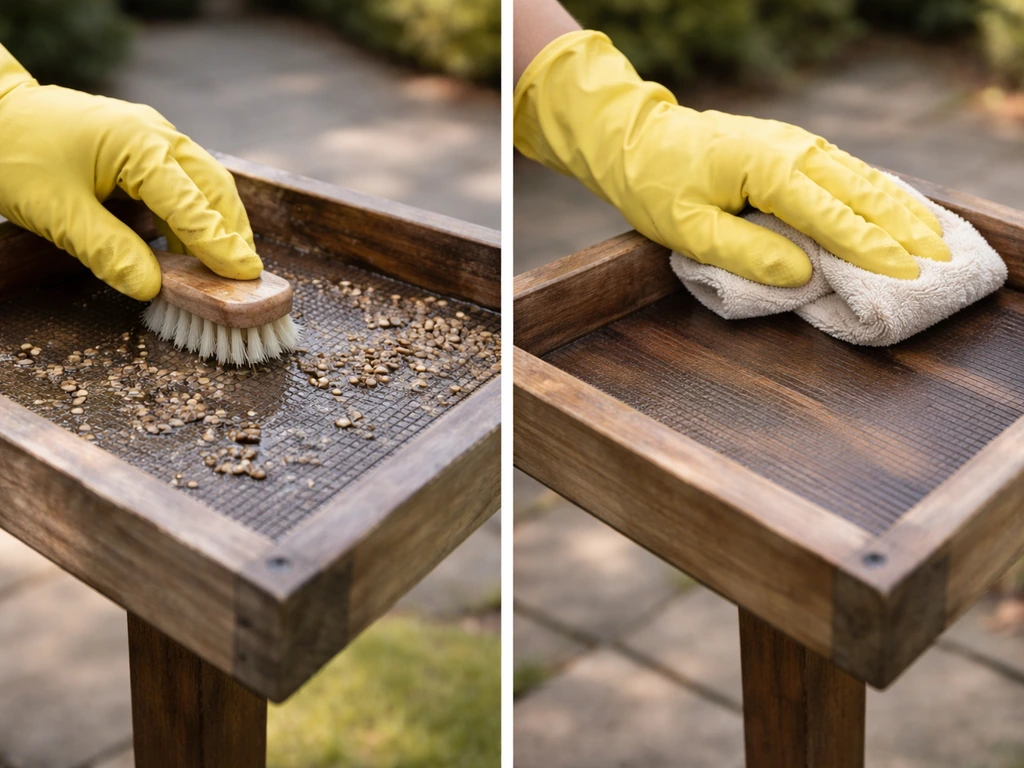
A bird table is not a fit-and-forget item. The good news is that a well-chosen wood with a good finish does not need much work, but a basic routine keeps it safe for birds and extends its life significantly. If you are also planning height and positioning, be sure to follow guidance on how high a bird table should be for safe, comfortable access how long the wood lasts.
| Frequency | Task |
|---|---|
| Every 2 to 4 weeks | Remove uneaten food and debris. Scrub the tray surface with a mild disinfectant (dilute bleach solution 1:10, or a purpose-made bird feeder cleaner). Rinse thoroughly and allow to dry fully before refilling. |
| Each season (spring and autumn) | Inspect the wood for soft spots, cracks, splits, or peeling finish. Pay particular attention to joints, drainage holes, and any end-grain surfaces. |
| Annually (ideally late summer/early autumn) | Re-apply finish to any worn or bare areas. Lightly sand with fine grit first, clean the surface, apply one or two coats of your chosen exterior finish, and allow full cure before returning the table to use. |
| Every 3 to 5 years (or as needed) | Assess whether any structural parts need replacing. The tray is typically the first part to go because it takes the most direct punishment. Replace tray planks individually rather than replacing the whole table if the post and frame are still sound. |
Signs it is time to replace wood rather than repair it: if you can press your thumb into the wood and it feels spongy, the rot is deep enough that a surface re-seal will not help. Similarly, if the wood has developed deep cracks along the grain (not surface checks, but structural splits), water will keep entering regardless of what you put on the surface. At that point, cut your losses and replace the component.
One thing worth knowing about BTO guidance on feeding site hygiene: they recommend moving feeding stations periodically to avoid creating a chronically wet, waste-saturated patch of ground below the table. That also happens to be good practice for the table itself, since a spot with better air circulation and less ground splash-back keeps the wood drier.
Where to buy wood and what to look for on the label
You can source good material from timber merchants, builder's merchants (for cedar and oak), or specialist hardwood suppliers (for teak or iroko). Garden centres occasionally stock pre-cut cedar decking or cladding boards that are perfectly usable for a bird table tray. If you want the best bird tables UK customers recommend, focus on the material and build details, not just the price pre-cut cedar decking or cladding boards. Here is what to check before you buy.
Certifications and sourcing
Look for FSC (Forest Stewardship Council) certification on the label or product sheet. The FSC logo means the timber comes from responsibly managed forests. The FSC Mix label indicates the product contains a certified or controlled fibre mix, which is still a meaningful standard. When buying teak or iroko especially, ask specifically for FSC-certified stock, since both species have been subject to illegal logging in the past. The FSC UK website lets you verify whether a supplier's certificate is current and covers the product type you are buying.
What specs actually matter
- Durability class: Look for Class 1 (very durable) or Class 2 (durable) for fully exposed outdoor use. Teak and ipe are Class 1. Cedar and iroko are generally Class 2. Untreated pine is Class 4 to 5, meaning it is not suitable without treatment.
- Kiln-dried or air-dried: Kiln-dried (KD) timber has lower moisture content and is more dimensionally stable when it goes outside. Look for timber with around 18% moisture content or less for outdoor work.
- Sawn vs planed: Planed-all-round (PAR) timber is easier to work with and takes a finish more evenly. Rough-sawn stock can be used but plan to sand it smooth for the tray surface so droppings and food do not lodge in the grain.
- No pre-treatment with unknown chemicals: If the timber has already been dipped or treated, get the product data sheet and check what was used before buying.
Pre-made vs DIY bird tables
If you are buying a pre-made bird table rather than building one, look for product descriptions that specify the wood species rather than just 'FSC timber' or 'natural wood.' Cedar, iroko, and teak are worth paying extra for. Many budget bird tables are made from fast-grown pine with a light stain, and while they are fine for a season or two, they degrade quickly. Wood Work Science also notes that untreated pine is a poor choice for wet, exterior-heavy use because softwoods lack natural defenses, unlike pressure-treated wood which adds preservatives blank" rel="noopener noreferrer">fast-grown pine. If the listing does not specify the species, that is usually a sign it is pine. Heavy-duty wooden bird tables made from durable hardwoods are a separate category worth exploring if you want something that lasts without constant attention.
Quick reference: the short version
- Best overall wood: Western Red Cedar (affordable, naturally rot-resistant, lightweight, bird-safe).
- Best premium option: Teak (Class 1 durability, minimal maintenance, very long lifespan).
- Good middle-ground hardwood: Iroko (durable, widely available, less expensive than teak).
- Avoid: Untreated pine/spruce, CCA pressure-treated timber, MDF, chipboard, and any salvaged treated wood.
- Best finish: Spar/marine varnish for maximum protection, or pure tung oil for a more natural look. Always allow full cure (up to 30 days for oil-based finishes) before birds access the table.
- Clean the tray every 2 to 4 weeks. Re-apply finish annually. Replace spongy or deeply cracked timber rather than patching over it.
- Buy FSC-certified timber and check the durability class on the product label before purchasing.
FAQ
Can I use exterior decking boards (or cladding) as the wood for a bird table tray?
Yes, but only if it is the correct species and product grade, and you still follow the same cure and cleaning rules. Cedar decking or cladding is often acceptable for a bird table tray if it is solid timber (not veneer), and if the finish plan matches your scrubbing needs. Avoid using reclaimed or unknown wood where you cannot confirm it is untreated and bird-safe.
Is pressure-treated wood safe for a bird table if it is meant for outdoor use?
Treating “for outdoor use” wood is not automatically bird-safe. After chemical treatment, residual compounds can remain in the wood and off-gas during curing. If you want an easier decision, choose a naturally rot-resistant species from the recommended list and use only a bird-safe, fully cured finish, then confirm its dry-to-touch and full-cure times from the technical data sheet.
What finishes should I avoid, even if the wood is cedar or teak?
For bird tables, avoid finishes that turn rubbery or chalky under repeated wet scrubbing, and avoid coatings that chip easily. Film-forming options generally hold up better when you need regular cleaning. If you use an oil, understand it may need more frequent reapplication because it can wear thin in the exact places where droppings and food contact the surface.
How long should I wait after finishing the bird table before birds can use it?
At minimum, wait until the product is fully cured, not just surface-dry, before birds access it. If you are unsure, give the full-cure time from the technical data sheet plus extra buffer time during cool or humid weather. Wet weather right after finishing is a common way people accidentally rush into bird use.
Do naturally rot-resistant woods like cedar and teak still need preservatives or sealers?
Cedar and teak typically do not need additional chemical preservatives, but some sealing and maintenance can help them resist abrasion and stay scrub-friendly. The right approach is to use a bird-safe finish compatible with your cleaning routine, and to recoat based on wear rather than calendar time.
My bird table starts rotting even with the “right” wood, what’s the most common cause?
If the tray pools water, most finishes will fail early, and the rot risk increases rapidly. Focus first on drainage and shedding water, then on the finish. Check for a slight camber, drainage holes near corners, and a roof overhang with a drip edge so water does not run back onto the tray edge.
Can I use laminated or engineered wood (like plywood or MDF) for a bird table?
Heat-treated or “engineered” boards vary, and the key issue is what they are made from and how the surface is coated. If a product uses binders, adhesives, or unknown coatings, you cannot easily guarantee bird-foot and food-contact safety. For a bird table, choose solid naturally durable timber and a documented bird-safe finish.
What hardware should I use, and does it change depending on the wood species?
Check that fixings are compatible with the timber. Oak requires stainless or hot-dip galvanized hardware to prevent staining and corrosion, cedar and teak also benefit from corrosion-resistant fixings because outdoor moisture cycles expand and stress weaker screws. If you see rust bleed-through, stop and replace fixings before the wood splits.
How do I decide whether to repair or replace a decaying tray board?
You can usually repair superficial issues, like light surface damage, by cleaning, letting it dry fully, then refinishing if the coating is intact enough to bond. Replace sections when the wood becomes spongy under a thumb press, or when deep grain cracks let water penetrate continuously. Small repairs fail most often when the underlying pooling-water problem is not fixed.
My cleaning routine makes the finish peel off, what should I change?
If cleaning causes flaking, reduce abrasion and switch to a finish designed to be scrubbed, not one that relies on light wipe-down. Also verify the finish has fully cured, because early cleaning is a common reason film-forming coats peel. Use mild disinfectant solutions as recommended, and rinse and dry the surface rather than leaving it wet.
Does moving the bird table periodically really help with wood longevity and hygiene?
Moving the table helps, but it does not replace good tray drainage and roof design. If the ground below stays wet and waste-saturated, splashes and runoff still raise the moisture load on the base and tray edges. Combine periodic repositioning with a table layout that minimizes splash-back.
Next Article
How High Should a Bird Table Be? Practical Height Guide
Practical guide to bird table height by bird type, setup, and safety, plus placement tips and adjustment steps.