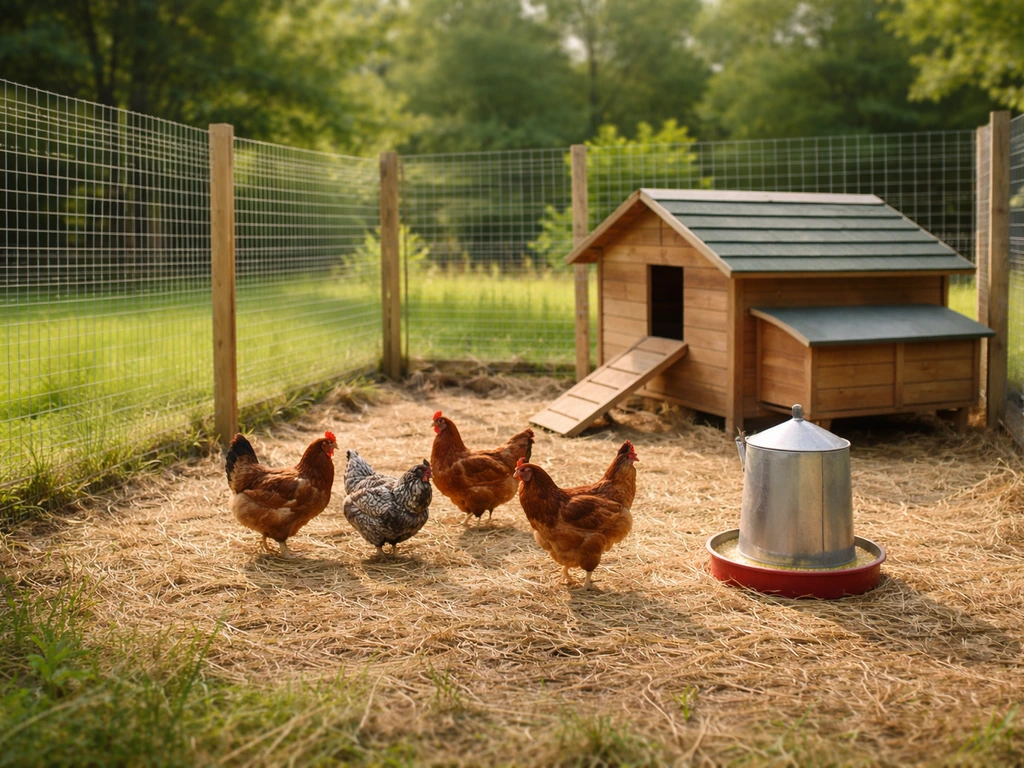
For most beginners, the Cornish Cross broiler chicken is the best meat bird to raise. Bird farming is called poultry farming. It reaches 5+ pounds in 7 to 9 weeks, costs very little to feed compared to what you get back, and is widely available as day-old chicks from hatcheries. If that timeline or the breed's quirks don't suit you, Pekin ducks and heritage turkeys are solid alternatives, each with their own tradeoffs. But if your goal is the fastest path from chick to freezer with the least complexity, start with Cornish Cross.
Best Meat Bird to Raise: Beginner Guide for Fast, Practical Results

Marcus Chen
19 Jun 2026
What 'best meat bird' actually means (and what it doesn't)
Before picking a species, it helps to be clear about the category. Backyard birds broadly fall into three groups: meat birds (raised specifically for fast growth and efficient feed conversion), egg layers (bred for high egg output, usually with leaner body mass not worth processing), and dual-purpose breeds (decent at both but genuinely great at neither). Bird farming is essentially raising meat birds or ducks or turkeys for harvest, including planning species, housing, feeding, and processing. If you want to put real meat in the freezer efficiently, you want a purpose-bred meat bird, not a dual-purpose compromise.
Dual-purpose birds like Rhode Island Reds or Plymouth Rocks come up a lot in beginner conversations because they seem versatile. In practice, you'll spend significantly more money and time feeding them to reach a smaller carcass compared to a dedicated meat breed. They make sense if you want a single flock that gives you some eggs and occasional table birds, but if meat production is the primary goal, they're not the efficient route. This article focuses on birds raised intentionally for the table. Bird breeding for beginners usually starts with choosing a suitable species, learning basic housing and feeding needs, and planning your timeline for processing or egg production birds raised intentionally for the table.
The top meat bird options for backyard flocks
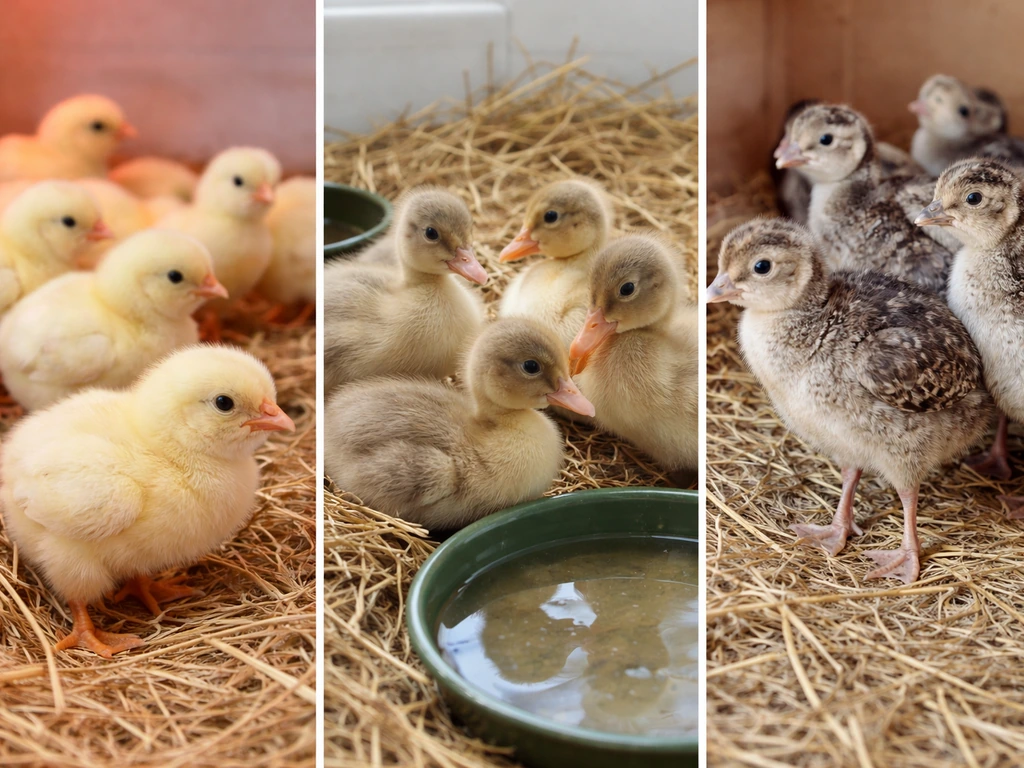
There are really only three species worth serious consideration for a beginner backyard setup: broiler chickens (primarily Cornish Cross), Pekin ducks, and meat turkeys. Each one has a different timeline, temperament, and management demand. Here's how they actually compare.
| Bird | Processing Age | Typical Weight | Protein Needs | Beginner Difficulty |
|---|---|---|---|---|
| Cornish Cross Broiler | 7–9 weeks | ~5 lbs | 22–24% starter, then grower | Low to moderate |
| White Pekin Duck | 7–9 weeks | ~7–8 lbs | Waterfowl-specific starter/grower | Moderate |
| Broad-Breasted White Turkey (hen) | ~14 weeks | ~15 lbs | ~26–28% turkey starter/grower | Moderate to high |
Cornish Cross broilers
This is the bird you're eating when you buy a whole chicken at the grocery store. Cornish Cross (sometimes called Cornish Rock) are fast-growing hybrids developed specifically to convert feed into muscle quickly. UNH Extension describes them as typically ready for processing at 7 to 9 weeks at around 5 pounds, and Iowa State puts the common market broiler window at 6 to 8 weeks. That speed is the whole point. The tradeoff is that they're not built for a long life. If you leave them past 10 to 12 weeks, you're pushing the breed's limits and inviting leg, heart, and mobility problems. Some backyard raisers use restricted feeding schedules to slow their growth and manage those issues, which can work, but adds daily management complexity. For a first-time raiser, plan to process on time and keep it straightforward.
Pekin ducks
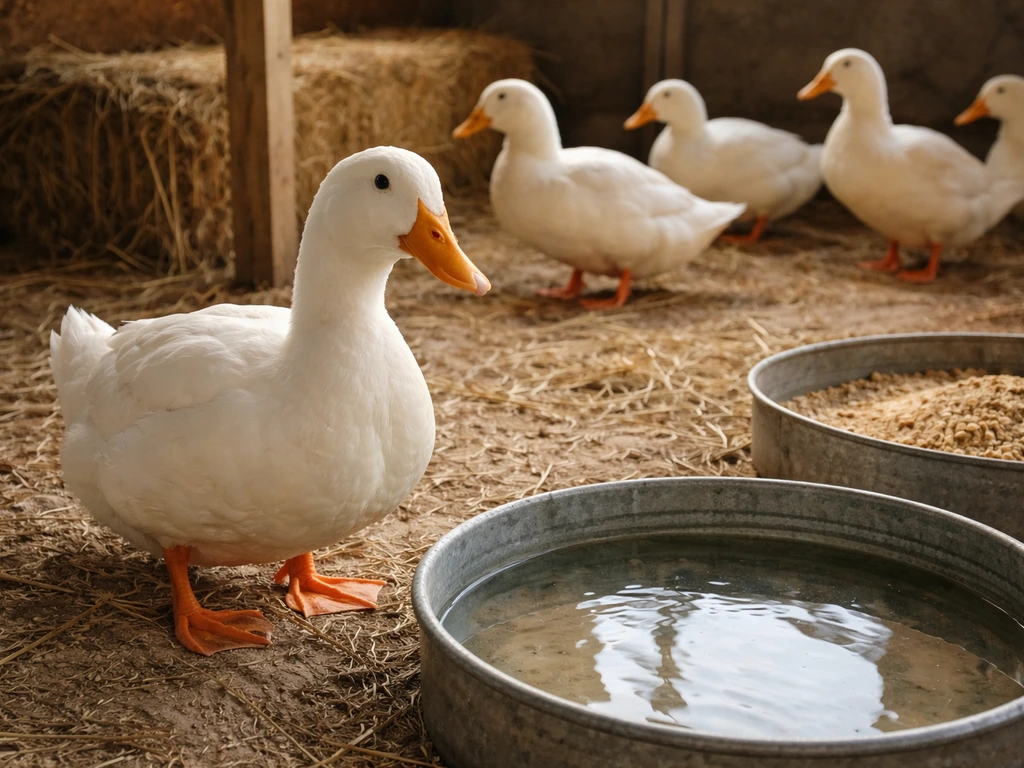
White Pekin ducks are the dominant commercial duck in the US for good reason. They grow fast, have a mild flavor, and reach processing weight at roughly the same timeline as broiler chickens. Muscovy and hybrid mule ducks are also used commercially, but Pekins are easiest to source as day-old ducklings. The key management difference from chickens is that ducks need waterfowl-specific starter and grower feeds. NC State Extension specifically cautions that medicated broiler feeds contain medications not FDA-approved for ducks, so don't just grab whatever chicken feed is on the shelf. Ducks also make a mess with water, which means bedding management is more intensive. Great flavor, but be ready for more cleanup.
Meat turkeys
Broad-Breasted White turkeys are the meat turkey equivalent of Cornish Cross: fast, efficient, purpose-built for the table. Hens commonly reach about 15 pounds around 14 weeks and toms can hit 28 to 30 pounds by 17 to 18 weeks. The longer timeline and higher protein requirements (you need a proper turkey starter at around 26 to 28% protein, not chicken feed) make them a slightly bigger commitment than broilers. They're also more expensive as poults and can be harder to source. If you're raising for Thanksgiving and want a bird you grew yourself, turkeys are genuinely rewarding. As a first meat bird project, they're workable but not the easiest starting point.
Picking the right bird for your situation
The honest answer is that your constraints matter more than any species ranking. Here's how to think through the main factors before you order chicks.
Timeline
If you want meat in the freezer within two months, Cornish Cross or Pekin ducks are your options. Turkeys need at least 14 weeks for hens and closer to 18 for large toms. If you're planning around a holiday meal or a specific date, work backward from your target processing date and confirm which species fits. UMN Extension is clear that you shouldn't keep meat birds longer than needed to reach target weight, so your target date is a real constraint, not just a preference.
Space
A small batch of 15 to 25 Cornish Cross broilers can be raised in a relatively modest setup: a simple brooder space for the first few weeks, then a coop or chicken tractor for the grow-out period. Ducks need more outdoor space and generate wetter litter, which requires more room to manage properly. Turkeys need the most space per bird and are harder to confine reliably. If you're working with a small backyard, broilers are the most forgiving on space.
Budget
Day-old Cornish Cross chicks typically run $3 to $5 each from reputable hatcheries. Feed is your largest ongoing cost: with about 2 pounds of feed per pound of gain, you'll go through 10+ pounds of feed per bird. Turkey poults are more expensive per bird, and the longer grow-out adds weeks of feed costs. Ducks fall in the middle. Factor in the brooder setup (heat lamp or plate brooder, bedding, waterers, feeders) as a one-time cost that you can reuse across multiple batches. If you are planning a bird breeding setup as well, remember to budget for housing and care equipment you can reuse across future cycles.
Local rules and HOA restrictions
This is the step most beginners skip and then regret. Many municipalities allow backyard chickens but have specific limits on flock size, no roosters rules, or prohibit poultry entirely in certain zones. HOAs often have their own restrictions on top of local ordinances. Check your local zoning rules and any HOA agreement before ordering birds. Turkeys and ducks may fall under different categories than chickens in some jurisdictions. A quick call to your county extension office or local zoning department can save you a real headache.
Setting up housing: brooder basics and the grow-out space
The brooder (weeks 1 through 3 or 4)
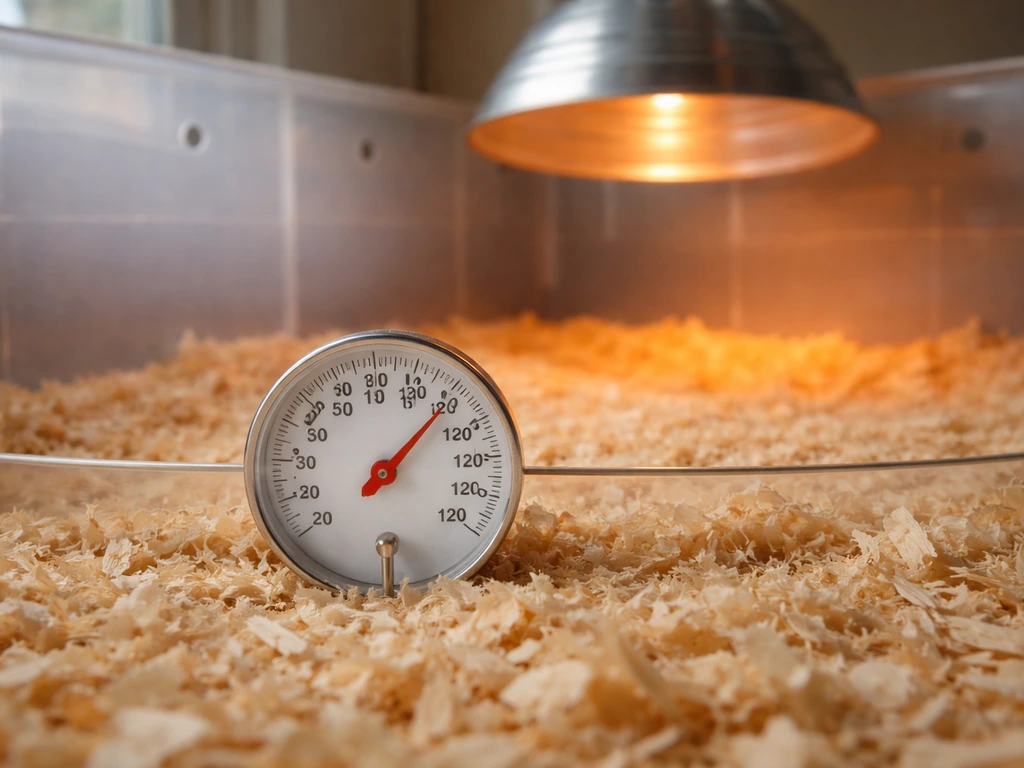
For the first few weeks, chicks and ducklings need supplemental heat. The critical point that UNH Extension emphasizes is that temperature should be measured at chick level, directly in the bird's living zone, not at air level where your thermometer is mounted on the wall. Start at around 90 to 95°F directly under the heat source during the first week and drop it by roughly 5°F each week as the birds feather out. A radiant heat plate (which mimics a mother hen) works well and reduces fire risk compared to a heat lamp, though heat lamps are still widely used and workable if positioned and secured carefully.
Bedding is your biggest daily management task in the brooder. Pine shavings are the standard choice: avoid cedar (the oils are harmful to birds), and don't use anything so fine that chicks will eat it instead of feed. Here's the thing most beginners underestimate: wet litter is your enemy. Mississippi State Extension connects wet, dirty litter directly to elevated ammonia, higher bacterial loads, and foot pad issues. UMN warns that an ammonia smell or damp bedding is a sign you need to improve ventilation and clean up immediately. Ammonia can cause respiratory damage fast in young birds. Spot clean daily, do full bedding changes as needed, and make sure your brooder has real airflow without cold drafts directly on the birds.
The grow-out coop or chicken tractor
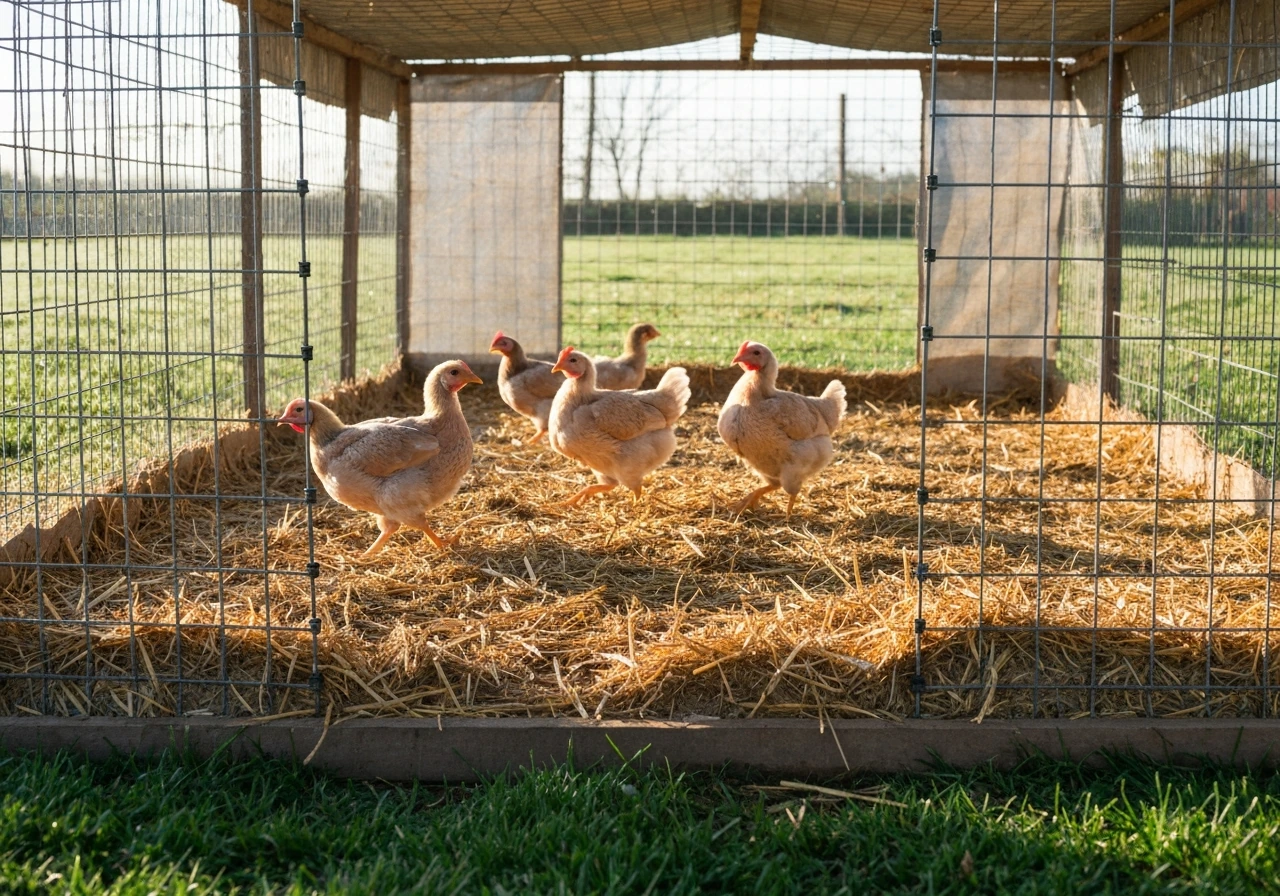
Once birds are fully feathered (typically by 3 to 4 weeks for broilers), they can move to a coop or a portable chicken tractor on pasture. A tractor setup lets you move the birds to fresh ground every day or two, which keeps litter loads manageable and gives the birds some environmental variety. For a love bird breeding setup, good water access, comfortable heat, and predator-safe housing all matter just as much as the feed predator protection. Whatever structure you use, predator protection is non-negotiable: hardware cloth (not standard chicken wire, which is not predator-proof) on all openings, a secure floor or apron to prevent digging, and a latching door that closes at dusk. Cornish Cross broilers in particular aren't very mobile or alert, which makes them easy targets for any predator that can get access.
Feeding, water, and keeping birds healthy
What to feed and when
UMN Extension recommends a chick starter with 22 to 24% protein for at least the first week and up to week four for meat birds. After that, transition to a grower/finisher feed (typically 18 to 20% protein for broilers). For turkeys, you need a turkey-specific starter at around 26 to 28% protein, because regular chick starter doesn't have enough protein for turkey poults. For ducks, use a waterfowl or non-medicated feed: NC State Extension specifically flags that medicated broiler feed uses medications not approved for ducks, so this isn't just a preference, it's a food safety issue.
For Cornish Cross specifically, some raisers practice restricted feeding where they limit feed access to 12 hours on, 12 hours off. The idea is to slow the growth rate slightly and reduce the risk of heart and leg issues that come with extremely rapid gain. If you're seeing birds that can't stand well or are breathing heavily, restricting feed access is worth trying. For a short 7 to 8 week grow-out, many raisers keep feed available around the clock without major issues.
Water access is not optional and not flexible. Meat birds drink constantly, especially in warm weather, and water restriction leads to health crashes fast. Check and refill waterers at least twice daily. Keep waterers clean to prevent bacterial buildup, and position them so birds can't knock them over into the bedding.
Health basics and what to watch for
The two biggest health threats in a backyard meat bird setup are coccidiosis and respiratory issues from ammonia. Coccidiosis is a gut parasite that Penn State Extension notes is common in litter-raised flocks, with bird density and litter quality directly affecting risk. Wet, dirty litter creates ideal conditions for coccidia to proliferate. Signs include bloody or loose droppings, lethargy, hunching, and reduced feed intake. Prevention is mostly biosecurity: keep wild birds and rodents out of your coop (UMN Extension specifically lists wild bird exclusion as a coccidiosis prevention step), keep litter dry, and don't overcrowd birds.
Respiratory problems often trace back to ammonia from damp bedding or poor ventilation. If you walk into the brooder or coop and your eyes water or you smell ammonia at nose level, the birds are living in it at their level and it's already causing damage. Fix the ventilation and change the bedding before it becomes a pneumonia situation. For Cornish Cross specifically, also watch for birds that are struggling to walk, panting at rest, or showing swollen legs, which can indicate the cardiovascular and skeletal issues this breed is prone to with very rapid growth.
You don't need a vet relationship for a short meat bird raise, but if you're seeing multiple sick birds, don't just wait it out. Your county extension office or a local poultry vet can often diagnose common flock issues quickly. Some states have poultry diagnostic labs that can run a necropsy on a dead bird for low or no cost, which is genuinely useful if you're losing multiple birds and can't identify the cause.
Processing at home: what it actually involves
Processing, also called butchering or slaughtering, is the part of meat bird raising that most guides soft-pedal. If you're trying to streamline setup, choosing the best bird incubator can make hatching smoother before the chicks move to the brooder meat bird raising. You should go in knowing what's involved so you're not caught off guard on processing day. Home processing involves killing the bird, scalding the carcass (to loosen feathers), plucking, evisceration (removing the organs), and chilling the carcass. It takes roughly 20 to 40 minutes per bird if you're working alone for the first time, and faster with practice or a helper.
Key steps and food safety points
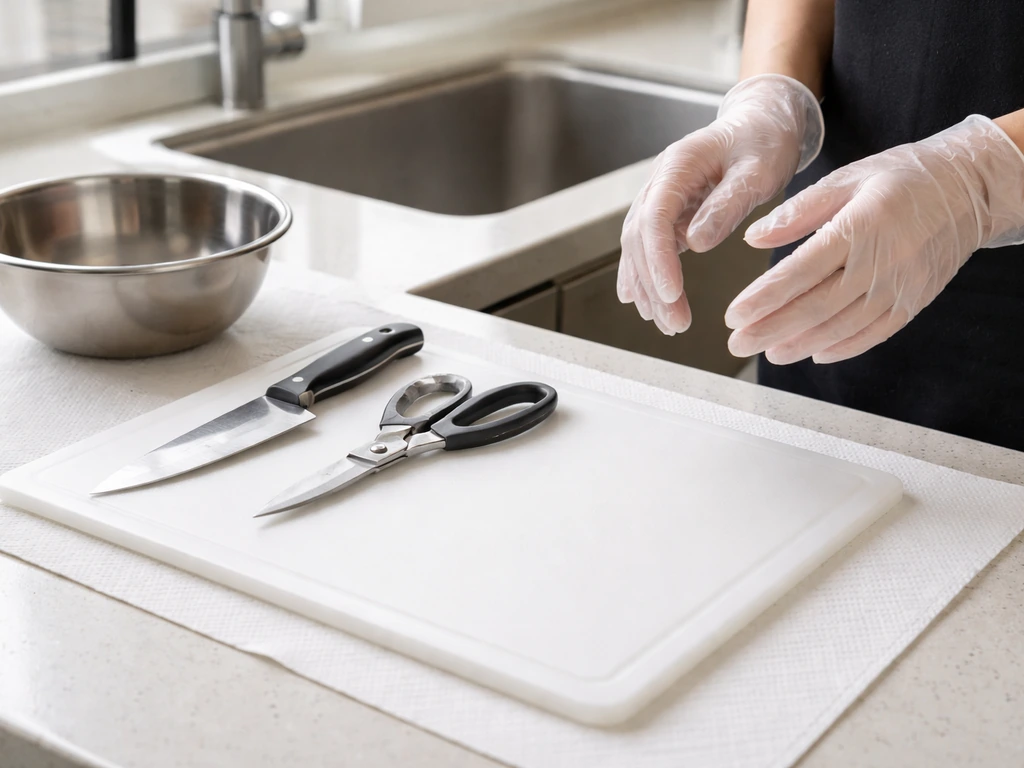
Withhold feed for 9 to 12 hours before processing: UMD Extension recommends this to reduce the fecal content in the gut, which reduces contamination risk during evisceration. Don't withhold water. On processing day, UMN Extension's guidance is clear that blank" rel="noopener noreferrer">dirty birds contaminate scald water, which can then contaminate the meat. Rinse birds thoroughly before scalding. Scald water temperature should be in the 130 to 160°F range (UMD Extension), with higher temps (around 150 to 160°F) working faster. UMD Extension also specifies scald water should be kept in the 130 to 160°F range to loosen feathers effectively during home processing blank" rel="noopener noreferrer">scald water temperature should be in the 130 to 160°F range. After plucking and evisceration, chill the carcass in ice water to bring the internal temperature down to 40°F as quickly as possible.
When it comes to cooking and storage: the USDA recommends cooking poultry to an internal temperature of 165°F measured with a food thermometer, and USDA FSIS guidelines say to use cooked chicken within 3 to 4 days when refrigerated at 40°F or below. For longer storage, vacuum seal and freeze immediately after chilling. Most whole carcasses keep well in the freezer for 9 to 12 months.
DIY vs. outsourcing processing
If you don't want to process at home, many areas have USDA-inspected poultry processors or small custom-exempt processors who will handle it for a per-bird fee, often $5 to $15 per bird. The advantage is equipment, speed, and a USDA-inspected label if you plan to give or sell meat. The disadvantage is you need to transport live birds and coordinate a drop-off date. For a first batch of 10 to 25 birds, having a local processor handle it is a completely reasonable choice that lets you focus on the raising side first.
What to do and what to skip: beginner checklist
Here's the short version of what actually matters and what trips up first-timers. If you want an easy place to start, compare bird breeds for beginners based on your timeline, space, and feed budget. This applies whether you're raising broiler chickens, ducks, or turkeys, though the specifics vary by species.
- DO check local zoning and any HOA rules before ordering birds
- DO order Cornish Cross as your first meat bird if you want the fastest, simplest path
- DO use species-appropriate feed: 22–24% protein chick starter for broilers, 26–28% turkey starter for poults, and non-medicated waterfowl feed for ducks
- DO keep litter dry and ventilation strong from day one: ammonia and wet bedding cause more beginner losses than almost anything else
- DO measure brooder temperature at bird level, not at your eye level
- DO plan your processing date before you order chicks and work backward from it
- DO withhold feed (not water) for 9–12 hours before processing day
- DO chill carcasses in ice water immediately after evisceration
- DON'T feed medicated broiler feed to ducks
- DON'T keep Cornish Cross past 10–12 weeks: the health issues compound fast after that window
- DON'T skip predator-proofing: hardware cloth, not chicken wire, on all openings
- DON'T let waterers run dry, especially in warm weather
- DON'T ignore birds that are hunching, not eating, or showing loose/bloody droppings: that's coccidiosis until proven otherwise
If you're interested in the broader context of what's involved in keeping birds for production, topics like bird breeding setups, incubation, and what bird farming actually involves are all worth exploring as you build out your operation. But for a first project, keep the scope tight: one batch of 15 to 25 Cornish Cross broilers, a simple brooder and tractor setup, the right starter feed, clean dry bedding, and a processing date on the calendar. If you're trying to figure out the best bird for breeding, it helps to start with the specific species and breeding goals for your setup one batch of 15 to 25 Cornish Cross broilers. That's a complete and realistic first project, and it's enough to learn what you actually want to do differently next time.
FAQ
How long can I keep Cornish Cross before it stops being worth it?
Plan on processing by your target weight, because leaving Cornish Cross beyond about 10 to 12 weeks is where mobility and heart or leg problems become much more common. If you cannot guarantee a processing date, it is usually better to raise fewer birds and aim for a shorter window rather than “stretching” the batch.
My birds seem slow or breathing hard, do I just change their feed?
Yes, you should expect it, and the fix is to manage the environment, not just the feed. Wet bedding or poor ventilation raises ammonia quickly, and ammonia irritation can cause respiratory trouble that looks like a “food” problem. If you smell ammonia at chick or bird level, clean bedding and improve airflow before you try supplements.
Can I use leftover chicken feed for ducks or turkey poults?
Typically, no. Turkeys need turkey-specific starter with much higher protein than standard chicken starter, and ducks generally should not be fed medicated broiler feed. If you mix brands, check labels for protein %, species suitability, and whether any medication is included.
Do I need an incubator to raise the best meat bird, or can I just buy chicks/poults?
It depends on your starting stock and where you live, but in many places you can safely start with day-old chicks or poults and then process within the species timeline without incubating eggs. If you want control and lower cost later, batch incubation makes sense, but it adds extra equipment and timing coordination.
Is it better to process at home or use a local processor for the first batch?
For small, fast batches, a local processor can be easier than DIY, especially if you are nervous about sanitation and timing. A key detail is to confirm whether they accept live birds from your home and whether they provide a dated drop-off window, because that coordination often matters more than the per-bird fee.
How do I avoid coccidiosis if I want to raise more birds in a small yard?
Overcrowding increases both coccidiosis risk and ammonia buildup, so “more birds in the same space” usually backfires. Start with a density that lets you keep litter dry and still provide adequate ventilation, then adjust based on how wet the bedding gets and how quickly birds foul the brooder area.
Should I restrict-feed Cornish Cross from day one?
If you keep feed available all day, Cornish Cross typically do fine for the short 7 to 9 week window the breed is known for. Restricted feeding is an optional tool, but it requires consistent daily timing and careful observation, so it is better reserved for birds that show mobility or breathing stress.
My thermometer reads 90°F, why are my chicks acting too cold or too hot?
Warm air alone is not enough, measure at bird level and watch behavior. Chicks that pile directly under the heat are too cold, and chicks that spread out rapidly away from the heat or pant are too hot. Adjust the heat source position and the brooder temperature gradually rather than making large jumps.
What bedding strategy works best for Pekin ducks to keep ammonia down?
Clean, dry bedding helps, but water management matters equally for ducks. Use waterers that minimize splash, place them where the ground beneath stays dry, and be ready to change bedding more often because water fowl litter can become wet much faster than chicken bedding.
What should I track so my next batch is easier and healthier?
Keep records for each batch: hatch date, feed start, when you switch feed, daily water checks, and your processing deadline. This makes it much easier to troubleshoot issues next time because you can correlate problems with temperature days, feed changes, or wet-litter periods.
Next Article
Bird Farming Is Called What? Poultry Farming vs Aviculture
Bird farming is called poultry farming or aviculture, depending on context, with beginner guidance for pet vs breeding