If you're choosing your first pet bird today, start with a budgie or a cockatiel. Once you have the basics down for bird breeding for beginners, you'll be better prepared to plan housing, diet, and timing appropriately. They're genuinely forgiving for beginners, they bond well with people, they're widely available, and their care requirements are manageable without a steep learning curve. Finches and canaries are excellent low-interaction alternatives if you'd rather watch than handle.
Bird Breeds for Beginners: Best Starter Pet Birds and Care
Marcus Chen
28 May 2026
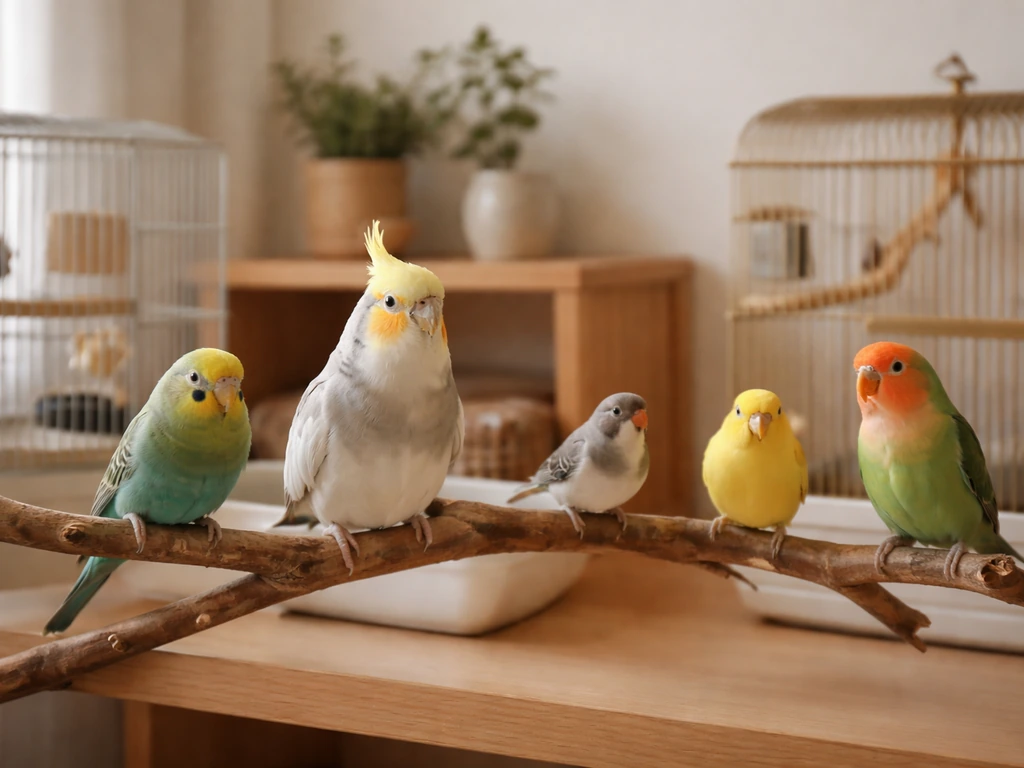
Lovebirds sit in the middle: charming and social, but a touch more demanding than people expect. Bird farming is called aviculture, and it focuses on responsible breeding and care. Every one of those five species is considered appropriate for new owners, and the rest of this guide will help you figure out which one fits your actual life right now.
The five beginner-friendly bird breeds worth knowing
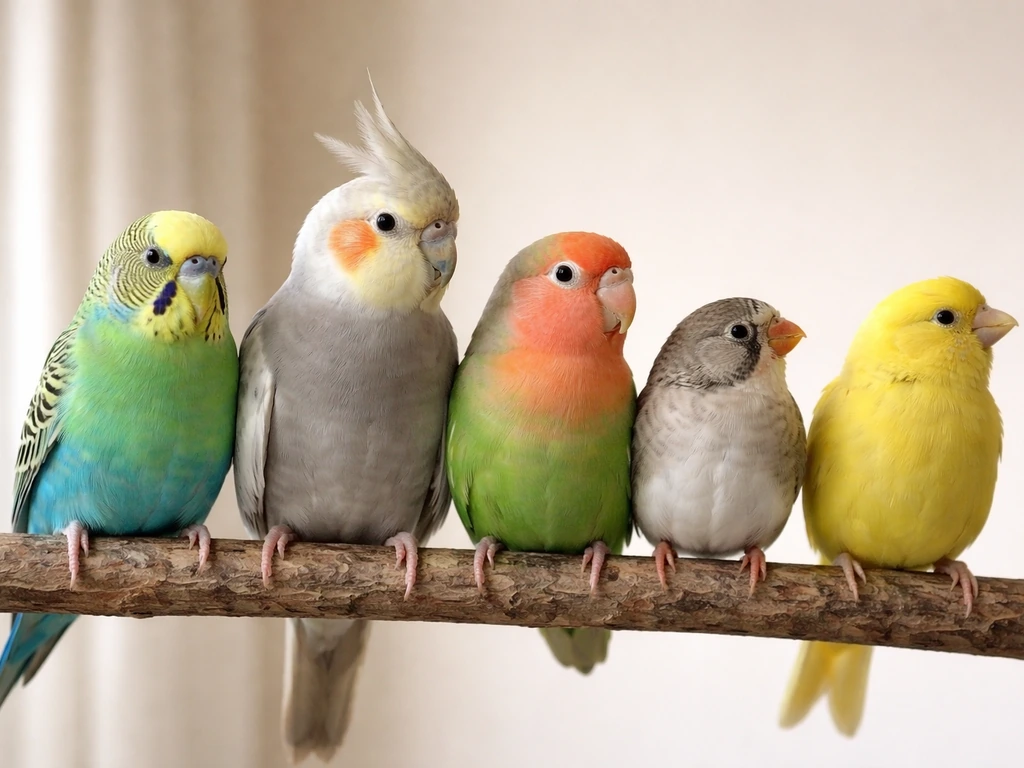
The Humane Society recognizes exactly five species as genuinely suitable pets for most households: canaries, finches, budgerigars, lovebirds, and cockatiels. That short list isn't arbitrary. These birds have been kept as companions long enough that their needs are well understood, their temperaments are predictable, and their care infrastructure (cages, food, avian vets) is widely accessible. Larger parrots like macaws and African greys get a lot of attention online, but they're not beginner birds. They require decades-long commitments, specialized diets, and a level of behavioral knowledge that takes years to develop. If you're starting out, stick to the five.
Each of the five has a distinct personality profile. Budgies and cockatiels are the most interactive and handleable. Lovebirds are social but opinionated. Finches and canaries are observational pets that prefer the company of their own kind over humans. Knowing that one distinction upfront saves a lot of frustration.
Budgies, cockatiels, lovebirds, finches, and canaries: what each one is actually like
Budgies (budgerigars)
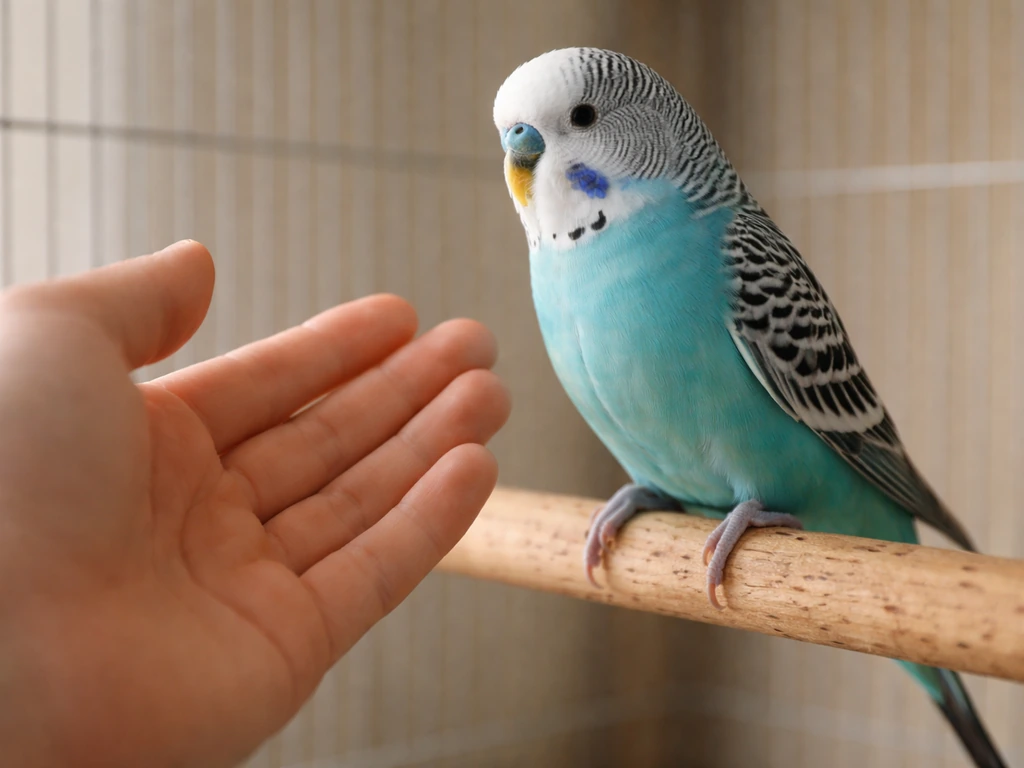
Budgies are the classic starter bird for good reason. They're small, curious, and trainable. A hand-raised budgie can learn to step up, sit on your shoulder, and even mimic speech. They're active during the day, which means you'll hear chirping and movement, but the noise level is cheerful rather than piercing. If you want a bird that actually interacts with you, the budgie is probably your best first pick. They're also among the most affordable birds to buy and maintain.
Cockatiels
Cockatiels are slightly larger than budgies and often described as gentler in temperament. They whistle more than they talk, and their whistles can get loud when they want attention, especially at sunrise. What makes cockatiels special is how affectionate they get once they trust you. A well-socialized cockatiel will actively seek out your company. They're a step up in commitment from a budgie but not by much, and that extra investment tends to pay off in personality.
Lovebirds
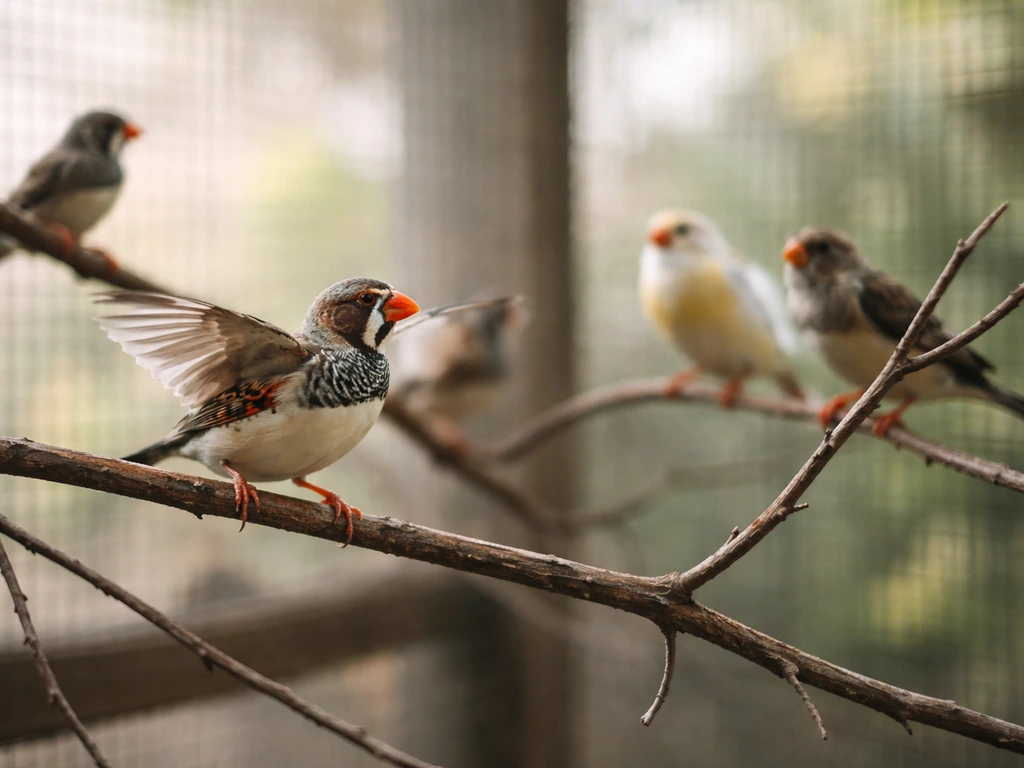
Lovebirds have a reputation for being cuddly little parrots, and they can be, but they also have a feisty streak that surprises a lot of first-time owners. They're highly social and bond intensely, either with their owner or with a cage mate. If you keep a single lovebird, you need to be prepared to give it a lot of daily attention. They also need daily feed portions of around 1.5 to 2 ounces (45 to 60 grams). They're wonderful birds, but they reward owners who do their homework first.
Finches
Finches are for people who love watching birds rather than handling them. They're active, fast-moving, and entertaining in pairs or small groups, but they're not lap birds. Most finches actually prefer minimal human contact and thrive best when kept with at least one other finch. They're an ideal choice for someone with a busy lifestyle who still wants the joy of birds in their home without the daily one-on-one interaction requirement.
Canaries
Canaries are similar to finches in their preference for observation over handling, but they're primarily known for their song. Male canaries in particular sing beautifully, and for many owners that's the whole point. They're content as solo birds and are generally easier to house than flock-oriented finches. If you want a peaceful, melodic bird that doesn't need constant attention, a canary delivers that consistently.
Temperament, noise, and daily commitment compared
| Bird | Temperament | Noise Level | Handling/Bonding | Daily Time Needed |
|---|---|---|---|---|
| Budgie | Curious, playful, trainable | Low to moderate chirping | High, tames well | 30+ minutes interaction |
| Cockatiel | Affectionate, gentle, sociable | Moderate (whistling, contact calls) | High, bonds strongly | 30–60 minutes interaction |
| Lovebird | Bold, intense, opinionated | Moderate to high shrieking | High if hand-raised, can be nippy | 45–60+ minutes interaction |
| Finch | Skittish, active, flock-oriented | Soft chirping, minimal | Low, prefers watching | 15–20 minutes observation/maintenance |
| Canary | Independent, calm | Males sing frequently (melodic) | Low, tolerates handling poorly | 15–20 minutes maintenance |
One thing the table can't fully capture: noise is relative. A cockatiel contact-calling at 7 AM will absolutely wake you up. A canary singing in the afternoon is genuinely relaxing. If you're in an apartment with thin walls or you work night shifts, a finch or canary is going to be a better fit than a cockatiel or lovebird. Be honest with yourself about your living situation before you fall in love with a bird that's going to create friction with your neighbors.
Housing essentials and cage setup by bird type
Cage size is one of the areas where beginners consistently underestimate what's needed. If your goal is raising poultry for meat, your bird choice will affect cage space, feeding, and growth timeline, so it's worth planning around the best meat bird to raise. A good incubator can make it easier to maintain stable warmth and humidity during incubation best bird incubator.
The minimum cage size for budgies, cockatiels, and lovebirds is roughly 20x20x30 inches, and bar spacing should be no wider than 0. 5 inches for those species. That bar spacing rule matters for safety: wider bars let small birds get their heads stuck or squeeze through. For finches and canaries, the priority shifts more toward horizontal length since they fly side to side rather than climbing.
A cage that's at least 30 inches wide gives them meaningful flight space.
Perch placement is something most beginners get wrong. You don't want just one dowel at the same height. Vary the perch diameters (roughly 0.5 to 0.75 inches for small birds), place them at different heights, and make sure your bird can wrap its toes about three-quarters of the way around the perch while standing comfortably. If their toes splay out flat, the perch is too wide. If they're gripping a tiny rod with toes all bunched, it's too narrow. Both cause foot problems over time.
Ventilation and air quality are genuinely critical, and this is something that catches new bird owners off guard. Birds, especially finches, are extremely sensitive to airborne fumes. Non-stick cookware heated to high temperatures, scented candles, air fresheners, and even certain cleaning products can be fatal. Keep birds out of kitchens, ventilate your space well, and never use aerosol sprays near your bird's room. This isn't alarmist; it's the most preventable cause of sudden bird death.
- Minimum cage for budgies, cockatiels, lovebirds: 20x20x30 inches, bar spacing 0.5 inches max
- Finches and canaries: prioritize horizontal flight space, at least 30 inches wide
- Use perches of varying diameters so feet get a natural workout
- Place cage away from drafts, direct sun, and kitchen fumes
- No non-stick cookware (PTFE fumes), scented candles, or aerosol sprays near birds
- Clean the cage with bird-safe solutions only; rinse thoroughly before returning the bird
Feeding basics and safe treats for each breed
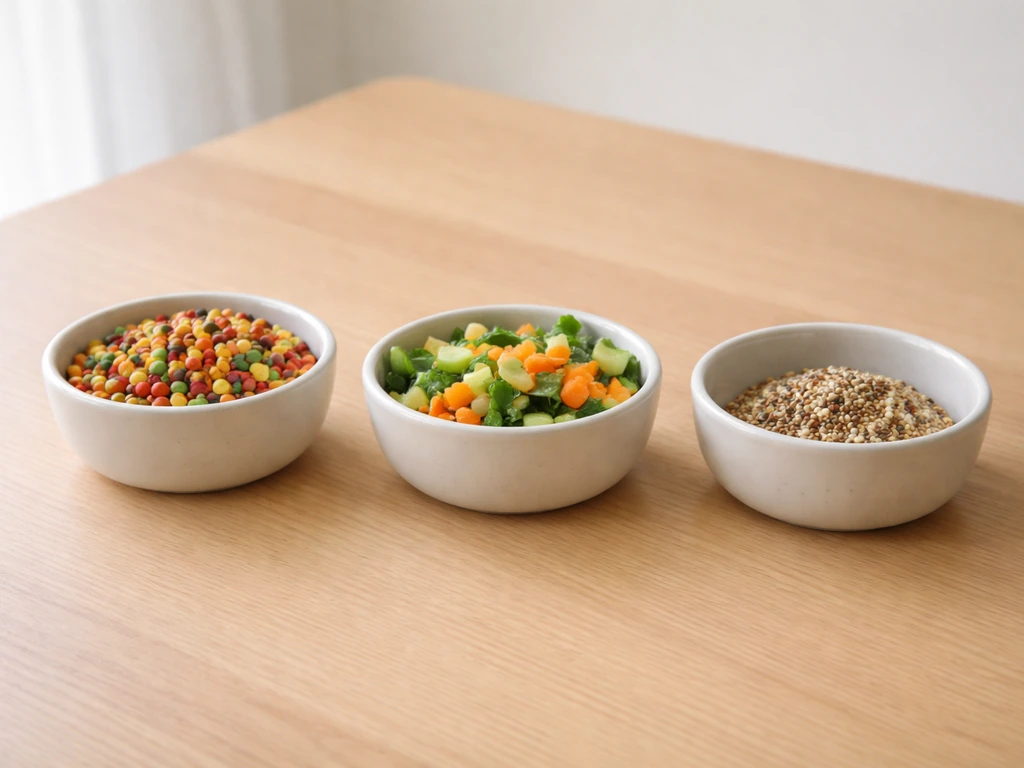
Here's a myth worth addressing upfront: seeds are not a complete diet, even though that's what most people picture when they imagine bird food. VCA Animal Hospitals notes that a nutritionally suitable budgie diet is pelleted food formulated for small birds. A seed-only diet is the avian equivalent of feeding a child only chips. Seeds are high in fat and low in the vitamins and minerals birds need for long-term health. The current guidance from multiple veterinary sources puts pellets at 60 to 70 percent of the diet for most small birds, with fresh vegetables and fruit making up another 25 to 35 percent, and seeds treated more like a condiment or training reward rather than the main course.
Transitioning a seed-addicted bird to pellets takes patience. Cold-turkey swaps usually fail. The standard approach is to mix pellets in with seeds, then gradually shift the ratio over several weeks while the bird adjusts. Don't panic if a bird refuses pellets initially; keep offering them alongside familiar foods and monitor weight. The transition is worth the effort because pellet-fed birds typically have better feather quality, steadier energy, and longer lifespans.
For vegetables, dark leafy greens like kale, spinach, and romaine are safe and nutritious. Carrots, bell peppers, and broccoli work well too. For fruit, small amounts of apple, mango, or berries are fine as treats. What to avoid absolutely: avocado, garlic, onions, chocolate, alcohol, and coffee or caffeine in any form. These aren't foods birds will obviously reject and they can cause serious harm or death, so keep them away entirely.
| Bird | Pellet Target | Vegetables/Fruit | Seeds | Notes |
|---|---|---|---|---|
| Budgie | 60–70% of diet | 20–30% (dark greens, carrots) | 5–10% max | Use pellets formulated for small birds |
| Cockatiel | 60–70% of diet | 20–30% | 5–10% max | Same small-bird pellet formula works |
| Lovebird | 60% of diet | 30–35% | 5–10% max | Daily feed ~1.5–2 oz (45–60g) per bird |
| Finch | 60–70% of diet | 20–30% | 10–15% max | Use finch-specific pellet formula |
| Canary | 60–70% of diet | 20–30% | 5–10% max | Seed-heavy diets are a common mistake |
Health, lifespan, and the issues beginners run into first
Birds hide illness. That's not a metaphor; it's a survival instinct. In the wild, a visibly sick bird is a target, so they mask symptoms until they physically can't anymore. By the time a bird looks sick to you, it's often been sick for a while. This is the single most important thing to understand as a new bird owner. You need to know what your bird's baseline looks like when it's healthy, because subtle changes, like a slight drop in energy, eating a little less, or sitting fluffed up more than usual, are often early warning signs.
Emergency signs that require same-day veterinary attention include open-mouth breathing, gasping, labored breathing with audible sounds on each breath, and loss of balance. Fluffed feathers combined with closed eyes during daylight hours are also red flags. For lovebirds specifically, egg binding is a known risk in females and is a genuine emergency if suspected. Respiratory illness, yeast infections (candidiasis), internal parasites, and bacterial infections round out the common health issues across the five beginner species.
On lifespan: budgies typically live 7 to 15 years with good care, cockatiels 15 to 25 years, lovebirds 10 to 15 years, finches 5 to 10 years, and canaries around 10 to 15 years. These aren't short commitments. Find an avian vet before you bring your bird home, not after something goes wrong. General practice vets often lack the training needed for birds, so specifically look for someone with avian experience.
- Learn your bird's healthy baseline behavior and monitor for subtle changes
- Fluffed feathers plus closed eyes during the day = call the vet
- Open-mouth breathing or gasping = same-day emergency
- Lovebird females: watch for egg binding (straining, swollen abdomen, lethargy)
- Find an avian-experienced vet before you need one
- Annual checkups are worth it even when the bird seems fine
Enrichment, training, and keeping your bird mentally healthy
Boredom causes real behavioral problems in birds. A cockatiel or budgie left alone in a bare cage all day will feather-pluck, scream, or develop repetitive behaviors. The fix isn't complicated, but it does require consistency. Toys that encourage foraging (hiding food inside them so the bird has to work for it) are particularly effective because they engage natural problem-solving instincts. Rotate toys every week or two so novelty is maintained. A bird that's been staring at the same three toys for two months isn't stimulated.
For budgies and cockatiels, daily out-of-cage time in a safe, bird-proofed room is important. Thirty minutes minimum, more if you can manage it. Supervised flight and exploration are genuinely enriching. Cockatiels in particular benefit from mimicking interaction: whistling back and forth, learning simple tunes, and just being near you while you work. Lovebirds need similar interaction and do well with puzzle toys and climbing opportunities inside the cage.
Training is simpler than most beginners expect. The step-up command (getting the bird to step onto your finger on cue) is the foundation of everything. Start inside the cage, offer your finger at chest height, say 'step up,' and reward with a small treat when the bird complies. Keep sessions short, around five minutes, and end on a positive interaction. Positive reinforcement works; punishment-based approaches don't, and they damage trust quickly. With consistent daily practice, most budgies and cockatiels pick up basic commands within a few weeks.
Finches and canaries don't need or particularly want training or handling, but they still benefit from enrichment. Give them swings, natural branches at varied heights, and bathing opportunities. Misting finches gently with lukewarm water a few times a week supports their grooming if they're not using a bath dish on their own. Keep their environment visually stimulating without overcrowding the cage so they have room to fly.
Buying, adopting, and finding a bird you can trust
The source matters more than most people realize when buying a first bird. A bird that was handled frequently as a chick, kept in a clean environment, and socialized with humans is going to be dramatically easier to bond with than one that sat in a pet store cage for three months with minimal contact. That difference in early experience shapes the bird's temperament in ways that take a long time to undo.
If you're buying from a breeder, ask to see where the birds are kept. If your goal is the best bird for breeding, focus on a breeder who can explain mating readiness, lineage, and aftercare. A reputable breeder will have clean enclosures, healthy-looking birds with clear eyes and smooth feathers, and will be able to tell you the bird's hatch date and how it was socialized.
They'll also ask you questions, because a good breeder cares where their birds end up. If someone is eager to sell you a bird quickly without asking anything about your setup, that's a yellow flag. For anyone interested in eventually breeding birds themselves, it's worth noting that starting with a healthy, well-sourced bird is just as critical to a successful breeding setup as it is for a pet situation. A well-planned love bird breeding setup starts with the right pair, safe housing, and a reliable care routine before you ever think about eggs.
For anyone interested in more advanced projects later, getting your bird breeding setup right starts with the same fundamentals of space, safety, and clean air. If you are considering breeding birds, you may also hear that bird farming is called aviculture. If you do move toward a love bird breeding setup, plan the cage, nesting space, and veterinary support carefully before you pair birds.
Bird farming refers to the breeding and rearing of birds, usually done in controlled facilities, and it has its own expectations around space, care, and sourcing. If you are wondering what is bird farming and how it differs from breeding pets at home, that initial definition is a good place to start.
Rescue and adoption are underrated options for beginners. Many bird rescues have cockatiels, budgies, and lovebirds available from owners who took on more than they could handle. Rescue birds sometimes need extra patience, but rescues typically assess the bird's temperament before adoption and can match you with an appropriate bird for your experience level. Ask the rescue about the bird's history, what it's used to, and any known behavioral quirks.
When evaluating any bird before bringing it home, watch it for a few minutes before interacting. A healthy bird should be alert, active, and responsive. Avoid birds sitting hunched on the bottom of the cage, birds with discharge around the eyes or nostrils, or birds with ruffled feathers and low energy. These are signs of illness, not just shyness. A healthy bird in a stressful environment will still hold itself upright and track movement.
- Prioritize breeders or rescues that handle chicks from an early age
- Ask about hatch date, socialization history, and what the bird currently eats
- Visit in person if at all possible and observe the bird before handling
- Healthy birds: clear eyes, smooth feathers, upright posture, alert behavior
- Avoid birds on the cage floor, with eye/nasal discharge, or showing lethargy
- Have your cage set up and vet contact identified before pickup day
- Give any new bird a quiet quarantine period of 2 to 4 weeks before introducing it to other pets or birds
FAQ
Should I get one beginner bird or two at the same time?
For most first-time owners, the smoothest path is to start with one bird (budgie, cockatiel, or lovebird) unless you are intentionally choosing a paired setup. Finches and canaries generally do better in groups, but pairing should match their social needs, not just your preference to “keep them company.” Adding a second bird too soon can also prolong quarantine and make early health monitoring harder.
When should I see an avian vet, and what should I ask for at the first appointment?
Assume you will need a full avian vet visit schedule before anything “looks bad.” Book an appointment soon after purchase or adoption, then ask the clinic what baseline exam they recommend (weight, fecal test, respiratory check) and how soon follow-ups are needed for your species. This helps because birds often hide illness until late.
How do I introduce a new bird to another bird I already own?
Yes, but do it in a structured way. Keep the new bird in a separate room with its own equipment for quarantine, typically several weeks, then only introduce after you confirm stable eating, breathing, and droppings. If you already have a bird at home, introductions should be slow and supervised, and you should plan for setbacks if the new bird is stressed.
Is it safe to keep a first bird in a home with scented products or during cold weather when I heat more often?
Start with a lower, safer temperature approach and avoid fumes. In practice, maintain good room ventilation and avoid cooking odors, cleaners, candles, and aerosol sprays around the bird area. If heating is needed, use bird-safe methods (for example, sealed heating sources) and never place heat sources that can off-gas near the cage.
What droppings and behavior changes should I treat as “early warning signs” versus normal variation?
Use the bird’s normal droppings and activity as your baseline, then watch trends rather than one moment. Sudden changes like watery diarrhea, missing droppings, straining, or a marked drop in appetite paired with fluffed sitting are stronger red flags than minor fluctuations. If you see persistent abnormal droppings for more than a day, contact an avian vet.
What if my budgie or cockatiel is not learning step-up quickly, is it normal?
Trainability depends heavily on how the bird reacts to handling and how consistent you are. Many budgies and cockatiels learn step-up within weeks, but you may need longer if the bird is nervous, recently adopted, or not hand-raised. The fastest progress usually comes from daily short sessions, chest-height offers, and stopping the session before the bird becomes fearful.
How often should I clean the cage and food bowls, and what cleaning products are safe?
For small birds, disinfect cages and bowls with bird-safe practices, then rinse thoroughly and fully dry before reuse. Avoid harsh fumes and never use aerosol disinfectants or cleaners near the cage. Also, clean food and water daily, spot-clean droppings frequently, and do deeper cleaning on a regular schedule to prevent buildup that stresses the bird’s respiratory system.
How much out-of-cage time should a beginner plan for each bird type?
Yes, but you should match it to the bird’s needs and your setup. Budgies and cockatiels can become more attached with frequent supervised out-of-cage time, while finches and canaries often prefer minimal handling and do best with environmental enrichment like varied perches and bathing options. If your bird is stressed during handling, increase time near you instead of forcing touch.
I have a female lovebird, what are the warning signs of egg binding and what should I do immediately?
Egg binding is an emergency for females, but you can reduce risk by not overfeeding and by ensuring a balanced diet that supports normal reproductive health. If a lovebird hen starts acting restless, sits frequently in a hunched posture, or seems unable to lay, treat it as urgent and contact an avian vet the same day. Do not try to “wait it out.”
What is the best way to switch a seed-heavy bird to pellets without losing weight or stressing it too much?
If your bird is seed-addicted, keep transitions gradual and predictable. Mix pellets into the familiar food first, then steadily increase pellet percentage over several weeks, while monitoring weight and droppings. Avoid sudden complete swaps, and consider offering pellets in multiple formats (different shapes or crushed and moistened options) if your vet says it is appropriate for your bird.