Raising birds in captivity is most broadly called aviculture, while raising domestic birds like chickens or ducks for eggs and meat is specifically called poultry farming. If you're keeping a parrot, a cockatiel, or a budgie at home, the correct term for what you're doing is companion bird ownership or pet bird keeping, not farming. Each of these terms points to a very different setup, responsibility level, and mindset, and mixing them up is one of the most common ways beginners get confused before they've even bought their first cage.
Bird Farming Is Called What? Poultry Farming vs Aviculture
Marcus Chen
10 Jun 2026
The main terms and what they actually mean
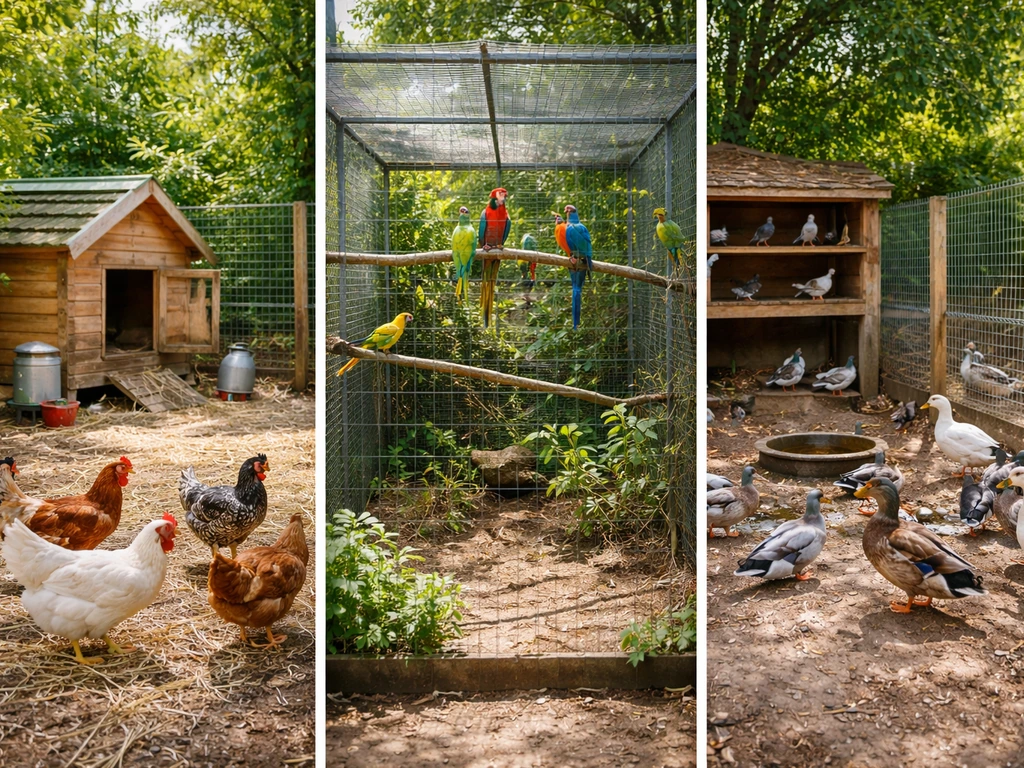
These words get used interchangeably online, which creates a lot of unnecessary confusion. Here's what each one actually covers.
| Term | What it covers | Typical birds involved | Primary goal |
|---|---|---|---|
| Aviculture | Keeping and breeding birds in captivity, across any context | Parrots, finches, softbills, game birds, rare/wild species | Breeding, conservation, hobby, exhibition, companionship |
| Poultry farming | Commercial or small-scale production of domestic birds for food | Chickens, turkeys, ducks, geese, quail | Meat and egg production for human consumption |
| Companion bird keeping / pet bird ownership | Keeping birds as household pets with welfare and bonding as the focus | Parrots, cockatiels, budgies, canaries, finches | Companionship, enrichment, daily care |
| Backyard flock keeping | Small-scale, non-commercial poultry husbandry at home | Chickens, ducks, quail | Home egg supply, hobby, small production |
Aviculture is the umbrella. According to Britannica, it literally means the raising and care of wild birds in captivity, covering everything from breeding game stock to preserving endangered species to keeping parrots as pets. Merriam-Webster keeps it even simpler: the keeping, breeding, and care of birds. So technically, both a conservation breeder and someone with a single budgie in a studio apartment are practicing aviculture. That said, most people in the bird hobby use the word to signal something more serious than casual pet ownership, usually when they're actively breeding or working with multiple species.
Poultry farming is a completely separate lane. The USDA frames it squarely as producing meat and eggs for human food supply, with regulatory definitions like 'broiler' (chicken raised specifically for meat) and structured production timelines. If you're raising chickens in your backyard for a dozen eggs a week, you're closer to small-scale poultry husbandry than commercial poultry farming, but you're still not doing the same thing as someone with a companion parrot.
Commercial poultry farming vs hobby bird keeping: not even close to the same thing
Commercial poultry farming operates under federal food-safety regulations, USDA oversight, and production efficiency metrics. We're talking about broiler growout periods, processing facility sanitation standards, and flock sizes that dwarf anything a hobbyist would manage. Penn State Extension explicitly distinguishes commercial-scale flock production from small-scale backyard enterprises, and even the small-scale version involves formulated feed by bird type and age, winter lighting adjustments to maintain laying, and flock health management that's more livestock husbandry than pet care.
Hobby bird keeping, by contrast, is driven by the birds themselves rather than output. You're managing enrichment, social grouping, cage size, mental stimulation, and species-specific dietary needs. The RSPCA frames pet birds as companion animals, not livestock, with a strong emphasis on environmental quality and behavioral welfare. The responsibilities are real and sometimes demanding, but the framework is completely different from production farming.
- Commercial poultry farming: regulated food production, large-scale flocks, USDA/FSIS oversight, output measured in meat and eggs
- Backyard flock keeping: small-scale poultry husbandry, home egg supply, still requires proper housing, feed, and health management
- Aviculture (hobby/breeding): captive bird keeping with focus on species welfare, breeding programs, conservation, or exhibition
- Companion bird ownership: pet-focused, welfare-centered, vet-guided care for household birds like parrots, cockatiels, and finches
Where pet-bird owners actually fit in this picture
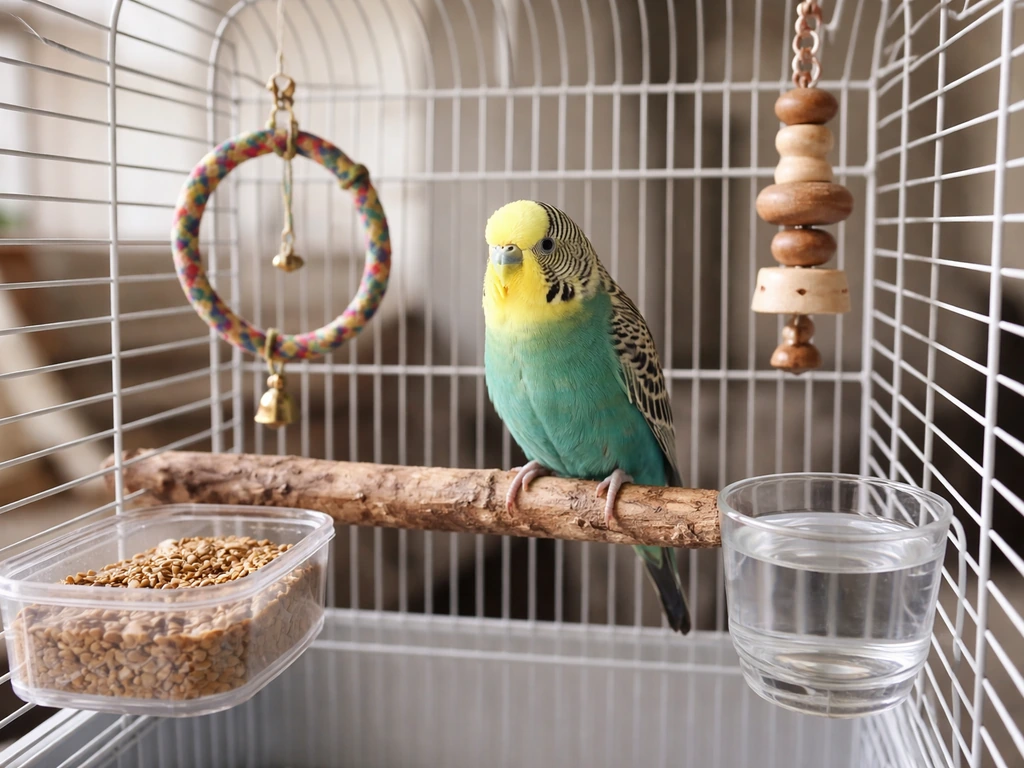
If you're here because you're thinking about getting your first bird, or you just brought one home, the word 'farming' simply doesn't apply to your situation. The ASPCA is direct about this: large parrots have complex social, mental, and dietary needs that require thoughtful, individualized care. The CDC recommends working with an avian veterinarian for routine checkups, which is the clinical standard for companion animals, not livestock. An [avian veterinarian](https://en.
wikipedia. org/wiki/Avian_veterinarian) is a bird specialist, and their scope includes both companion birds and poultry/backyard birds, so you can look for the right terminology when seeking avian veterinary care. The Association of Avian Veterinarians (AAV) publishes care resources framed squarely around bird owners and companion bird basics, covering things like diet conversion, foraging enrichment, and signs of illness. None of that language belongs in a poultry farming conversation.
The mental shift matters more than it sounds. When you frame your bird as a pet or companion animal, you start asking the right questions: Is this cage big enough? Does my bird have enough mental stimulation? Is my home's air quality safe? Is seed-only diet actually sufficient (it isn't, by the way, and the RSPCA explicitly calls that out as a common misconception that leads to nutritional problems). When you mistakenly frame it as 'farming,' you start defaulting to production thinking, which gets the priorities exactly backwards for a companion bird.
Choosing your path: pet keeping, breeding, or aviculture
Most people fall into one of three situations, and knowing which one you're in helps you figure out what to research, what to buy, and what community to plug into.
You want a pet bird
This is companion bird ownership, plain and simple. Your focus is on choosing the right species for your lifestyle, setting up a safe and enriching habitat, establishing daily care routines, and building a relationship with your bird. If you are looking for bird breeds for beginners, focus on species that are known for being relatively easy to care for and train species for your lifestyle. Beginner-friendly species like budgerigars, cockatiels, and some conures are great starting points because they're more forgiving of learning curves while still being genuinely engaging. The Merck Veterinary Manual recommends consulting an avian vet about housing compatibility before introducing any new bird, which is practical advice that pays off quickly.
You want to breed birds
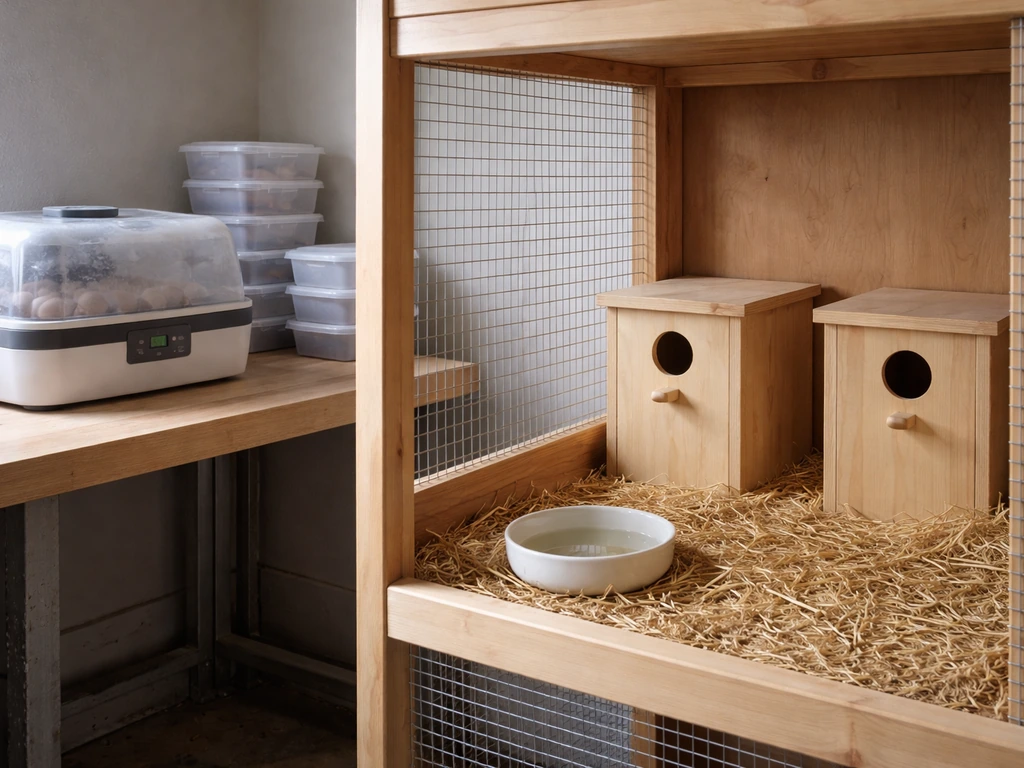
Breeding bumps you into serious aviculture territory. It requires species-appropriate breeding setups, knowledge of incubation and chick rearing, understanding of genetics (especially in species like lovebirds or budgies where color mutations matter to buyers), and a plan for what happens to offspring. If you're looking for bird breeding for beginners, start by learning the basics of incubation, chick rearing, and species-specific setup needs.
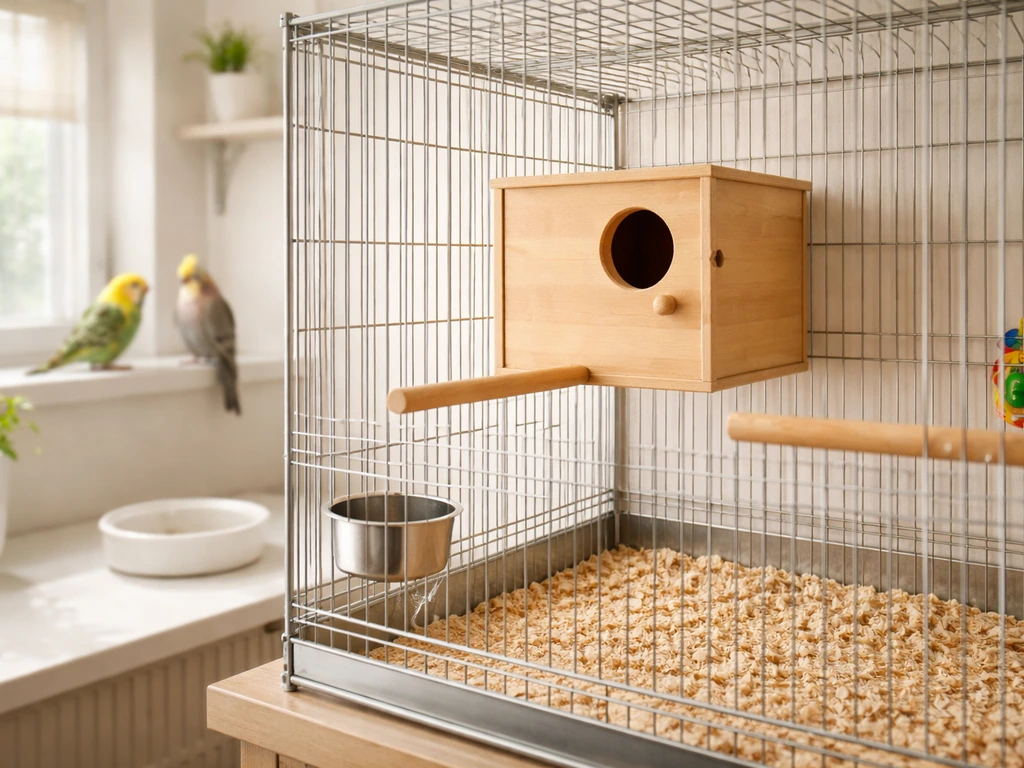
If you are planning a bird breeding setup, focus on species-appropriate housing, incubation, and chick rearing steps before pairing birds. A love bird breeding setup typically includes a nesting box or breeding cage, correct pair conditioning, and a clear plan for incubation and chick care. If you decide to hatch eggs, choosing the best bird incubator for your species can make a big difference in hatch rates.
This is a step up in complexity and commitment from basic pet keeping. It's rewarding but not a casual side project, and understanding the right breeding setup for your chosen species before you start is worth the time investment. To find the best bird for breeding, start by matching the species to your experience level, space, and willingness to handle incubation and chick rearing.
You want a backyard flock
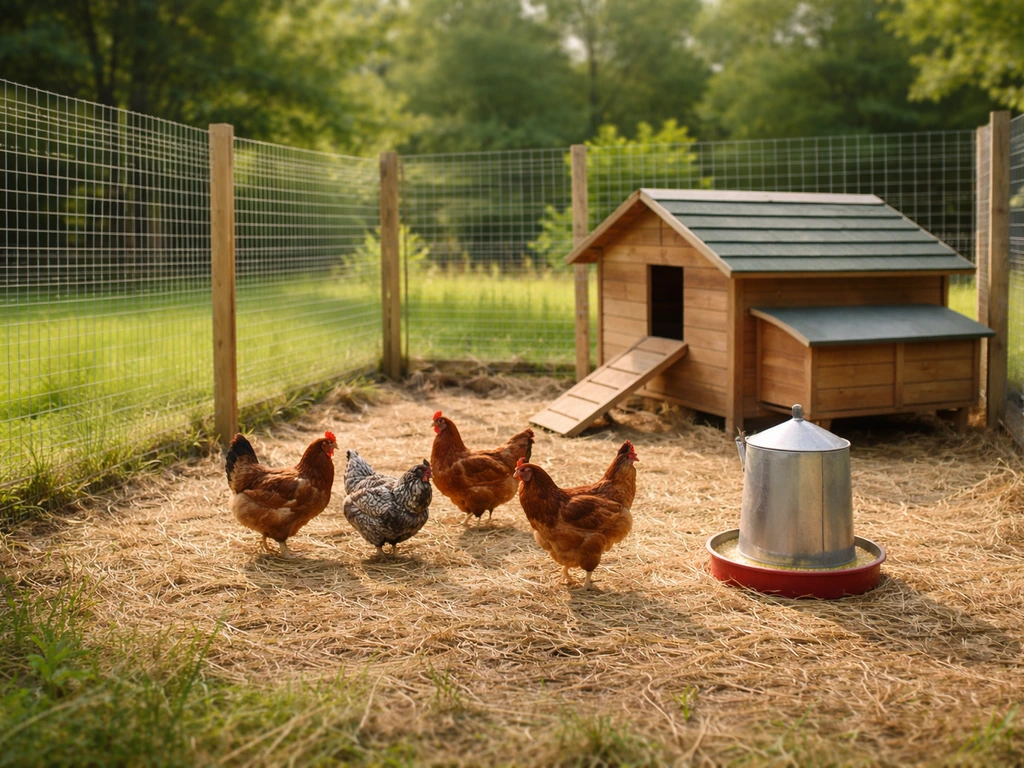
Chickens, ducks, or quail for home egg production put you in the backyard flock category. For backyard meat birds, many keepers focus on choosing the best meat bird to raise based on your climate, space, and how you plan to process them. Oklahoma State Extension recommends adequate housing as the first requirement, with specific space guidance for laying hens. UConn Extension adds that proper feed formulated for bird type and age is non-negotiable. This is a different hobby entirely from companion bird keeping, with its own learning curve around flock health, predator protection, and seasonal management. It's closer to small-scale livestock husbandry than to owning a parrot.
| Your situation | Correct term | Key focus areas |
|---|---|---|
| Keeping a parrot, cockatiel, or finch as a pet | Companion bird ownership / pet bird keeping | Species selection, habitat, enrichment, avian vet care, daily routine |
| Breeding birds as a hobby or for sale | Aviculture / bird breeding | Breeding setup, incubation, chick rearing, species genetics, responsible rehoming |
| Raising chickens or ducks at home for eggs | Backyard flock keeping | Housing, breed selection, formulated feed, flock health, predator protection |
| Large-scale production of poultry for meat/eggs | Poultry farming / commercial poultry production | Production efficiency, regulatory compliance, flock management, processing |
Practical next steps for first-time bird owners
Now that you have the terminology sorted, here's where to put your energy if you're just getting started with a companion bird. If you do end up breeding, one of the first tools to research is a best bird incubator that matches your species and egg size.
- Pick the right species first. A beginner-friendly bird that fits your schedule, noise tolerance, and space is far more important than any piece of equipment. Budgies and cockatiels are genuinely good starting points for most people.
- Find an avian veterinarian before you bring the bird home. The CDC and AAV both recommend this, and it's the single most underrated step beginners skip. General practice vets often lack the training for bird-specific care.
- Set up the habitat before the bird arrives. Cage size, bar spacing, safe perch materials, and placement away from kitchens (where cooking fumes and non-stick cookware can be toxic) all matter. Merck's guidance on home setup is a solid reference.
- Learn what a proper diet actually looks like. Seed-only feeding is a documented welfare problem. A balanced diet includes formulated pellets, fresh vegetables, and species-appropriate extras. Talk to your avian vet about the right conversion plan.
- Plan for daily enrichment. Companion birds need mental stimulation, not just food and water. Foraging toys, out-of-cage time, and social interaction are part of basic care, not optional extras.
- Connect with the right community. Aviculture forums, avian vet networks, and species-specific owner groups will give you practical, real-world advice that goes beyond terminology. The AAV's owner resources are a good starting point for vetted information.
Getting the vocabulary right isn't just trivia. It points you toward the right resources, the right experts, and the right set of responsibilities. You're not farming. You're keeping a companion animal, and that framing will serve you and your bird a lot better from day one.
FAQ
If I raise chickens for eggs at home, is that considered bird farming?
It is not usually called “farming” in the companion-bird sense, but it also is not the same as commercial poultry farming. Many people call it backyard poultry keeping or small-scale poultry husbandry, and the difference matters because your planning focus is predator protection, coop sanitation, and egg collection routines rather than production efficiency or processing standards.
Does breeding pet birds, like budgies or lovebirds, count as aviculture or poultry farming?
Breeding pet birds is generally treated as aviculture, because the activity is centered on breeding and caring for birds in captivity. It is not poultry farming unless you are producing chickens or other domestic fowl for meat and egg markets, where food-safety and regulatory frameworks typically come into play.
What term should I use if I have rescued wild birds and keep them in my home temporarily?
Temporary wildlife rehabilitation is usually described as wildlife rescue or rehabilitation, not aviculture. Aviculture typically implies intentional breeding or ongoing captive bird care as a hobby or specialty, and wildlife rehab can involve legal permits and species-specific requirements you should verify before doing anything.
Are “aviculture” and “bird breeding” the same thing?
They overlap, but they are not identical. Aviculture is the broader umbrella for keeping and caring for birds in captivity, while bird breeding is a specific activity within that umbrella. You can do aviculture without breeding, and you can breed birds under an aviculture framework.
If someone says “bird farming” online about parrots, what should I assume they mean?
Most of the time they are using the phrase loosely to describe captive bird keeping or breeding, not literal livestock-style production. A good decision aid is to ask whether the discussion is about welfare and enclosure enrichment, or about output like eggs and meat, and then use that to choose the right resources and vocabulary.
Is “pet bird keeping” always the correct term for keeping parrots indoors?
For most households, yes. If your intent is companionship, enrichment, and veterinary-style care, “pet bird keeping” or “companion bird ownership” fits best. If you are operating a selling or breeding business, you may still be doing aviculture, but the practical responsibilities and legal obligations usually change.
Do I need an avian veterinarian if I only keep one small bird?
It is still strongly recommended even for a single companion bird, because routine checkups often catch problems early, like respiratory issues or diet-related deficiencies that can look mild at first. For many owners, the first “baseline” exam after purchase is more useful than waiting until symptoms appear.
I’m considering breeding birds for sale, what term should I use with local authorities?
Use the wording that matches the legal category in your area, often “breeder” or “bird breeding,” rather than “pet keeping.” Even if your activity is aviculture in hobby terms, business or sales intent can trigger registration, animal welfare rules, and sometimes zoning limits.
What’s the biggest beginner mistake caused by mixing up “farming” and “pet keeping”?
Confusing diet and welfare expectations. Companion birds typically require species-appropriate nutrition, enrichment, and behavioral needs, while poultry production thinking can lead owners to underprovide environmental complexity or rely on oversimplified feeding. If you see guidance focused on output, production schedules, or “feed efficiency,” it is usually the wrong lane for companion care.
How do backyard chicken keeping and commercial poultry farming differ in day-to-day management?
Commercial operations emphasize standardized feeding, strict biosecurity protocols, and large-scale production timelines, while backyard keepers focus on practical constraints like seasonal housing changes, predator defense, and consistent egg collection and coop hygiene. That shift changes what you should research first.
Next Articles
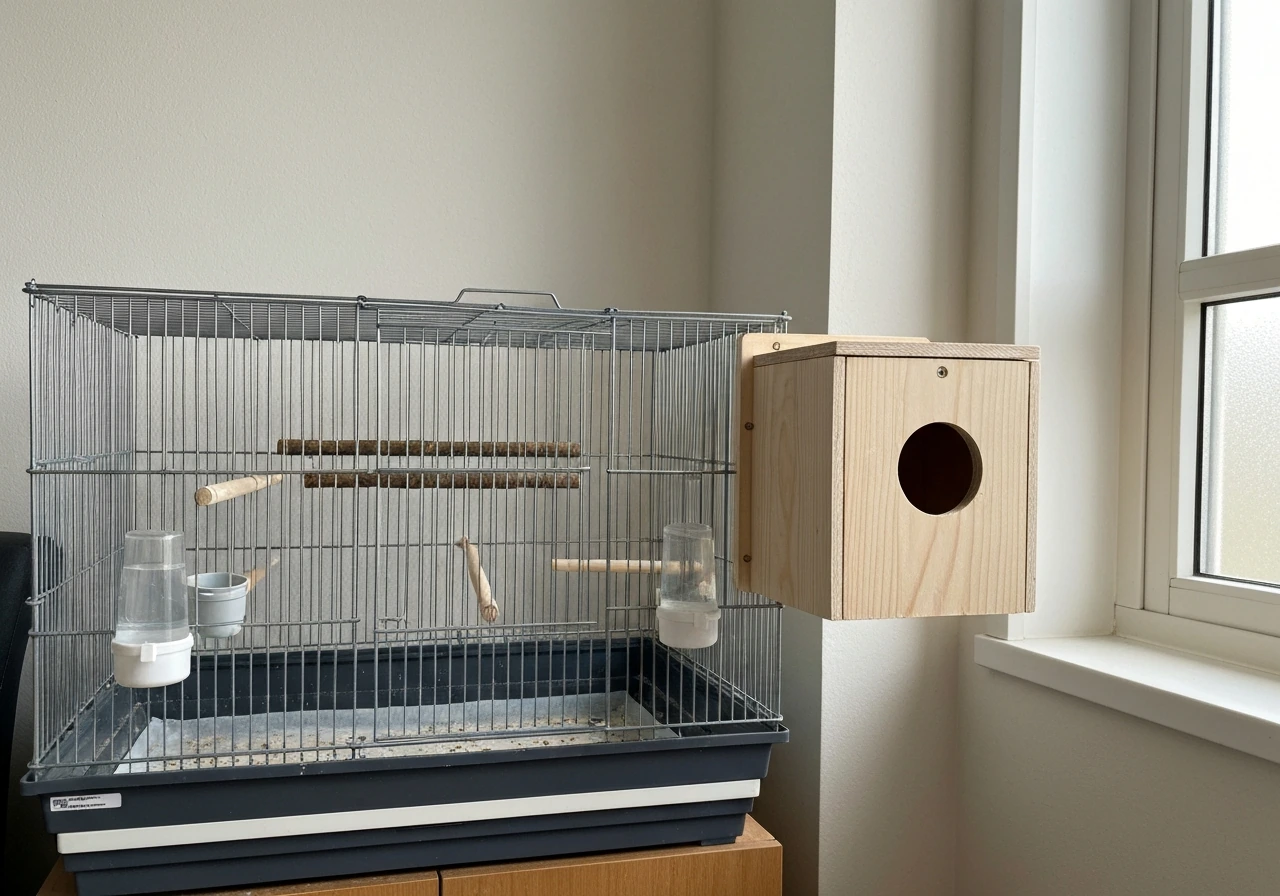
Love Bird Breeding Setup: Step-by-Step for Beginners
Step-by-step lovebird breeding setup for beginners: cages, nests, placement, routines, pair readiness, and troubleshooti
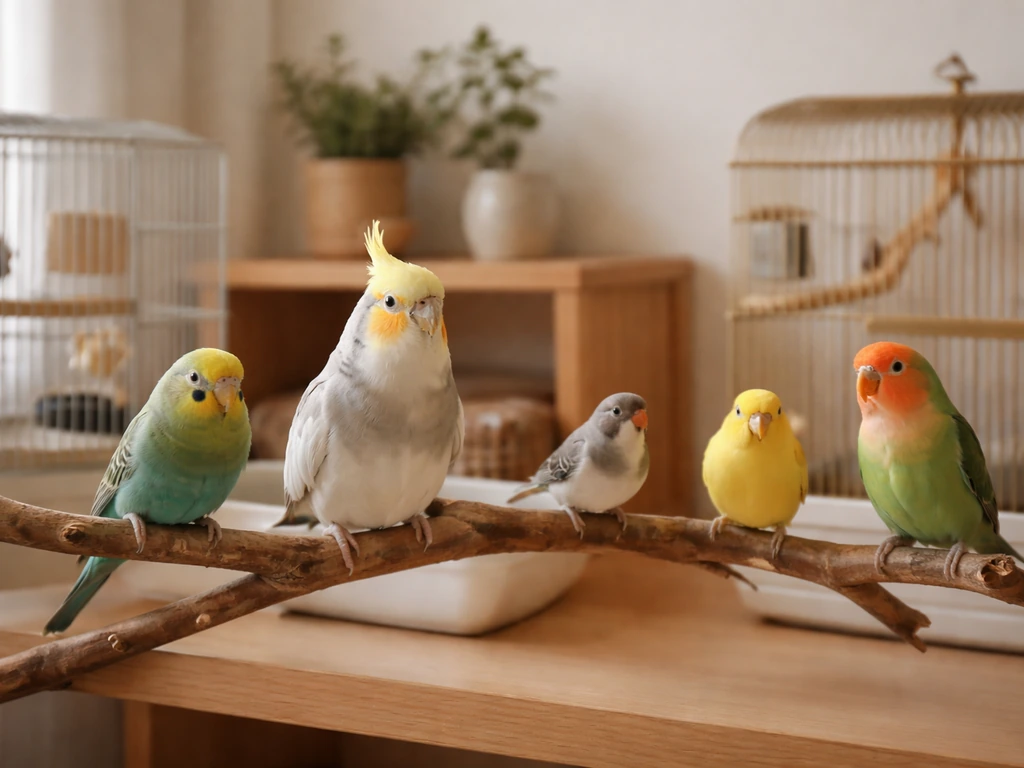
Bird Breeds for Beginners: Best Starter Pet Birds and Care
Beginner-friendly bird breeds, daily care, noise and social needs, setup, feeding, common mistakes, and adoption tips.
Bird Breeding for Beginners: A Responsible Step by Step Guide
Step by step bird breeding guide for beginners: choosing species, setting up safely, pairing, eggs, chicks, and vet red