Bird breeding as a beginner is absolutely doable, but only if you go in with realistic expectations, the right species, and a plan for the chicks before you ever set up a nest box. Bird farming is called breeding, and that means planning for nest setup, incubation, and rehoming before you pair any birds. The safest starting point is a domesticated, commonly bred species like budgerigars (budgies) or cockatiels, both of which are forgiving of beginner mistakes, have well-documented breeding requirements, and produce chicks you can actually find homes for. Skip wild-caught or legally protected species entirely until you have years of experience and the permits to match.
Bird Breeding for Beginners: A Responsible Step by Step Guide
Marcus Chen
27 May 2026
Choosing the right species to start with
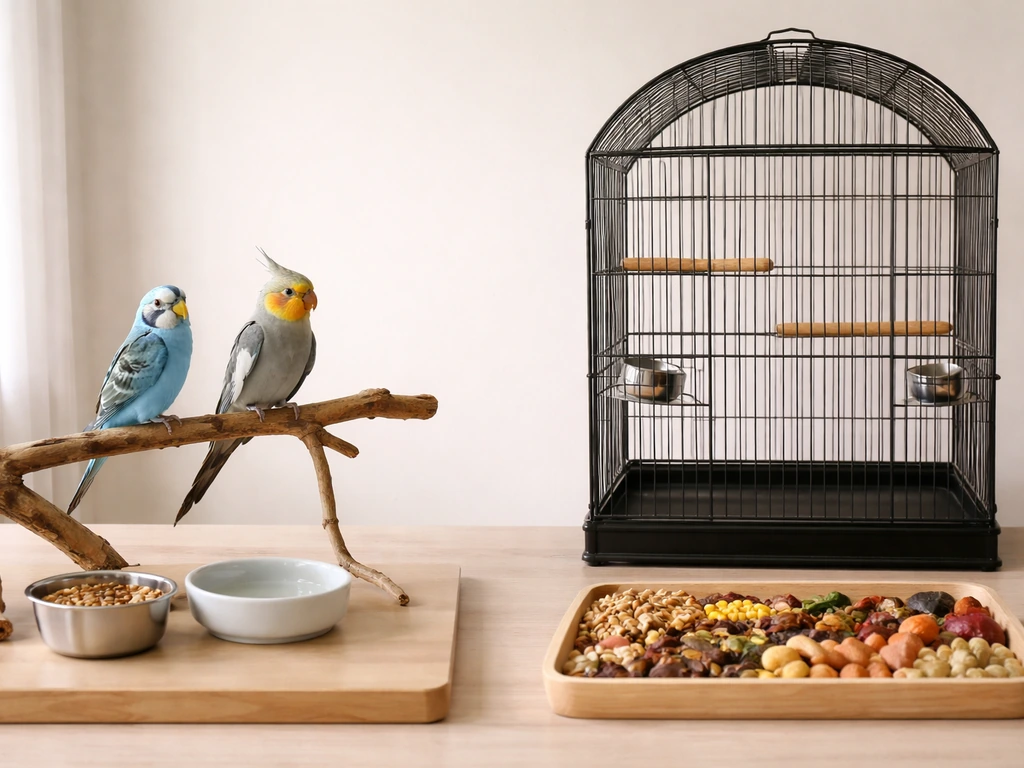
The single biggest mistake beginners make is picking a species they find beautiful rather than one that's practical. Budgies and cockatiels are the two best starting points for most people. They're domesticated, their breeding behavior is well-understood, their clutch sizes are manageable (cockatiels average 5 eggs per clutch with a range of 3–8), and they're hardy enough to tolerate the learning curve you're going to have. Lovebirds are another option worth exploring once you understand the basics, though their setup has some specific quirks. For a deep dive into which birds suit beginners best, the comparison of species by breeding difficulty is worth reading separately.
What you want to avoid at this stage: large parrots, softbills, native wild species, or anything that requires a special permit just to own. The legal overhead alone will bog you down before you even get to the fun part. Stick with fully domesticated aviary birds sold by reputable breeders, and you'll sidestep most of the regulatory complexity from day one.
Breeding readiness and the legal and ethical basics
Age and health before you pair anyone up
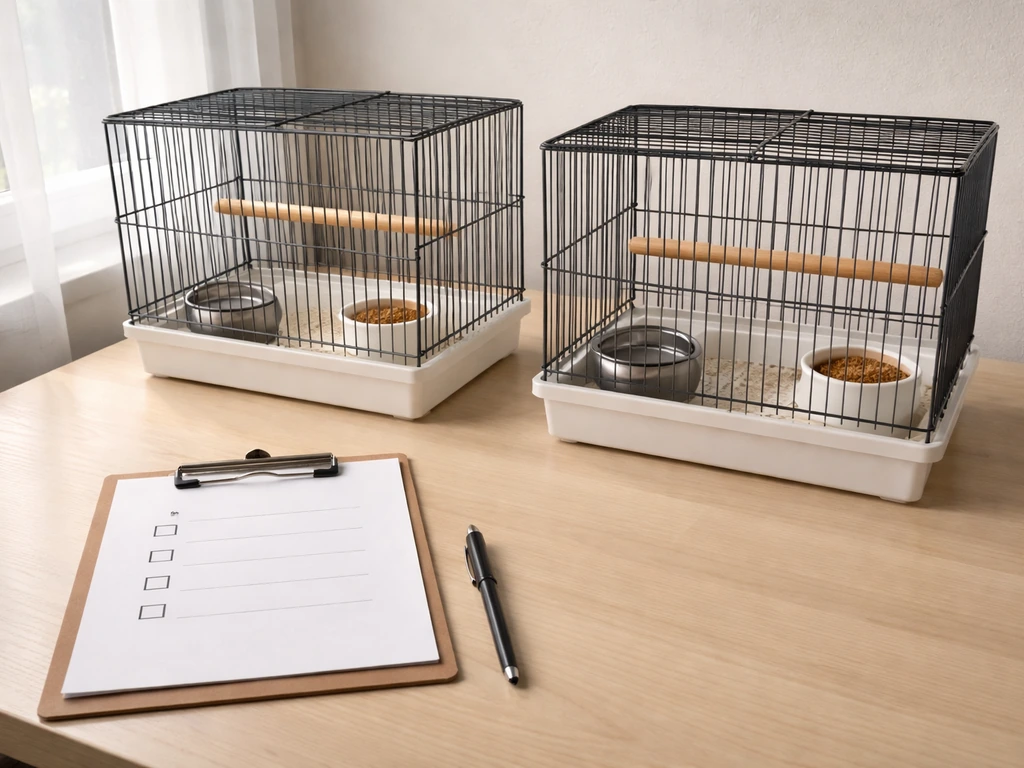
This part gets rushed constantly, and it's one of the most preventable sources of problems. For budgies, the Budgerigar Society recommends hens be at least 12 months old and cocks at least 10 months before their first breeding attempt. For cockatiels, the bar is higher: wait until both birds are at least 18 months old. Breeding too young puts serious strain on the hen, dramatically increases egg-binding risk, and often results in failed clutches anyway. Both birds also need to be in good body condition, not overweight or underweight, and ideally cleared by an avian vet before you start.
If you've recently acquired new birds, quarantine them first. A minimum of 7 days isolation is the regulatory baseline in many contexts, but 30 days is a far safer window for ruling out illness before introducing birds to each other or to existing flock members. After quarantine, place cages in the same room but keep some distance between them so the birds can get used to each other's sight and sound before you ever put them together. This gradual acclimation step genuinely reduces stress when pairing happens.
Legal basics you can't skip
For fully domesticated species like budgies and cockatiels, most US-based hobbyists don't need federal permits to breed. The complexity spikes if you're dealing with species listed under CITES, the Wild Bird Conservation Act, or any migratory bird protections. The US Fish and Wildlife Service regulates import and export of protected species under 50 CFR 14, and individual states layer on their own rules. New Jersey, for example, requires a specific permit to possess wild-caught birds for breeding purposes, and requires demonstrating knowledge of care and handling. The lesson here: if you're not 100% sure your birds are captive-bred domesticated stock, verify the species status before you breed. When in doubt, contact your state wildlife agency and the USFWS.
On the ethical side, have an honest plan for where the chicks are going before eggs are even laid. Responsible breeding means not producing more birds than you can place in good homes. Talk to local bird clubs, pet stores that support reputable breeders, and online aviculture communities before you start, not after you have eight fledglings and no plan.
Setting up the breeding environment
Cage size and nest box setup
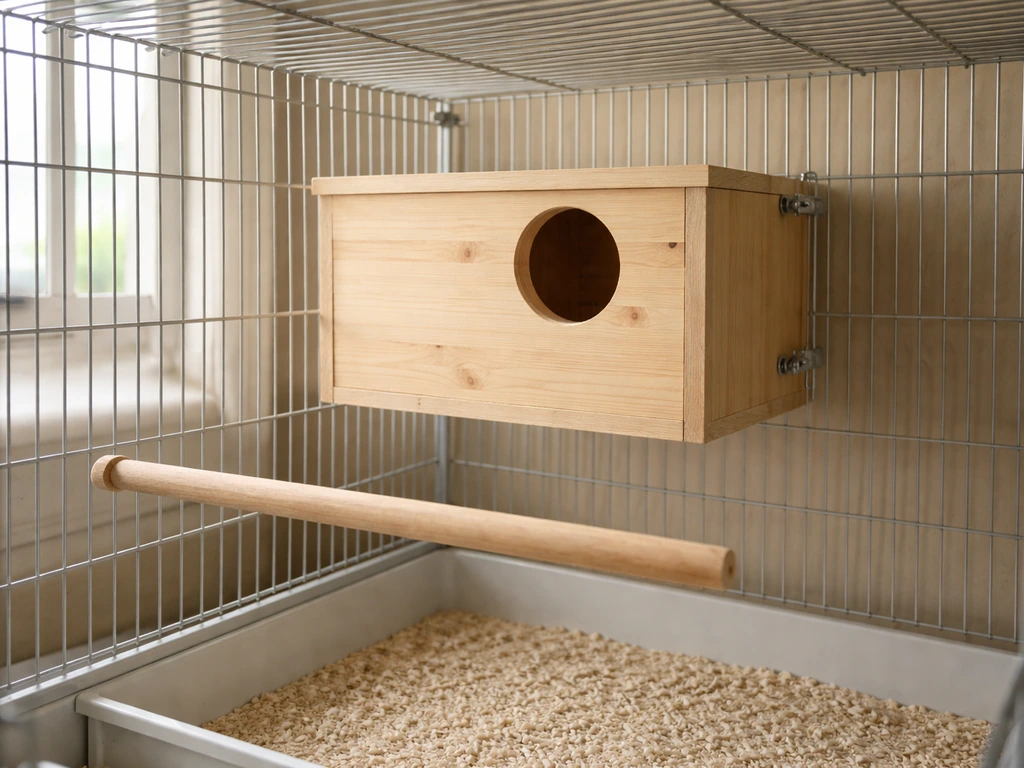
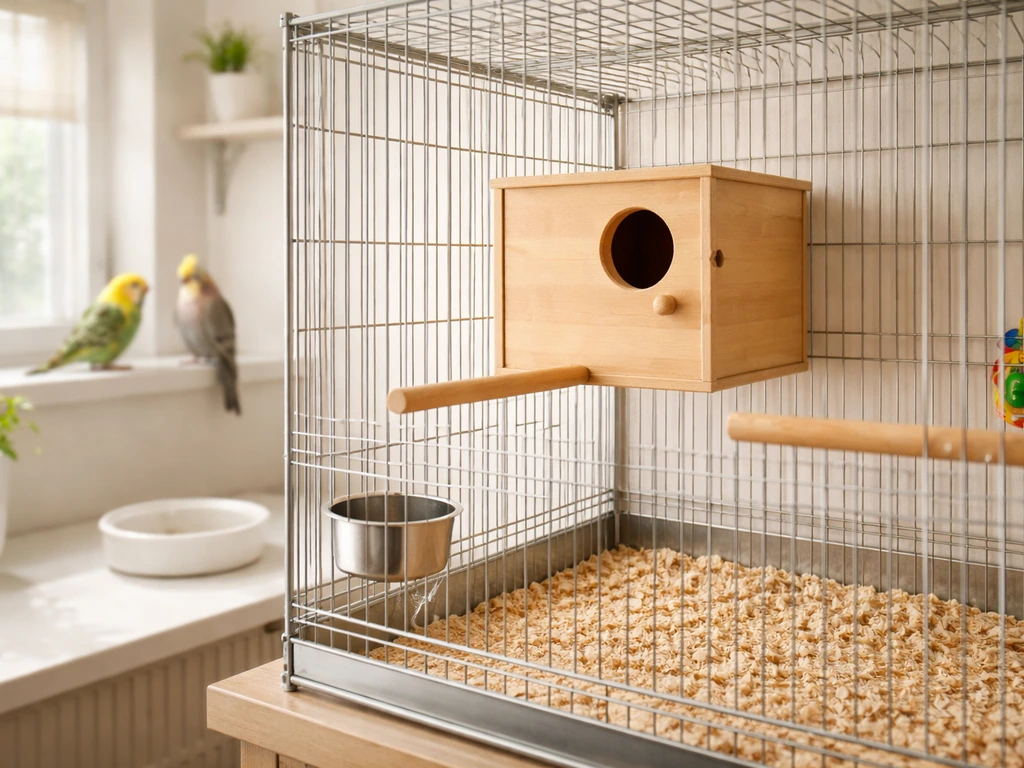
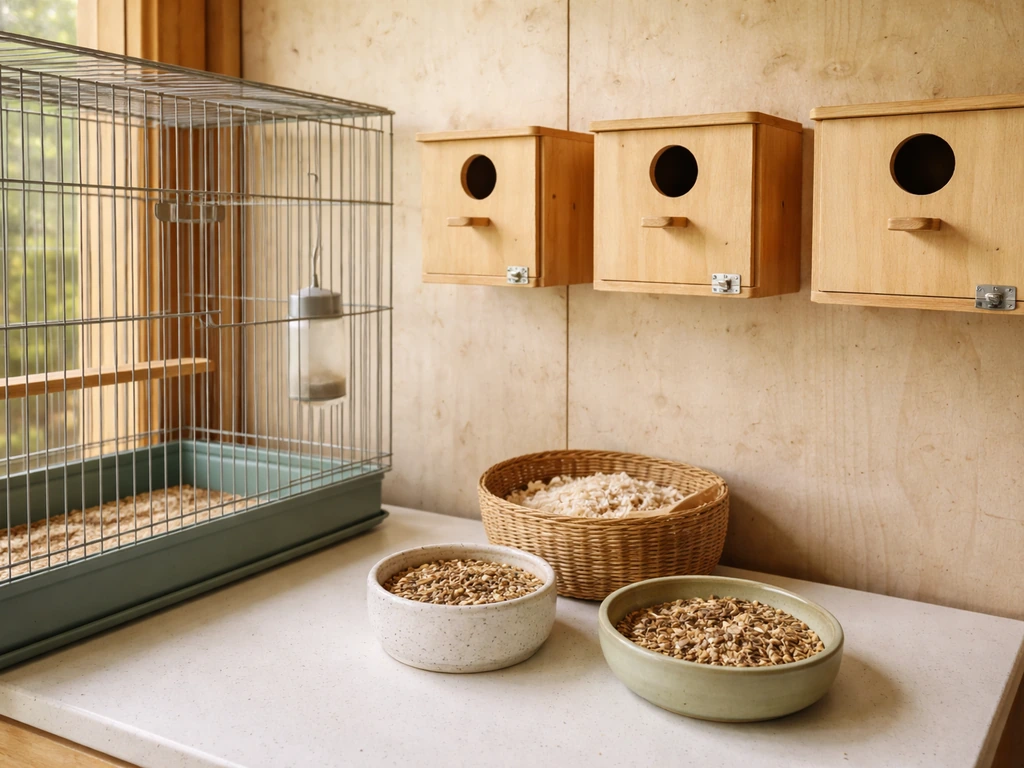
The breeding cage needs to be separate from where you normally house the birds, and it needs to be big enough for the pair to move around comfortably. If you are building a bird breeding setup, make sure the breeding cage is a dedicated space rather than the birds' usual housing area. Minimum cage dimensions as a working guide: budgies need at least 24 x 16 x 18 inches, and cockatiels need at least 30 x 18 x 24 inches. Larger is always better. A cramped breeding cage causes stress, increases aggression, and contributes to failed clutches.
Nest box preparation matters more than most beginners expect. For budgies, the nest box should contain a concave base with clean sawdust or a purpose-made concave insert to protect eggs and keep chicks positioned correctly. Before introducing the pair to the breeding cage, have the nest box already in place, along with seed, grit, cuttlefish bone, an iodine nibble, and fresh water. Don't set up the cage halfway and then scramble to finish it after pairing, because any disruption during early courtship can set the whole process back. The full breeding cage setup process, including perch placement and accessories, is worth its own read if you want the specifics.
Temperature, humidity, and placement
Keep the breeding area stable and draft-free. Sudden drops in ambient temperature are one of the documented risk factors for egg-binding, and sick or stressed birds lose their ability to regulate body heat more quickly than healthy ones. You don't need exotic climate control for budgies or cockatiels in a normal home environment, but you do need to avoid placing the breeding cage near exterior doors, air conditioning vents, or windows that get direct cold drafts at night. A relatively stable room temperature in the range of 65–80°F is appropriate for most common beginner species.
Air quality is non-negotiable
Birds have an extraordinarily sensitive respiratory system, and breeding season is not the time to cut corners here. The American Association of Avian Veterinarians explicitly flags incense, scented candles, air fresheners, aerosol sprays, and bleach-based cleaning fumes as hazards. Aerosol poisoning is a real emergency risk, and fumes from common household cleaners can be fatal due to how avian respiration works. During breeding, keep all aerosols out of the room entirely. Use a HEPA-filtered vacuum if you're cleaning near the breeding area. If you need to clean with stronger products, move the birds first and air the space thoroughly before bringing them back. Upgrading your HVAC filtration or using a standalone HEPA air purifier near the breeding area is one of the best low-cost investments you can make.
Pairing, courtship, and avoiding common problems
Once both birds are acclimated and healthy, introduce them to the breeding cage together. Watch the first few days closely. Signs of compatible pairing include mutual preening (allopreening), the male feeding the female, and the female investigating the nest box. Aggression that's more than brief squabbling, persistent chasing, or feather damage are signs the pair isn't compatible and you should separate them before injury occurs.
Courtship behavior in budgies includes the male bobbing, chattering, and regurgitating food for the female. In cockatiels, both sexes participate in incubation once laying begins. Don't hover. One of the most consistent beginner mistakes is excessive checking that disturbs the birds during the critical early bonding and laying phase. Set up and step back.
Preventing and recognizing common problems
- Egg-binding risk factors: calcium deficiency, obesity, lack of exercise, stress, breeding too young, breeding too late in the season, or a sudden temperature drop. Address all of these before pairing, not after.
- Non-fertile eggs repeatedly: check that the pair is genuinely compatible, the male is mature and healthy, and that nutrition (especially vitamin E and protein) is adequate during breeding.
- Chronic egg-laying without a true breeding pair present: remove nesting materials, any objects the bird treats as a mate, and reduce light exposure to 8–10 hours per day to dial back the hormonal trigger.
- Nest box rejection: try repositioning (higher on the cage wall is often preferred), adjust the interior bedding, and give the pair more undisturbed time before concluding the setup is wrong.
- Aggression between the pair: separate immediately if real injury risk exists; some pairs simply don't bond regardless of housing conditions.
Eggs, incubation, and chick development
What to expect with egg laying
Hens typically lay eggs every other day until the clutch is complete. For cockatiels, expect 3–8 eggs with an average of 5. Budgies typically lay 4–6 eggs. Leave the eggs alone as much as possible. If you want to check fertility without disturbing the clutch, candling (holding a small bright light close to the egg in a dark room) can reveal a developing blood vessel network in fertile eggs after about 5–7 days of incubation. Eggs that show no development by day 10 are likely infertile. Early-dead embryos can be hard to distinguish from infertile eggs without experience, so if you're unsure, leave them in place and let the parents continue to incubate. Removing eggs too early based on a wrong assessment is a common beginner error.
Incubation: let the parents do their job
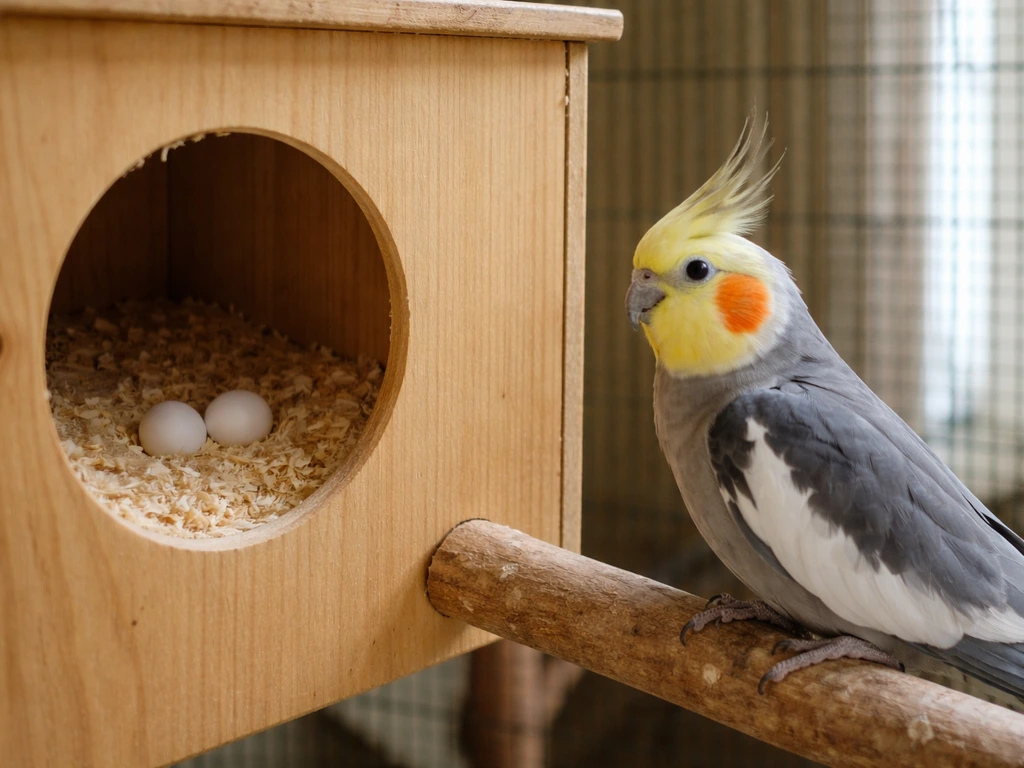
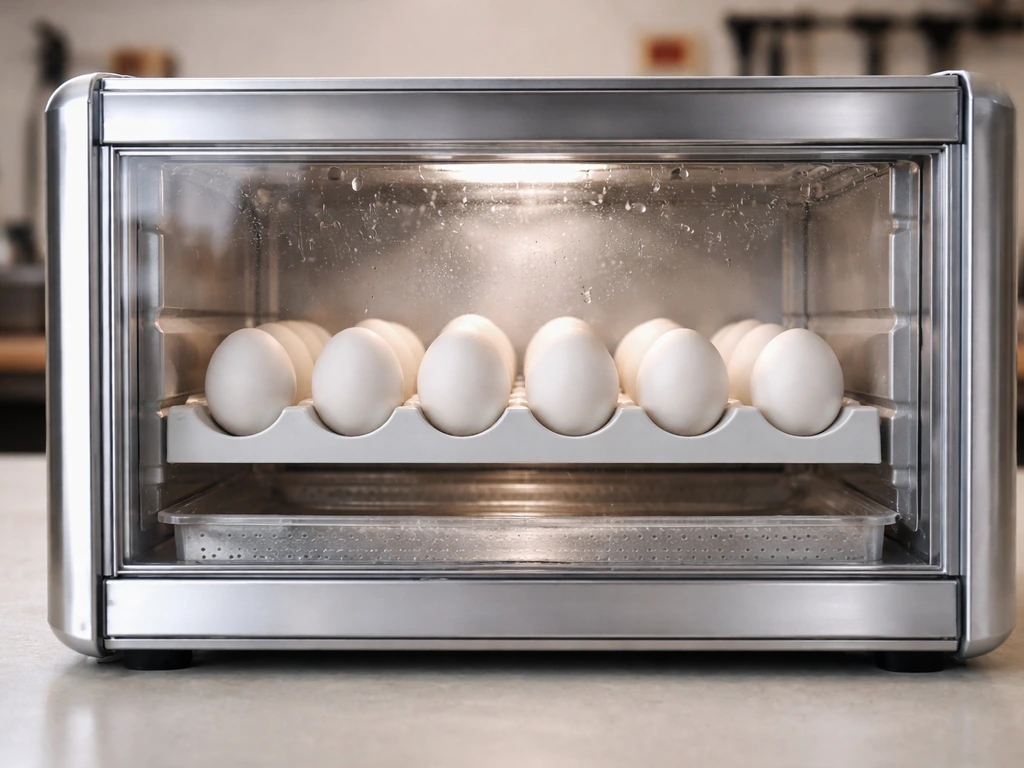
For budgies and cockatiels, parent-incubated eggs are your safest and easiest option as a beginner. Cockatiels have an average incubation period of 19–21 days, and both the male and female take turns incubating. Budgies incubate for roughly 18 days. Artificial incubation is a separate skill set involving precise temperature control (around 99.5°F for most small psittacines), humidity management, and regular turning. If you lose a hen or a pair completely abandons a clutch, that's the moment to consider a bird incubator, but it is not the place to start. If you do end up needing to use a bird incubator, choose one designed for your species and egg size so temperature and humidity stay consistent. DIY incubation with the wrong parameters kills embryos. Stick with parent incubation for your first breeding attempts.
Early chick care and development
Chicks hatch altricial, meaning they're naked, helpless, and entirely dependent on their parents for warmth and feeding. In a parent-raised setup, your job in the first two to three weeks is mostly to ensure the parents have enough food and to check that all chicks are being fed without getting too close too often. A healthy chick has a visibly full crop after feedings. A chick with a consistently empty or sunken crop, or one that's being pushed to a corner of the nest box, needs attention. By week 5 (days 29–35 for budgies), the crop becomes visible when full and chicks are increasingly active and curious, though weaning is still ongoing.
Keep a simple growth log. Weigh chicks with a small gram scale at the same time each day, ideally before the first feeding. Stable or increasing weight is the primary indicator that development is on track. A chick losing weight over two or more consecutive days needs a vet call, not a wait-and-see approach.
Feeding, health monitoring, and hygiene during breeding
Nutrition upgrades for breeding birds
A plain seed diet is not enough during breeding. Both parents are under significant physical stress, and chicks have very high protein and calcium demands. Supplement the basic seed diet with soft foods: hard-boiled egg (including the yolk), cooked grains, and a quality pellet if your birds accept it. Cuttlefish bone and mineral grit should always be available for calcium. Many experienced budgie breeders also use deep litter techniques during breeding season rather than standard frequent cleanouts, partly to avoid the disturbance of daily cage access, but the nest box interior and cage surfaces still need regular hygiene attention.
What 'healthy' looks like and when to call the vet
Birds hide illness instinctively, so you need to watch for subtle changes. Healthy breeding birds are alert, vocal, eating well, and maintaining normal droppings (formed fecal portion, clear urine, minimal urate color changes). Red flags that warrant an avian vet call, not a forum post, include: a hen straining without passing an egg, any bird sitting fluffed at the cage bottom, watery or discolored droppings lasting more than 24 hours, labored breathing, any chick with a consistently empty crop, or a chick that's cold to the touch. Egg-binding in particular is a time-sensitive emergency. A hen that is straining, has a distended abdomen, or is on the cage floor needs to be in a warm, dark, humidified container on the way to the vet, not sitting at home while you search for advice online.
Find an avian vet before breeding season starts, not during a crisis. The American Association of Avian Veterinarians has a Find-a-Vet tool specifically for this purpose. An avian vet is not the same as a general small-animal vet. Bird physiology is different enough that you want someone with real avian experience, especially for reproductive issues that may require radiographs and calcium level testing.
Sanitation routine during breeding
- Change water daily, no exceptions. Bacteria multiply quickly in water containers near soft foods.
- Remove uneaten soft food within 2–4 hours to prevent spoilage and bacterial growth.
- Spot-clean the cage floor and perches without disturbing the nest box; leave the nest box interior to the parents except for necessary health checks.
- Use bird-safe disinfectants and never spray aerosols near the birds. Wipe surfaces rather than spray.
- After the breeding round ends, do a thorough full cage and nest box disinfection before storing or reusing equipment.
Weaning, rehoming, and what comes next
Knowing when a chick is ready to wean
Parent-raised cockatiel chicks typically wean between 47–52 days old. Budgies generally begin the transition around 4–5 weeks and complete it closer to 6–8 weeks. The practical test for weaning readiness is not age alone: the chick's crop should be consistently full from self-feeding rather than parental feeding for at least 3–5 consecutive days, and the chick's weight should be stable or slightly increasing. Move weaned chicks to a separate, appropriately sized weaning cage with easy access to food and water at multiple levels. Young birds that are still partly dependent should never be moved away from parents prematurely. It's one of the most common causes of fledgling deaths in beginner setups.
Giving the parents a break
Once a breeding round is complete, remove the nest box and give the pair 2–3 weeks to rest before returning them to breeding conditions. Allowing continuous or excessive breeding wears down the hen's condition rapidly, depletes calcium reserves, and raises the risk of reproductive disease in subsequent clutches. Two rounds per year is a reasonable and sustainable target for most beginner setups. More than that, and you're pushing into territory where health problems become increasingly likely.
Realistic rehoming and keeping plans
Have specific homes or outlets lined up before the chicks hatch. Options include: keeping one or two if you have space and resources, placing chicks with vetted individuals through local bird clubs or aviculture groups, or working with a reputable pet store that sources birds from local breeders. Never release birds outdoors, and don't hand off chicks to the first person who responds to a free listing. A small rehoming fee actually filters out people who aren't serious. Document the species, hatch date, and basic care notes for each new owner. If you imported the breeding stock, be aware that some permit conditions restrict whether you can sell offspring, so check those conditions before you have birds to place.
Beginner checklist and mistakes to avoid
Before you move forward, run through this checklist honestly. If you can't check every box, address what's missing first.
- Both birds are the correct minimum age (12+ months for budgie hens, 18+ months for cockatiels).
- Both birds have been health-checked or cleared by an avian vet.
- New birds have been quarantined for at least 30 days before pairing.
- The breeding cage meets minimum dimensions and is separate from the main housing.
- Nest box is set up with appropriate bedding and is positioned correctly before the pair is introduced.
- Cuttlefish bone, mineral grit, and iodine nibble are always available for calcium.
- Soft food supplementation is planned and prepared.
- All aerosols, scented candles, incense, and harsh cleaning agents are removed from the breeding room.
- An avian vet is identified and their contact information is saved.
- A plan for the chicks (keeping, rehoming, placement) is in place before laying begins.
- The species being bred is confirmed as domesticated stock with no permit requirements for your state.
The most common beginner mistakes
- Breeding birds that are too young, especially hens, which dramatically increases egg-binding risk.
- Using a cage that's too small and then wondering why the pair is stressed and aggressive.
- Checking the nest box constantly during the first two weeks of incubation and disturbing the pair.
- Feeding only seed during breeding without any protein or calcium supplementation.
- Using aerosol sprays or scented products in or near the breeding room.
- Waiting too long to call an avian vet when a hen is showing signs of egg-binding.
- Moving chicks to a weaning cage before they are genuinely self-feeding.
- Allowing the pair to breed continuously without a rest period between rounds.
- Having no rehoming plan and ending up with more birds than you can properly house or afford to care for.
Bird breeding as a beginner is genuinely rewarding when you go in prepared. The species you start with matters, the environment matters, and having a vet and a rehoming plan before you start matters just as much as anything that happens in the nest box. If you are wondering what the best meat bird to raise is, start by choosing a breed that matches your space, feed access, and time to care. Get the fundamentals right, and the rest is a lot more enjoyable and a lot less stressful for you and the birds. If you're new to the idea, bird farming generally refers to breeding and raising birds in a controlled, planned way.
FAQ
What should I do if my first breeding attempt fails or the pair abandons the eggs?
If your breeding attempt fails (no eggs, infertile eggs, or abandoned clutch), do not immediately reuse the same nest setup. Give the pair a rest period and reset conditions, while also checking that the hen is in good body condition, the temperature is stable, and the pair has no persistent stress or aggression. If you repeatedly get abandoned clutches or repeated egg-binding signs, stop breeding that pair and book an avian vet evaluation before trying again.
Can I mix species when breeding (for example, budgie with another species)?
No. Even with budgies and cockatiels, avoid mixing bird species in the same breeding cage or even pairing incompatible birds because you can trigger aggression and higher stress. For safety, quarantine and acclimate by sight and sound first, then pair only birds from the same species that are of suitable age and condition.
What’s the fastest and safest response if I suspect egg-binding?
At the first sign of egg-binding risk, act as if it is urgent. Move the hen to a warm, dark, humidified carrier, keep her calm, and contact an avian vet or emergency service immediately. Do not try to force the egg out, and do not wait for symptoms to “pass” because delayed treatment can become life-threatening.
Why might eggs be infertile even when the birds seem bonded, and what should I check first?
Yes, you can unintentionally sabotage fertility by disturbing the nest too much or by using poor diet timing. In addition to the breeding supplements you already provide, make sure calcium and grit stay available throughout the cycle, and avoid switching diets abruptly right before breeding. For fertility checks, candling should be delayed until embryos have had time to develop, and eggs that look confusing early should usually be left to the parents rather than removed on guesswork.
How can I keep the breeding cage hygienic without harming the birds with cleaning fumes?
Don’t clean the breeding area in a way that creates heavy air contamination. Use plain, bird-safe cleaning methods and avoid aerosol or strong fume products around the breeding birds. If you must use stronger products, remove the birds from the room, ventilate until odors are gone, and only then return them. A HEPA vacuum can help with dust control without releasing fine particulates.
How do I check on chicks safely without disturbing them too much?
For parent-raised chicks, the key risk is chilling, not overhandling. If you need to check feeding, do it quickly, at consistent times, and avoid repeated nest box openings. A chick with an empty or sunken crop or that is cold to the touch needs attention, but you should minimize “check-ins” and prioritize getting the parents feeding normally or involving an avian vet if it persists.
What’s the correct way to tell when chicks are actually ready to be moved away from the parents?
Use age as a starting point, but rely on the crop and stability test described in the article. A chick that is still being fed by parents and whose crop is not consistently filling from self-feeding for several consecutive days is not ready. If you move too early, you risk dehydration, poor growth, and higher fledgling mortality.
What should I do if a chick isn’t being fed or seems to be falling behind?
If you find a chick with a consistently empty crop, a chick that is cold, or one that seems pushed into the corner repeatedly, treat it as an urgent husbandry or medical problem. First, ensure the parents are incubating and feeding normally and that temperatures are stable, then contact an avian vet promptly if the condition continues. Do not try to rely on general internet advice alone for emergency feeding or temperature issues.
How long should I rest the pair between clutches, and what signals mean I should stop breeding for now?
Before the next breeding round, remove the nest box and let the pair rest in normal conditions for the recommended downtime. Also check whether calcium and body condition recovered, because chronic depletion increases reproductive complications. If the hen shows straining tendencies, repeated illness signs, or unusual droppings during rest, postpone further breeding and get veterinary guidance.
What’s the safest rehoming plan if I end up with more chicks than I can place?
Plan for rehoming before the first egg hatches, and also prepare for a worst-case scenario where placements fall through. Keep a small backup option (for example, an agreed-to temporary foster through a bird club or experienced breeder) so you are not forced into unsuitable placements. Avoid releasing birds outdoors, and document care notes, hatch date, and any health or diet information for each new owner.
What should I verify about permits and resale rights before I start breeding?
If you are unsure whether the stock is captive-bred domesticated, verify before breeding rather than after eggs are laid. Some regulations or permit terms can restrict selling offspring, so confirm the species status and any conditions attached to your acquisition. If you cannot get clear answers, contact your state wildlife agency and USFWS before continuing.
Next Articles
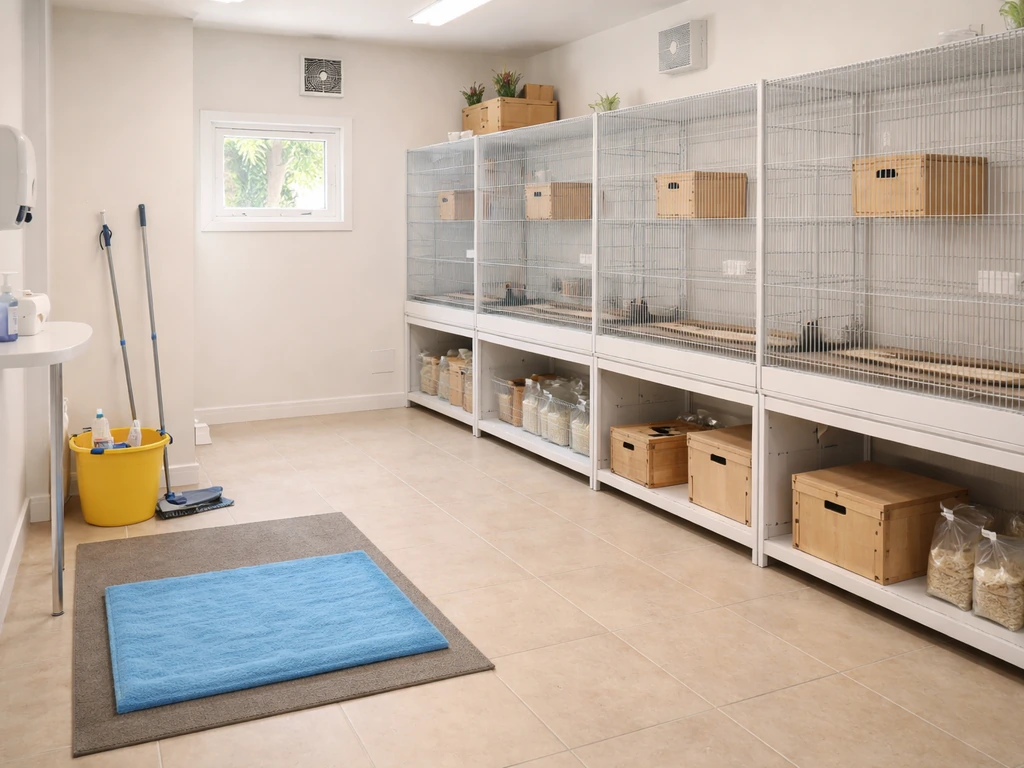
Bird Breeding Setup Guide: Room, Care, and Biosecurity Basics
Step-by-step bird breeding setup for beginners: room layout, housing, environment, daily care, feeding, biosecurity, tro
What Is Bird Farming? Beginner Guide to Breeding Birds
Learn what bird farming means and how to start small-scale breeding: setup, care, legal needs, and common beginner mista
Best Bird Incubator: How to Choose and Use One Right
Choose the best bird incubator for eggs with step-by-step setup, humidity and turning tips, troubleshooting, and model p