Most pet birds need somewhere between 5 and 15 mL of water per day, but that range swings wildly depending on the bird's size, what it eats, the temperature in your home, and whether it's healthy. A practical starting point for small parrots like cockatiels, budgies, and lovebirds is roughly 1 teaspoon (about 5 mL) per 100 grams of body weight each day. A standard cockatiel weighing around 100 g will drink somewhere in the [5–14 mL range](https://www. parrot234.
How Much Water Does a Bird Need? Daily Amount Guide
Marcus Chen
12 Jun 2026
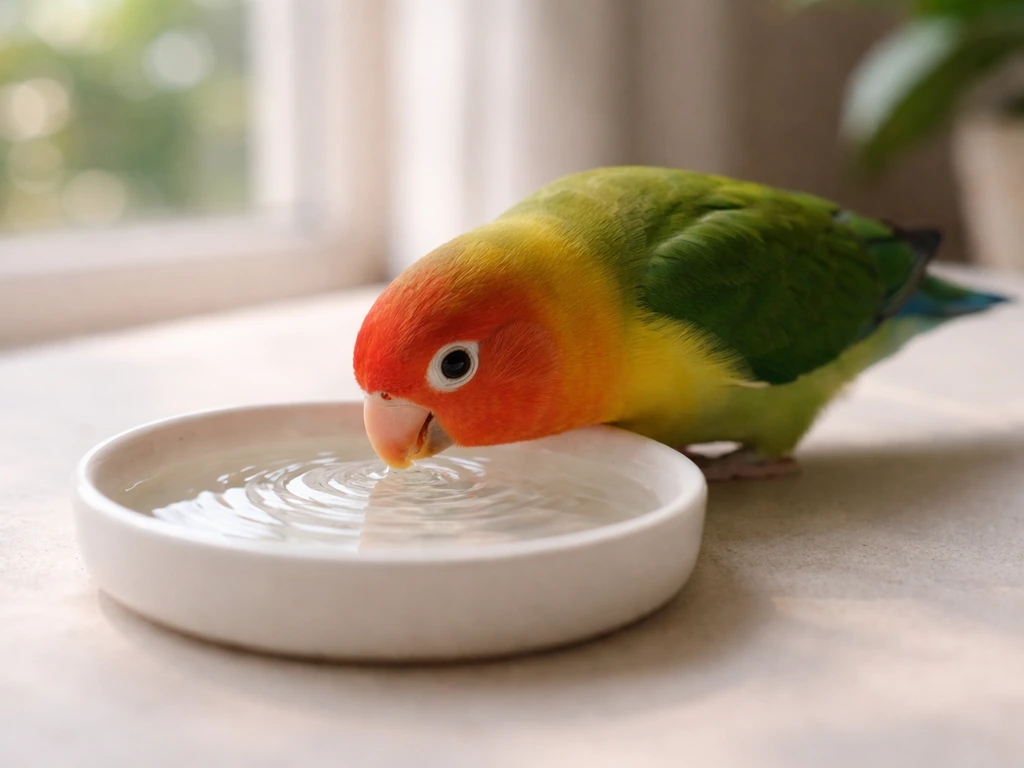
com/how-often-do-parrots-drink-water/) on a typical day. Larger birds drink more, but not always proportionally more, because diet and humidity play a huge role. No single number fits every bird, so what you actually need is a method for estimating and monitoring, not a fixed target. If you want the bigger picture behind what does a bird need day to day, the bird diet and care basics can help you interpret those water numbers correctly method for estimating and monitoring.
How to estimate your bird's daily water needs
The most reliable rule of thumb comes from avian veterinarian Brian Speer, DVM: a healthy adult bird should replace roughly 5% of its body weight in water each day to account for loss through droppings, respiration, and evaporation. In practice, that means a 100 g cockatiel needs around 5 mL at minimum, though published nutrition data consistently shows actual intake running closer to 10–14 mL per day when you factor in food moisture and activity. The 5% figure is a floor, not a ceiling.
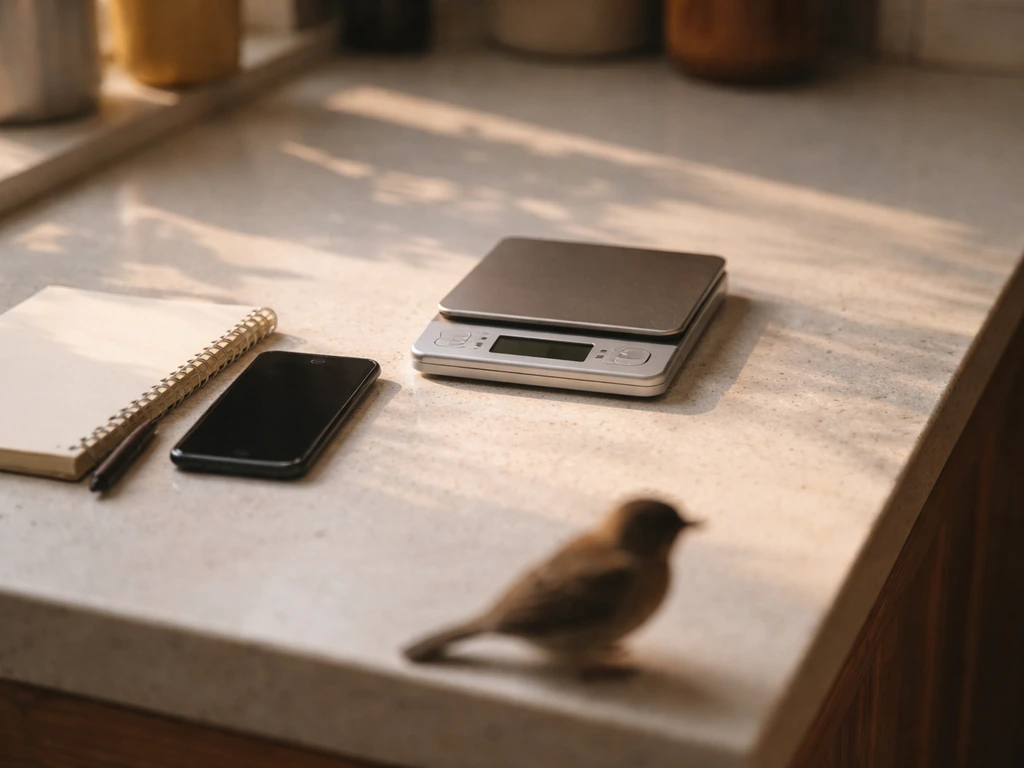
Here's a simple way to work this out for your bird. Weigh your bird on a kitchen gram scale (most parrots will tolerate a perch scale once they're used to it). Multiply the weight in grams by 0.05 to get the minimum daily water replacement in mL. Then bump that number up by 20–50% if your bird eats primarily dry seed, if the room temperature is above 75°F, or if the bird is very active. That adjusted figure is your practical daily target to aim for and monitor against.
| Species (typical weight) | Minimum estimate (5% rule) | Realistic daily range |
|---|---|---|
| Budgerigar (~35 g) | ~1.75 mL | 3–8 mL |
| Cockatiel (~100 g) | ~5 mL | 5–15 mL |
| Lovebird (~55 g) | ~2.75 mL | 4–10 mL |
| Conure, green cheek (~75 g) | ~3.75 mL | 5–12 mL |
| Cockatoo, umbrella (~500 g) | ~25 mL | 25–60 mL |
| African grey (~450 g) | ~22.5 mL | 20–50 mL |
Keep in mind these are estimates, not prescriptions. The goal isn't to measure every drop with a syringe. It's to have a rough mental benchmark so you notice when your bird is drinking significantly less or more than normal.
Species, diet, and age all shift the numbers
Species differences
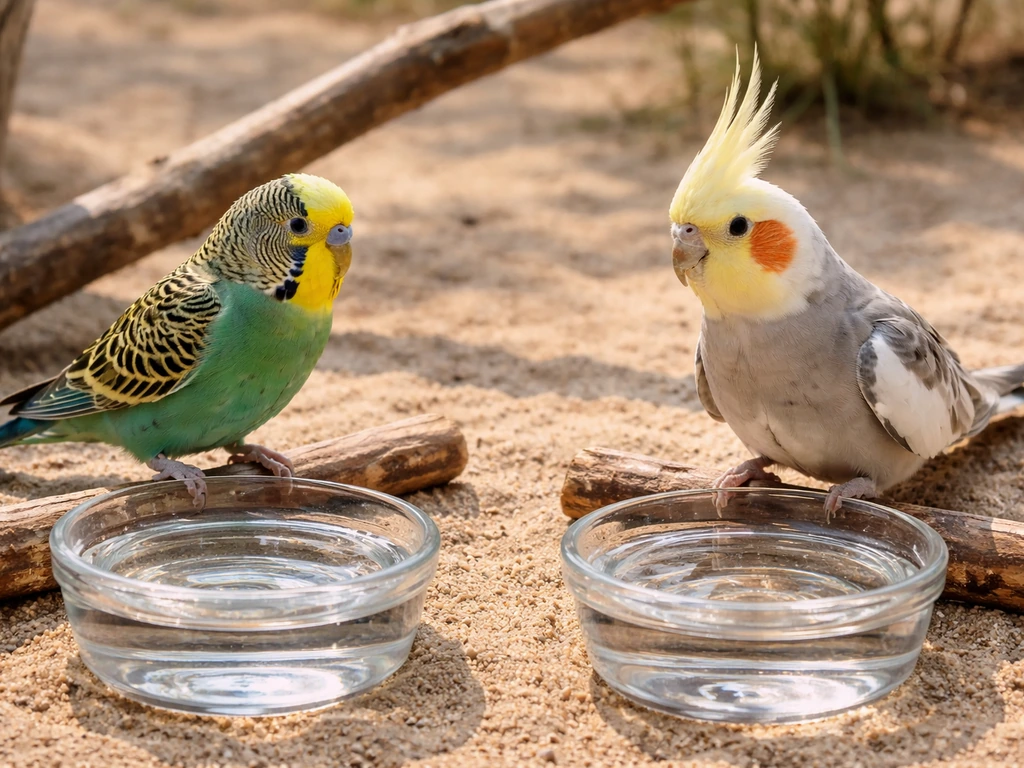
Budgerigars in the wild evolved in arid Australian environments and are genuinely efficient with water, so they tend toward the lower end of intake ranges. Cockatiels are similar. Amazon parrots, caiques, and macaws often drink more freely, and some species will dunk food in water habitually, which inflates how much you see them 'drinking' without necessarily reflecting true hydration needs. African greys tend to be more conservative drinkers and can be shy about water changes, which is worth knowing because a sudden bowl swap can cause them to drink less for a day or two.
Diet matters more than most new owners expect
A bird eating a pellet-only diet needs to drink significantly more water than one eating lots of fresh vegetables and fruit, because dry pellets contain almost no moisture while something like cucumber or leafy greens is over 90% water. If you feed a lot of fresh foods, your bird may appear to drink very little from the bowl, and that's fine as long as it's eating well and producing normal droppings. Seeds sit somewhere in the middle, but dry seed mixes still push birds toward higher water intake than a fresh-food-heavy diet. If you ever switch from seed to pellets, watch water intake closely because the bird's needs will increase almost immediately.
Age, health status, and temperature
Young chicks being hand-fed get most of their moisture from formula. Weaned juveniles often drink more inconsistently as they figure out water sources. Senior birds may drink more if kidney function is declining. Egg-laying females need extra hydration.
And temperature is huge: [research on psittacines shows that at thermoneutral temperatures, around 65% of daily water loss happens through evaporation rather than excretion. ](https://www. marionzoological. com/docs/NutritionofBirdsintheOrderPsittaciformes.
pdf) In rain or very humid weather, evaporation may drop, but your bird can still need extra attention to drinking and hydration. When your home gets warmer in summer, that evaporative loss climbs fast, and a bird that was fine at 5 mL per day in January may need double that in a warm July. Humidity works inversely: very dry air in winter (think forced-air heating) increases evaporative loss even at normal temperatures.
In rain and wet weather, the answer can change because humidity and how your bird drinks from its bowl or offered mist affect hydration.
Water setup: bowls, bottles, placement, and cleaning
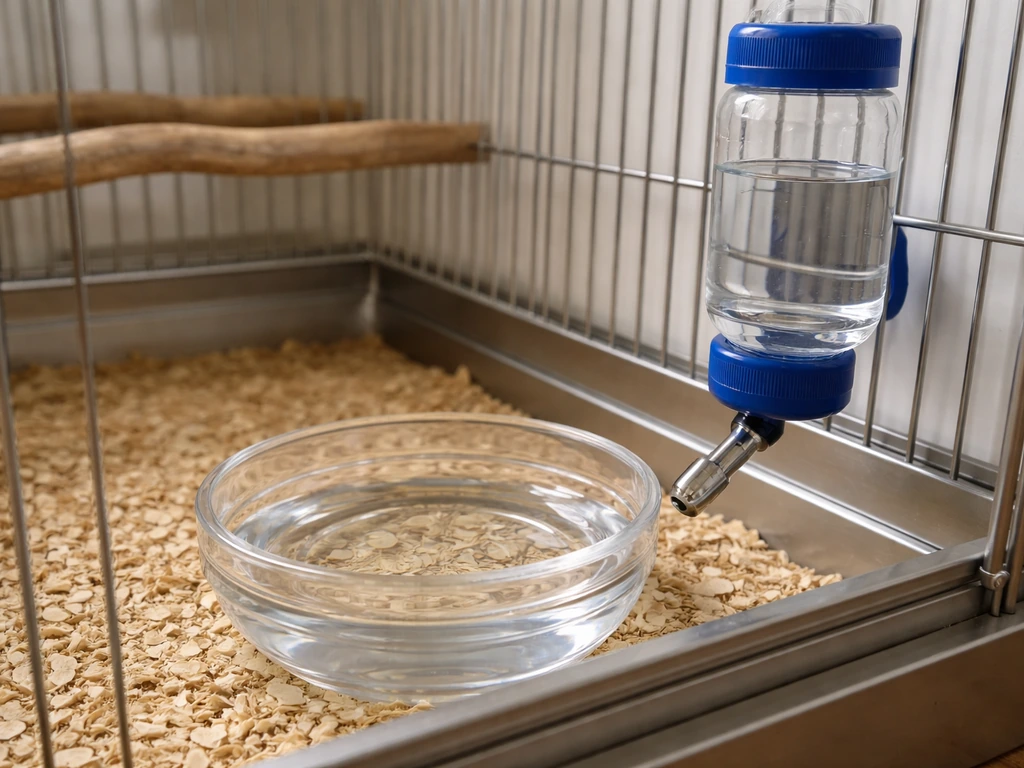
Open dishes vs. sipper bottles
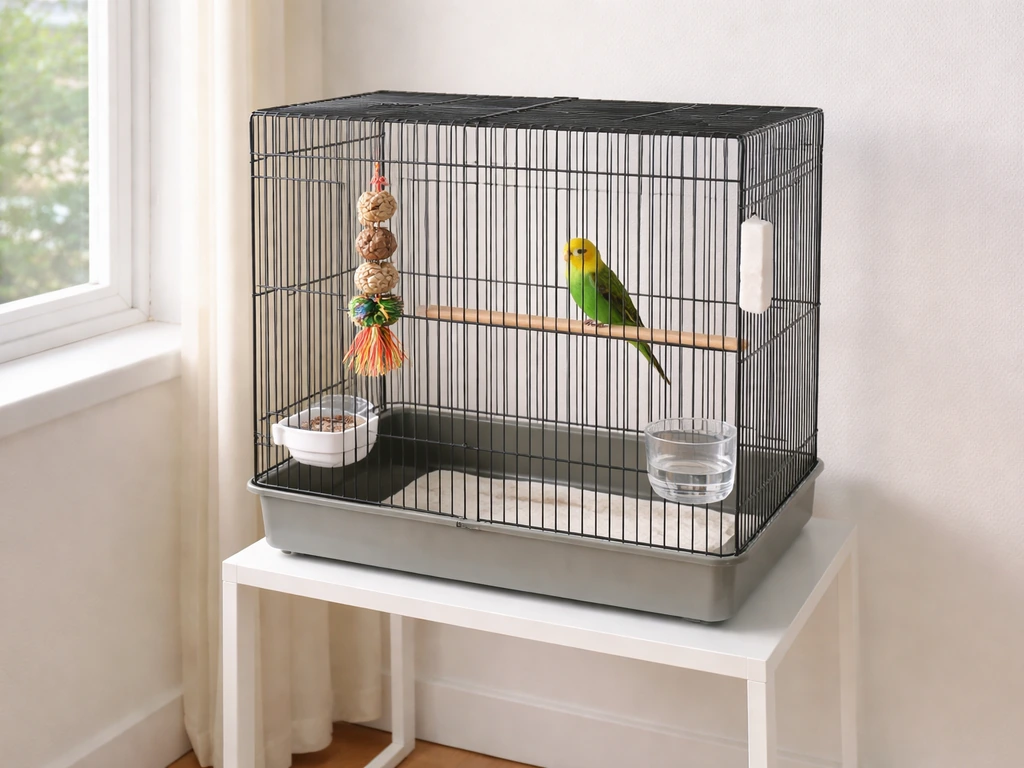
Most birds do best with an open water dish because it matches their natural drinking behavior and lets you easily see how much they're consuming. The downside is contamination: birds step in dishes, drop food in them, and the water turns into a bacterial soup faster than you'd think, especially in warm rooms. A 2–4 inch ceramic or stainless steel crock-style bowl that attaches to the cage bars tends to work better than a flat dish because it's harder to tip and the bird can't easily wade in.
Sipper bottle systems (the kind with a ball-valve tube) solve the contamination problem but introduce a different one: many birds, especially those that didn't grow up with them, won't figure them out intuitively. I wouldn't recommend a sipper bottle as a bird's only water source unless you've confirmed the bird actively knows how to use it. If you do use one, check that the ball valve isn't stuck every single day, because a bird can go a full day thinking it's drinking while nothing comes out. Use bottles as a supplement, not a replacement, until you're fully confident.
Where to place the water in the cage
Place the water bowl at a mid-to-upper level in the cage where the bird perches most, but not directly under any perch. Droppings falling into the water are the fastest way to contaminate it, and this is the most common beginner mistake I see. Keep water away from food dishes too, since seed husks and pellet crumbles constantly falling into water accelerate bacterial growth. If your cage has a top perch, the water should be on the opposite side or slightly lower than that perch.
Cleaning routine
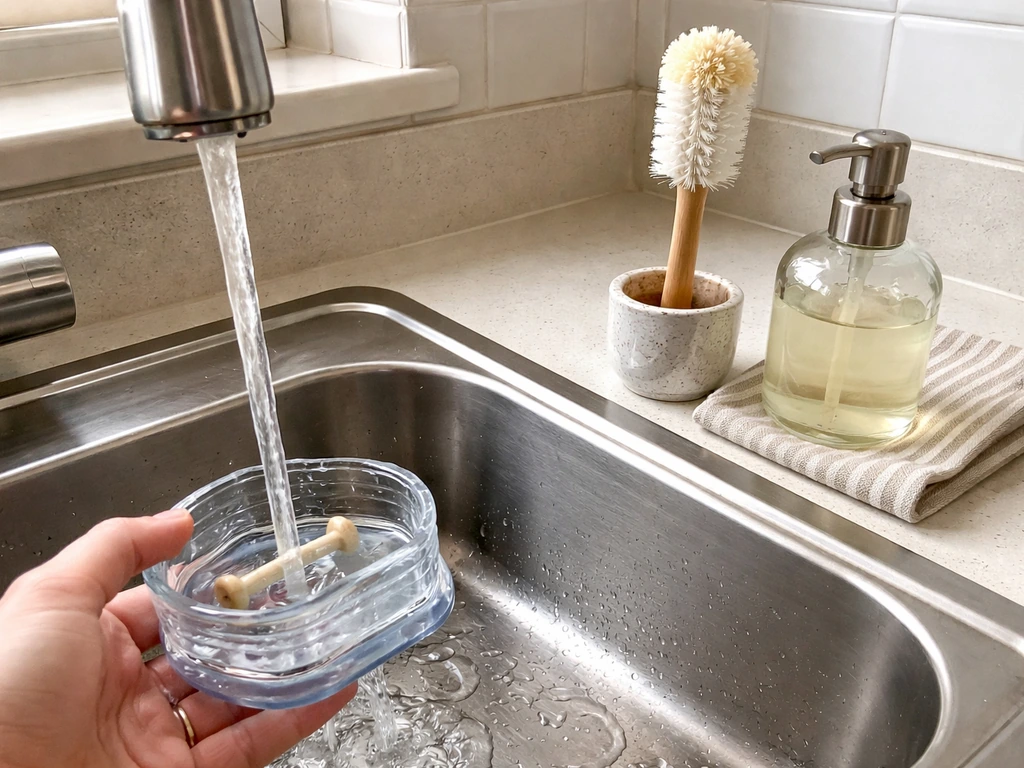
Rinse and refill the water dish every single day, minimum. Full soap-and-water wash with a bottle brush or sponge dedicated only to bird dishes should happen daily if the water gets visibly contaminated, and at least every two days regardless. Once or twice a week, do a deeper clean with a dilute white vinegar solution (one part vinegar to ten parts water) to break down mineral deposits and biofilm, then rinse thoroughly before refilling. Skip antibacterial soaps and bleach unless you can guarantee thorough rinsing, because residue can be toxic to birds.
Signs your bird isn't getting enough water (or too much)
Dehydration in birds can sneak up fast because birds are good at masking illness. The first signs are often subtle. Watch for these specifically:
- Droppings that look drier than usual, with smaller or more concentrated urate (the white/cream part) or less liquid component
- Reduced drinking that you notice when measuring water before and after a full day
- Fluffed feathers when the bird isn't sleeping, combined with lethargy or sitting low on the perch
- Skin that feels less elastic if you gently tent it on the back of the neck (in healthy birds it snaps back quickly)
- Sunken or dull eyes, especially in smaller species
- Loss of appetite, since birds often won't eat well when dehydrated
On the other side, excessive thirst (polydipsia) combined with large volumes of watery droppings (polyuria) can signal kidney disease, diabetes, or infection. A bird that suddenly starts drinking two or three times its normal daily amount should be seen by an avian vet promptly. Don't assume more drinking is always better.
How to track water intake day to day
You don't need a complicated system. The easiest method is to use a small measuring cup or a graduated syringe when you fill the bowl each morning. Pour in a consistent, known amount, say 20 mL for a cockatiel. At the next refill, measure what's left (accounting for any evaporation in your home, which is typically 1–2 mL per day in a normal room). The difference is roughly what the bird consumed. Do this for two or three weeks when you first get a bird, and you'll quickly learn that bird's normal range. After that, a daily visual check is often enough.
Keep a simple log for the first month, just a notepad or phone note with the date and approximate intake. This sounds like overkill but it's genuinely useful if the bird ever gets sick because an avian vet will ask you when drinking changed, and you'll have a real answer. It also helps you notice seasonal shifts, like a drop in intake when you crank the heat in winter and the air dries out, so you can add humidity or fresh foods proactively.
Weighing your bird weekly on a gram scale complements water monitoring well. Weight loss often precedes obvious signs of illness by days, and dehydration is one of the fastest causes of weight loss in small birds. A change of more than 10% of body weight in a week without a dietary explanation is a red flag worth discussing with a vet.
Common mistakes and when to call the vet
Mistakes that are easy to make
- Placing the water bowl under a perch: this is the single most common setup error and leads to constant fecal contamination that can make birds sick within days.
- Assuming the bowl has clean water because it looks full: birds are messy, and water that looks clear can still harbor bacteria within hours of the bird interacting with it. Change it daily, no exceptions.
- Not accounting for heat: if your bird's room hits 80°F in summer, its water needs may double. Failing to increase access during hot weather is a real dehydration risk.
- Switching diets without adjusting water: going from seed to pellets is a common beginner move, and it's a good one, but the bird's water demand increases immediately. Ensure fresh water is always accessible during any diet transition.
- Using tap water without checking: most municipal tap water is fine for birds, but high chlorine or fluoride levels bother some sensitive species. Filtered water or water that has sat uncovered for an hour to off-gas chlorine is a reasonable precaution for smaller birds.
- Relying only on a sipper bottle for a bird that hasn't been trained to use one: this is a genuine emergency risk. Always have an open dish available as backup.
When to call an avian vet
Contact an avian vet same-day or within 24 hours if your bird has stopped drinking entirely for more than a day, if it's showing multiple dehydration signs at once (fluffed, lethargic, dry droppings, weight loss), or if it's suddenly drinking dramatically more than its baseline. Birds deteriorate quickly once dehydration or illness sets in, and waiting a few days to see if things improve is one of the most common mistakes new owners make.
Before the appointment, note the bird's normal daily water intake (another reason that first-month log pays off), any recent diet changes, the temperature in the room, and when you first noticed the change in behavior. An avian vet, not just a general small animal vet, is important here because birds metabolize medications differently and a vet without bird-specific training may not recognize the signs or appropriate treatment for avian dehydration or kidney issues.
Getting water right is genuinely one of the less glamorous parts of bird ownership, but it's foundational to everything else. Just like you consider how a tree helps a bird in the wild, providing clean water in the right way supports natural hydration needs how does a tree help a bird. To get started with what you need for a pet bird beyond water, plan for the right cage, diet, lighting, and enrichment so your bird stays healthy.
If you're wondering what you need for bird watching, start with the essentials that help you keep your birds comfortable and hydrated. The overall care picture, covering what your bird eats, how much space it has, and what its environment looks like, all connects back to hydration. Once you've nailed down a consistent daily routine for water setup and monitoring, it takes maybe two minutes a day and becomes second nature fast.
FAQ
My bird’s water bowl looks almost untouched, is that always a sign of dehydration?
If you only see a tiny amount of liquid in the bowl, it can still be normal when your bird eats lots of wet foods (cucumber, leafy greens) and produces normal droppings. The better check is overall intake behavior, stool volume/consistency, and whether the bird is actively eating, alert, and losing weight. If your dry-food-heavy bird suddenly starts drinking far less than its baseline, that is when you should intervene rather than assuming “low bowl level” equals dehydration.
Can I switch my bird from an open water dish to a bottle sipper?
Don’t switch from an open dish to a sipper abruptly. Sippers require learning, and a stuck ball valve can mask the true intake. If you want to transition, do it over several days while still offering a backup open dish, then confirm the bird is consuming water from the sipper before making it the only source.
Is misting or humidity help enough, or does my bird still need a water bowl?
Yes, but use it as a supplement, not a replacement for drinking water. Start with brief, supervised misting sessions, then watch droppings and comfort. If your home is very humid already, extra misting can create a consistently wet environment around the cage, which can worsen contamination if dishes and perches aren’t cleaned more often.
How much variation day to day is normal when tracking water?
To interpret a number, compare to your bird’s own baseline, not the “5 to 15 mL” range. A healthy bird may drink less on some days after eating wetter foods, but it should rarely drop to near zero for an entire day. Use your two to three week intake log to set a personal low-water threshold, and contact an avian vet promptly if intake suddenly breaks that pattern.
What should I adjust if my bird eats mostly pellets versus mostly seed?
Use the 0.05 times body weight method to estimate a minimum floor, then adjust for your bird’s routine. If your bird eats mostly dry seed, live with the idea that real intake usually sits above the floor. If you mainly feed pellets plus fresh produce, your starting target may be lower than for seed-heavy diets, but still verify with measured intake so you don’t under-shoot for your specific bird.
What are the most common reasons a bird suddenly drinks much more?
If your bird is drinking more than usual, consider trigger causes first: dry air (heater use), increased activity, warmer room temperature, more dry foods, or a water setup issue (hard-to-reach bowl, contamination smell, partial blockage in a sipper). If the increase comes with watery droppings, weight loss, or a sudden behavior change, it can indicate kidney problems, diabetes, or infection, and an avian vet should evaluate the bird.
My bird is drinking less than usual, what troubleshooting steps should I try first?
Start by checking the practical setup: bowl height relative to the main perch, cleanliness, water placement away from food and under-perch falling, and whether the bird can access the bowl comfortably. If everything is correct and intake remains clearly below baseline, don’t keep “waiting it out” because birds mask illness, instead contact an avian vet within 24 hours if drinking stops entirely for more than a day.
How do I tell if my bird is drinking water or just dunking food?
Yes, there can be misleading cues with “wet” foods or dunking behavior. Some species dunk food, so you may see extra fluid loss from food rather than true drinking. When water monitoring matters, measure what goes in and what remains, and keep notes on whether the bird’s diet changed or dunking increased at the same time.
Does the type of water I use (tap, filtered) affect how much my bird drinks?
If you use tap water, the issue is not just quantity, it is consistency and any additives. If you suspect your tap water has strong odor or taste, or you notice a persistent refusal to drink after a change, discuss water quality with your vet and consider switching to a safe alternative. Avoid antibacterial chemicals and harsh cleaning residues, since residue can reduce drinking even when the water level looks normal.
Can dirty water lower drinking even if the bowl doesn’t look dirty yet?
For most pet birds, the cleaning goal is daily rinse and refill, plus more frequent full washing when contamination is visible. A “pretty clean looking” bowl can still build biofilm, especially in warm rooms. If you are seeing sudden intake changes, treat hygiene as a potential cause and reset the routine with a full daily clean before concluding the bird has a health problem.