A pet bird needs five things to stay healthy: a safe, appropriately sized cage, a nutritionally balanced diet (not just seeds), fresh water changed daily, daily out-of-cage time and mental stimulation, and regular observation so you catch problems early. Everything else builds on those five. The specifics shift depending on which species you bring home, but get those foundations right and you are already ahead of most first-time bird owners.
What Does a Bird Need? Beginner Pet Care Essentials
Marcus Chen
19 Jun 2026
Bird basics: what needs differ by species
The word "bird" covers an enormous range of animals, so the honest answer to "what does a bird need" is: it depends on the species. A canary and a cockatiel have genuinely different requirements for social interaction, space, and noise tolerance. Choosing the wrong species for your lifestyle is one of the most common beginner mistakes, and it causes problems for both the owner and the bird.
For most first-time owners, the beginner-friendly shortlist looks like this: budgerigars (parakeets), cockatiels, canaries, finches, and lovebirds. Each has a different personality and commitment level. Cockatiels are affectionate, relatively quiet, and adapt well to home life, but they can live up to 25 years, so adopting one is a long-term commitment. Canaries and finches are lower-maintenance and do not require hands-on social time the way parrots do, which suits owners with busy schedules. Lovebirds are bold and entertaining but need more attention than people expect. The right match depends on how much time you realistically have each day, your household noise tolerance, and whether you want a bird that bonds closely with you or one that is content being observed.
Species also determines cage size, bar spacing, diet ratios, and enrichment type. A budgie does fine with 1/2-inch bar spacing and a relatively modest cage. A cockatiel needs at least a 24" x 24" x 24" enclosure as a starting minimum. Larger parrots need dramatically more space and a correspondingly larger time investment from you. Throughout this guide, the examples lean toward budgies, cockatiels, and canaries since those are the species most beginners actually bring home.
Food and water: what to feed, how often, and common diet mistakes
The seed myth
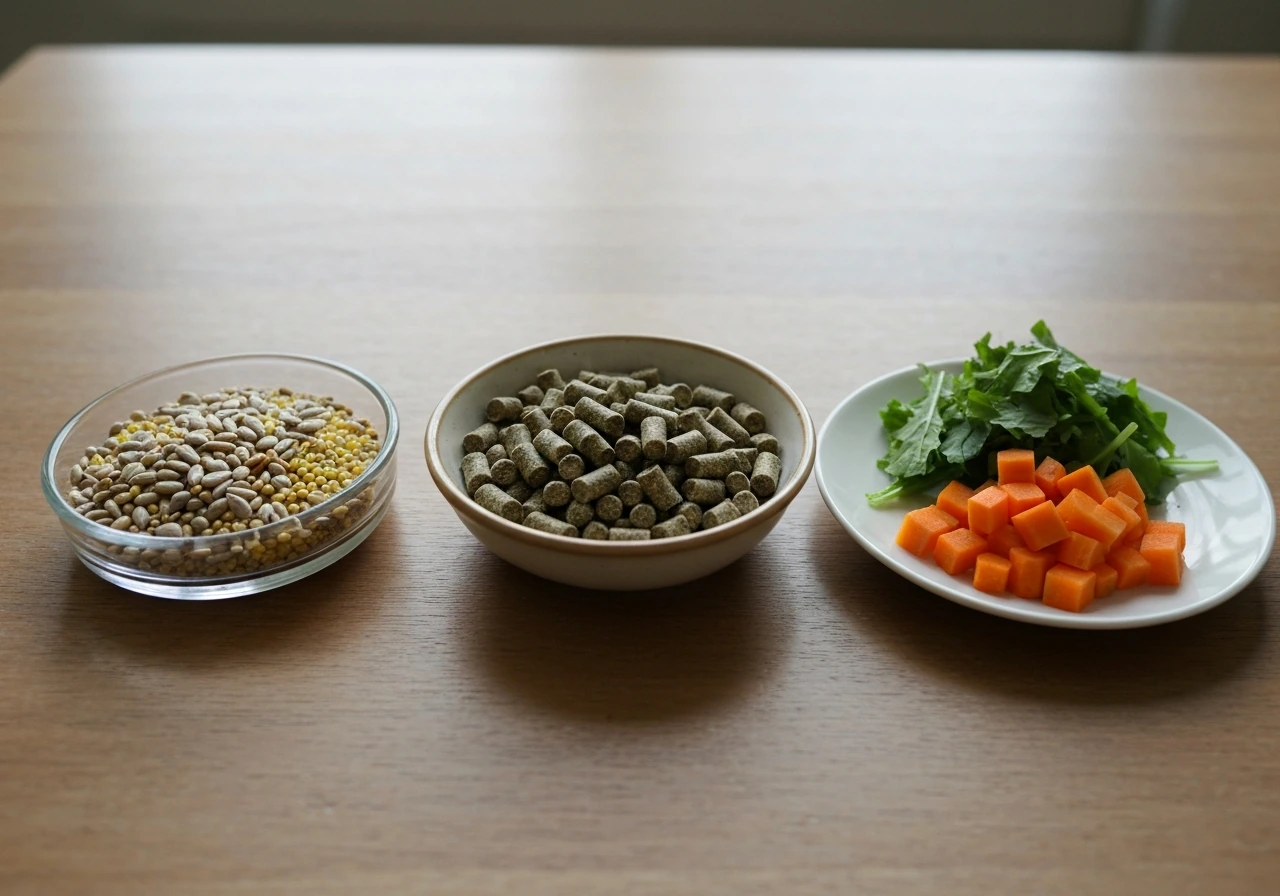
Here is where a lot of well-meaning beginners go wrong: seeds are not a complete diet. They are high in fat and low in the vitamins, amino acids, and calcium-to-phosphorus balance a bird actually needs. Merck's veterinary guidelines identify two of the most common causes of malnutrition in companion birds as (1) feeding a pure seed diet and (2) offering a mixed bowl and letting the bird pick out its favorites, which usually means it eats only the fattiest seeds. Both approaches look like "feeding your bird" but both lead to nutrient deficiencies over time.
What a balanced diet actually looks like
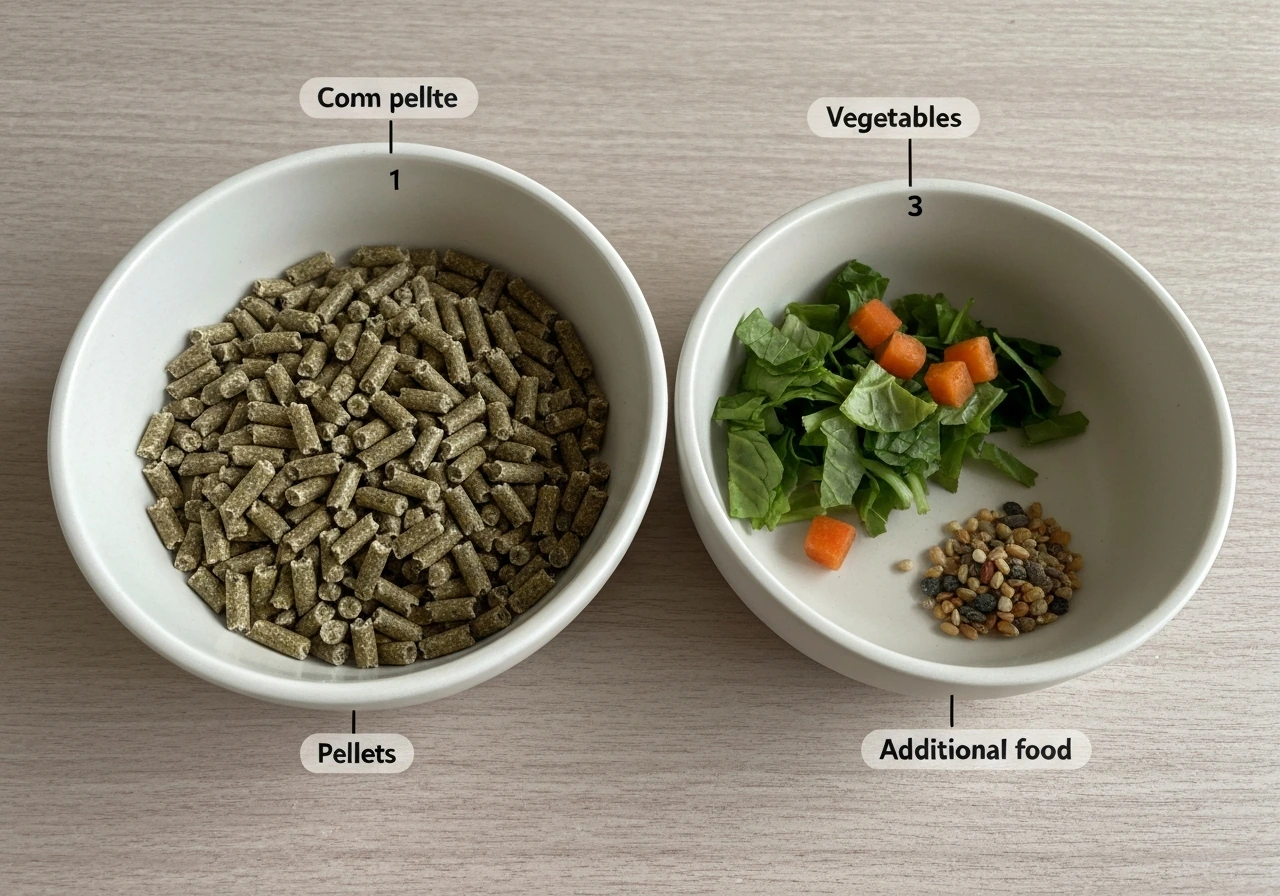
A good target diet for small species like cockatiels, budgies, lovebirds, canaries, and finches is roughly 60% high-quality pellets and 20% fresh vegetables, with a small amount of fruit rounding things out. Pellets are nutritionally complete by design, which removes a lot of the guesswork. If your bird was raised on seeds, transitioning to pellets takes patience and should be done gradually while you monitor weight. A bird that loses more than 10% of its body weight during a diet transition needs a vet visit, not more waiting.
One more thing worth flagging: do not over-supplement. High-dose vitamin A is actually dangerous for birds, and adding random supplements to a pelleted diet can push certain nutrients into toxic ranges. If you are feeding a quality pelleted diet with fresh vegetables, extra supplements are generally unnecessary unless a vet specifically recommends them.
Water and dish hygiene
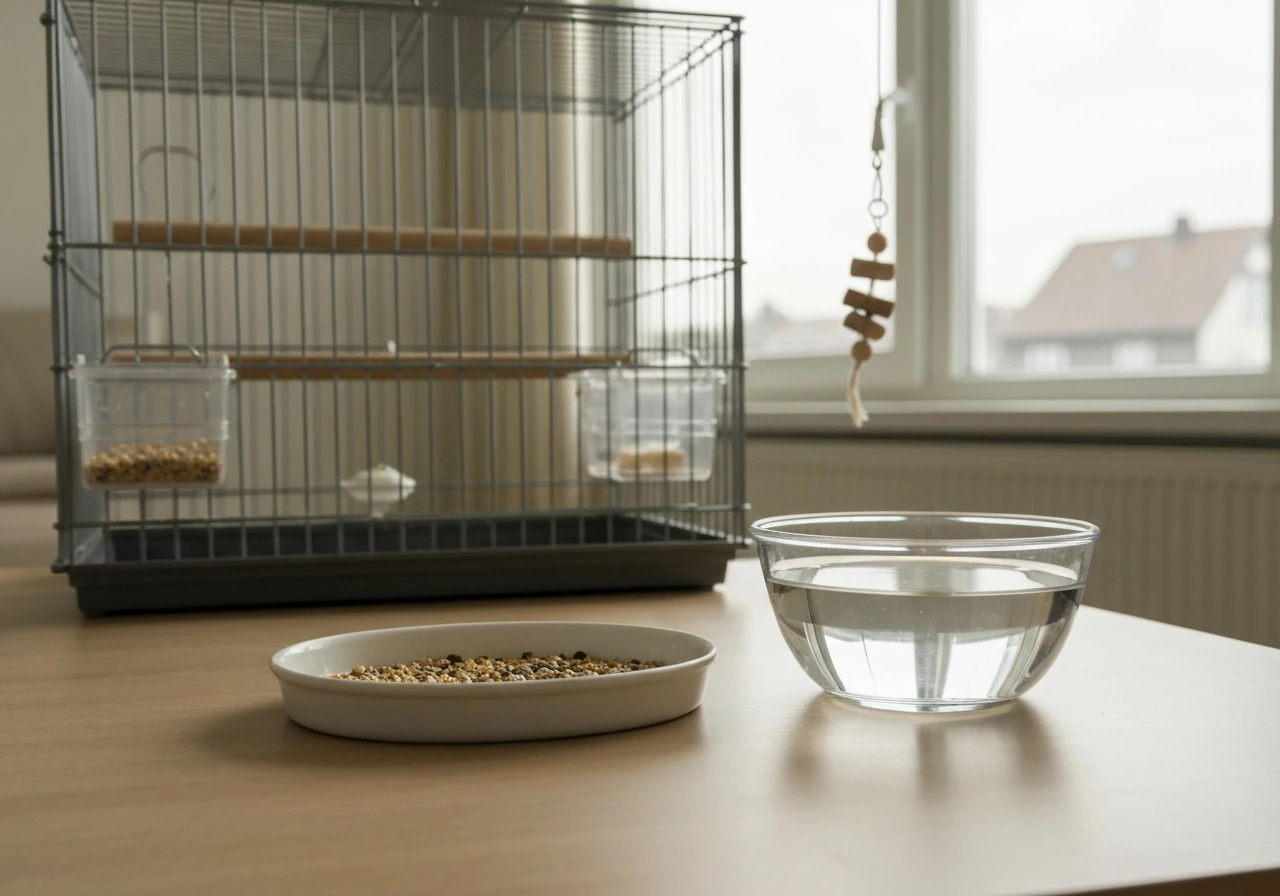
Change your bird's water every single day, minimum. If you are wondering how much water does a bird need for your specific species, that depends on diet, temperature, and whether they drink from a bowl or bottle. Bowls left sitting develop bacterial biofilm and slime faster than most people expect, especially in warm rooms. A lot of experienced owners change water twice daily for this reason. If you use a water bottle instead of an open bowl, still change the water daily and test the nozzle each time to make sure it is actually dispensing. Food and water containers should be washed before each refill, not just topped off.
Housing and environment: cage size, placement, airflow, temperature, and cleaning
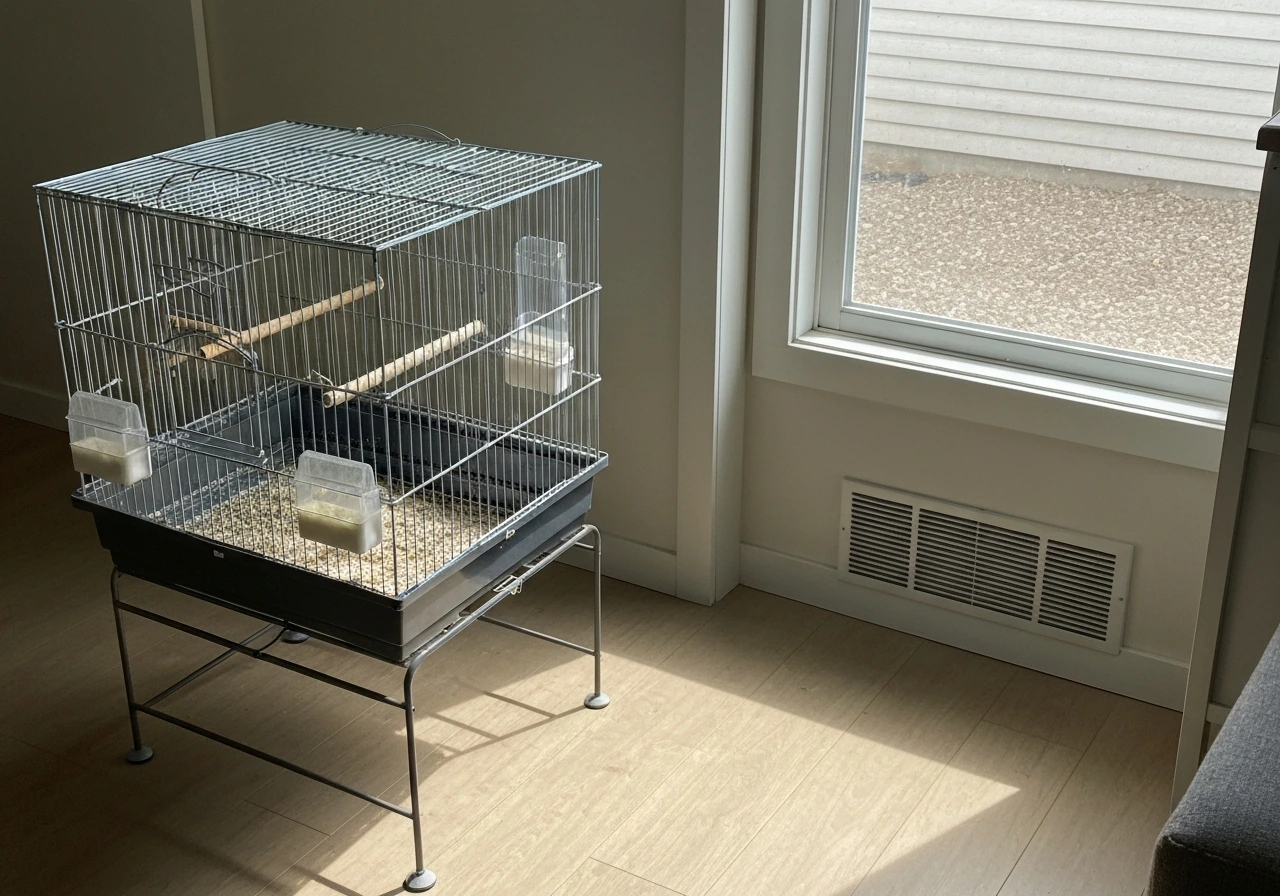
Cage size and bar spacing
Cage size is one area where bigger is genuinely better. The minimum for a single cockatiel is 24" x 24" x 24", and that is a floor, not a goal. As a general rule, the bigger the enclosure the better, but the exact minimum depends on the species and how much time the bird gets out of the cage how much space does a bird need.
Bar spacing is a safety issue: for budgies, cockatiels, lovebirds, and parrotlets, bars should not exceed 1/2 inch apart. Wider spacing risks head entrapment, which can injure or kill a small bird. Cockatiels can tolerate up to 5/8-inch spacing, but 1/2 inch is the safer standard if you are buying one cage for a mixed small-bird setup.
Where you place the cage matters more than most people realize
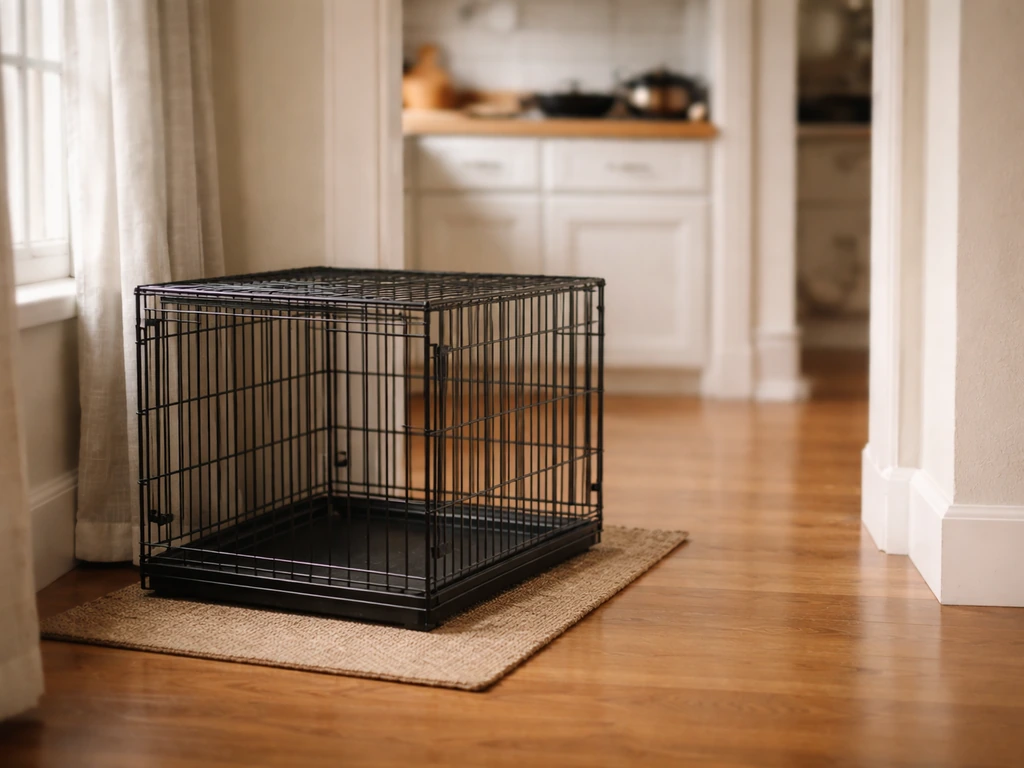
Keep the cage out of the kitchen. This is non-negotiable. Non-stick cookware coated with PTFE (Teflon and similar fluoropolymers) releases fumes when overheated, and those fumes are lethal to birds. The same goes for aerosol sprays: air fresheners, spray disinfectants, insect killers, and scented candles can all cause serious respiratory problems. Birds have highly efficient respiratory systems, which is exactly what makes them so vulnerable to airborne toxins. Kitchens also have temperature swings and cooking fumes that compound the risk.
Avoid drafty windows and exterior walls, especially in winter. If you keep them in the rain, make sure your bird still has clean water access, stable warmth, and safe shelter from drafts what a bird needs in the rain. Ideal ambient temperature for most companion birds is in the 65-85°F range. Sudden cold drafts stress birds quickly. At the same time, the room needs good ventilation since stale air is also a health risk. The goal is stable, fresh air without direct drafts hitting the cage.
Lighting
Natural light is genuinely important, not just nice to have. If your bird does not get adequate natural sunlight (and most indoor birds do not), a full-spectrum UV lamp designed for birds fills the gap. Aim for 10 to 12 hours of light per day and place perches at different distances from the lamp so your bird can choose how much UV exposure it gets. UVB supports vitamin D synthesis and overall health in ways that regular household lighting simply does not.
Cleaning schedule
Spot clean the cage floor and any soiled perches daily. PetPlace recommends daily spot cleaning of bird cages and thorough weekly cleaning as a dependable baseline routine daily spot cleaning and thorough weekly cleaning. Do a thorough deep clean weekly, which means removing everything, scrubbing all surfaces, and replacing cage liner. Keep in mind that the CDC recommends not keeping birds in areas where food or drinks are prepared, and that cleaning equipment (bowls, perches, toys) regularly reduces disease transmission risks for both the bird and your household.
Daily care routine and health checks
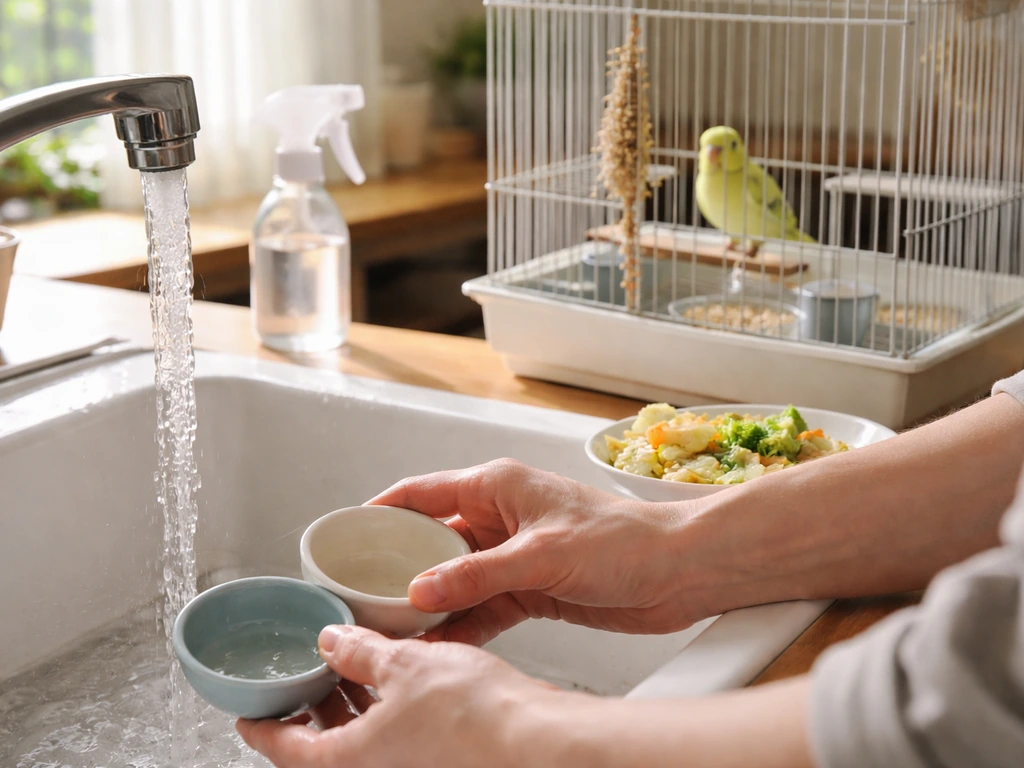
A consistent daily routine is one of the best things you can do for a pet bird. Birds are creatures of habit, and a predictable schedule reduces stress. Here is what a basic daily routine looks like: Birds that do get rain need safe, gentle exposure and then proper drying, so they are not left chilled or damp for too long what does a bird need in the rain.
- Morning: Remove any uneaten perishable food from the night before. Wash food and water dishes. Refill with fresh food and water.
- Mid-morning or afternoon: Out-of-cage time in a safe, supervised space (at minimum 1 to 2 hours for social species like cockatiels and budgies).
- During out-of-cage time: Observe your bird's behavior, posture, and droppings. This is your daily health check.
- Evening: Spot clean the cage floor. Cover the cage if needed to signal sleep time and maintain a consistent light-dark cycle.
- Weekly: Full deep clean of the entire cage, perches, and toys.
For health checks, you are looking for changes from your bird's normal baseline. Key things to watch include changes in droppings (color, consistency, or volume), reduced appetite or water intake, sleeping more than usual, fluffed-up feathers during the day, and changes in vocalization. If your bird loses more than 10% of its body weight, call a vet. Annual veterinary checkups are recommended even when the bird appears healthy, since birds instinctively hide illness and problems are often well-advanced by the time visible symptoms appear.
Enrichment, exercise, and social needs
A bird sitting in a cage with nothing to do is a bird that will develop behavioral problems. Boredom in birds shows up as feather plucking, excessive screaming, repetitive pacing, and aggression. Enrichment is not optional, it is part of basic care.
Foraging is the big one
In the wild, birds spend a significant portion of each day foraging for food. Cockatiels and parakeets are ground foragers by nature, while other species search higher vegetation. Replicating this in captivity means hiding food in puzzle toys, wrapping treats in paper, placing food inside small cups or cones, or scattering foraging material on a tray. The goal is to make the bird work a little for its food. This is not about withholding nutrition, it is about giving the bird something mentally engaging to do. Start simple, especially with a new bird, and increase complexity as they get the hang of it.
Toys and stimulation
Rotate toys regularly so the cage does not become monotonous. Bells, rattles, and crinkly items work well for some birds because sound itself can be enriching. Chewing toys made from safe materials (untreated wood, bird-safe rope) satisfy natural chewing instincts. Avoid toys with small metal parts that can be ingested or sharp edges that can snag. Not every bird likes every toy type, so expect some trial and error.
Social time and exercise outside the cage
Cage size matters, but it does not replace out-of-cage time. Social species like cockatiels and budgies need daily interaction with you or a companion bird. Exercise outside the cage in a bird-proofed room gives them flight opportunity and mental stimulation that no cage can fully replicate. For a simple example of natural enrichment, think about how does a tree help a bird by offering perches, hiding spots, and foraging options. Before you let a bird fly free in a room, check for open windows, ceiling fans, mirrors, toxic houseplants, and other hazards. A bird-safe room takes about ten minutes to set up the first time, and the habit of checking before releasing becomes second nature quickly.
Beginner equipment checklist and setup roadmap
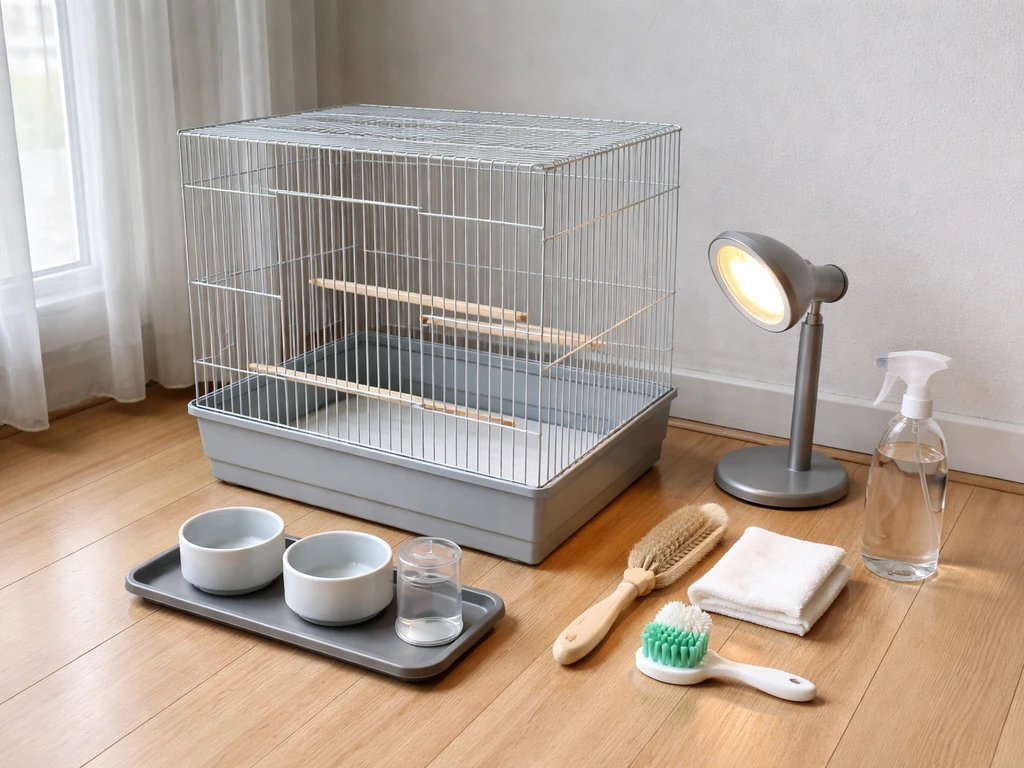
Before you bring a bird home, have everything set up and tested. Do not improvise after the bird arrives. Here is the baseline equipment list for a small companion bird like a budgie or cockatiel:
- Appropriately sized cage (minimum 24" x 24" x 24" for a cockatiel; larger for any bird you plan to keep pair or more) with bar spacing no wider than 1/2 inch for small species
- At least two food dishes and one water dish (or a water bottle with daily testing built into your routine)
- Varied perches at different diameters and textures (wood, rope, concrete) to support foot health
- High-quality pelleted diet appropriate for your species, plus fresh vegetables
- Foraging toys and at least two or three rotation toys
- Cage liner or paper for easy daily spot cleaning
- Full-spectrum UV lamp if natural window light is limited
- Safe, bird-specific cage cleaner (no aerosol sprays)
- A digital kitchen scale for weekly weight monitoring
- A carrier or travel cage for vet visits
- Contact information for an avian vet before you need it
Your setup roadmap before bringing a bird home
- Choose your species based on your realistic daily time availability and household noise tolerance, not just appearance.
- Set up and place the cage in its permanent location (away from the kitchen and drafts) at least a few days before the bird arrives.
- Source your pellet diet and fresh vegetable plan in advance so you are not scrambling on day one.
- Bird-proof the room you plan to use for out-of-cage time: check for ceiling fans, open windows, mirrors, toxic plants, and any non-stick cookware nearby.
- Find and register with an avian vet before your bird arrives. Schedule a new-bird wellness checkup for within the first few weeks.
- Run the UV lamp on its intended schedule for a day to confirm placement and timing before the bird moves in.
- On arrival, give the bird a few days to acclimate before pushing for interaction. Watch droppings and appetite closely during this adjustment window.
How much water, how much space, and what specific gear you need will vary by the species you choose, but the fundamentals above apply to almost every beginner setup. Get the cage right, ditch the seed-only diet, change the water daily, spend real time with your bird, and build the habit of daily observation. Do those five things consistently and you will be providing better care than a significant portion of bird owners from day one.
FAQ
Can I keep a bird in a small cage if I give it lots of out-of-cage time?
You should not use out-of-cage time as a substitute for cage safety and room to move. A bigger cage lets your bird exercise, preen comfortably, and retreat from stress without forcing long sessions. If you are between sizes, prioritize the minimum for your species, then add consistent daily flight or flight-like exercise in a bird-proofed room.
What does a bird need for bedding or cage liner?
Avoid dusty or strongly scented liners that can irritate airways, and do not use materials that mold easily when slightly damp. Choose something easy to replace frequently, then spot clean daily and fully replace on your weekly deep-clean schedule. If your bird gets respiratory symptoms, reassess liner type and bedding dust first.
Is bottled water or filtered water better than tap water?
Filtered or bottled water can be helpful if your tap has heavy chlorine taste or inconsistent quality, but freshness and daily changes matter most. If you filter, rinse and maintain the system so it does not become a biofilm source. Also check your bird bottles nozzles or bowl cleanliness each refill.
How do I know if my bird is eating enough during the switch from seeds to pellets?
Track weight and droppings, not just how much food remains in the bowl. If pellets are being rejected and the bird’s weight drops more than 10% during the transition, that is a vet call situation. Some birds accept pellets faster if they are offered alongside familiar foods briefly, then gradually shift ratios.
Should I give grit, calcium blocks, or extra minerals if I use pellets?
Often you do not need extra minerals if the base diet is nutritionally complete pellets plus appropriate vegetables. Calcium should be handled carefully, because over-supplementing can cause problems, especially with vitamin A and certain nutrient interactions. Use vet guidance or established species needs when adding any supplements.
How often should I disinfect toys and perches beyond normal cleaning?
In addition to regular washing, sanitize on a schedule that matches how dirty or soiled items get, especially toys used heavily for chewing or foraging. Replace or discard any item that cannot be cleaned safely (cracks, rust, sticky surfaces). The key is preventing buildup, because cages can look clean while biofilm remains in crevices.
What does a bird need in a room with ceiling fans, mirrors, or TV screens?
Bird-proof the environment like a hazard audit. Ceiling fans can cause injury, mirrors can trigger frantic or territorial behavior, and sudden visual cues can increase stress or collisions. If a bird startles often or tries to attack reflections, reposition the cage and reduce mirror access immediately.
Are there signs that my bird is too hot or too cold, beyond general behavior changes?
Watch posture and breathing patterns, not only activity level. Rapid panting or open-mouth breathing suggests overheating, while constant huddling, shivering, or very reduced movement suggests cold stress. Keep the room stable within the typical companion range and avoid direct drafts, then contact a vet if symptoms persist.
What does a bird need if I am away from home for part of the day?
Plan for daily essentials, so the bird has consistent water access, a safe cage environment, and predictable light exposure. If you cannot provide out-of-cage time, choose a species that tolerates your schedule better and focus on higher enrichment in-cage (foraging toys, rotating toys). Do not rely on someone else to improvise care routines without instructions.
How do I handle rain exposure if my bird seems hesitant to go near it?
Start with controlled, gentle options, and never force a soaking. Provide a place to choose, like a sheltered area with stable warmth, then ensure the bird dries properly afterward. If the bird is chilled or damp too long, it increases health risk, so supervise and adjust the setup until the bird is comfortable.