To keep a pet bird safely and comfortably, you need a correctly sized cage with proper bar spacing, food and water dishes, a species-appropriate diet (mostly pellets plus fresh vegetables), safe perches and toys, a lined cage floor, and a plan for daily cleaning and an avian vet visit within the first week. That's the core list, but the exact setup changes meaningfully depending on whether you're getting a budgie, a finch, a cockatiel, or a larger parrot, so your first decision shapes every purchase after it.
What Do You Need for a Pet Bird Checklist and Setup Guide
Marcus Chen
4 Jun 2026
Start here: the bird type changes everything
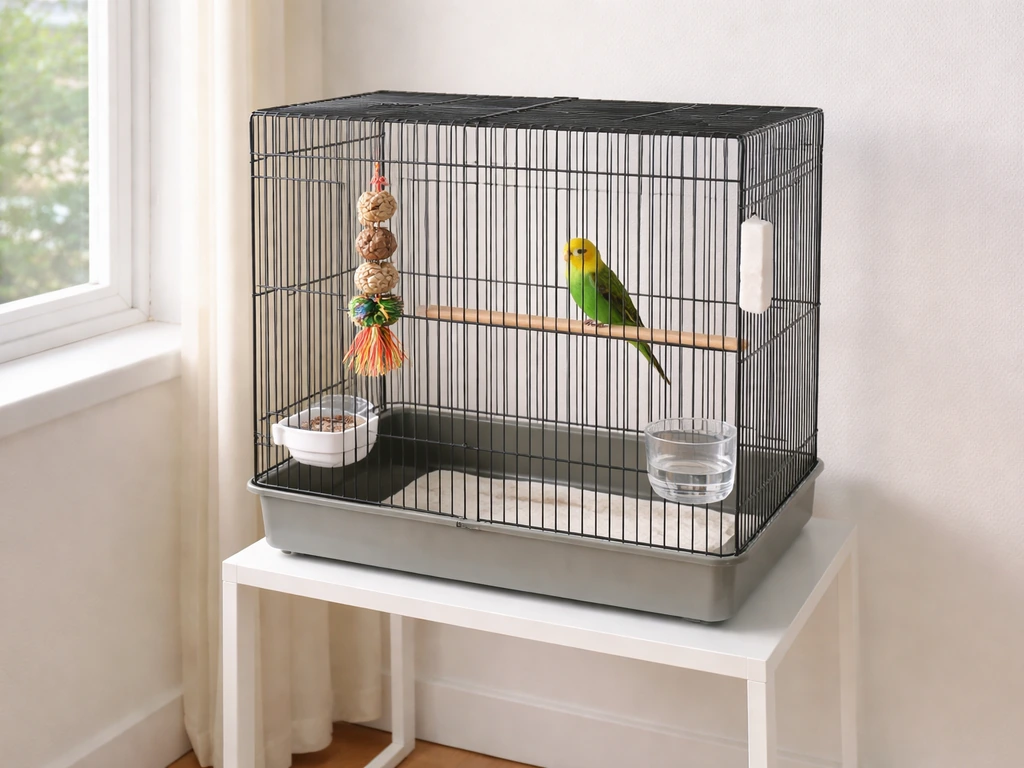
Picking a species before you buy anything is non-negotiable. A finch lives happily in a flight cage with minimal handling and doesn't need the same social interaction as a conure, which can scream the paint off your walls if it's bored. A budgie (parakeet) is a great first bird, needs less space than a cockatiel, and is significantly cheaper to set up than a larger parrot. Here's a quick breakdown of what category you're working with:
| Bird Type | Space Needs | Bar Spacing | Social Needs | Noise Level | Beginner-Friendly? |
|---|---|---|---|---|---|
| Budgie (parakeet) | Moderate flight cage | 0.5 in | Daily interaction or a cage companion | Moderate | Yes, great starter bird |
| Finch / Canary | Large flight cage (wide) | 0.5 in or less | Low; usually kept in pairs | Low to moderate | Yes, especially for hands-off owners |
| Cockatiel | Larger cage, good headroom | 0.5–0.625 in | High; bonds closely with owners | Moderate | Yes, very popular first parrot |
| Conure (small–medium parrot) | Spacious cage | 0.75 in | Very high; dislikes being alone | High | Intermediate; needs commitment |
| Larger parrot (Amazon, African Grey, etc.) | Very large cage or aviary | 1–1.5 in | Extremely high | Very high | Not ideal for first-timers |
The rest of this guide covers the full setup for a beginner bird owner. I'll flag where things differ by species so you can adjust your shopping list accordingly.
Housing: cage size, setup, and where to put it
Choosing the right cage
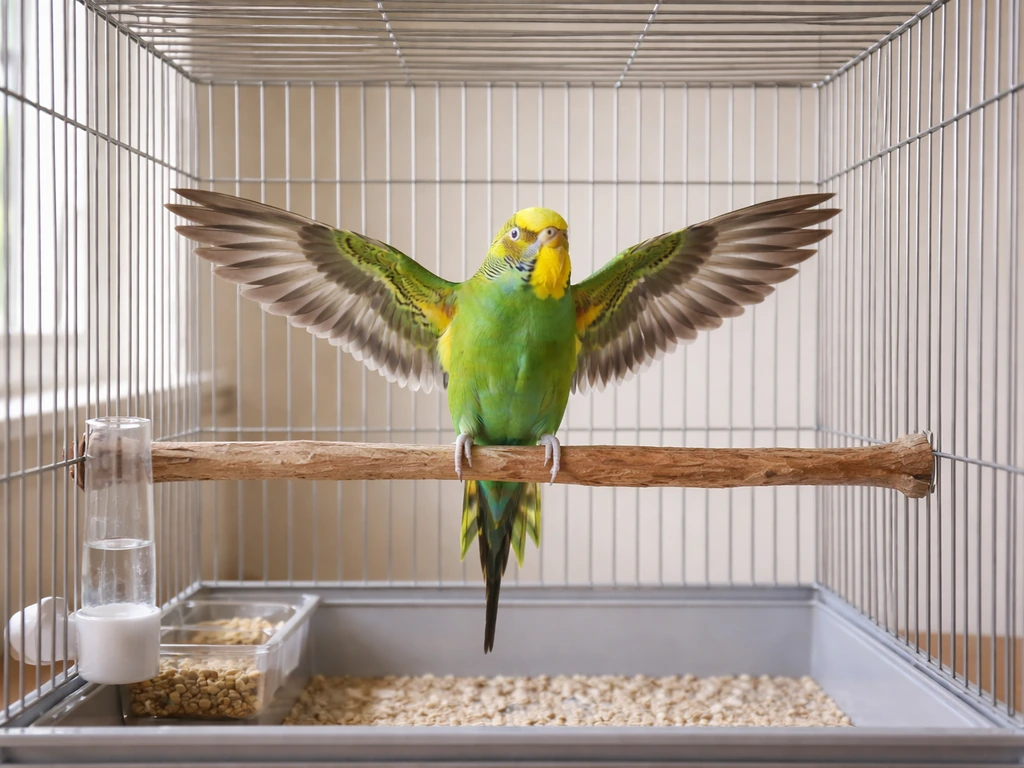
The most common beginner mistake is buying a cage that's too small. A bird needs to be able to fully extend and flap its wings without touching the sides, and ideally fly a short distance. What does a bird need for space and exercise? It needs room to fully extend and flap its wings without touching the sides, and ideally to fly a short distance.
If you want the exact right cage dimensions, look up how much space does a bird need for your species and choose a setup that supports full wing-flapping. Width matters more than height for most species because birds fly horizontally, not vertically. A budgie needs a cage at least 18 inches wide, but bigger is always better. A cockatiel should have a minimum of 24 inches wide by 24 inches deep.
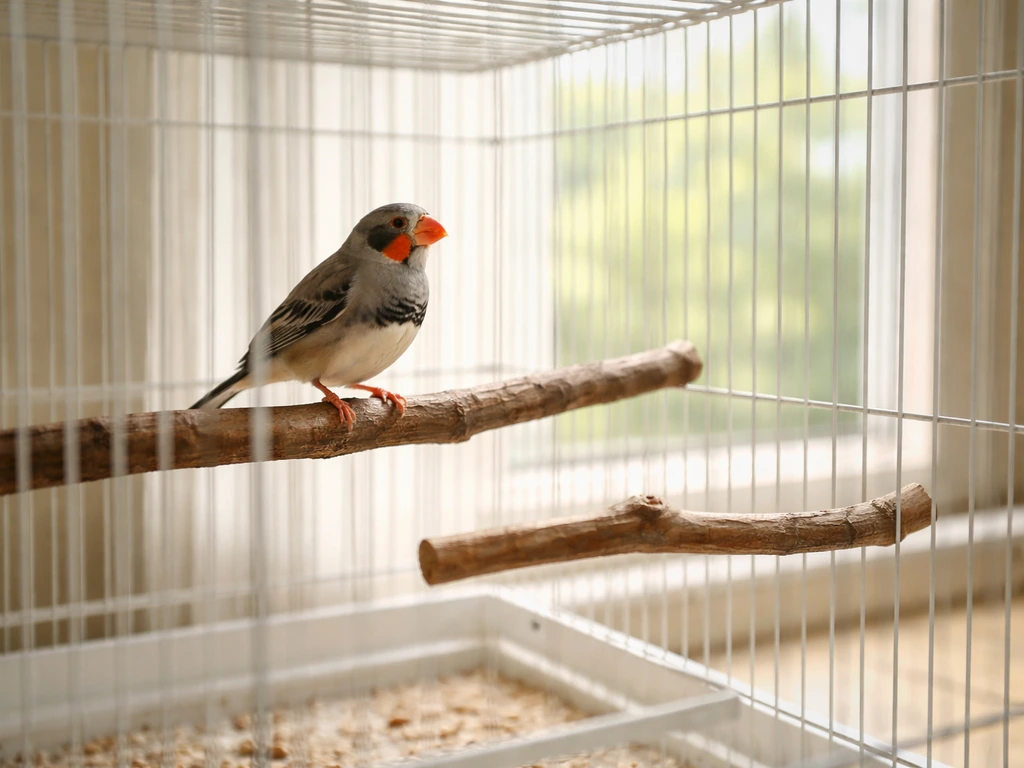
Finches and canaries need the most horizontal space of all, because they fly to exercise, so a flight cage at least 30 inches wide is the right starting point.
Bar spacing is a safety issue, not just a preference. If the spacing is too wide, a bird can get its head stuck and break its neck. Budgies, cockatiels, lovebirds, and parrotlets need bar spacing of 0.5 inches. Cockatiels can go up to about 0.625 inches. Conures need roughly 0.75 inches. Always check the bar spacing before purchasing, even if the cage is marketed as species-appropriate, because manufacturers sometimes get this wrong.
Cage setup and placement
Place the cage in a room where the family spends time, like a living room, so the bird feels part of daily life rather than isolated. Position it against a wall or in a corner on at least one side to give the bird a sense of security. Keep it away from exterior doors (cold drafts), windows with direct midday sun (overheating), and the kitchen. That last one is serious: cooking fumes, especially from nonstick cookware, can kill a bird within minutes. More on that in the safety section.
The bottom of the cage needs a liner. Plain, unprinted paper or paper-based cage liners work well. Do not use sandpaper cage liners, which are still sold at some pet stores. Birds pick at the grit, ingest it, and can develop a gastrointestinal obstruction. A cage stand or a sturdy piece of furniture keeps the cage at chest height, which is ideal. Too low makes the bird feel vulnerable; at eye level or above can make some birds territorial.
Food and water: what to buy and what to skip
The diet basics by species
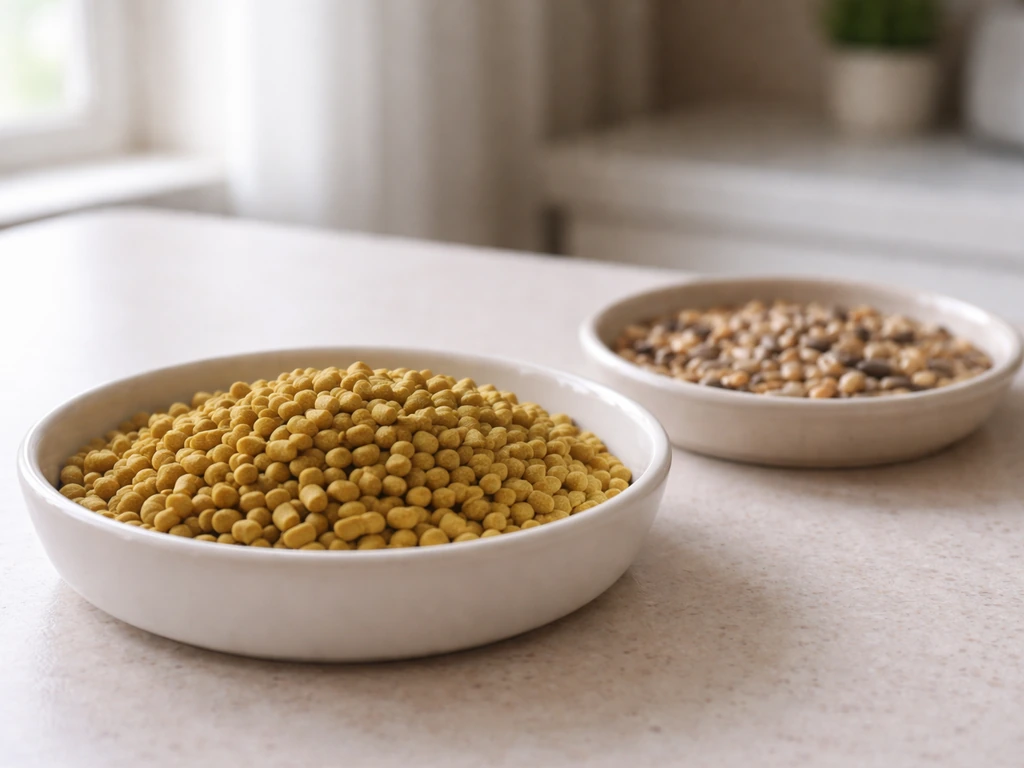
A pelleted diet is the foundation for almost every pet bird. Seeds are heavily marketed but they're high in fat and nutritionally incomplete, so they should be more of an occasional treat than a staple. For budgies and finches, aim for pelleted food making up 60 to 70 percent of the diet, with the rest coming from fresh vegetables and small amounts of fruit.
For larger parrots, the ratio tips even further toward pellets, around 80 percent, with 10 to 15 percent healthy vegetables and 5 to 10 percent fresh fruit. Avocado is toxic to birds and should never be offered. Fresh food is great, but don't leave it in the cage longer than a couple of hours because it spoils quickly and can make a bird sick.
Water setup
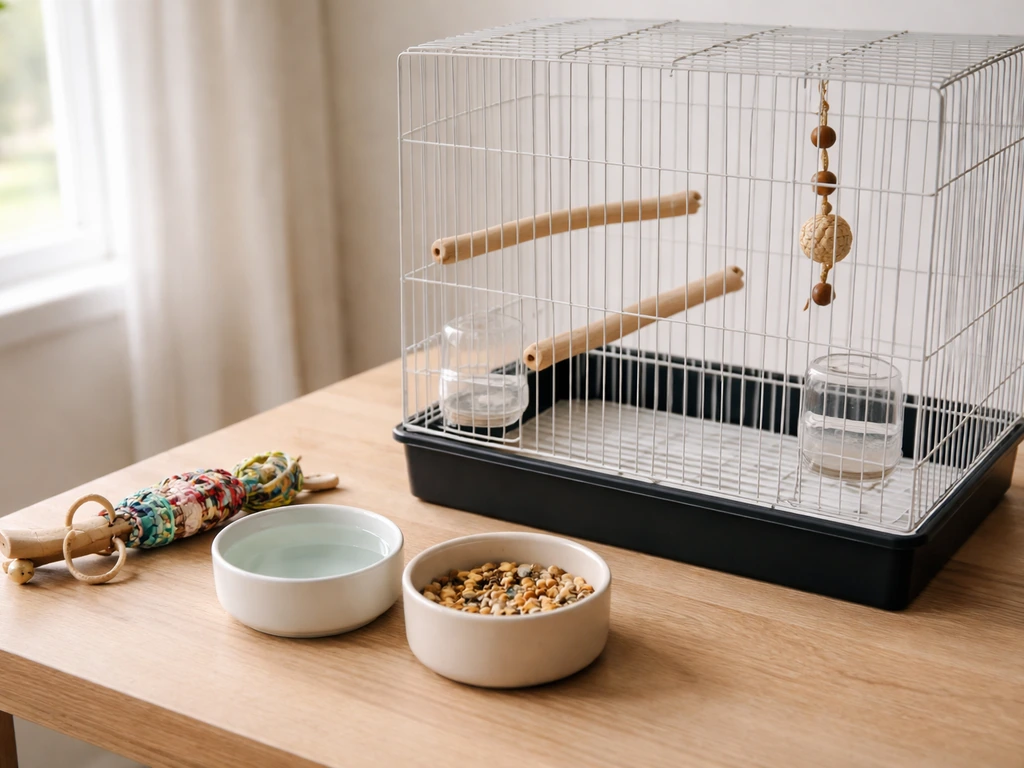
Water needs to be fresh every single day, no exceptions. The problem with open water bowls is that birds defecate in them constantly, especially if the bowl is placed anywhere near a perch. Never place food or water directly under a perch. Sipper-tube water bottles are worth considering because they stay cleaner longer, but they need daily rinsing too. If you use bowls, position them toward the side of the cage, away from perches, and check them every morning. Make sure the bowl isn't too deep for your bird's size. A small finch or budgie can actually fall into a deep bowl and get stuck, so shallow dishes work best for smaller species.
Dishes and feeders
You'll need at least two dishes: one for dry food (pellets) and one for fresh food or water. Many cages come with clip-on bowls, which work fine. Stainless steel dishes are easy to disinfect and don't absorb bacteria the way plastic ones do over time. Plan to rotate and wash them daily.
Home safety checklist: air quality, toxins, and hazards
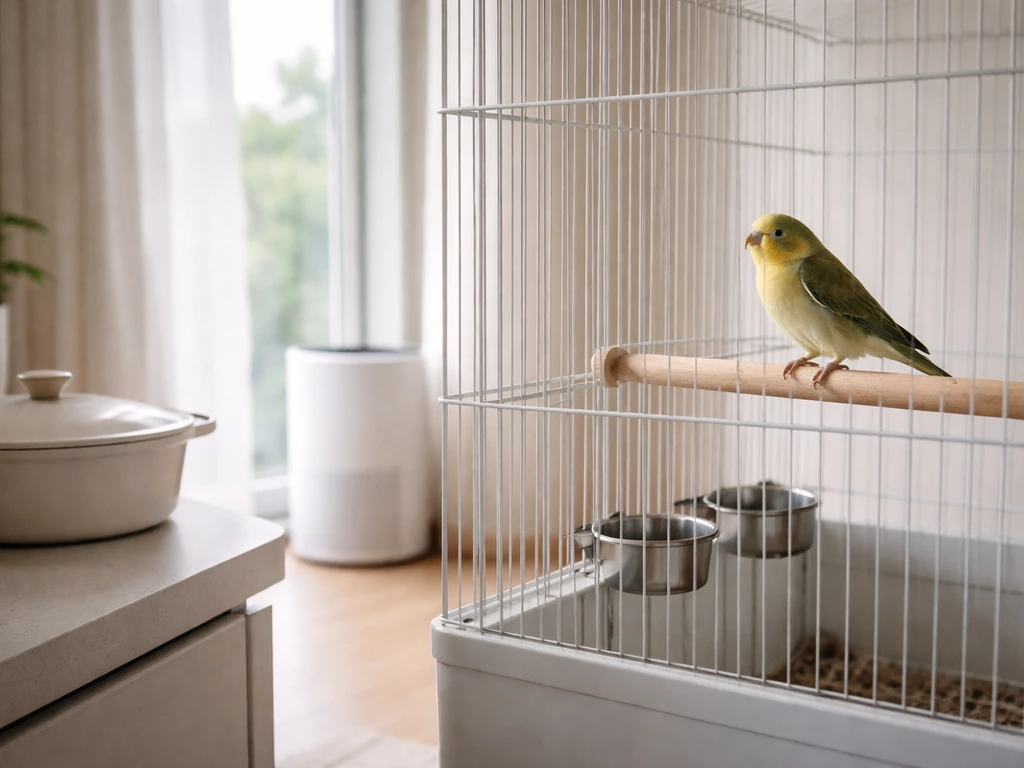
Birds have an incredibly efficient respiratory system, which is great for them in the wild, but it makes them dangerously sensitive to airborne toxins in a home. Birds are especially sensitive to chemical fumes, so avoid spraying or using fragranced products around pet birds and monitor them closely when they are out of the cage. This is probably the area where first-time owners are most likely to accidentally hurt their bird, so take this section seriously.
The nonstick cookware problem
Polymer fume fever, sometimes called Teflon flu, happens when nonstick cookware overheats and releases fumes. For humans, this causes flu-like symptoms. For birds, it can cause sudden death with almost no warning. If you have nonstick pans, either commit to never overheating them or replace them with stainless steel or cast iron. This is not an exaggeration or an edge case. It's one of the leading causes of accidental bird death in households.
Other airborne hazards
- Aerosol sprays: air fresheners, hairspray, deodorants, perfume, cleaning sprays. Don't use them in the same room as your bird, and ventilate thoroughly before bringing the bird back in.
- Scented candles and incense: the smoke and fragrance compounds are harmful to avian lungs.
- Nail polish and nail polish remover (acetone): fumes travel fast and birds are very sensitive.
- Bleach and ammonia-based cleaners: never mix them, and never use them in an unventilated space near your bird. They produce toxic gases even at low concentrations.
- Cigarette and e-cigarette smoke: both are harmful. Smoking in the same room as a bird is a serious welfare issue.
- Gasoline, pesticides, and paint fumes: keep your bird well away during any projects involving these.
Toxic plants and foods
- Toxic plants: calla lilies, mistletoe, poinsettia, philodendron, and many others. Research any houseplant before putting it in a room where your bird flies free.
- Toxic foods: avocado (can be fatal), chocolate, onion, garlic, alcohol, caffeine, and fruit pits/seeds from apples, cherries, and peaches.
- Safe metals check: make sure any cage, toy, or accessory is made of bird-safe metals. Zinc and lead are toxic if ingested from painted or galvanized surfaces.
Temperature and drafts
Birds are sensitive to cold drafts and sudden temperature changes. Keep the cage away from air conditioning vents, exterior doors, and windows that are frequently opened. Most pet birds are comfortable in the same temperature range humans prefer, roughly 65 to 85 degrees Fahrenheit. At night, if your home gets cold, a breathable cage cover (not plastic) can help retain warmth without cutting off airflow.
Enrichment and interaction: keeping your bird mentally healthy
A bored bird is a stressed bird, and a stressed bird can develop problem behaviors like feather plucking, screaming, or biting. Enrichment is not optional, and it's one of the things new bird owners tend to underinvest in at first because it feels like a luxury. It isn't.
Perches
Your cage should have at least two or three perches at different heights and of varying diameters. Variable diameter is important because it exercises the muscles in a bird's feet and prevents pressure sores. Natural wood perches (untreated, bird-safe woods like manzanita or java wood) are excellent. Rope perches add variety. Avoid the smooth, uniform dowel perches that most cages ship with as the only perch option. They're fine to keep but shouldn't be the only texture available.
Toys and foraging
Rotate toys every one to two weeks so the cage environment feels fresh. A bird that sees the same three toys for six months gets bored with them quickly. Good toy categories include shreddable toys (paper, palm leaves, soft wood), puzzle or foraging toys where food is hidden inside, bells and mirrors for budgies, and chew-safe wood blocks for larger parrots. Foraging in particular mimics natural behavior and keeps birds occupied. You can make simple foraging toys by wrapping a piece of food in paper or hiding pellets in a rolled-up paper cup.
Time outside the cage and social interaction
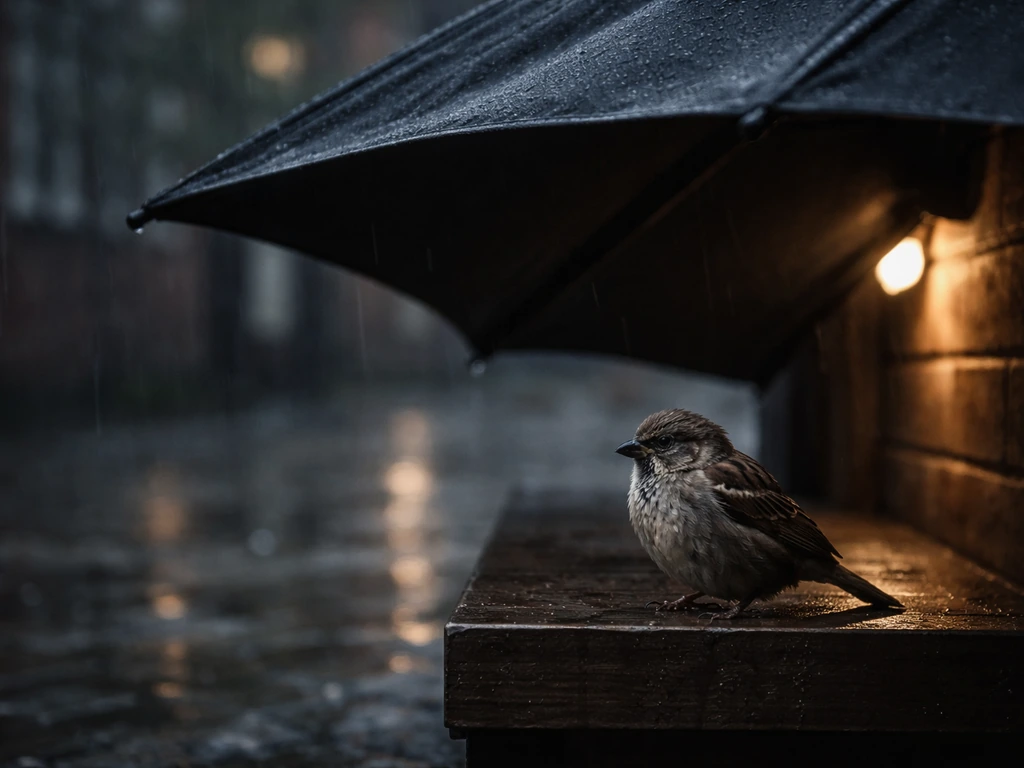
Social birds like cockatiels, budgies, and conures need time outside the cage every day, ideally two hours or more in a bird-proofed room. This means checking for open windows, ceiling fans (turn them off), and other pets before letting your bird out. If you are wondering what a bird needs in the rain, focus on keeping them dry quickly, using safe shelter, and ensuring they are warm and not exposed to drafts.
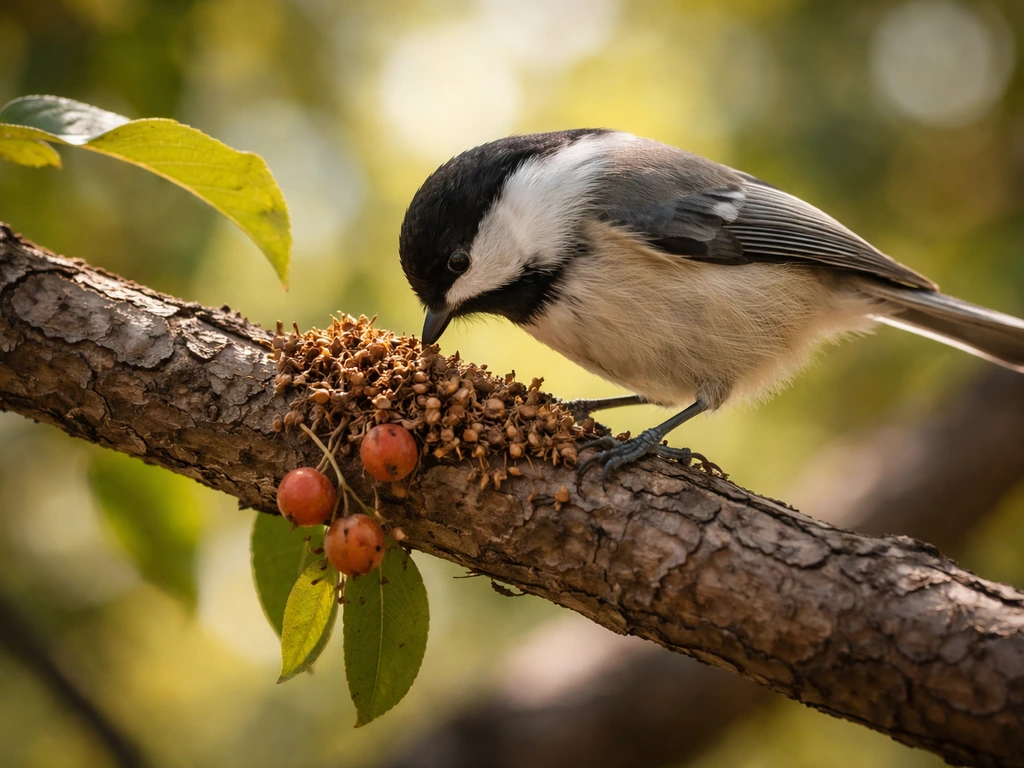
Finches and canaries don't require handling the same way, but they still benefit from watching household activity and having a spacious cage to fly in. Trees provide birds with shelter and natural food sources, making it easier for them to stay safe and thrive. Parrots especially need daily interaction with their human. If you work long hours and can't commit to this, getting a pair of birds so they can keep each other company is worth considering.
Daily care and cleaning routines
The daily routine is where bird care lives or dies. PetMD recommends spot-cleaning a cockatiel habitat daily by removing soiled material and discarded food, and using only pet-formulated cleaning agents due to birds' sensitive respiratory systems blank" rel="noopener noreferrer">daily routine is where bird care lives or dies. Birds are prey animals and hide illness well, so a consistent daily check-in is your best early warning system as much as it is a hygiene practice. If you plan to let your bird experience rain or mist, keep the bird safe by avoiding cold drafts and drying it promptly afterward what does a bird need in the rain.
Daily tasks
- Replace water completely, every morning. Rinse the dish or bottle before refilling.
- Remove and replace fresh food after two hours, or first thing in the morning if you offered it the night before.
- Spot-clean the cage floor: remove any obviously soiled liner sections, dropped food, and debris.
- Check droppings. Healthy droppings have a solid dark portion (feces), a white portion (urates), and a small liquid portion (urine). Runny, discolored, or absent droppings are a flag.
- Observe the bird for five minutes. Is it active? Eating? Talking or singing if it normally does? A quiet, fluffed-up bird in the morning is a red flag.
Weekly deep clean
Once a week, do a full cage clean. Remove everything, replace all liner paper, scrub the tray and cage bars with a bird-safe cleaner or a diluted solution of dish soap. If you use a disinfectant, let it sit for the required contact time (at least five minutes for most products), then rinse thoroughly. Disinfectant residue is harmful to birds, so the rinse step is not optional. Never mix cleaning products, especially bleach with anything ammonia-based. Scrub food and water dishes separately, paying attention to corners where bacteria accumulate. Let everything dry before reassembling, or dry it manually. Wipe down perches and swap out soiled toys.
Health readiness: vets, warning signs, and emergencies
Find an avian vet before you need one
Most general practice vets don't see birds, or see them rarely and have limited expertise. You need an avian vet or a vet with documented avian experience. Search the Association of Avian Veterinarians directory online to find one near you. Do this before you bring the bird home. Schedule a well-bird exam within the first week of getting your bird. This establishes a baseline and catches any health issues that weren't visible at purchase or adoption.
Warning signs to act on quickly
- Fluffed feathers for extended periods, especially if combined with closed eyes or sitting low on the perch
- Wheezing, clicking sounds when breathing, or tail bobbing with each breath (a sign of respiratory effort)
- Watery droppings that persist beyond one meal change, or absence of droppings
- Sudden weight loss (keep a small kitchen scale and weigh your bird weekly)
- Changes in appetite or significant drop in water intake
- Discharge from nostrils or eyes
- Loss of balance or falling off the perch
Birds deteriorate fast. If you see multiple warning signs at once, treat it as an emergency and call your avian vet or an emergency animal hospital immediately. Do not wait and see overnight.
Basic first aid readiness
Keep a small first aid kit ready: a hospital cage (a small box or carrier with ventilation where you can keep an injured or sick bird warm), a heat source like a reptile heating pad set to low placed under half the carrier (so the bird can move away from heat if needed), and styptic powder for broken blood feathers. Write down your avian vet's number and the nearest 24-hour emergency animal hospital before you ever need them.
Your first-week timeline and the mistakes to avoid
A realistic first-week plan
- Before bringing the bird home: have the cage fully set up, stocked with food and water, and placed in its permanent spot. Identify your avian vet and schedule a well-bird exam.
- Day 1: Let the bird settle. Don't push interaction. Keep the home calm and noise levels low. Observe from a distance.
- Days 2 to 3: Establish the feeding and cleaning routine. Offer fresh food for the first time if you haven't. Start sitting near the cage and talking softly so the bird gets used to your presence.
- Days 4 to 7: Begin gentle interaction on the bird's terms. Don't force handling. Let the bird come to the edge of the cage or step up voluntarily if it's ready.
- End of week one: Complete the avian vet exam. If you have other birds, keep the new bird quarantined from them for 30 to 45 days minimum, because some diseases aren't visible early on.
The most common beginner mistakes
- Buying a cage that's too small, then assuming the bird is fine because it seems to fit. Bigger is always better.
- Using sandpaper cage liners, which birds pick at and ingest, causing internal damage.
- Feeding mostly seeds. It feels natural but it's like feeding a child only chips. Pellets are the nutritional foundation.
- Keeping nonstick cookware in the same kitchen where a bird lives without understanding the overheating risk.
- Placing food and water bowls directly under perches, which guarantees contamination.
- Skipping the avian vet because the bird 'seems fine.' Birds hide illness until they can't anymore.
- Not rotating toys or providing foraging opportunities, which leads to boredom and behavioral problems.
- Using aerosol products in the bird's room without thinking about air quality.
- Rushing handling in the first few days instead of letting the bird adjust to the new environment.
What to buy now vs. what can wait
| Category | Buy Before Day 1 | Can Add in First Month |
|---|---|---|
| Cage | Yes, correctly sized with proper bar spacing | Upgrade to larger if budget was a constraint |
| Food and water dishes | Yes, at least two | Add stainless steel set if you started with plastic |
| Pellets and fresh food | Yes | Expand variety of vegetables offered |
| Cage liner (plain paper) | Yes | N/A |
| At least two perches of varying diameter | Yes | Add rope perch, natural wood perch options |
| Basic starter toys (2 to 3) | Yes | Rotate in foraging toys, shredding toys |
| Avian vet appointment | Schedule before bringing bird home | N/A |
| Hospital cage / carrier | Yes | N/A |
| Kitchen scale for weekly weighing | Recommended | Can add in first week |
| Cage cover | Optional | Add if bird is slow to settle at night |
| Play stand / bird gym | Optional | Add once bird is comfortable leaving cage |
Getting a pet bird right comes down to making good decisions before the bird arrives, not after. The cage, the diet foundation, and the vet plan are the three things that actually protect your bird's health. Everything else, the toys, the play stands, the foraging puzzles, is about quality of life, and you can build that out gradually as you learn your bird's personality. Start solid, stay consistent with daily care, and you'll have a genuinely rewarding experience.
Questions about how much space a bird needs or how much water to provide daily come up fast once you're in routine, and those details matter more than most people realize when first setting up a habitat. If you're wondering what do you need for bird watching, focus on the right binoculars, a field guide, and quiet observation spots.
FAQ
What do you need for a pet bird if you only have a small apartment or limited space?
Start by maximizing usable floor-to-bar width, not height, since most birds exercise by flying horizontally. Choose a cage that allows full wing extension without side contact, then add a safe, daily out-of-cage play window in a dedicated room. If floor space is tight, use a smaller play stand placed away from doors, mirrors, and ceiling fans, and keep at least one exit-free corner so the bird can retreat when startled.
Can I use a cheap cage cover or plastic to keep my bird warm at night?
Avoid plastic cage coverings. Use a breathable, bird-safe fabric cover that still allows airflow, and ensure the cover does not press directly against the bird so it cannot overheat or feel trapped. If your home temperature drops below your comfort range, consider increasing room heating rather than sealing the cage too tightly.
How do I choose the right perch material and shape for my specific bird?
Use multiple perch textures and diameters, but match the size to the bird so it can grip comfortably without stretching its toes. Natural wood perches are a good base, and you should include at least one perch with a rougher texture for foot exercise. Avoid perches that feel coated, sticky, or chemically treated, and remove any perch that frays or splinters.
Are mirrors and bells safe for all birds?
Many budgies enjoy mirrors, but some parrots and cockatiels can become over-attached or territorial. Bells are usually fine as enrichment, but check them for loose parts or sharp edges and place them where the bird cannot get a foot trapped. Introduce one toy at a time and watch for stress behaviors like frantic pacing or refusing other activities.
How often should I deep-clean the cage beyond the weekly scrub?
Do a full deep-clean weekly as described, and add spot-cleaning daily. If your bird spills food or water frequently, or if you notice odor even after spot-cleaning, shorten the interval to every few days for the tray and perches. Any time you use a new cleaner or disinfectant product, rinse thoroughly because residue can irritate a bird’s respiratory system.
What do you need to prevent mold or spoiled food in hot weather?
Keep fresh vegetables and fruit out for a shorter window (often less than the couple of hours guideline if your room is hot). Remove leftovers promptly and wipe the food dish before it dries into crust. Consider switching water bowl position slightly to reduce spill accumulation, and wash bowls at least daily to prevent biofilm buildup.
What do you need to know about water bowls for small birds like finches and budgies?
Use shallow dishes sized so the bird can access water without stepping in and without crowding the bowl rim. Place water away from perches so droppings do not constantly contaminate it. Even with shallow bowls, inspect daily for wetness and slipping hazards, because small birds can get flustered and injure themselves in the cage.
If I use nonstick cookware once in a while, is it still dangerous?
Yes, it can be dangerous even occasionally. The risk comes from overheating and fume release, so the only reliable approach is to never overheat nonstick pans and ideally replace them with stainless steel or cast iron if your bird is in the home. Also keep your bird out of the kitchen during any cooking that involves high heat, and never use aerosol sprays near the cage.
Do I need a second bird, or is one bird enough?
One bird can do well, especially species that tolerate minimal handling, like finches. Social species that normally interact with humans or flock members often need consistent engagement, and if you cannot provide daily time, a companion bird may reduce stress. However, companion birds do not replace proper setup and health checks, and new birds should be quarantined and checked by an avian vet before introductions.
What do you need to prepare for the first week with a new bird?
Have the avian vet appointment scheduled within the first week and keep a simple daily observation routine, appetite, droppings, breathing effort, and posture. Keep the bird’s environment stable with minimal rearranging, and avoid introducing lots of new toys on day one. If anything seems “off” in multiple areas at once, treat it as urgent rather than waiting for the vet visit.
What should be in a basic bird first-aid kit besides a heating pad and styptic powder?
Include a spare, ventilated hospital carrier, clean gauze or soft towels for careful handling, and a small bottle of saline for gentle eye or nostril flushing only if your avian vet has instructed you. Also add a digital thermometer for monitoring the room or carrier warmth and keep the emergency hospital address and transport plan written down in case you need to leave quickly.